Newsletters


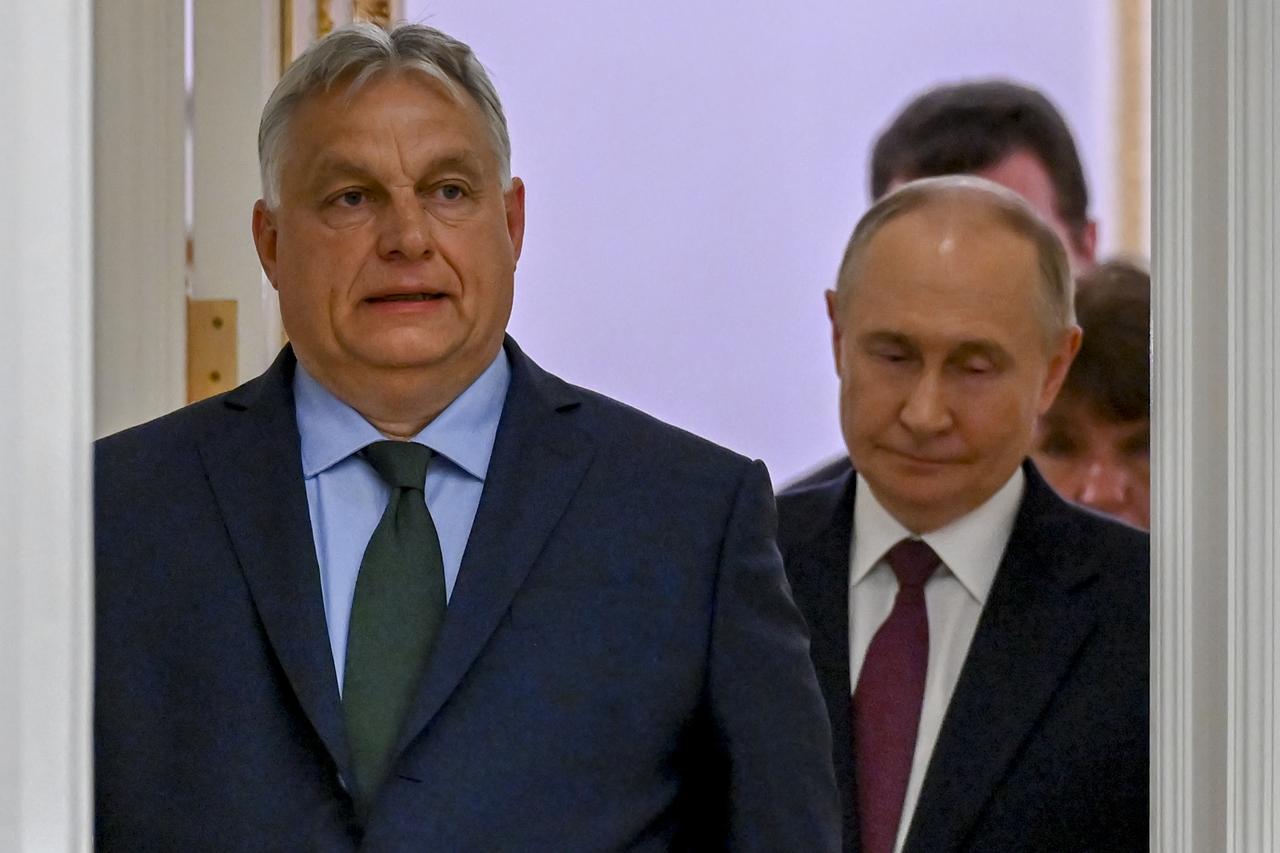


Hungarian Prime Minister Viktor Orban on Saturday reiterated his opposition to Ukraine’s accession to the European Union, warning that such a move would have severe economic consequences for Hungary and other Central European countries.
In a post on the social media platform X, Orban said, “Europeans do not want their money siphoned off to Ukraine, and they do not want Ukraine in the EU.” He added that if Central European countries stand “strong,” Western Europe could follow and pressure its leaders to change course.
“If a country is a member of the European Union and gets involved in a war, it gets us involved in it as well,” Orban said in a video shared on X.
“That is why, in our view, Ukraine’s membership is out of the question, whether fast-tracked or in any other form.”
Orban said Ukraine’s accession would harm the Hungarian economy, particularly farmers, who he said are already struggling due to cheaper Ukrainian agricultural products entering the European market.
He pointed to cooperation among farmers in Hungary, Slovakia, Romania and Poland aimed at preventing what he described as further economic disruption.
“Ukraine would then take our money, creating a bottomless pit. There would be nothing left for European development. The European economy is already slowing, and this would push it down below zero,” Orban said.
Ukraine applied for EU membership shortly after the war with Russia began in 2022 and has been pushing for accelerated integration, framing it as a security mechanism.
Ukrainian President Volodymyr Zelenskyy has set 2027 as a target year for Kyiv’s accession to the bloc.
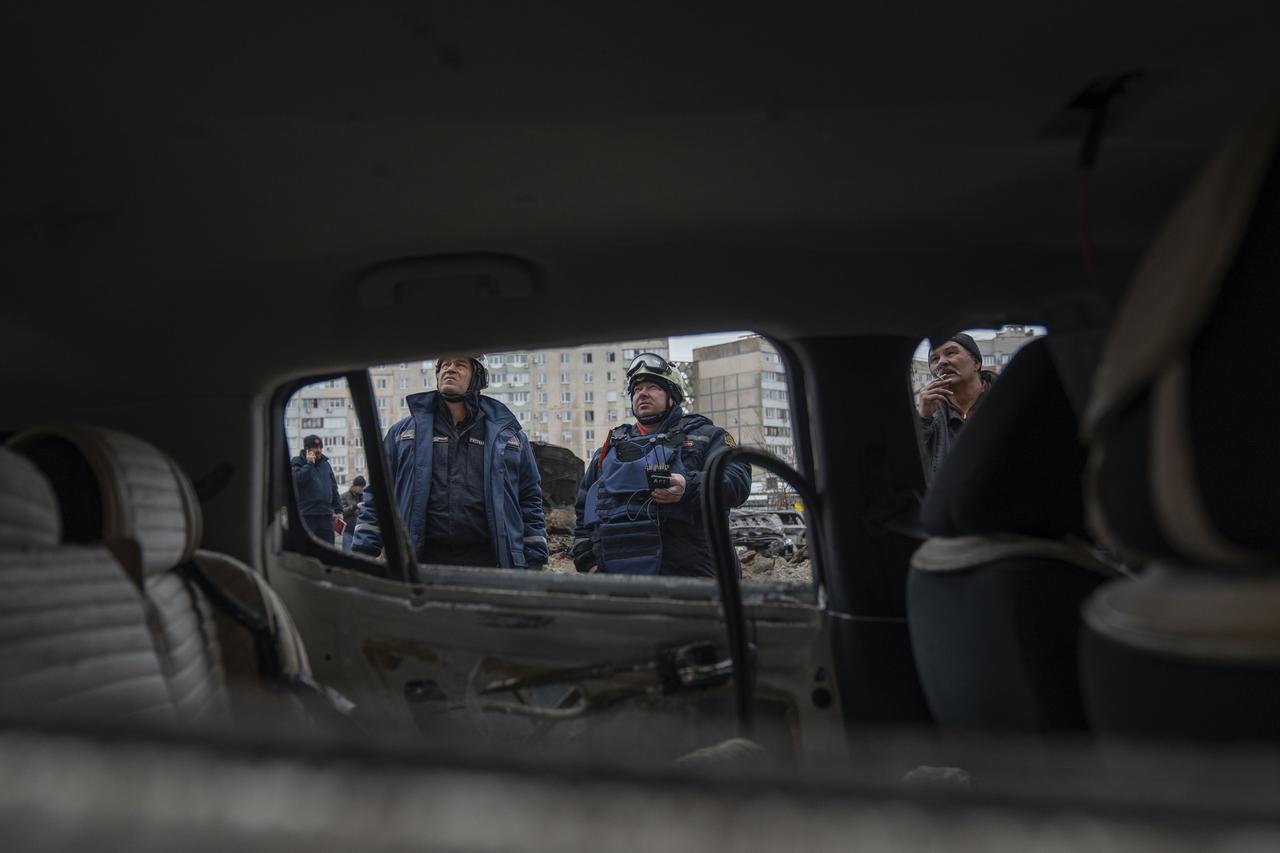

Meanwhile, Germany on Saturday voiced skepticism over Russian President Vladimir Putin’s commitment to peace as diplomatic efforts continue to end the war in Ukraine.
While U.S. President Donald Trump has injected new momentum into negotiations, German Defense Minister Boris Pistorius said Moscow’s actions contradict claims of serious engagement.
“So far, however, I see no signs that Russia seriously wants peace,” Pistorius said in comments to the editorial network RND.
He referred to recent talks between the warring sides, mediated by the United States in Abu Dhabi last weekend, saying Russia carried out attacks on Ukraine “that have hardly been seen in this war.”
According to Pistorius, the strikes were not linked to military objectives.
“This is terror directed exclusively against the civilian population—in a winter with temperatures of minus 20 degrees,” he said.
Pistorius added that Putin has shown no willingness to compromise at critical moments.
Addressing efforts to secure a pause in hostilities, he said that if Russia were taking the Abu Dhabi talks seriously, there would be no need to request a ceasefire, as attacks would have stopped not only in Kyiv but across the country.
“I have serious doubts that Moscow is taking the pause in attacks even remotely seriously,” Pistorius said.


 Set as preferred source
 Set as preferred source


 1 min read
 1 min read