Newsletters


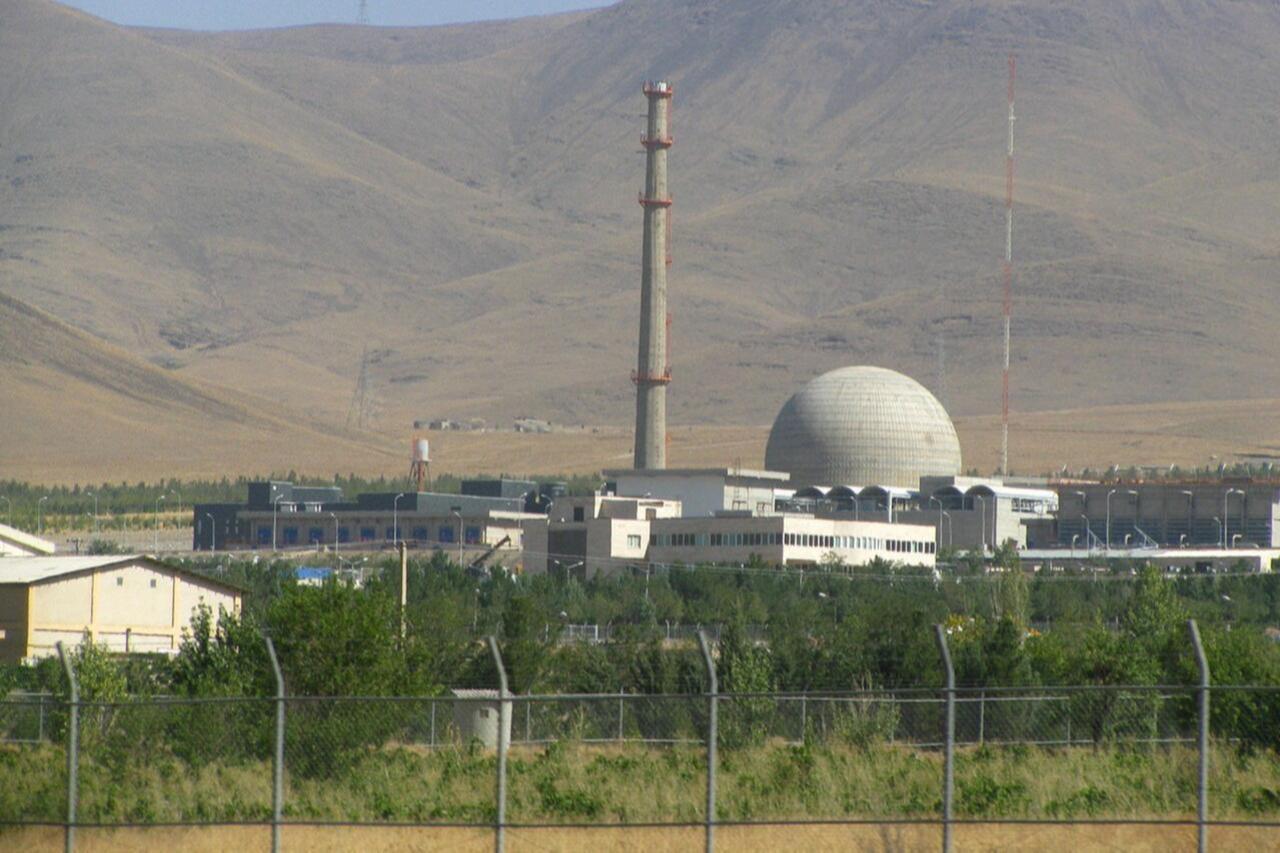


The United Nations nuclear watchdog confirmed Sunday that Iran's heavy water production plant at Khondab has been put out of commission, two days after US and Israeli forces struck the site.
The International Atomic Energy Agency said the plant had sustained "severe damage" and was "no longer operational," based on its own analysis of satellite imagery and institutional knowledge of the installation. The agency noted the site contained no declared nuclear material.
The Khondab complex, part of the Arak nuclear infrastructure in central Iran, has long drawn international scrutiny over Tehran's nuclear ambitions. Work on the reactor began in the 2000s but was frozen under the 2015 nuclear deal between Iran and world powers, when the core was removed and filled with concrete. The site was officially designated a heavy water research reactor for medical isotope production, though nonproliferation experts have warned that reactors of its design are capable of producing weapons-grade plutonium.
 1 min read
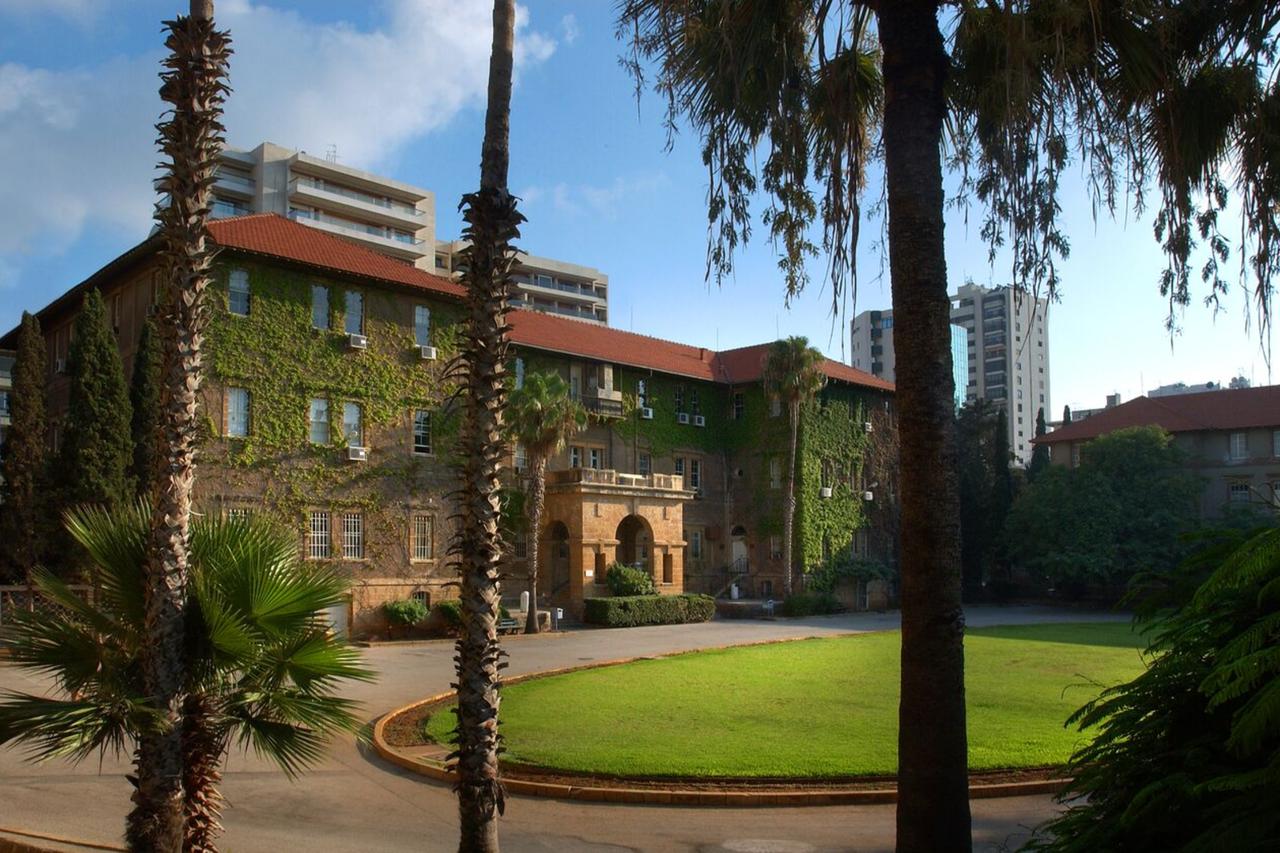
Beyond Khondab, the Israeli military confirmed it also struck a uranium processing facility in Yazd, central Iran, describing it as a unique installation producing raw materials for uranium enrichment. The military called Khondab a "key plutonium production site for nuclear weapons," saying the raids came after Iran had attempted to restore the facility. Iranian media reported no casualties and no radiation leak from either site.
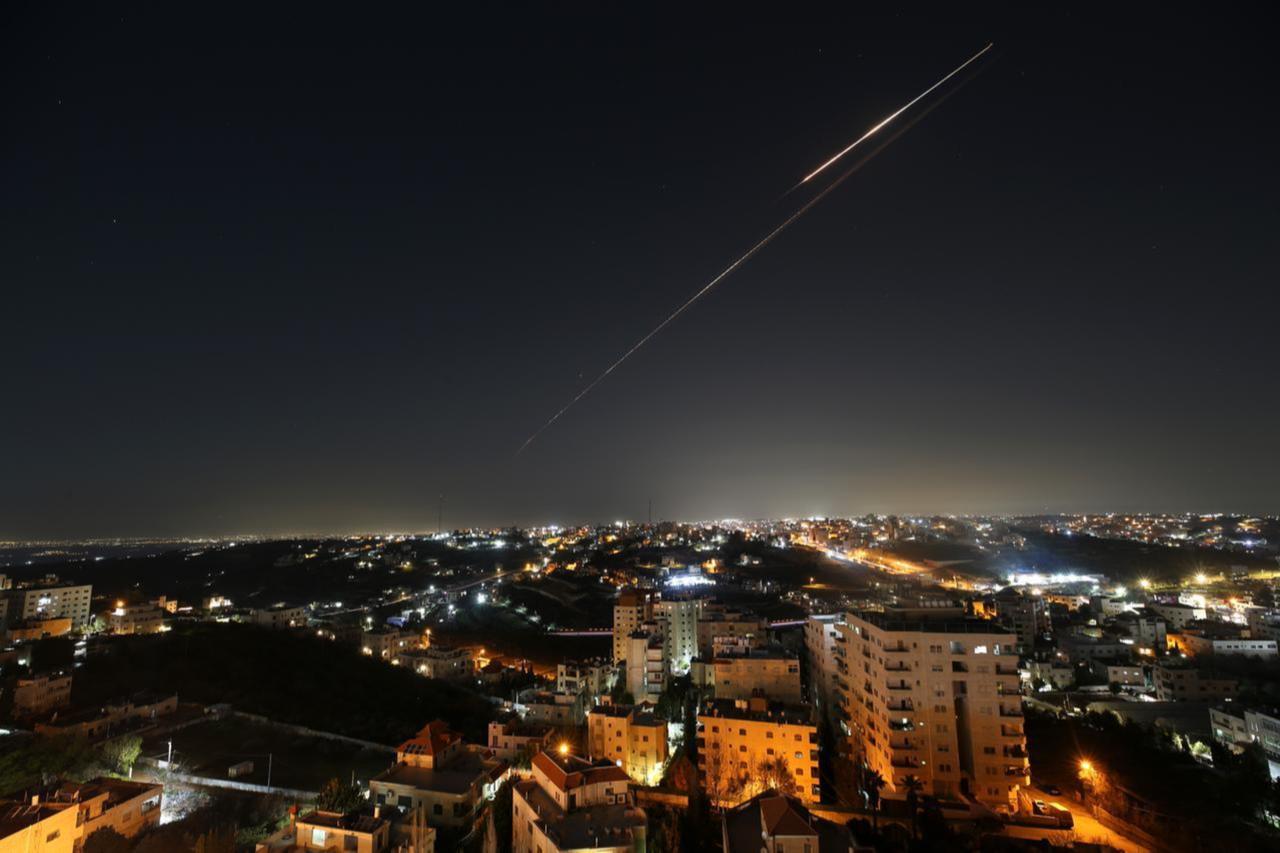
The US and Israel launched their air offensive against Iran on Feb. 28. The campaign has killed more than 1,340 people, among them then-Supreme Leader Ali Khamenei. Tehran has since retaliated with drone and missile strikes against Israel, Jordan, Iraq, and Gulf states hosting US military assets.


 Set as preferred source
 Set as preferred source



 1 min read