Newsletters


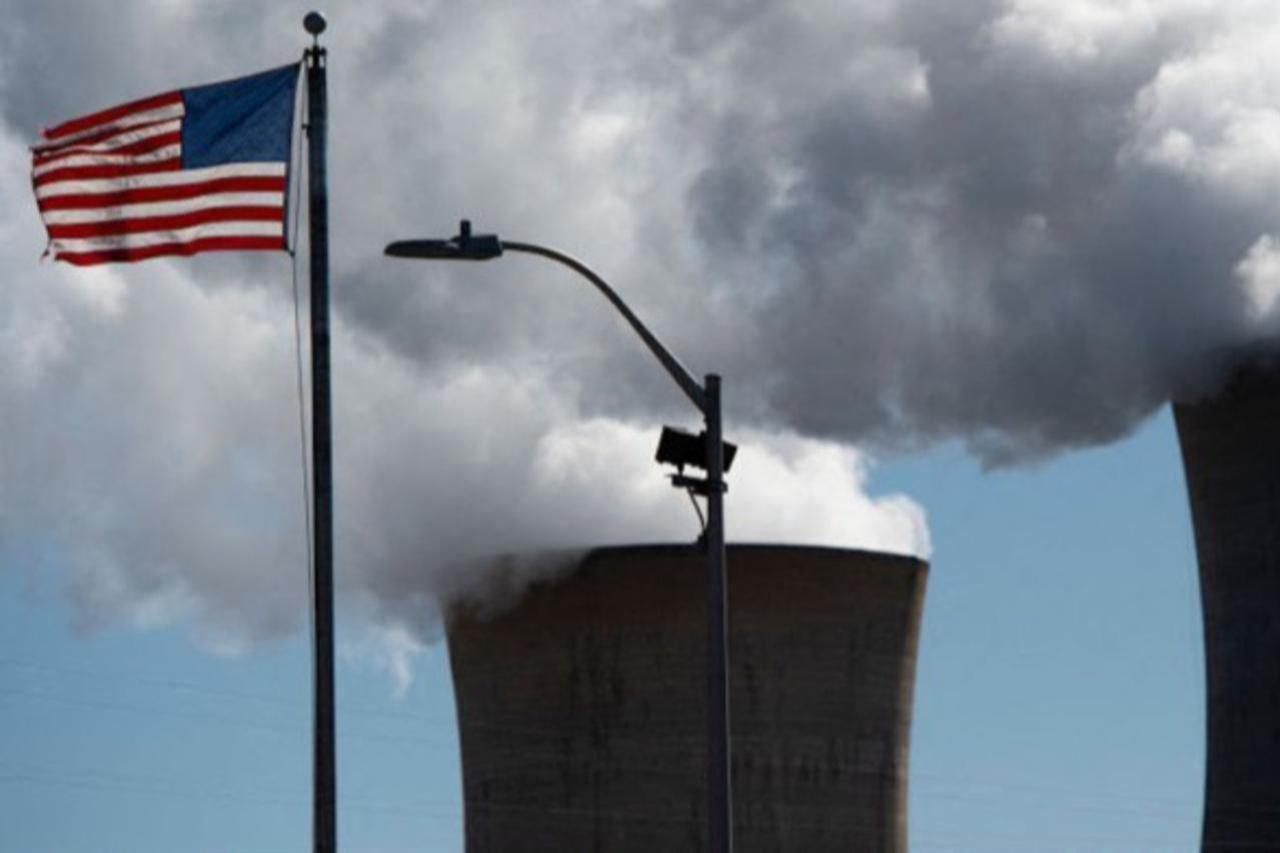


Asked which nuclear threat costs him the most sleep, the man in charge of nuclear nonproliferation for the United States answered, “My two daughters.”
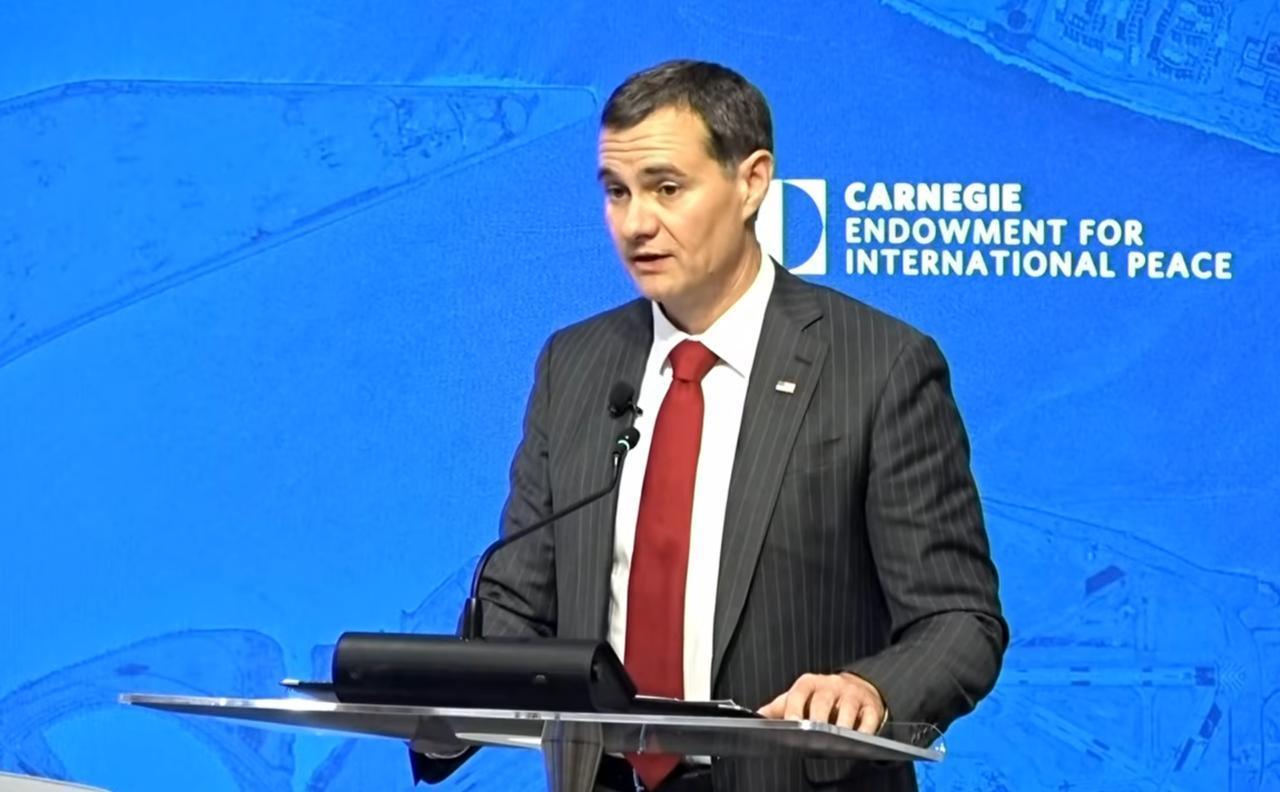
Dr. Matthew Napoli, deputy administrator for Defense Nuclear Nonproliferation at the National Nuclear Security Administration, took the stage at the Carnegie Endowment for International Peace in Washington, and the audience laughed. Then he gave the real list: Chinese and Russian competition, uncertainty in North Korea, the ongoing issues in Iran.
Then he spent the rest of the afternoon tackling a different question: how to jump-start the U.S. nuclear industry against global competition and ensure whose flag ends up painted on the side of the world's next generation of reactors.
The Saudi deal dominated part of the conversation. The U.S.-Saudi 123 agreement, the legal framework for civil nuclear cooperation, could open the door to enrichment technology and does not require Riyadh to adopt the IAEA’s Additional Protocol.
Carnegie's James Acton pressed Napoli on that point repeatedly. When questions opened up, Türkiye Today asked the question that matters for everyone else waiting in line: Is the Saudi arrangement a precedent, or a one-off?
"There are a number of 123 agreements in process," he said, noting "those are more traditional 123 agreements that we have with other nations." He declined to give a specific number, adding that he wouldn't "really focus on that issue" of precedent. Reading between the lines: Washington is gearing up to sign more nuclear cooperation deals than it has in years, and none of them will look like the Saudi pact.
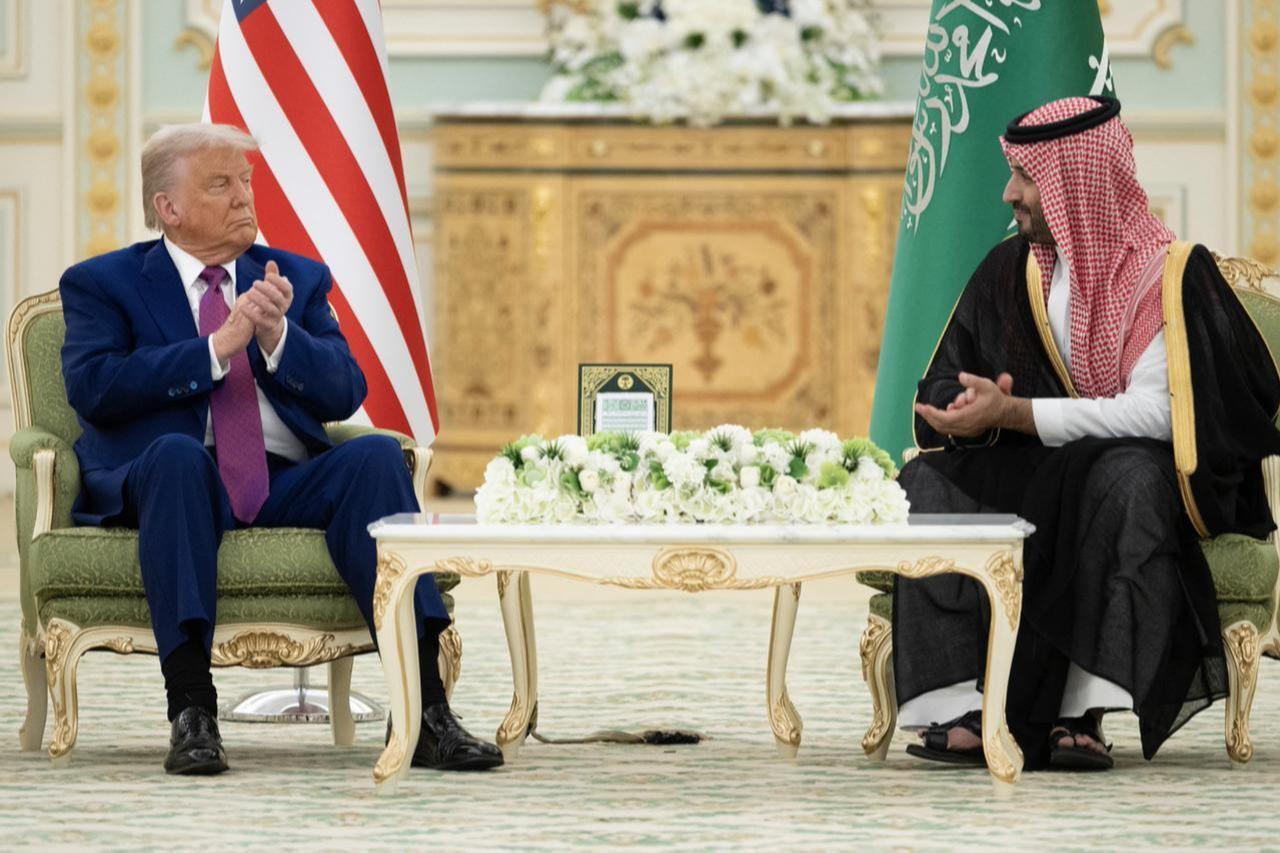

Saudi Arabia had plenty of reasons to want the deal, but understanding Washington's strategic calculus is key to understanding it. The kingdom’s financial investment and routine bilateral goodwill are both plausible explanations for the result, yet its unique geopolitical posture and credible alternatives may be the real answer.
Without a 123 agreement, the deputy administrator told the room, Saudi Arabia could pursue independent civil enrichment and could turn straight to China for it. The real win for Washington goes far beyond a financial payday. In Napoli's own words: "Could they go to China today to acquire the civil enrichment program? 100%." Yet: "Can they once this US-KSA 123 agreement comes into place? No. That's the power of this agreement."
That is the trade. Riyadh gets terms no ordinary customer would get, including a path toward enrichment that the Additional Protocol debate was meant to police. Washington gets exclusivity. As a result, "you will not be seeing like a Chinese reactor being built in Saudi Arabia," Napoli said. Saudi Arabia had a real second bidder, and the U.S. adjusted its offer rather than lose the kingdom's reactor market to Beijing. Few other countries can credibly make that threat, which is why few will get that deal. The agreement is winding its way through congressional review.
For decades the American instinct was to drag its feet or flat-out withhold technology for a number of reasons. If a country wanted reactors and Washington hesitated, U.S. policymakers treated the matter as closed. The new reality, as Napoli laid it out, is that U.S. hesitation doesn't stop nuclear builds; it just hands the contract to a rival vendor.
Türkiye is the case study. Ankara has had a 123 agreement with Washington since 2008, yet its first nuclear power plant, Akkuyu, is a Rosatom project. A Russian company builds, owns, and operates it under a 2010 intergovernmental agreement. Russia and China now sell reactors with financing attached. American silence in these markets effectively rolls out the red carpet for competitors.
The American nuclear industry needs to flex its economic muscle, a point Napoli drove home bluntly: "American reactors being built in Saudi Arabia. That is the primary mission there." Beyond the initial sale, a nuclear reactor anchors a multigenerational partnership. A reactor built today can run for 60 years, stretching closer to 100 years with license extensions, and the relationship locks in fuel, replacement parts, operator training, and regulatory alignment for the long haul. Napoli calls this "American exclusivity."
A reactor built today runs for 60 to 100 years, and for that whole span the operator depends on its supplier for fuel, spare parts, training, and regulatory oversight. A Saudi fleet built by American companies leaves no room for a Chinese or Russian vendor.
On the proliferation side, Napoli listed what the deal contains. Saudi Arabia moved from a small quantities protocol to a Comprehensive Safeguards Agreement with the IAEA. The bilateral safeguards agreement with Washington is, in his words, “incredibly close to an additional protocol, incredibly close by design.” And no restricted data can be exchanged under the agreement, which he described as a key ingredient in how special nuclear material is made.
Acton pressed on the harder case. Suppose Saudi Arabia runs an entirely indigenous enrichment program as an answer to Iranian ambitions, with no U.S. equipment or material involved. Would the IAEA have the legal right to inspect it? Napoli’s reply was that the deal is exclusive: “There shouldn’t be any other activities taking place within that country.” Independent enrichment “would violate the terms of the 123 Agreement with the United States and jeopardize our cooperation. End of story.”
At first glance, it might seem that the only deterrent is the threat of damaging bilateral relations. But this issue doesn't actually hinge on the terms of the agreement; the same hypothetical question would apply even if the deal didn't exist at all.
On the flip side, U.S. nuclear strategy rests on the baseline assumption that Iran will never be allowed to get a bomb, thereby short-circuiting any regional nuclear arms race before it starts. Washington's playbook is to step in first with military-backed nonproliferation, lock it down diplomatically, and cement it commercially.

Napoli framed all of this as one system. The NNSA's job, in his telling, runs from denying adversaries materials to enabling American industry abroad. Reactors sold overseas, he argued, reduce "overhead capital costs" for U.S. builders and help them "build more cheaply" at home, where power demand is rising. He also pointed to small modular reactors for "island nations" with small grids and no use for a gigawatt plant.
Then came the line that explains the whole doctrine. Nuclear-powered ships and floating nuclear plants, Napoli said, are coming. "There will be nuclear-powered ships, there will be floating nuclear power plants. The question is, whose flag is going to be on the side of those vessels." Either American industry competes, he said, or it watches.
The agreements that follow will be ordinary because the point is volume for the American industry. Washington has decided that someone's reactors are going up regardless, and it would rather the flag be its own.


 Set as preferred source
 Set as preferred source


 2 min read

 1 min read