Newsletters


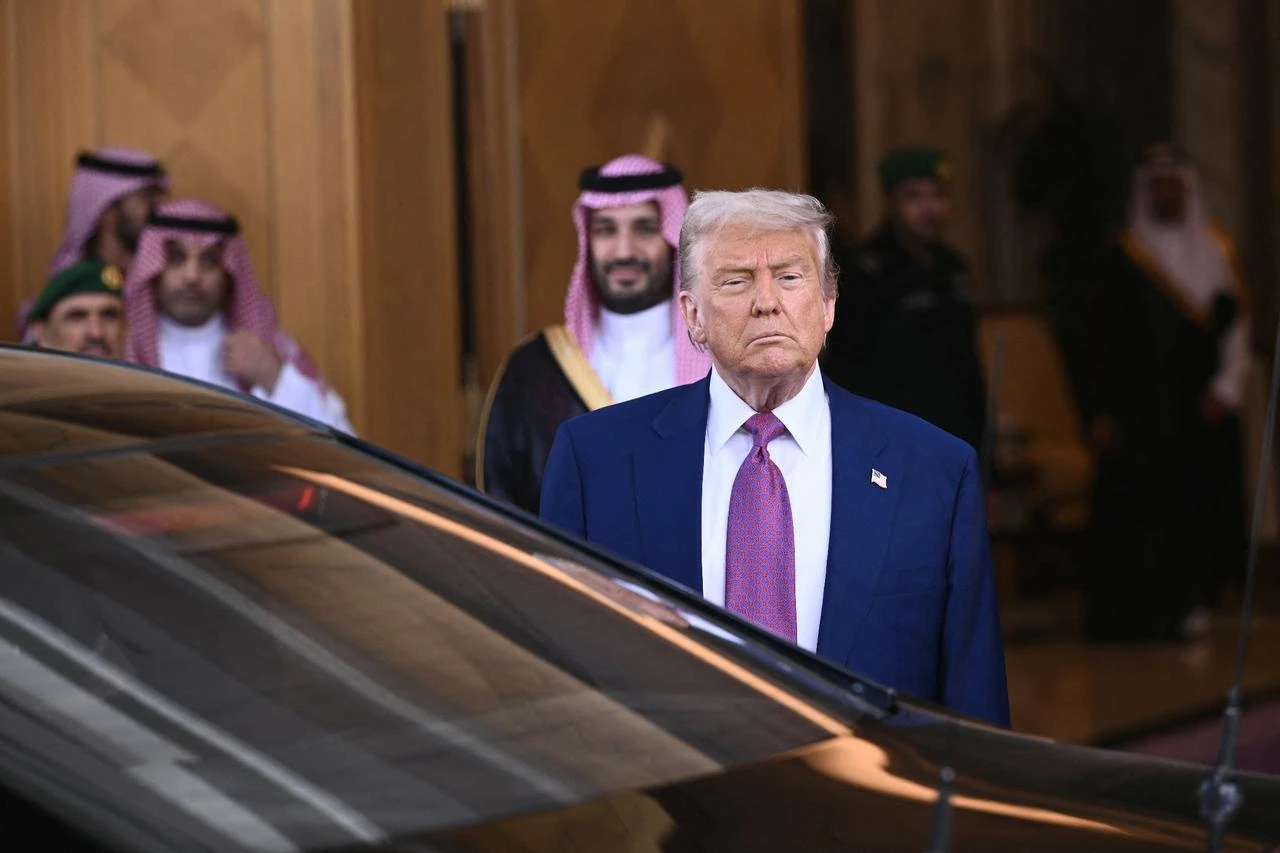


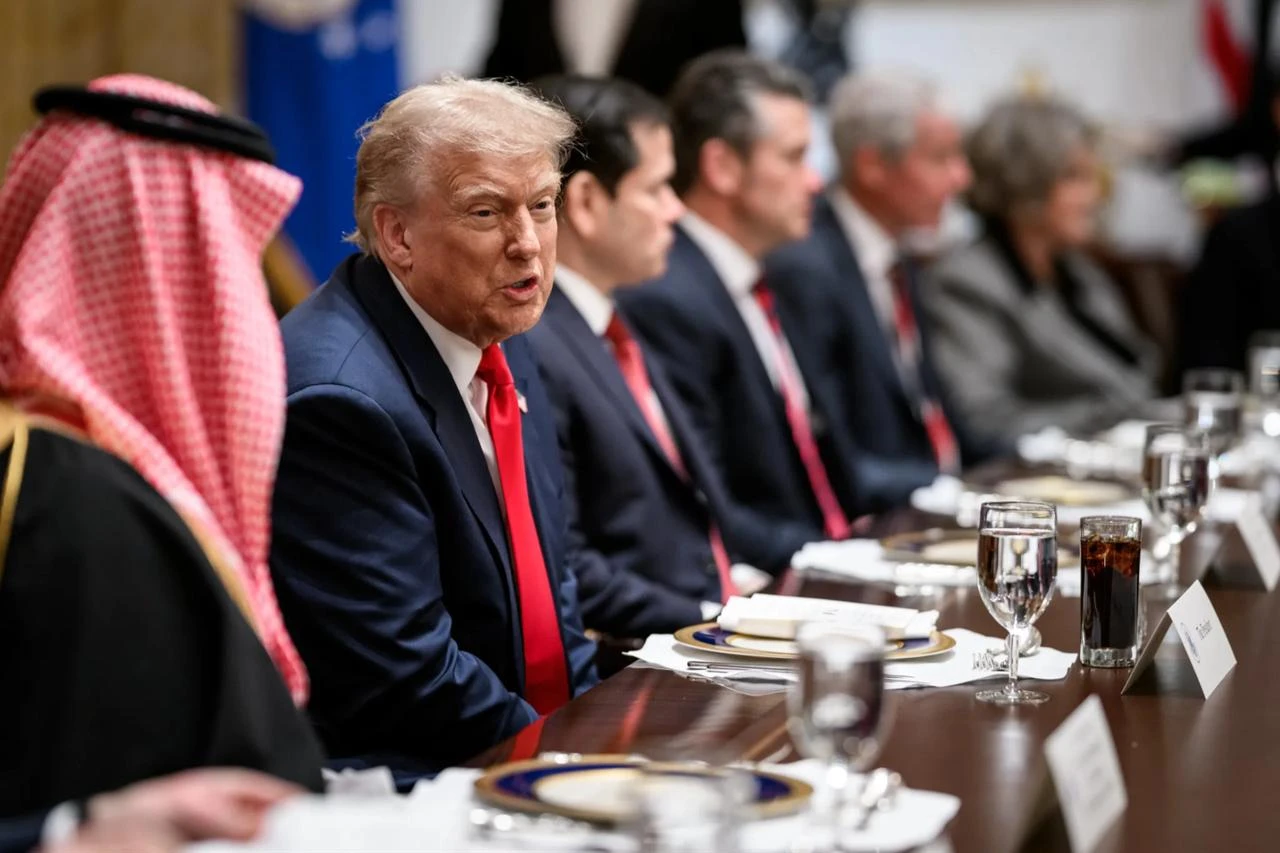
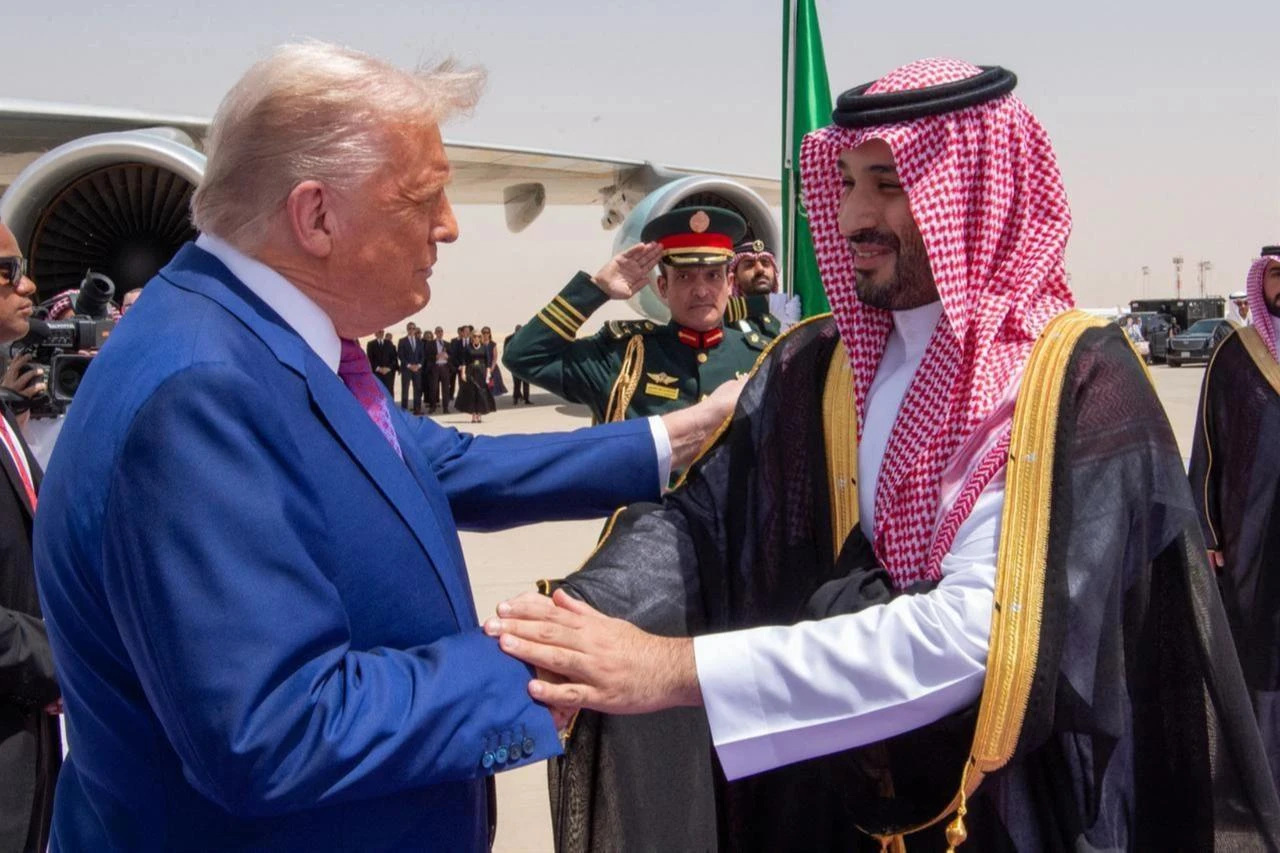
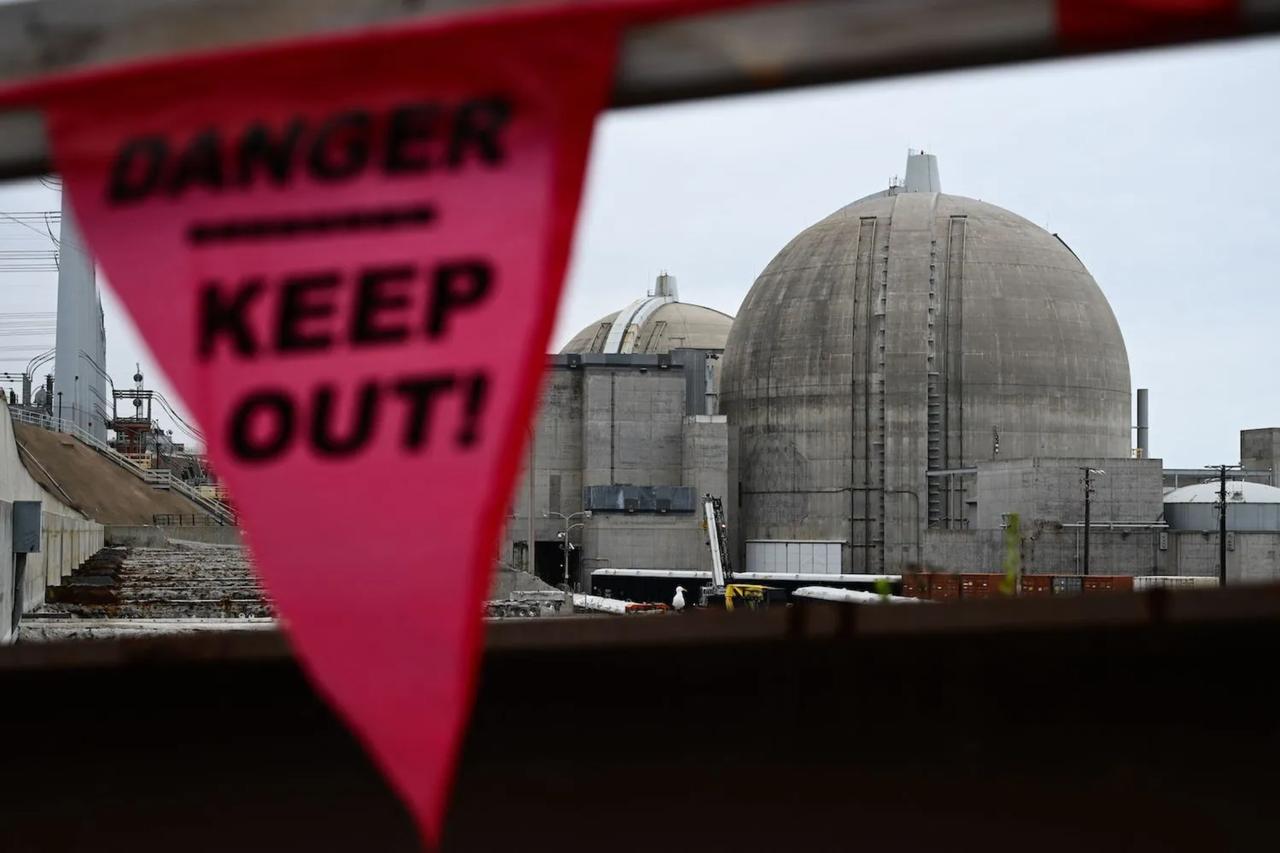
The United States and Saudi Arabia signed a landmark civil nuclear cooperation agreement that allows the kingdom to build reactors with American technology, and potentially enrich uranium on its own soil. The move ignited warnings in Israel and Washington that the deal could set off a nuclear arms race across the Middle East.
The 30-year pact, announced Wednesday and now before Congress, omits both the "gold standard" no-enrichment pledge and the International Atomic Energy Agency's (IAEA) enhanced inspections regime that have anchored U.S. nonproliferation policy for decades, even as Washington wages a war against Iran justified in part by Tehran's refusal to give up enrichment.
U.S. Energy Secretary Chris Wright and Saudi Energy Minister Prince Abdulaziz bin Salman signed the peaceful nuclear cooperation agreement, known as a 123 Agreement, which "will now be transmitted to Congress for review," the U.S. Energy Department said in a statement.
"Rest assured, these agreements uphold the highest standards of nuclear safety and nonproliferation," Wright said.
Saudi Arabia said the deal bolsters cooperation "in the peaceful uses of nuclear energy … in accordance with the highest international standards of nuclear safety, nuclear security, and nonproliferation."
The deal allows private American nuclear companies to export to the Saudi market and creates a framework for U.S. safeguards, though the administration released no details, Politico reported.
Under the pact, the two countries would jointly study for two years the feasibility of enriching uranium in the kingdom. If approved, enrichment would take place under a "black box" arrangement meant to prevent the transfer of sensitive technology to Saudi personnel, people familiar with the deal told Politico.
The Wall Street Journal (WSJ) first reported the agreement.
Lawmakers have 90 session days to block the pact, but would need veto-proof two-thirds majorities in both chambers, according to Reuters.
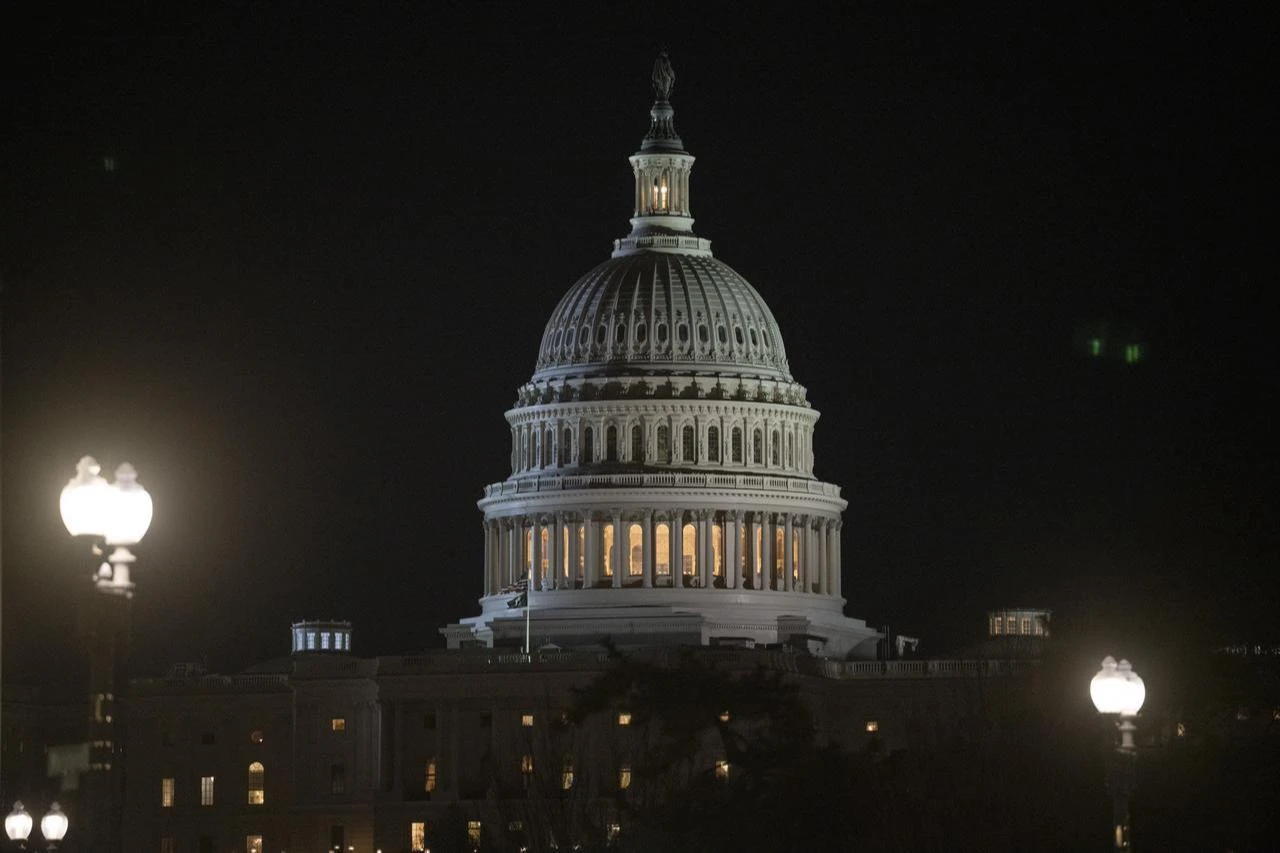

Israeli Prime Minister Benjamin Netanyahu and his defense and foreign ministers have not commented on the deal, which was concluded without the Israeli-Saudi normalization that both the Biden and Trump administrations once tied to it, according to Reuters.
"The nuclear agreement that is coming together with Saudi Arabia, over Israel's head, is a serious strategic failure that endangers our security," said former prime minister Naftali Bennett, who is seeking to unseat Netanyahu in an Oct. 27 election.
"Nuclear enrichment on Saudi soil could lead to a regional nuclear race and a dangerous loss of control," he noted.
Former defense minister Avigdor Lieberman said "the civilian nuclear program in Saudi Arabia will end in nuclear weapons and will lead to a crazy arms race throughout the entire Middle East," urging Israel, widely believed to hold the region's only nuclear arsenal, to lobby Congress against the deal.
"There is no security official who would say that introducing civilian nuclear capability into Saudi Arabia without integrating the move as part of building a moderate regional alliance is a step that is good for Israel's security," said Benny Gantz, a former defense chief.
Riyadh has ruled out normalizing ties with Israel without Palestinian statehood.
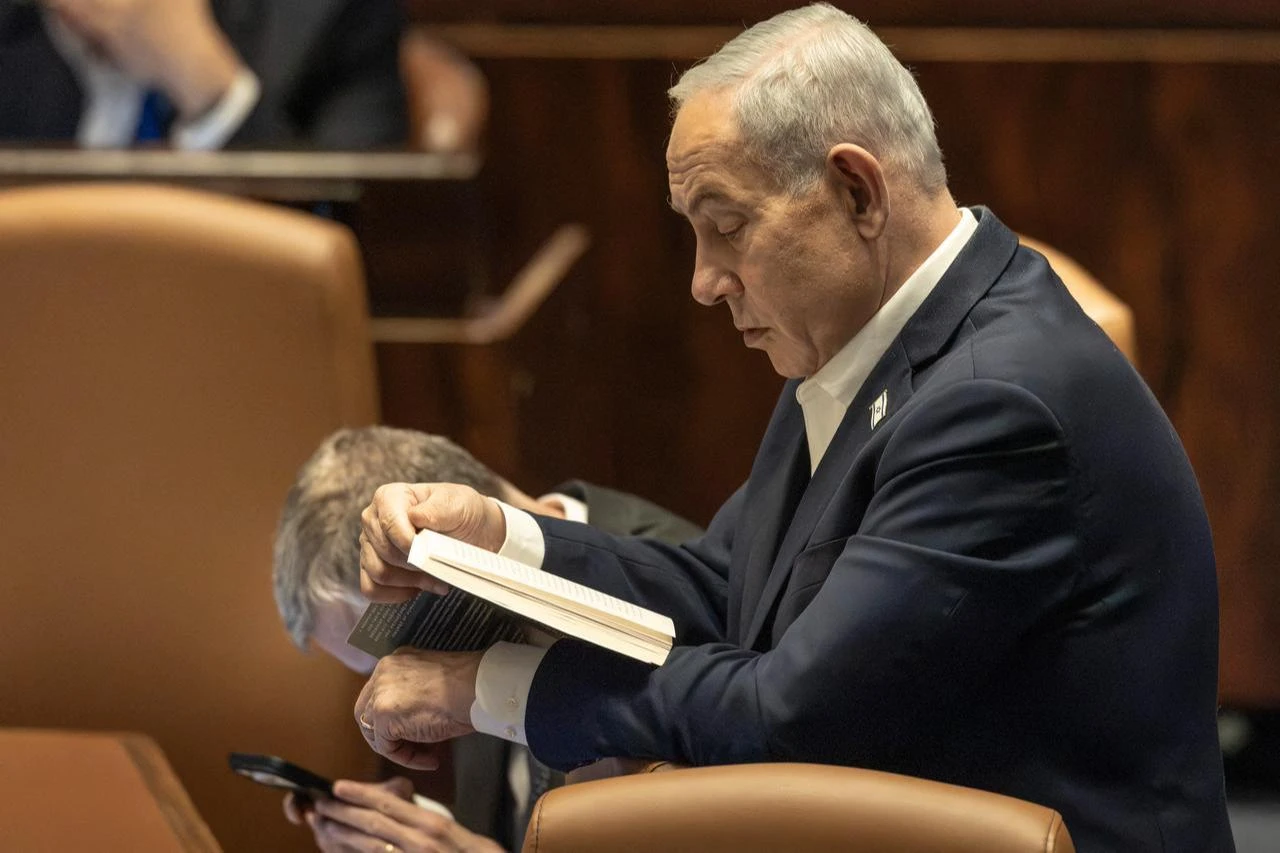
Senators in both parties warned the deal lands at a combustible moment, with the U.S. at war with Iran.
"Everything that happens in Riyadh has a reaction in Tehran," said Sen. Chris Murphy, a Democrat on the Foreign Relations Committee.
"Part of the reason the United States has been reluctant to give this agreement to Saudi Arabia is because we knew it would end up pushing Iran closer to a nuclear weapon, and that remains true today." On X, Murphy said the deal "will set off a nuclear race in the region, further disincentivizing Iran from limiting its own program."
Republican Sen. John Barrasso said he was "very concerned about nuclear proliferation in the Middle East," warning the deal could derail the U.S. push for zero Iranian enrichment, while Sen. John Kennedy said: "I worry about nuclear proliferation in the Middle East, Japan, South Korea."
Others were open to the arrangement.
Sen. Mike Rounds said enrichment to reactor-grade levels would not trouble him: "Somebody needs to do that, and better be us than anybody else."
Victoria Coates, a first-term Trump administration official now at the Heritage Foundation, called the risk "one that can be mitigated."
Secretary of State Marco Rubio dismissed the criticism: "The U.S. is not going to reach any agreement with any country in the world that leads to the risk of proliferation."
The pact does not bar Saudi Arabia from enriching uranium or processing spent fuel, both possible pathways to weapons material, nor does it require the IAEA's Additional Protocol giving inspectors broader access to detect covert activity, Reuters reported.
That falls well short of the 2009 U.S.-UAE agreement, in which Abu Dhabi accepted enhanced inspections and renounced domestic enrichment, the template Washington has used for decades.
"It could open a Pandora's box of Russia and China providing these technologies to others simply because the United States did it first," said Andrea Stricker, a proliferation expert at the Foundation for Defense of Democracies (FDD).
"We could also see other U.S. partners and allies such as Türkiye, Egypt, the UAE, perhaps others like Qatar, Oman, lining up for similar treatment," she said.
Concerns are sharpened by Riyadh's own statements: Crown Prince Mohammed bin Salman told CBS News in 2018 that Saudi Arabia would develop a nuclear weapon if Iran ever built one, and in January 2025 the kingdom said it would enrich uranium to produce and sell fuel.
As a Non-Proliferation Treaty (NPT) signatory, Saudi Arabia has committed not to build a bomb and accepts international inspections.


 Set as preferred source
 Set as preferred source


 2 min read
 1 min read