Newsletters


Two of four Indonesian state-owned tankers caught in the Middle East conflict zone have successfully navigated the Strait of Hormuz, easing concerns about the country's domestic fuel supply as Jakarta moves to reassure the public that energy prices will remain stable.
The vessels PIS Rinjani and PIS Paragon, both operated by PT Pertamina International Shipping (PIS), the shipping arm of Indonesia's state energy giant Pertamina, cleared the strait and exited the conflict area, acting Corporate Secretary Vega Vita confirmed on Tuesday. Two other ships, the Very Large Crude Carrier (VLCC) Pertamina Pride and the cargo vessel Gamsunoro, remain anchored in the Arabian Gulf, waiting for safe passage.
"From four PIS-owned vessels, two ships have moved out of the conflict area, namely the PIS Rinjani and PIS Paragon," Vega said.
The successful transit comes amid an effective shutdown of one of the world's most critical maritime chokepoints. Commercial shipping through the Strait of Hormuz has ground to a near-total halt since late February, when coordinated U.S.-Israeli strikes on Iran triggered retaliatory attacks by Tehran's Revolutionary Guard Corps on vessels attempting to pass through the waterway.
By March 8, international commercial traffic had effectively withdrawn, with only Iranian-flagged vessels recorded transiting the strait.

The VLCC Pertamina Pride, carrying crude oil destined for Indonesia's domestic refining needs, and the Gamsunoro, a cargo ship serving third-party export-import operations, are both reported to be in safe condition but unable to proceed. The company said the two vessels are waiting for the security situation to improve before attempting the crossing.
PIS said it has established around-the-clock communication with maritime authorities and relevant agencies to monitor the situation. "We are maintaining close coordination with maritime authorities and local officials to ensure the safety and security of all crew members and the cargo they carry," Vega said.
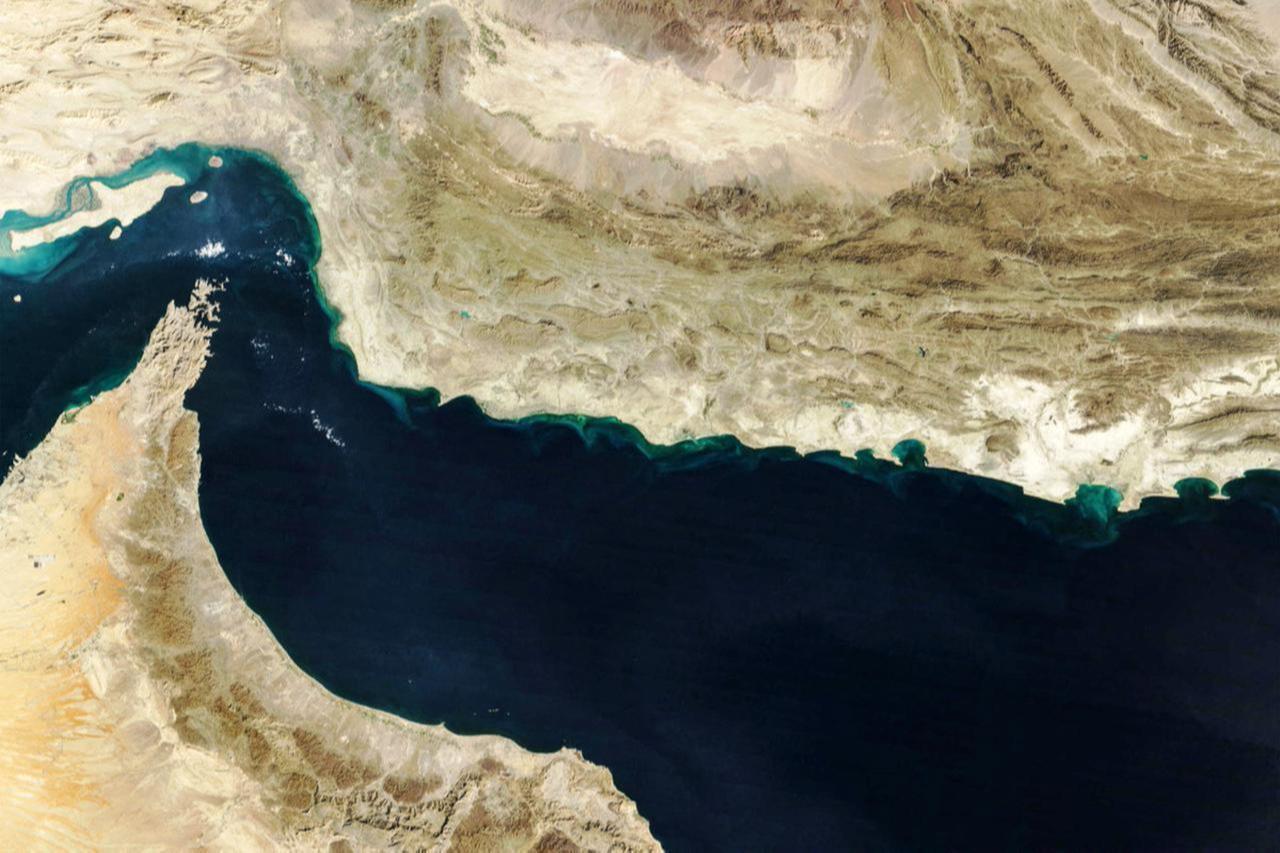
The strait, situated between Iran and Oman, is among the world's most strategically vital waterways. Roughly 20 million barrels of oil transited through the passage daily in 2024, according to the U.S. Energy Information Administration, accounting for approximately a fifth of global petroleum consumption.
Before the conflict, the strait was averaging more than 153 vessel transits per day, but since March 1, that figure has plunged to a daily average of just 13, according to vessel-tracking data analyzed by the Center for Strategic and International Studies.
Despite two of its vessels being stranded, Jakarta struck a confident tone about domestic energy security.
Vega said the safe passage of PIS Rinjani and PIS Paragon meant Indonesia's oil distribution remained stable, professional, and well-managed. She pointed to the broader Pertamina Group fleet as a buffer.
"The energy supply chain and distribution remain solid, supported by at least 345 vessels under the management of other Pertamina Group entities," she said.
PIS is a major player in Southeast Asian maritime logistics. As of 2024, the company owned 102 tankers and successfully transported a total of 161 billion liters of fuel and LPG over the course of that year. The company has ambitions to grow its total fleet to 500 vessels by 2034.
In a separate statement, Aries Marsudiyanto, head of the Development Control and Special Investigation Agency, said there would be no increase in subsidized fuel prices, nor in national health insurance contributions, despite the escalation in the Middle East.
Aries pointed to earlier assurances from Energy Minister Bahlil Lahadalia that fuel prices would hold steady. "No, it was already conveyed by Mr. Bahlil. There will be no fuel price increase. Hopefully the war ends soon," he said.
He added that President Prabowo Subianto had prepared contingency plans to cushion the impact of the Middle East conflict on Indonesia's energy, fuel, and food sectors. "The principle is that everything is secure, food, fuel, energy. Our economic fundamentals are strong, Indonesia is strong. No need to worry about that," Aries said.
The broader global shipping industry has been scrambling to respond to the crisis, with major carriers including Maersk, Hapag-Lloyd, CMA CGM, and MSC all suspending vessel transits through the Strait of Hormuz and rerouting ships around the southern tip of Africa. Analysts warn that the longer the conflict persists, the more damage it will inflict on global supply chains beyond oil, affecting sectors from fertilizer and aluminum to petrochemicals and textiles.


 Set as preferred source
 Set as preferred source


 2 min read


 1 min read