Newsletters


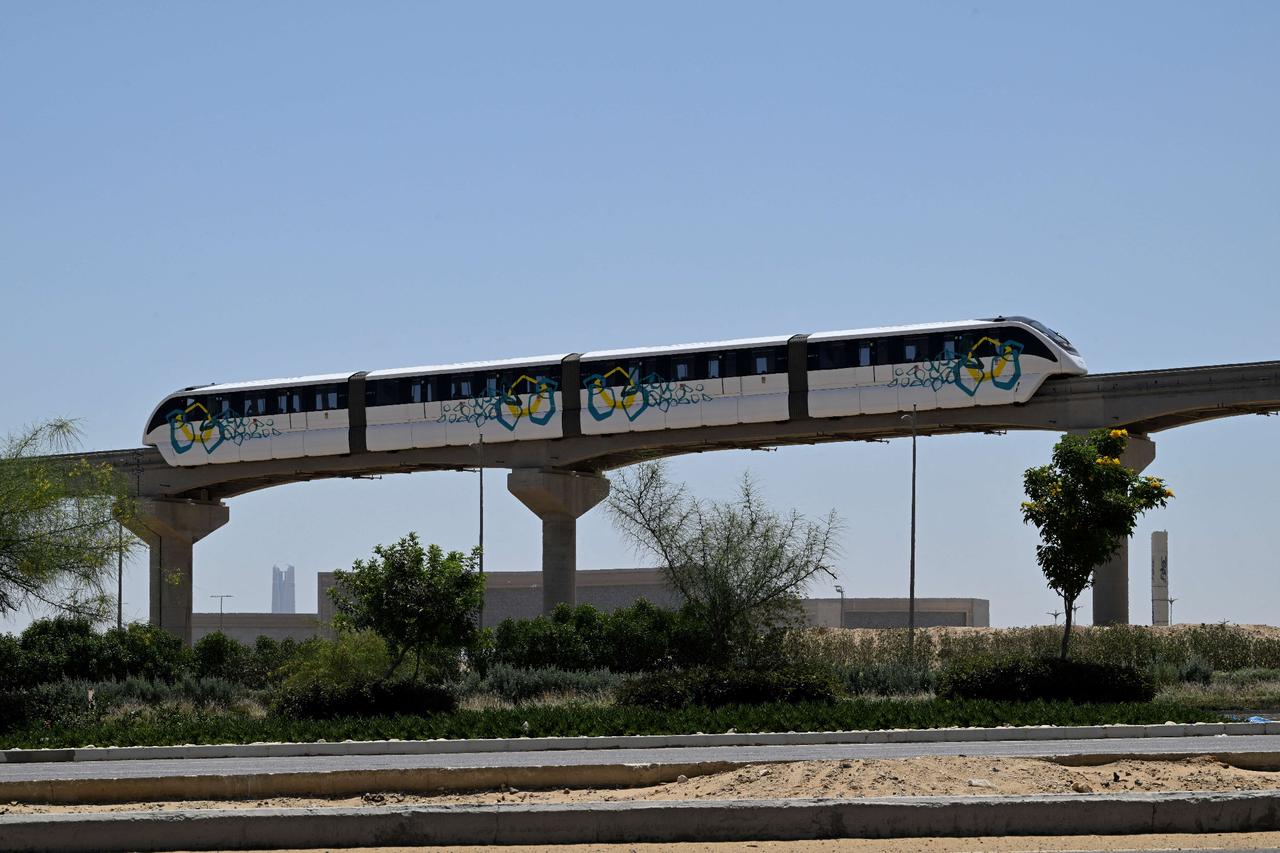


Cairo's newly opened $4.5 billion monorail towers above the city's chaotic traffic and aging buses, representing a major milestone in Egypt's massive infrastructure drive.
The 56-kilometer eastern line connects the busy Nasr City district to the country's new $58-billion desert capital, with a second 43-kilometer western line currently under construction toward the 6th of October City.
While the government maintains that this high-tech transit system will reduce traffic congestion, lower fuel consumption, and draw in foreign investment, critics argue that the debt-funded project has drained state finances while offering very little practical benefit to the majority of Egypt's 109 million citizens.
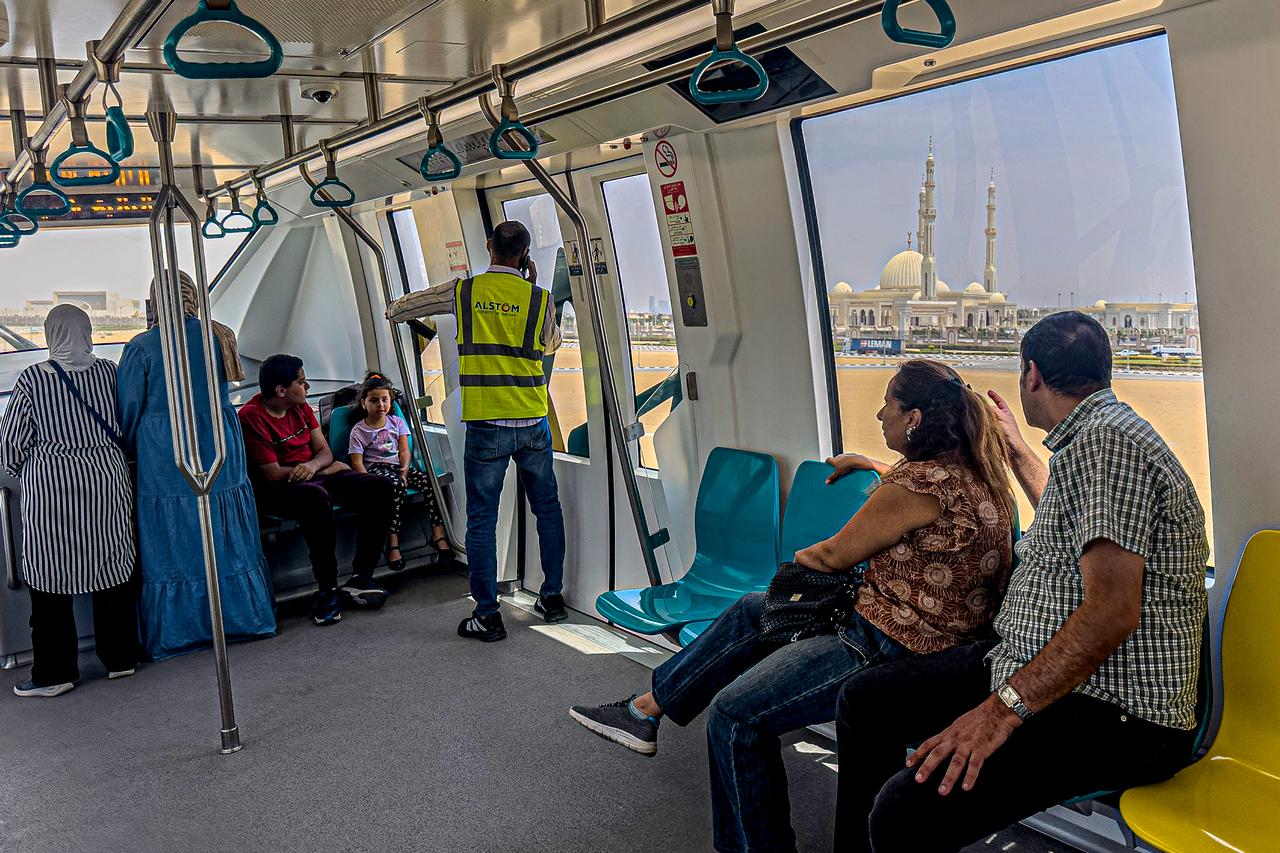

Even at 45,000 passengers an hour, critics say it will serve only a fraction of Greater Cairo's 26 million residents, most of whom still rely on buses, microbuses and the metro.
Basma Hosny, 41, acknowledged the monorail's speed and cleanliness, but she said that it didn't serve her needs.
Osama Okeil, a transport engineering professor at Ain Shams University, told AFP that transit infrastructure must be built where people currently live, rather than placing it in empty deserts and assuming riders will appear.
He said investment should have focused on overstretched systems, particularly Egypt's railways and buses, warning that projects like the monorail, which rely on expensive imported technology, "can become a burden."
"Modern transport is about serving the largest number of people at the cheapest cost," Okeil said.
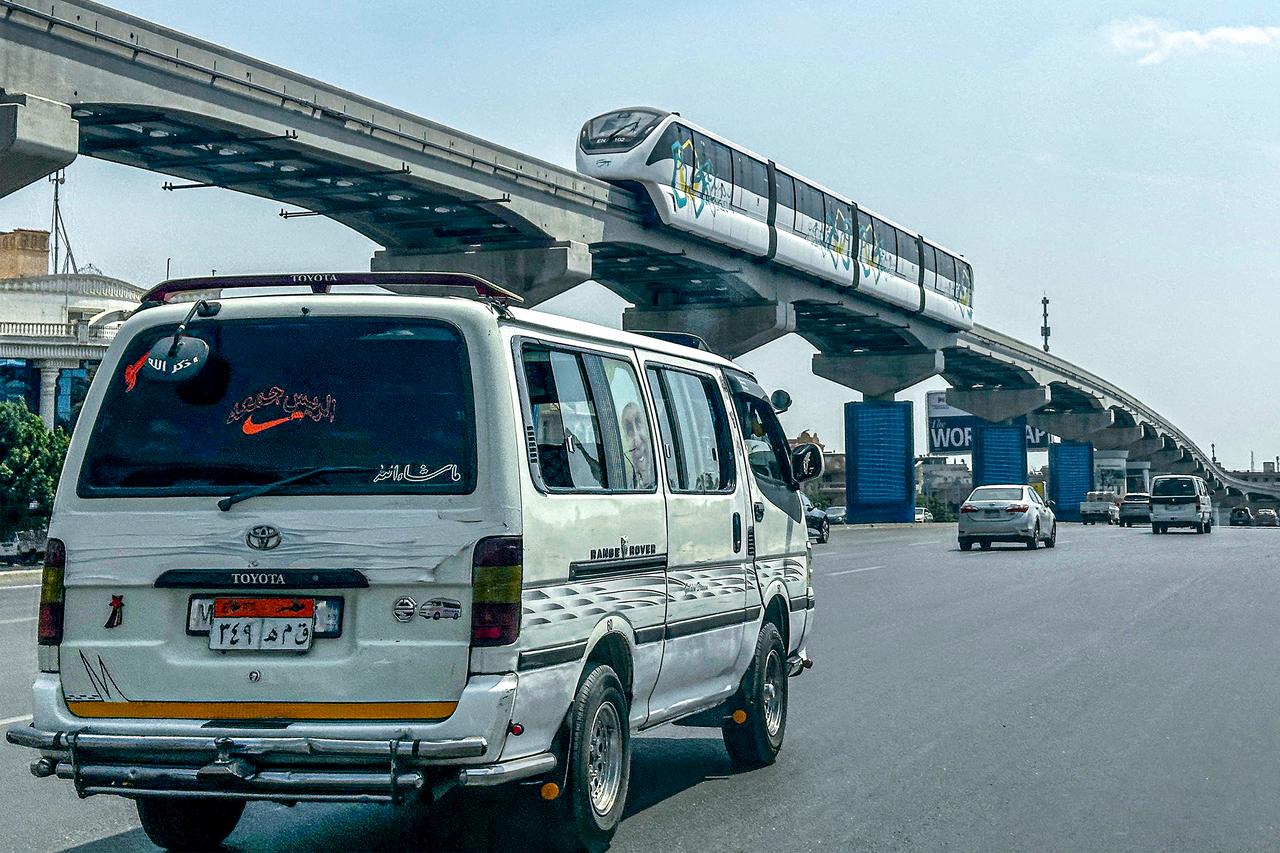
For Sayed, the monorail offers an easier, if costlier, commute to his job in New Cairo, where gated compounds, universities and office parks have spread over the past decade.
"Before, I had to take two microbuses," he said. "They were crowded and uncomfortable and sometimes they didn't even run on weekends. But here, it's not busy and the timings are fixed."
Tickets range from 20 to 80 Egyptian pounds ($0.38 to $1.53), around half a day's pay for many laborers. The trains run from 6:00 am to 6:00 pm.
Khaled Nazeer, 22, who works at a cafeteria in the new capital, said he now pays "just 30 pounds" for his daily commute, instead of "70 or 80 pounds" for the microbuses.
Egypt’s New Administrative Capital stands as a massive, modern megaproject filled with glass skyscrapers and upscale housing, yet it remains largely a ghost town where only 25,000 people actually live.
Instead of a bustling metropolis, it functions primarily as a daytime destination for roughly 50,000 civil servants who must commute from Cairo every day just to staff government offices.
Riding the monorail out into the desert highlights this stark contrast, as Cairo’s densely packed neighborhoods abruptly give way to sweeping, empty boulevards and active construction sites.
While citizens find the emerging skyline impressive and organized on television, visiting it in person reveals a deeper social disconnect, leaving regular working-class Egyptians feeling that this expensive new city was not built for them.


 Set as preferred source
 Set as preferred source



 2 min read