Newsletters


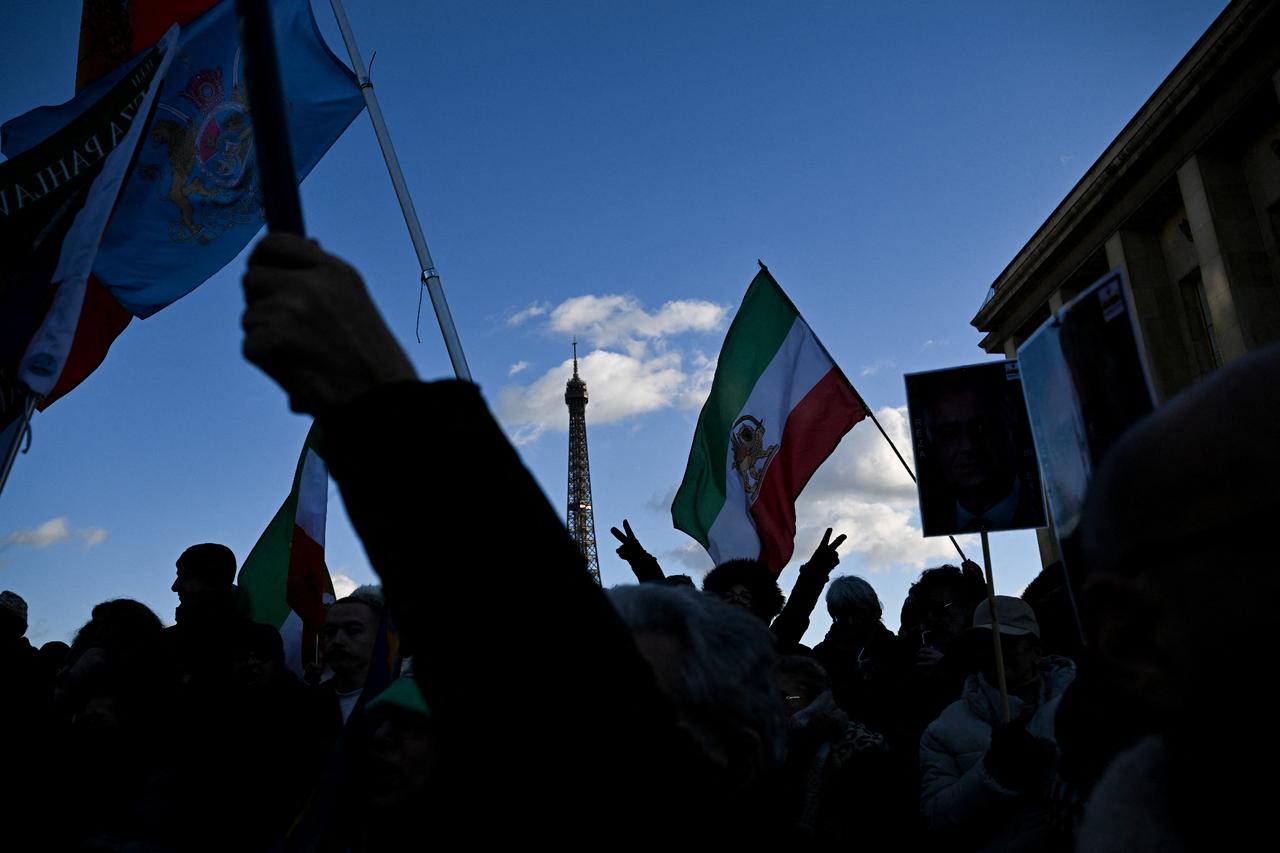


Iran’s army chief warned Wednesday that Tehran would not stand by in the face of what he described as escalating threats from outside powers, following expressions of support by the United States and Israel for anti-government protests.
“The Islamic Republic of Iran considers the escalation of hostile rhetoric against the Iranian nation a threat and will not tolerate its continuation without responding,” Gen. Amir Hatami said, according to the Fars news agency.
Hatami, who commands Iran’s army but is not the country’s most senior military officer, warned that “if the enemy makes a mistake,” Iran’s response would be stronger than during last June’s 12-day war with Israel.
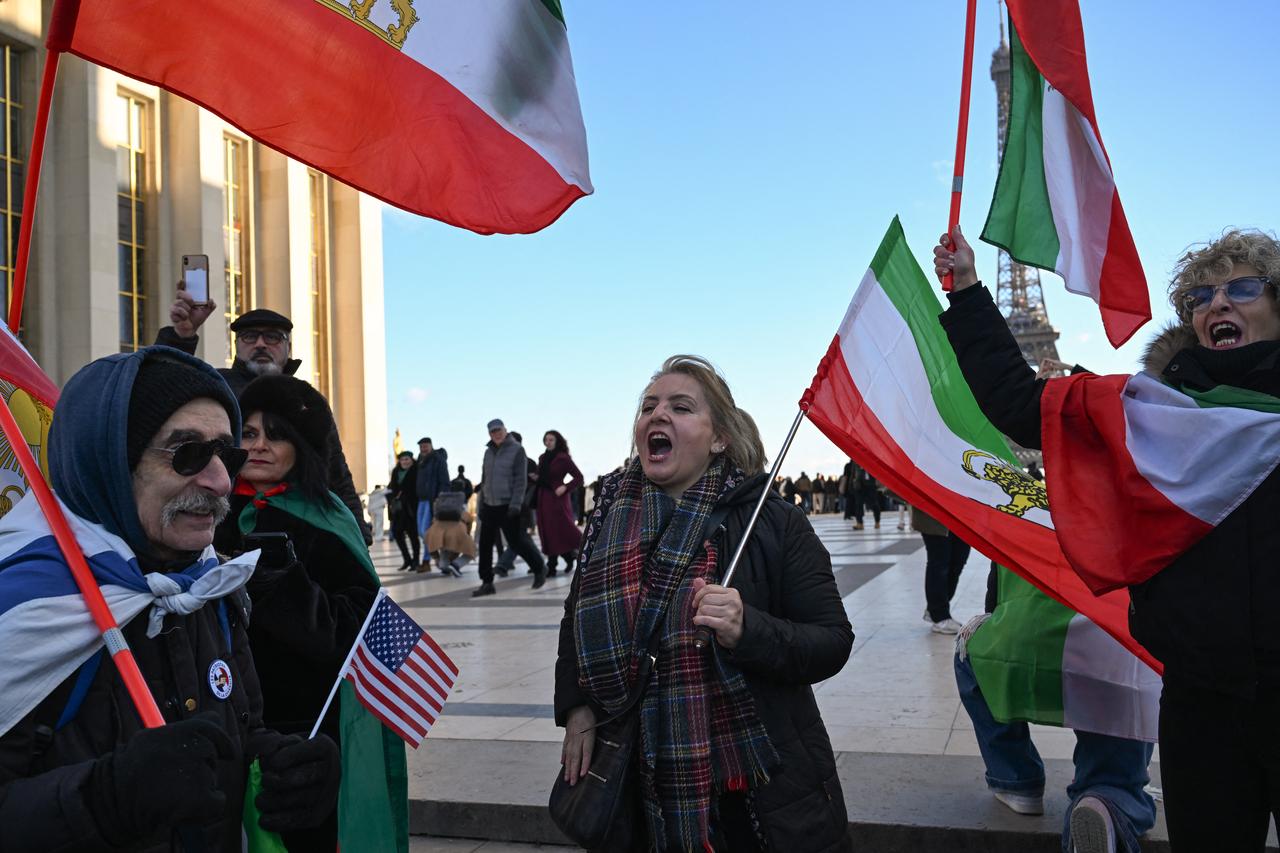

Hatami’s remarks came after comments by U.S. President Donald Trump and Israeli Prime Minister Benjamin Netanyahu backing demonstrations in Iran.
Trump said Sunday that Washington was closely monitoring the protests and warned of potential consequences if protesters were killed.
“We’re watching it very closely. If they start killing people as they have in the past, I think they’re going to get hit very hard by the United States,” Trump told reporters.
Netanyahu said Israel “stands in solidarity with the struggle of the Iranian people and with their aspirations for freedom, liberty and justice.”
On Monday, Iran’s Foreign Ministry accused Trump and Netanyahu of inciting violence and attempting to undermine Iran’s national unity.
The unrest began on Dec. 28, when merchants in Tehran protested soaring prices and the sharp depreciation of the rial.
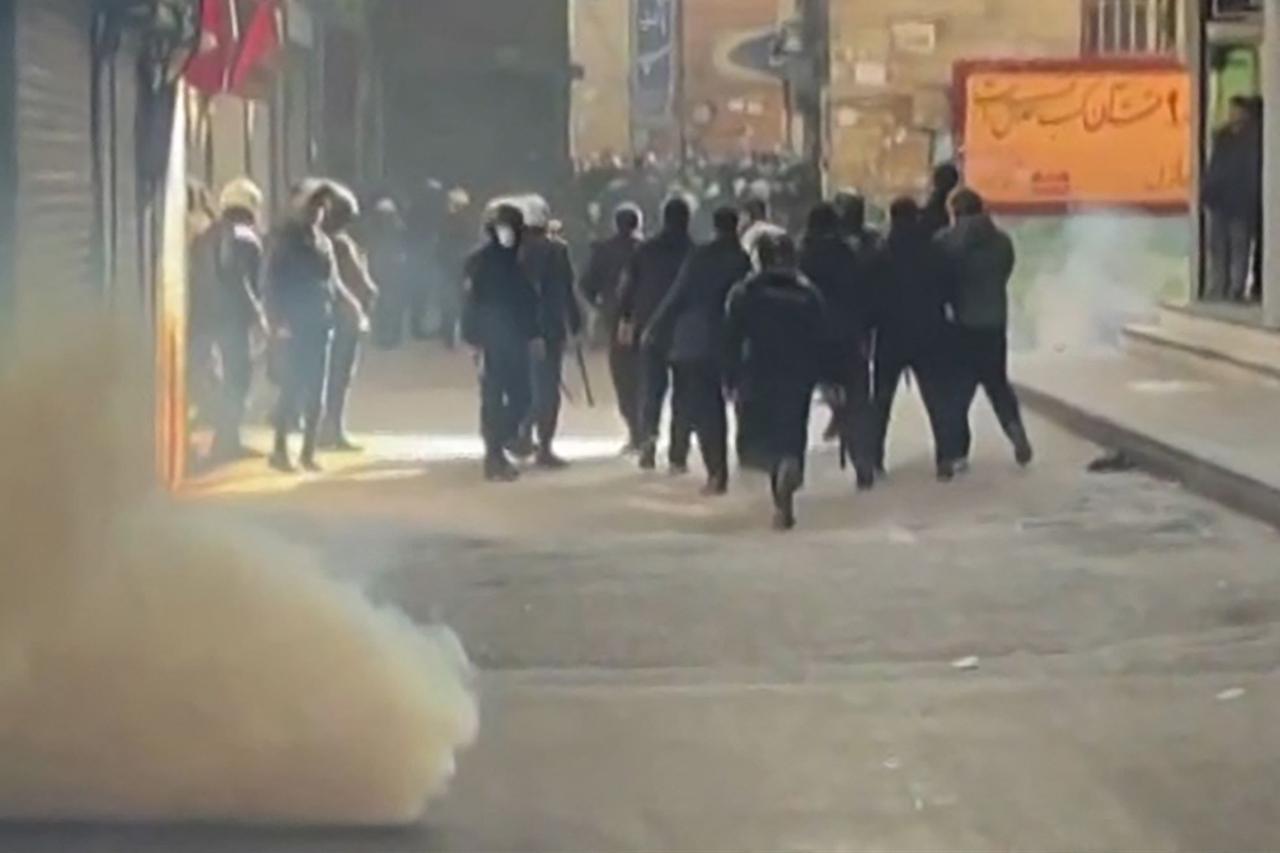
Demonstrations later spread to several cities, with reports of deadly clashes in some areas.
While the protests have drawn international attention, they have not reached the scale of the nationwide demonstrations that swept Iran in 2022–2023, nor the mass protests following disputed presidential elections in 2009.
The latest warnings come months after a brief but intense conflict in June, which began with an Israeli strike on Iranian military and nuclear facilities.
The United States briefly joined the campaign, launching attacks on three major Iranian nuclear sites before the fighting ended.


 Set as preferred source
 Set as preferred source


 1 min read
 1 min read