Newsletters


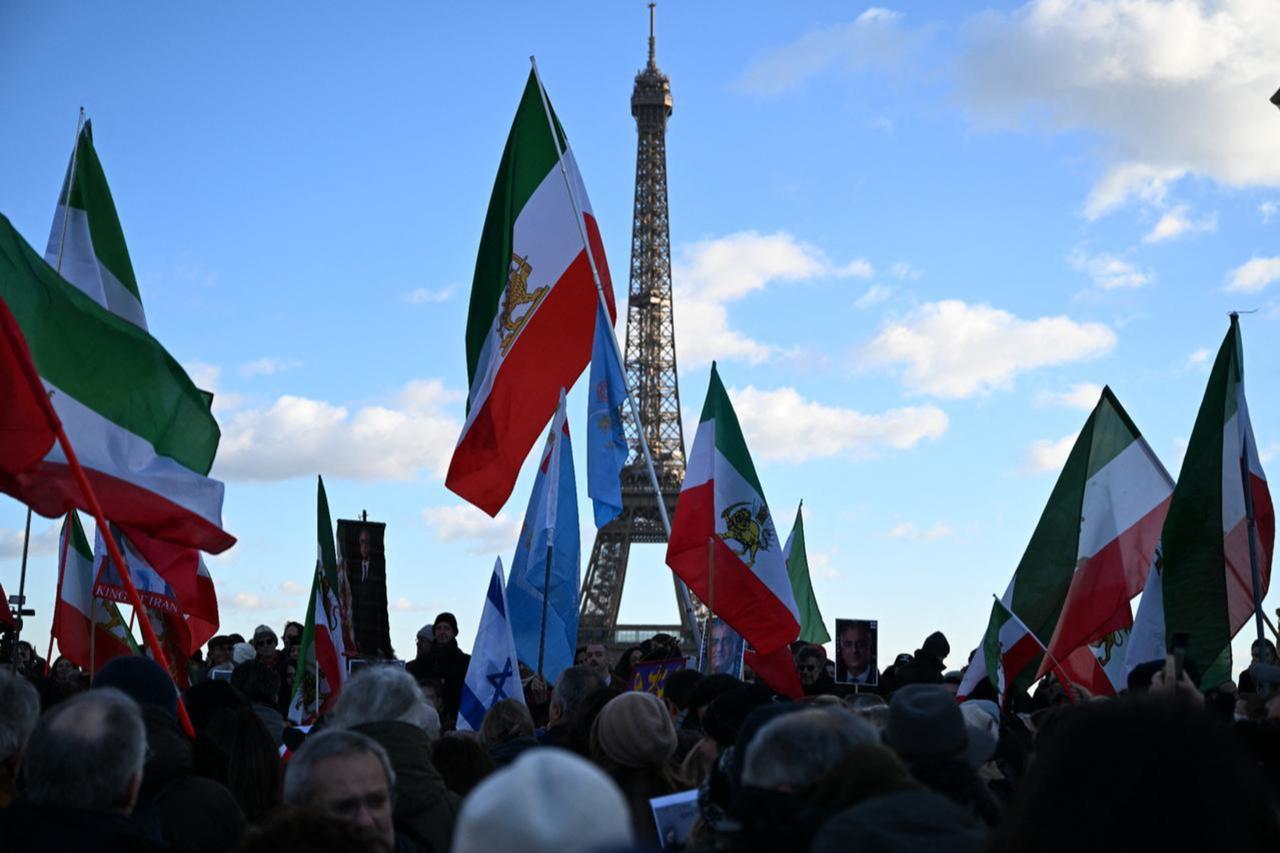


A collapse in Iran's currency in late December 2025 has sparked ongoing nationwide demonstrations that represent the most significant challenge to the regime since the 2022 Mahsa Amini protests.
Yet, as the Islamic Republic teeters, a dangerous narrative is being pushed by Israeli officials and right-wing pundits in the West: the return of the Pahlavi monarchy.
We are witnessing what can only be described as a "deepfake revolution." In recent years, Pahlavi backers have utilized AI, sophisticated digital manipulation, and disinformation to hijack the genuine slogans of the Iranian people.
By altering footage from the streets of Iran to include monarchist chants that were never uttered, they attempt to prop up exiled Crown Prince Reza Pahlavi as the sole alternative to clerical rule. This is more than a marketing ploy; it is a PSYOP (Psychological Operation) and strategic deception that threatens to derail the struggle for true Iranian self-determination.
However, the idea that the current Islamist system can be replaced by a secular monarchist dictatorship—one originally brought to power by foreign-backed coups—is not only a moral failure but also a strategic impossibility. It ignores the fundamental reality that the rejection of the current regime, while nearly pervasive, does not equate to a desire to return to the monarchy.
Recent surveys indicate that while over 80% of Iranians oppose the continuation of the Islamic Republic, the data also reveal a deep fissure that a Pahlavi restoration would only widen.
Nowhere is this divide more evident than in the ethnic periphery. For the one-third of the population that identifies as Azerbaijani (or South Azerbaijani), the Pahlavi name is synonymous with "Persian chauvinism," forced assimilation, and the suppression of minority rights.
Historically, the monarchy oversaw a centralized state that marginalized the diverse ethnic identities making up the Iranian mosaic.
Currently, the Azerbaijani people have remained largely silent during recent unrest. This is not out of support for the clerics, but out of a legitimate fear of a perceived psychological and covert operation designed by external factors to return them to Pahlavi-era subjugation. This silence of Azerbaijanis and other ethnic minorities is the regime's greatest shield.
Without the active participation of the Azerbaijani people, no seismic change in Iran is possible. History tells us that for the state to truly tremble, Tabriz (the capital of South Azerbaijan) must march with Tehran (the heart of Persia).
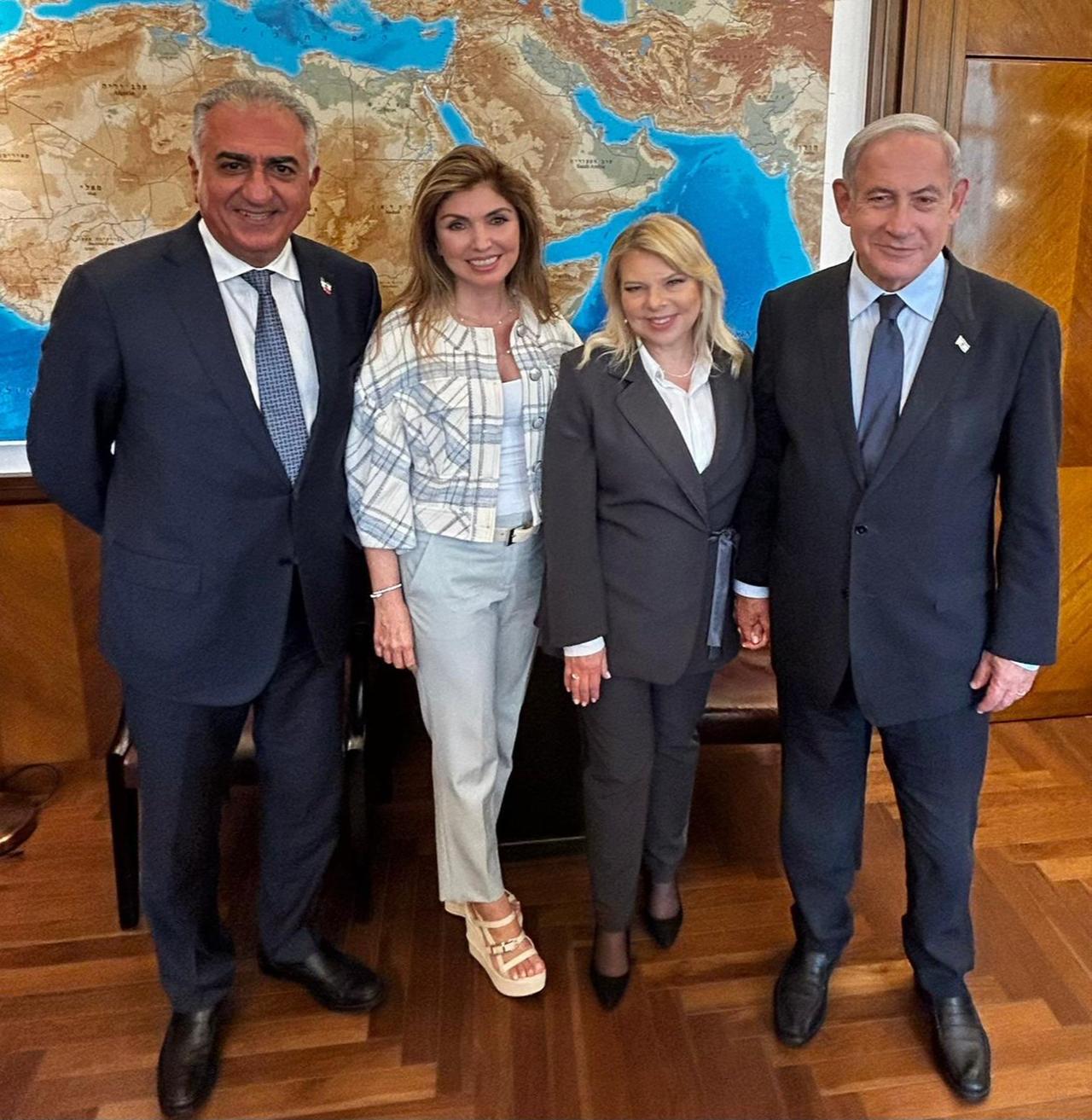

Furthermore, the moral authority of the exiled opposition has been compromised by its reliance on foreign backing. Figures like Reza Pahlavi are increasingly perceived as tools of foreign intelligence agencies—particularly after endorsing external military intervention during the 2024 and 2025 airstrikes. Nationalistic pride remains a potent force; when foreign bombs fall, even the most ardent dissidents may "rally round the flag" against perceived external aggression.
The struggle is further complicated by the 'support' of far-right politicians in the West. It is not helpful when figures like Donald Trump, Geert Wilders, Nigel Farage, Itamar Ben-Gvir, Elon Musk, Charlie Kirk, and Tommy Robinson claim to be on the side of the Iranian people and vocalize support for Iranian "freedom."
Rather, it provides an excuse to the regime, as these figures often promote racist policies in their own countries, such as advocating for mass deportations of people of color to make their nations 'white' again.
Senior regime officials—including Supreme Leader Ali Khamenei, Ali Larijani and Ali Shamkhani—have used these statements by anti-Muslim figures to portray legitimate protests as foreign, far-right-fueled sabotage.
They argue that these external forces do not care about the plight of Iranians or other non-white nations, but rather their own geopolitical interests.
True change cannot be imposed from outside; it must be democratic, inclusive, and homegrown.
Donald Trump has a documented pattern of praising authoritarian leaders and 'strongmen' in the Middle East. Yet, the suggestion that Iranians are incapable of democracy or 'deserve' a strongman and a medieval monarch is a relic of colonial thinking.
What Iran needs is a secular, pluralistic, and multiparty system that respects the rights of all, including women, Sunnis, Jews, and ethnic minorities such as South Azerbaijanis, Kurds, Baluchis and Arabs.
Contrary to the narratives often promoted in certain Israeli and American right-wing political circles, Reza Pahlavi does not represent a viable solution; rather, he is part of the problem.
The path forward depends on the formation of a unified opposition front that bridges the gap between the Persian heartland and the ethnic periphery.
True transformation must be a grassroots-driven movement, led by the resilient citizens in Tabriz and Tehran who endure the regime’s daily oppression.
The Islamic Republic is an illegitimate, brutal regime that must go to the dustbin of history, where it belongs; however, it cannot be replaced by a foreign-backed authoritarian regime. Iran's future must belong to its people—all of them.


 Set as preferred source
 Set as preferred source


 7 min read