Newsletters


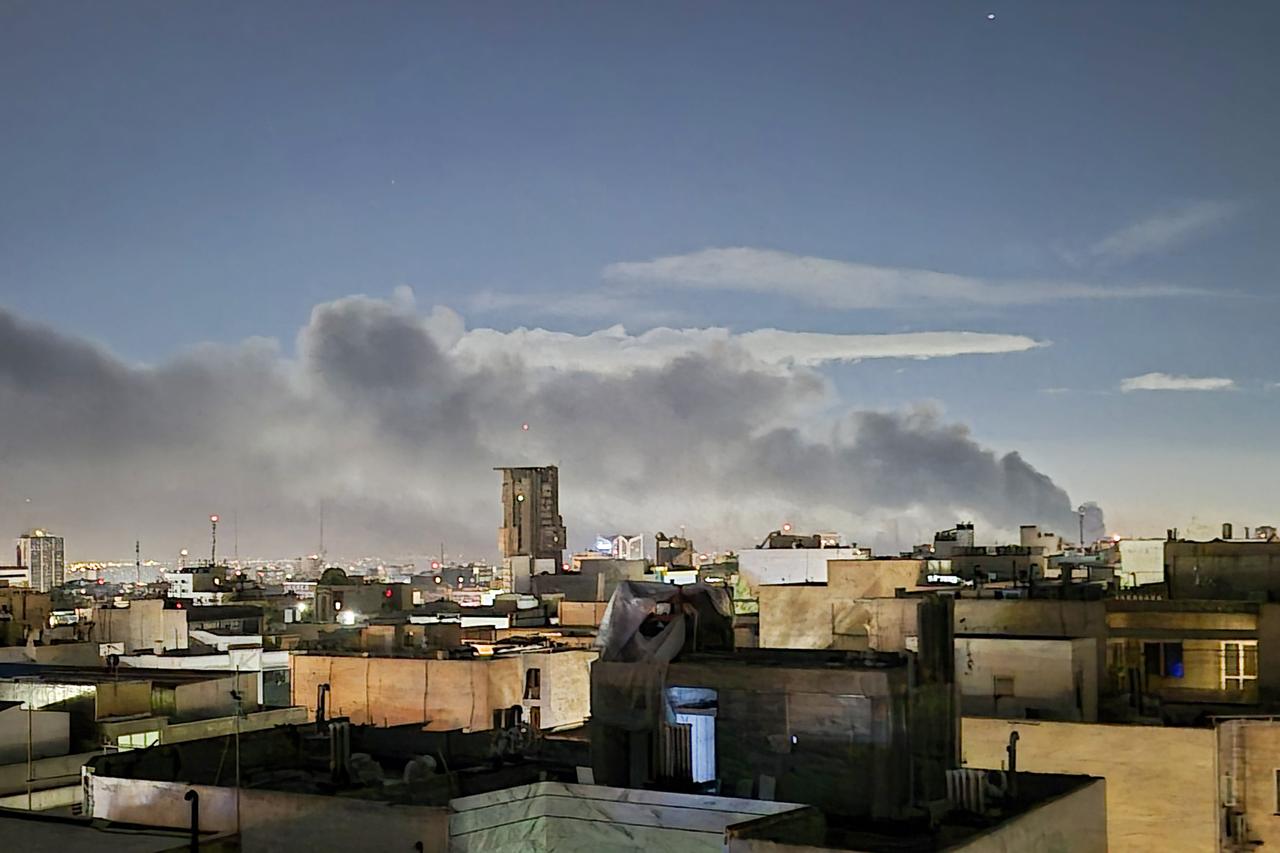


Iran has put an initial $270 billion price tag on the damage caused by recent U.S. and Israeli strikes, as Tehran intensifies its call for war reparations in diplomatic engagements.
Government spokesperson Fatemeh Mohajerani outlined the estimate in remarks to Russian media RIA Novosti, describing it as a preliminary and "very crude" calculation based on early assessments of widespread destruction.
The figure reflects an initial evaluation conducted by Iranian institutions examining damage across multiple sectors. Authorities are now moving through a multi-stage process to refine the total, Mohajerani noted, with further breakdowns expected.
The first phase focuses on physical destruction to infrastructure, including civilian buildings, businesses and industrial sites. A second stage will examine indirect economic losses, such as reduced budget revenues and disruptions caused by halted industrial activity. More precise figures will be disclosed once the full assessment is completed, she added.
Mohajerani also signaled that compensation claims will extend beyond material damage. The scope includes civilian casualties, with the death toll exceeding 3,000, such as schoolgirls killed in an attack in Minab, alongside destroyed homes, factories and commercial properties.
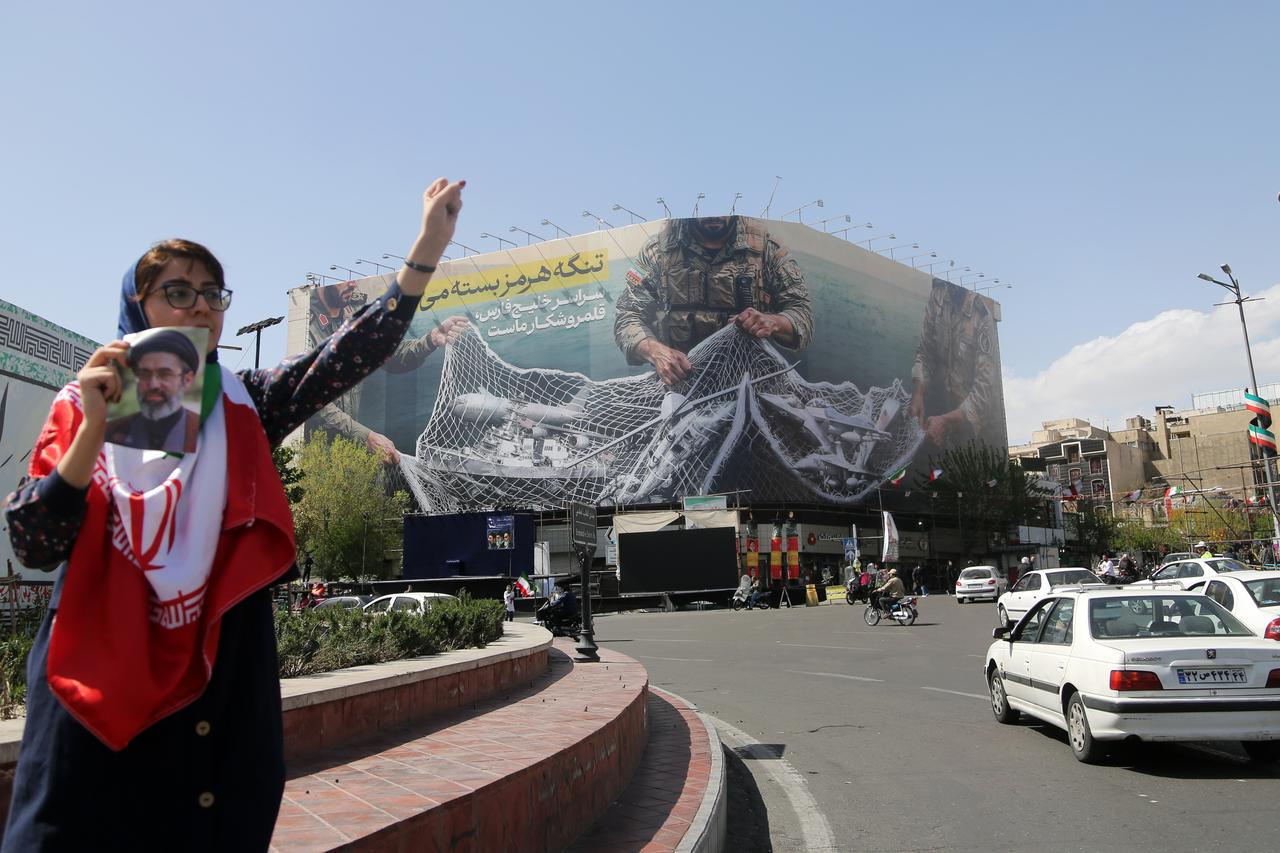

The issue of reparations has been positioned as a central demand in diplomatic channels. Iranian negotiators raised the matter during talks in Islamabad, while President Masoud Pezeshkian has repeatedly highlighted the need for full compensation in various public forums.
Tehran earlier confirmed that compensation for damages was among 10 key conditions presented during ceasefire-related discussions with Washington.
After weeks of escalation, a U.S.-Israel alliance launched a large-scale military operation on Feb. 28, prompting Iran to carry out retaliatory strikes, including attacks on U.S. bases in the Persian Gulf.
A temporary two-week ceasefire took effect on April 8. However, follow-up talks held on April 11 failed to yield an agreement, leaving core disputes unresolved.
Iran’s leadership maintains that while it does not seek war, it will continue to pursue what it calls its "legitimate rights," including financial compensation for losses incurred during the conflict.


 Set as preferred source
 Set as preferred source


 1 min read
 1 min read