Newsletters


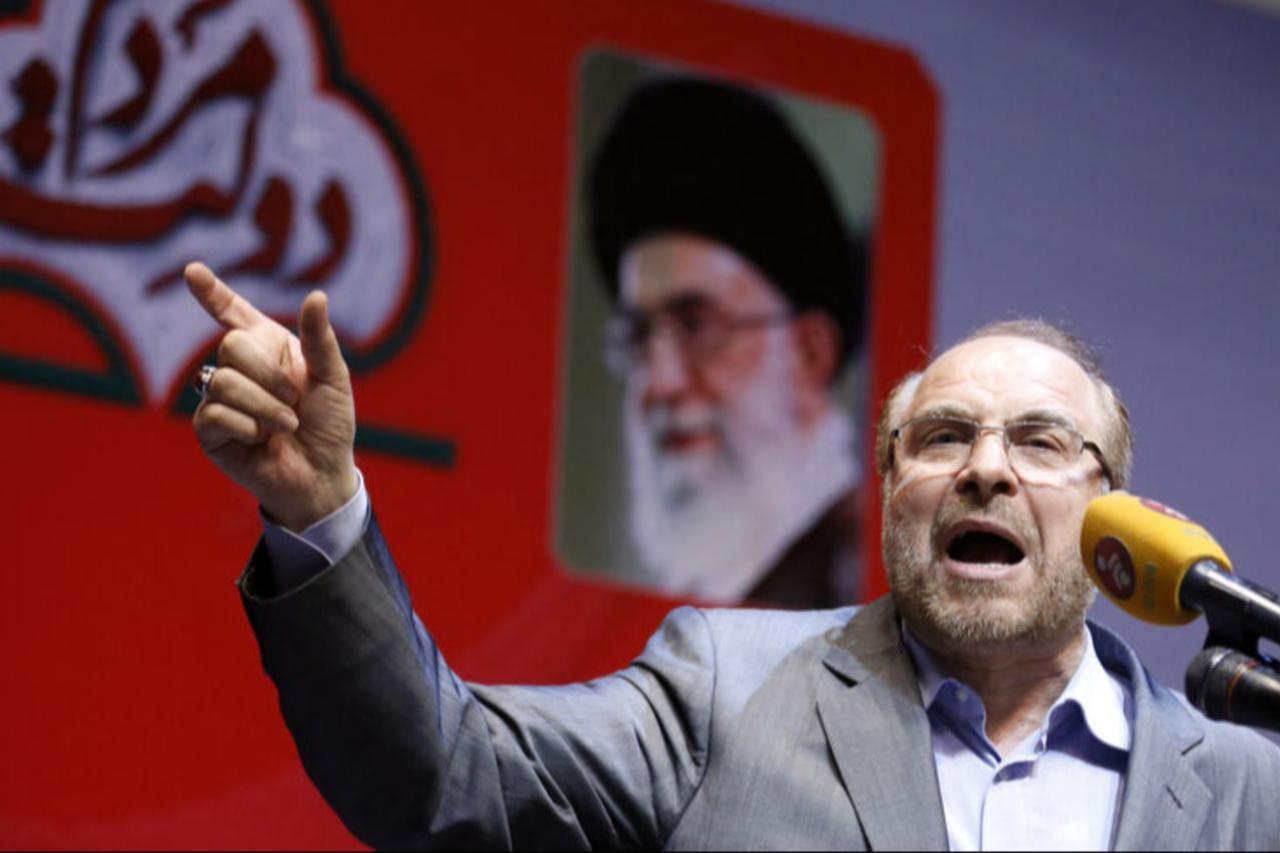


Iran's parliament speaker Mohammad Bagher Ghalibaf declared Wednesday that a bilateral ceasefire and nuclear negotiations with the United States had become "unreasonable," citing three violations of Tehran's agreed framework before talks had even begun, casting serious doubt over the Pakistan-brokered process just as Israel launched its most devastating wave of strikes on Lebanon since March, killing hundreds of civilians and triggering urgent international calls for Lebanon's inclusion in the truce.
In a statement posted to his official social media account, Ghalibaf charged that Washington's pattern of violating commitments had repeated itself, identifying three specific breaches of Iran's 10-point proposal, the same plan President Trump had publicly described on Truth Social as "a workable basis on which to negotiate."
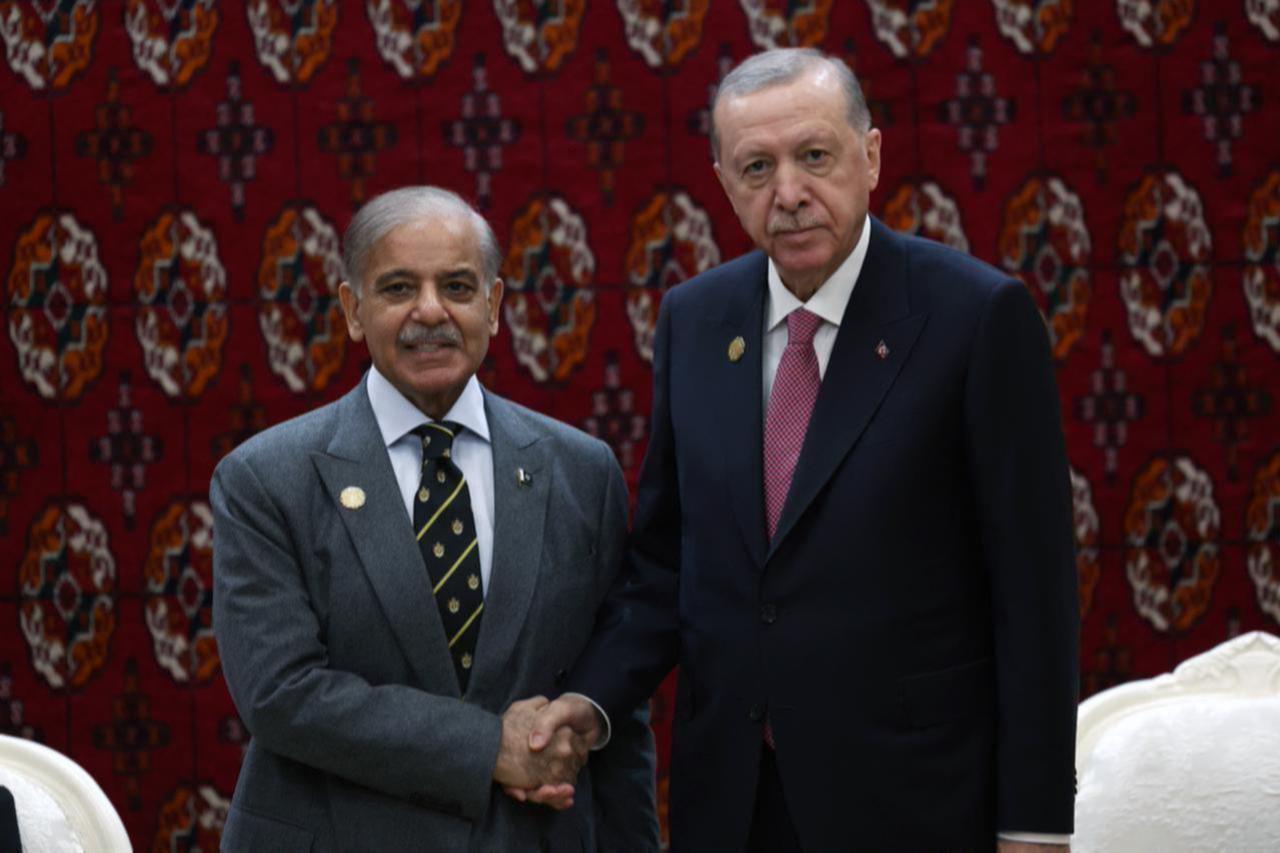
The first violation, he said, was Israel's continued assault on Lebanon, in defiance of what Pakistani Prime Minister Shehbaz Sharif had explicitly declared would be "an immediate ceasefire everywhere, including Lebanon and other regions, effective immediately."
The second was the entry of a drone into Iranian airspace, destroyed over the city of Lar in Fars Province, in breach of a clause prohibiting further airspace violations. The third was a denial of Iran's right to enrichment, a provision Ghalibaf said was explicitly included in the framework's sixth clause.
"The very 'workable basis on which to negotiate' has been openly and clearly violated, even before the negotiations began," he wrote, concluding that proceeding with negotiations or a bilateral ceasefire under such conditions was untenable.
Hours after the US-Iran truce was announced, Israel launched what it called Operation Eternal Darkness, striking more than 100 targets across Lebanon within ten minutes in what the Israeli military described as its largest coordinated wave of strikes since its renewed campaign began on March 2.
The assault hit densely populated commercial and residential neighborhoods across central Beirut without warning during rush hour, with additional strikes in the Bekaa Valley and southern Lebanon. Lebanon's health ministry reported more than 250 people killed and over 800 wounded nationwide.
Lebanon's Minister of Social Affairs, Haneed Sayed, called it "a very dangerous turning point," telling the Associated Press that the strikes were "now at the heart of Beirut," where half of the country's internally displaced population had been sheltering.
Trump dismissed the Israeli campaign in Lebanon as "a separate skirmish," while White House press secretary Karoline Leavitt said Lebanon "is not part of the ceasefire that has been relayed to all parties involved." The position directly contradicted Sharif, who had said the agreement covered all fronts.
A senior US official told Axios that Netanyahu had raised Lebanon in a phone call with Trump shortly before the ceasefire announcement, and that both leaders agreed fighting there could continue.
Iran's Foreign Minister Abbas Araghchi fired back, demanding Washington choose between the ceasefire and "continued war via Israel," warning it could not have both. Tehran threatened to withdraw from the deal entirely if Israeli strikes on Lebanon continued.
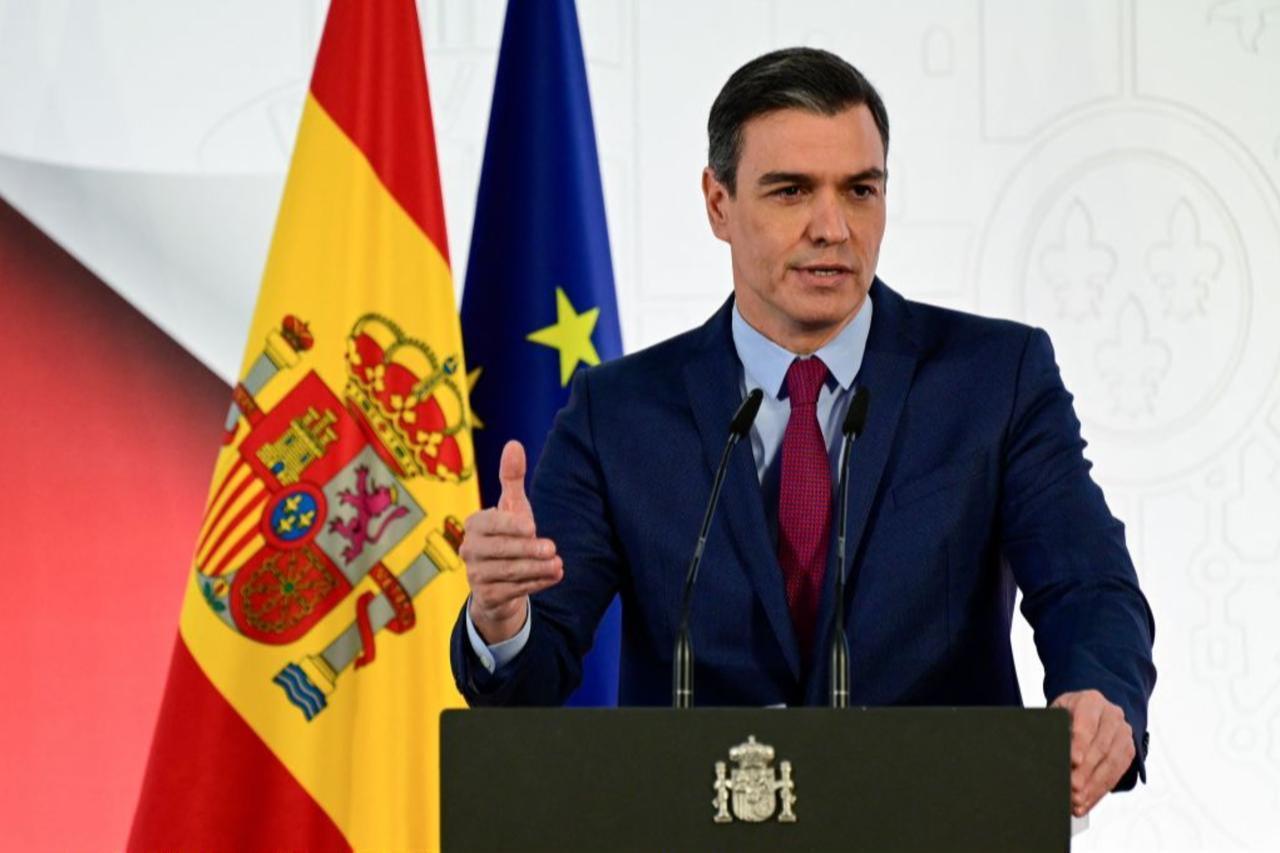

The assault drew immediate and forceful condemnation from European and American voices alike. Spanish Prime Minister Pedro Sanchez said Netanyahu had launched his "harshest attack" on Lebanon since the offensive began, calling Israel's conduct intolerable.
He called on the European Union to suspend its Association Agreement with Israel, demanded that Lebanon be explicitly included in any ceasefire, and said there must be no impunity for what he described as "criminal acts" in violation of international law.
US Representative Don Beyer was equally direct, calling on Washington to make clear to Israel that the ceasefire "is not and cannot be functional without a ceasefire in Lebanon," and warning that bombing downtown Beirut was "not a path to peace."
 1 min read
Pakistan had positioned itself as the indispensable broker of the US-Iran framework, with Sharif offering Islamabad as a venue for direct talks and personally vouching that the agreement extended to all fronts including Lebanon. That credibility is now under strain. Egypt, which also helped mediate the truce, accused Israel of a "premeditated" effort to undermine it.
Lebanon's presidency condemned what it called "barbaric attacks," saying Israel was committing "a new massacre in blatant defiance of all humanitarian values." With Iran threatening withdrawal, Hezbollah reserving the right to respond, and the scope of the ceasefire itself in open dispute between Washington, Tel Aviv, and Islamabad, the diplomatic framework assembled over weeks appeared, by Wednesday evening, to be fraying at its foundation.
More than 1.2 million people have been displaced in Lebanon since Israel launched its new military campaign, with the overall death toll surpassing 1,530 before Wednesday's assault added hundreds more.


 Set as preferred source
 Set as preferred source


 1 min read