Sign in
 Newsletters


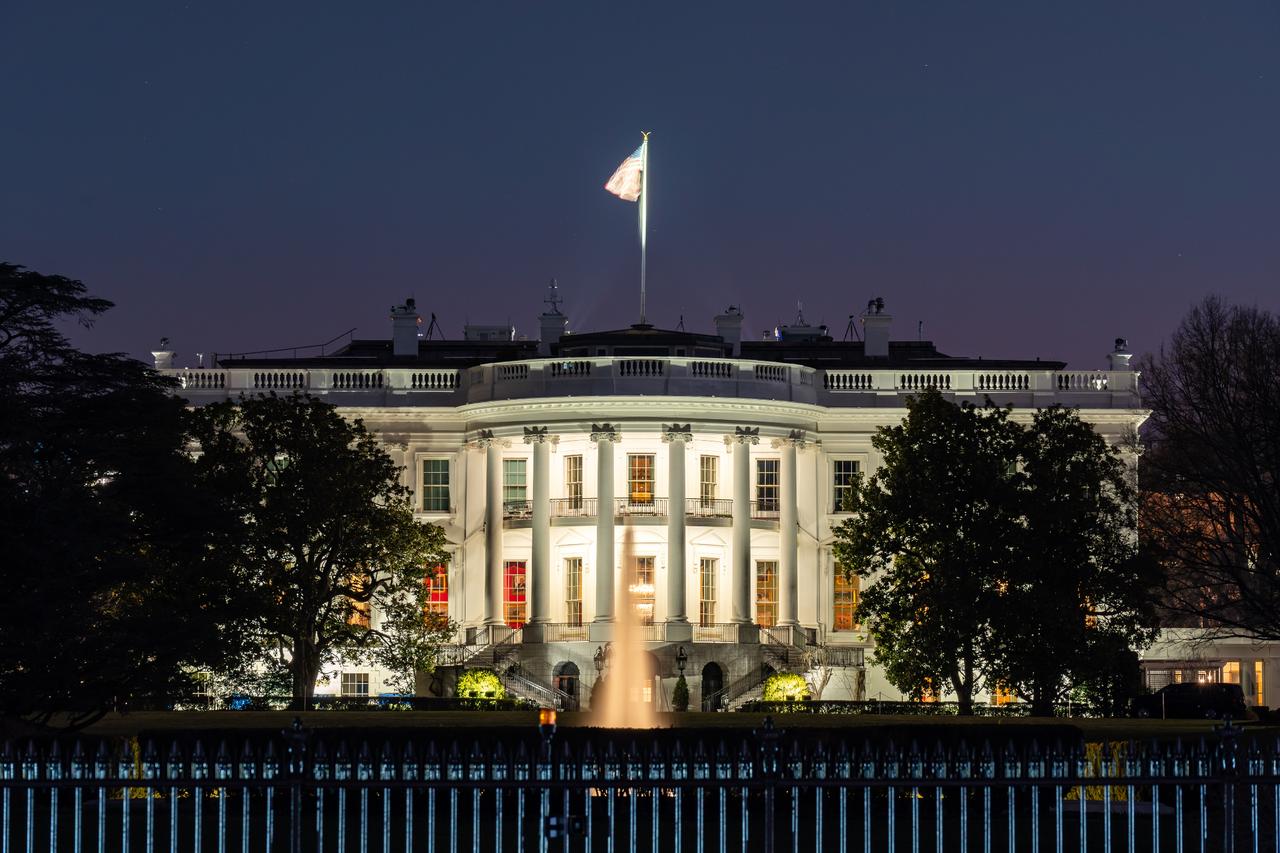


U.S. intelligence agencies have reportedly detected Iranian plans for potential attacks against senior Trump administration officials in Washington, D.C., involving a radioactive dirty bomb or chemical weapons.
The reported plans include specific locations and potential targets in the U.S. capital, triggering heightened security concerns and contingency planning across the government. However, officials remain divided over whether Tehran has the capability or intention to carry out an attack, according to CNN.
Sources familiar with the intelligence described the plans as an effort to develop potential retaliation options, not evidence of an imminent attack.
U.S. intelligence has also intercepted Iranian communications claiming that bomb-making materials are already hidden inside the country, although officials remain divided over the credibility of those claims, CNN reported.
Some national security officials believe radioactive materials or chemical agents may have been brought into the U.S. years ago.
The intelligence has raised concerns that Tehran could use people already inside the country rather than send operatives across the border, potentially avoiding the need to establish a new operational network.
U.S. officials have held several meetings over the past week to discuss preventive measures. One source described the contingency planning as "prudent," while another questioned whether Iran had personnel capable of carrying out an attack.
The reported threats have also prompted changes to senior officials' security arrangements. Treasury Secretary Scott Bessent moved into military housing last week following Iran-linked threats, CNN reported.
White House spokesperson Lauren Bis confirmed that the administration was monitoring potential threats but stressed there was no immediate danger.
"We are monitoring any and all potential threats, but at this time, there are no credible threats to the homeland," Bis said.


A dirty bomb combines conventional explosives with radioactive material to spread contamination. Unlike a nuclear weapon, it does not produce a nuclear explosion, although it can disperse radioactive substances across surrounding areas.
One source familiar with the intelligence described such a weapon as a "weapon of terror, not a weapon of precision," warning that it could make people seriously ill and leave certain areas uninhabitable.
The latest concerns also come as U.S. intelligence agencies face uncertainty over their surveillance capabilities.
Section 702 of the Foreign Intelligence Surveillance Act, which allows U.S. agencies to collect communications involving foreign targets, expired in June following a dispute between the White House and Congress.
Existing surveillance orders remain valid until March 2027, but intelligence officials have warned that the government could lose a key tool for detecting terrorist plots unless lawmakers renew the authority.
In a letter to congressional leaders last week, Attorney General Todd Blanche, Director of National Intelligence Jay Clayton and CIA Director John Ratcliffe urged Congress to restore the provision, warning that delays could put Americans and U.S. troops abroad at risk.
Members of the bipartisan Gang of 8, which includes senior congressional leaders and intelligence committee officials, received a briefing on Iran several days before the letter was sent. It remains unclear whether the briefing specifically covered the reported dirty bomb threat.
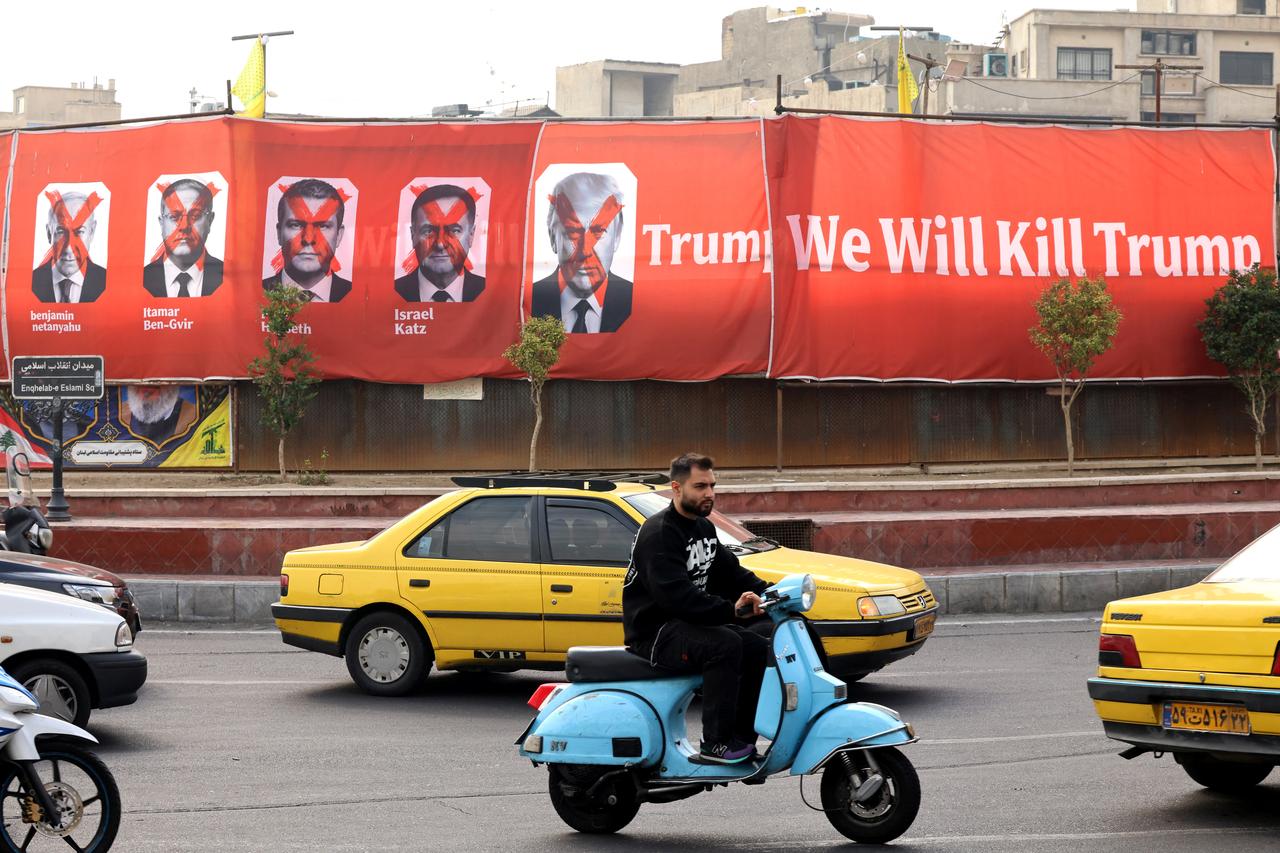
U.S. intelligence agencies are also monitoring indications that Iran could target American troops in the Middle East with chemical weapons, the report added.
The findings have triggered separate contingency plans to equip and train US diplomatic and intelligence personnel in the region, amid concerns that troops may lack adequate protection against such an attack.
Iran's diplomatic mission to the United Nations in New York rejected the allegations, calling them false and insisting that Tehran considers chemical weapons use illegitimate under any circumstances. The statement did not address the reported dirty bomb plans.
The developments come as U.S-Iran negotiations remain stalled over the U.S. blockade, the reopening of the Strait of Hormuz and the conditions for ending the conflict, now in its ninth month.
A regional source told CNN that the coming weeks could prove critical, warning that Iranian hardliners and other opponents of a deal could try to derail diplomatic efforts.
A U.S. official added that Tehran understands the consequences of using unconventional weapons but could become more willing to accept the risks if it sees its government's survival at stake.


 Set as preferred source
 Set as preferred source


 1 min read
 1 min read