Newsletters


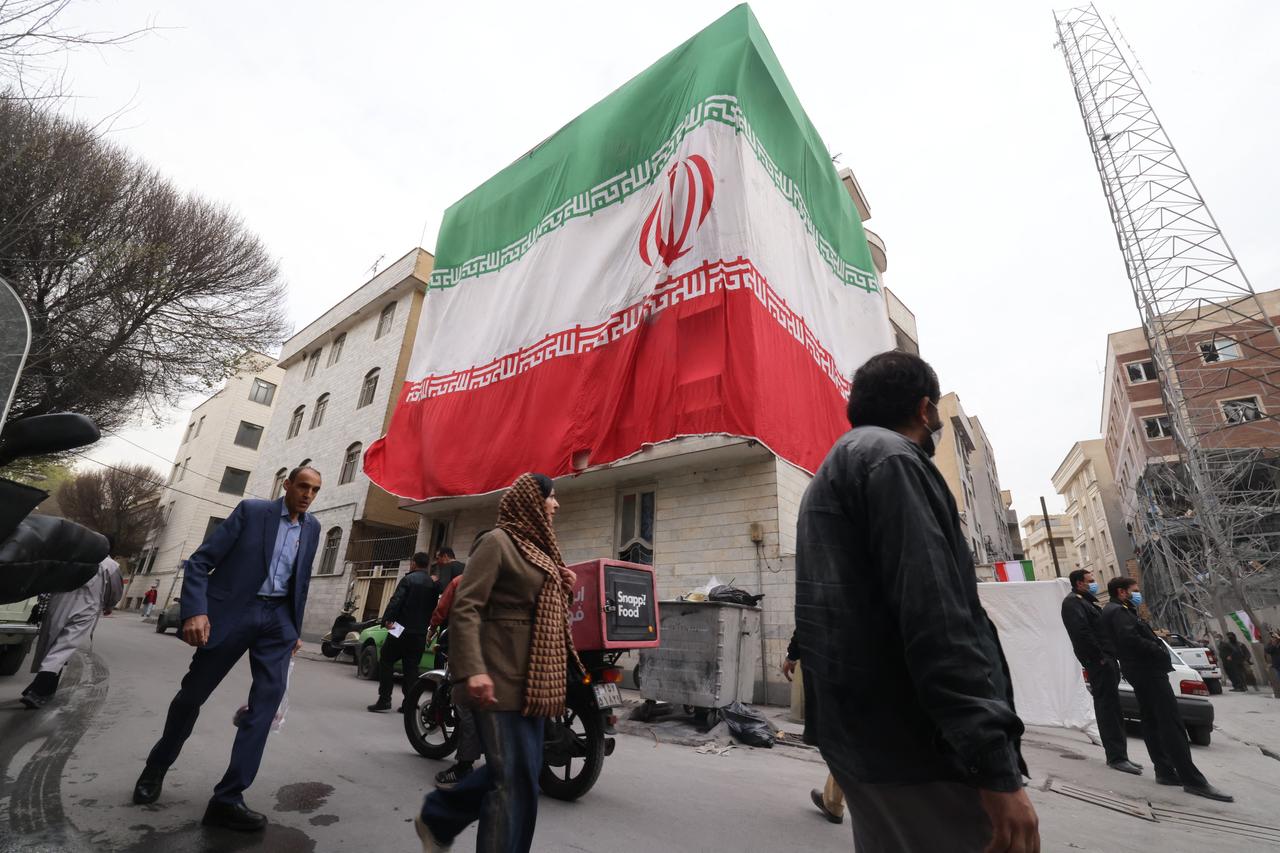


Iran’s relations with Gulf states will require a “serious review” in light of the ongoing U.S.-Israeli war against Iran, Tehran’s ambassador to Saudi Arabia said in remarks reported by Reuters.
Ambassador Alireza Enayati said Iran and its Gulf neighbors would need to reassess their relations but emphasized that cooperation remains necessary.
“We are neighbors and we cannot do without each other; we will need a serious review,” Enayati said in written responses to Reuters.
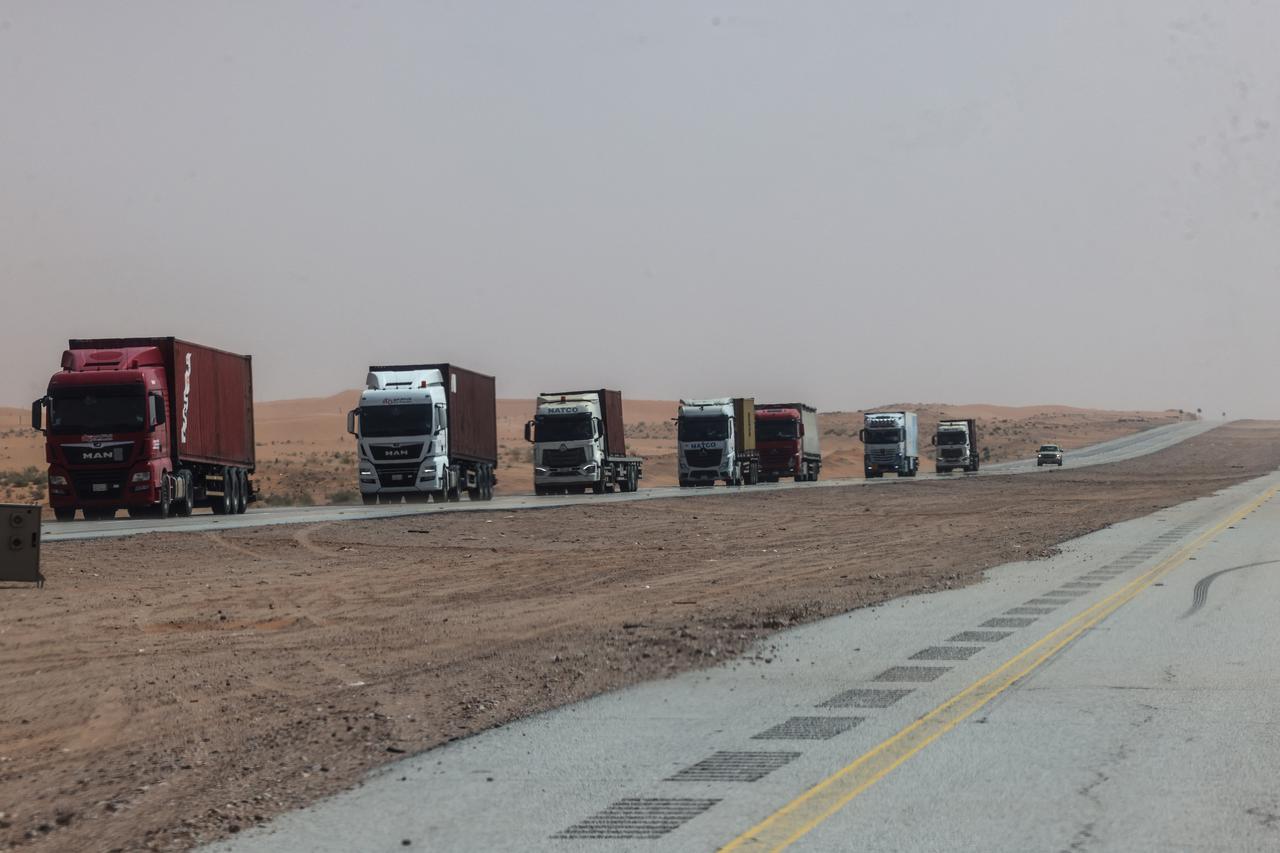

Enayati said developments in the region over the past decades were shaped by what he described as an exclusionary regional approach and heavy reliance on external powers.
He called for deeper ties between Gulf Cooperation Council members, along with Iraq and Iran.
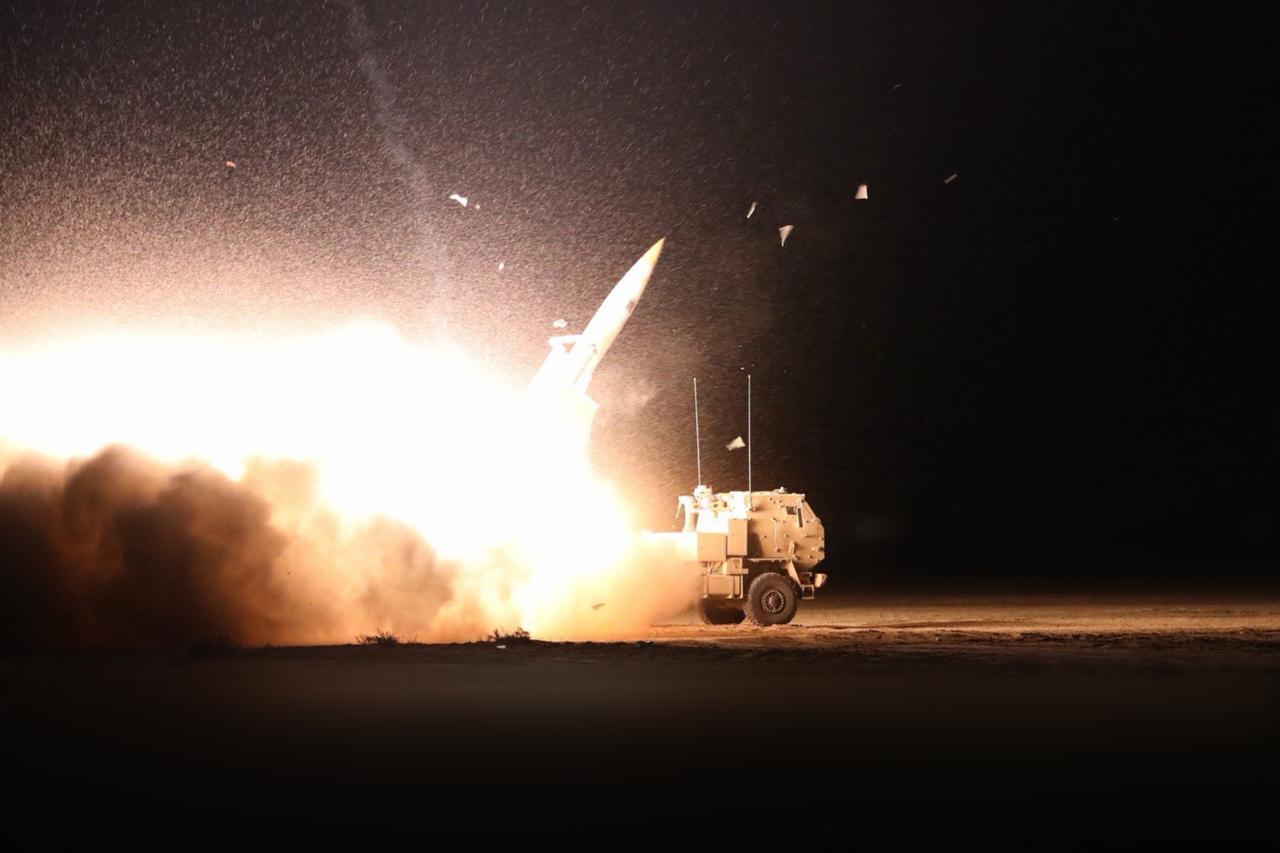
The ambassador said the region had experienced more than 2,000 missile and drone attacks since the war began on Feb. 28.
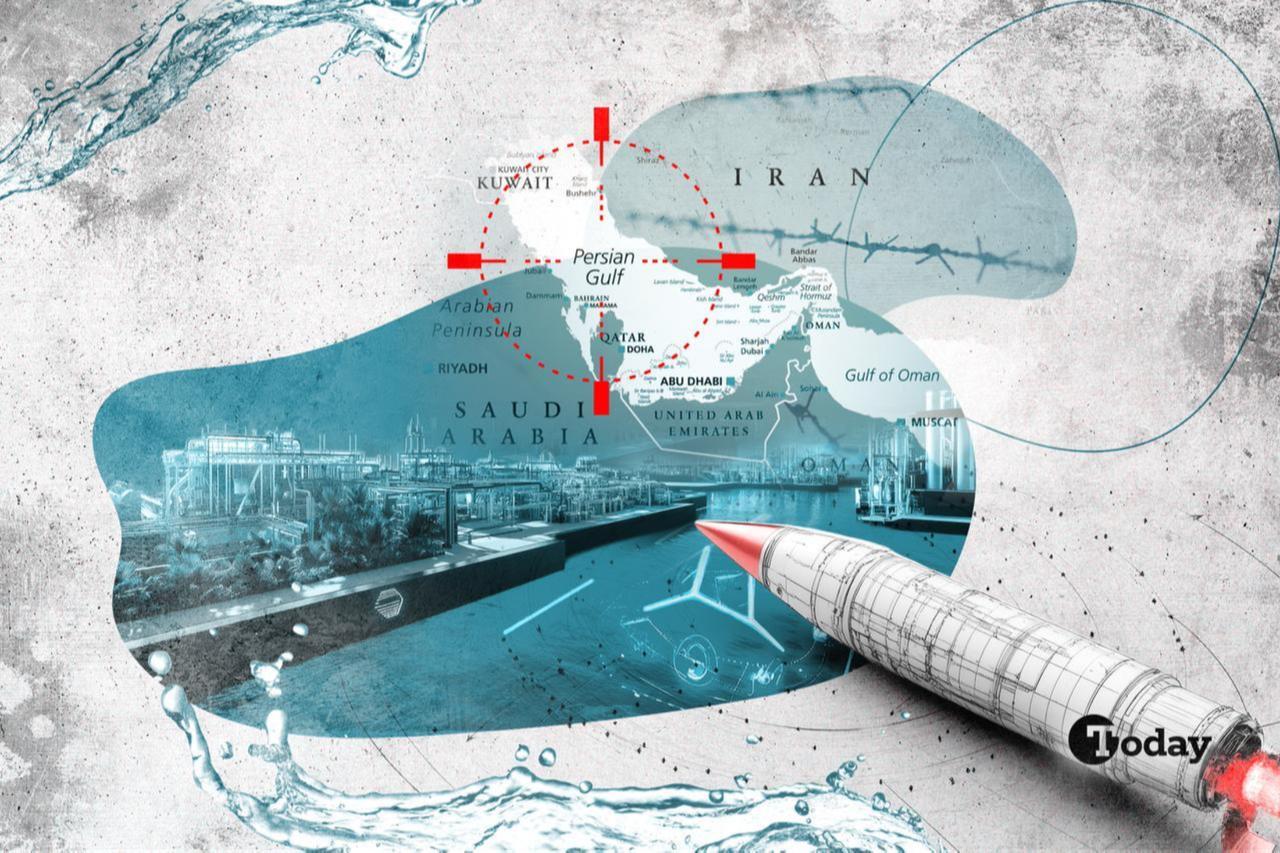
Targets have included U.S. diplomatic missions, military bases, Gulf oil infrastructure, ports, airports, hotels, residential buildings and office complexes.
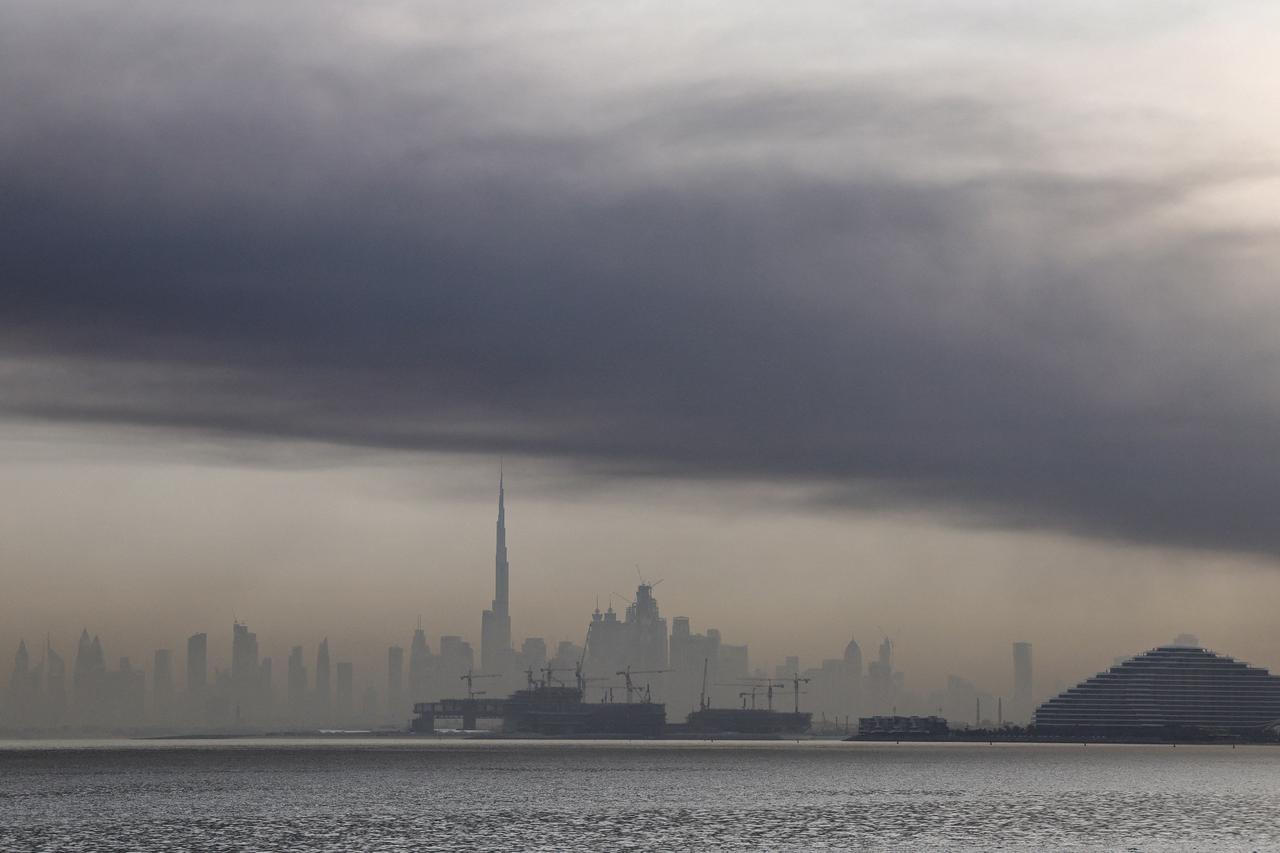
The United Arab Emirates has faced the largest share of the attacks, although all Gulf states have been affected and have condemned Iran.
Analysts and regional sources cited by Reuters said Gulf countries have also expressed frustration with the U.S., which they view as having drawn the region into a conflict they did not support.
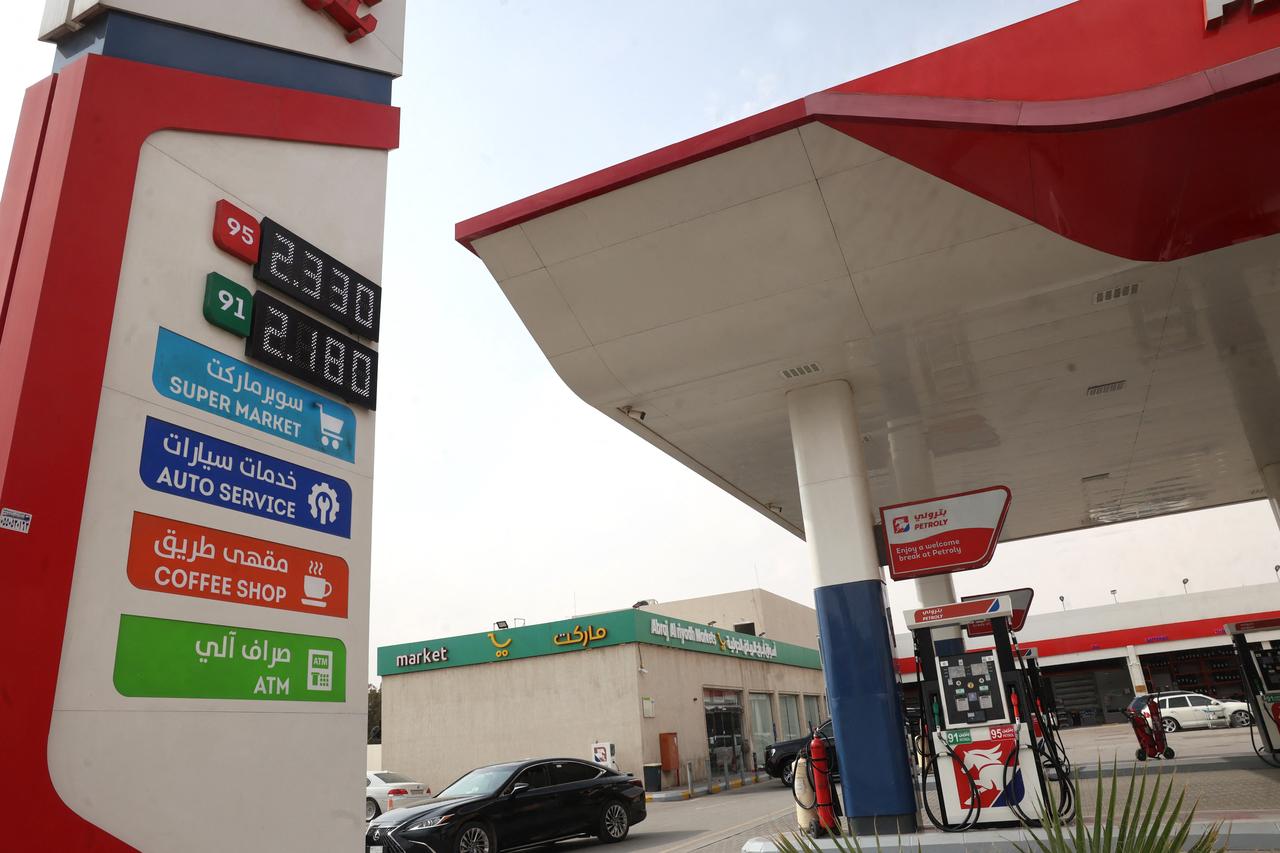
Enayati denied that Iran was responsible for attacks on Saudi Arabia’s oil infrastructure.
He rejected accusations that Iran had targeted facilities such as the Ras Tanura refinery on Saudi Arabia’s east coast or attempted drone strikes on the Shaybah oil field near the United Arab Emirates border.
“Iran is not the party responsible for these attacks, and if Iran had carried them out, it would have announced it,” Enayati said.
He said Iran’s military operations were directed only at U.S. and Israeli targets and interests.
Saudi Defense Ministry statements about the attacks have not assigned blame to any party.
Enayati said Iran remains in contact with Saudi officials and that relations between the two countries are continuing in several areas.
He cited Saudi cooperation in facilitating the departure of Iranian pilgrims and providing medical assistance to some Iranian citizens in the kingdom.
Iran and Saudi Arabia restored full diplomatic relations in 2023 after years of rivalry that saw them support opposing political and military factions across the region.
Enayati also said Tehran was in contact with Riyadh regarding Saudi Arabia’s public position that its territory would not be used to launch attacks against Iran.
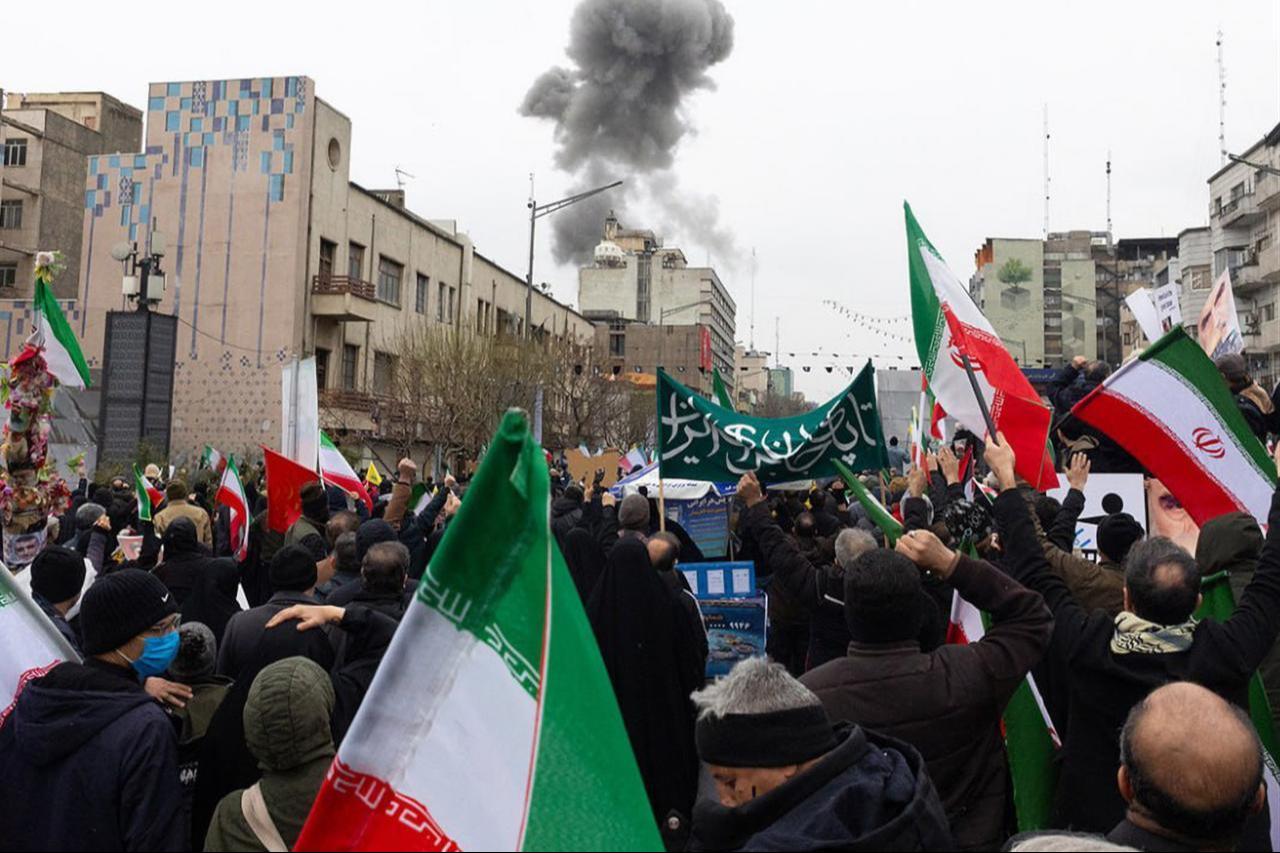
Enayati said the current war had been imposed on Iran and the region.
He said resolving the conflict requires the United States and Israel to halt their attacks while regional countries avoid involvement.
International guarantees would also be needed to prevent similar conflicts in the future, he said.
“Only then can we focus on building a prosperous region,” Enayati said.


 Set as preferred source
 Set as preferred source


 1 min read
 1 min read