Newsletters


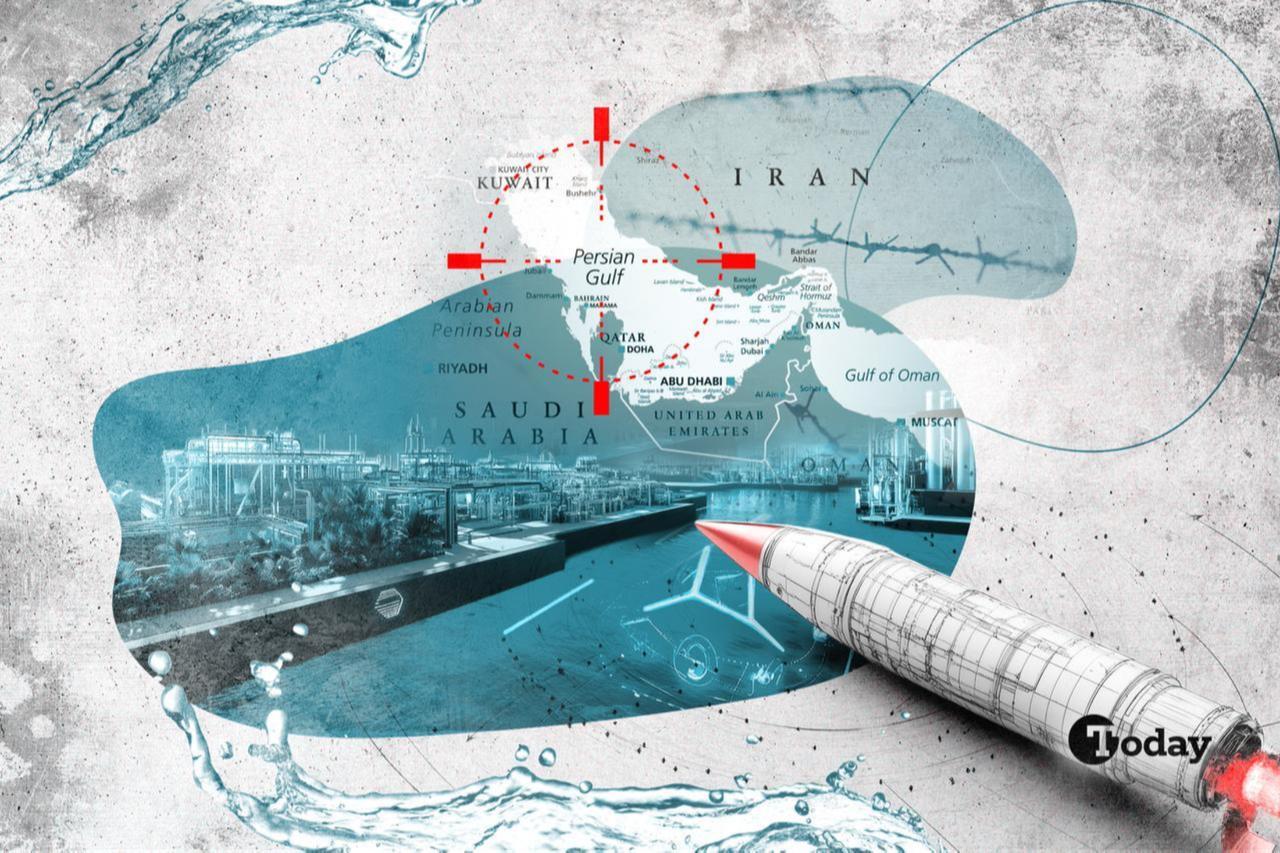


The latest wave of strategic strikes by the U.S. and Israel against Iran has irreparably fractured the Middle East’s already fragile geopolitical fault lines. Just a short time ago, during the 12-day war of June 2025, Tehran’s retaliation doctrine was highly specific and contained.
At that time, Iran’s military and political elites trained their sights almost exclusively on Israel’s borders, military installations, and intelligence infrastructure. Today, however, the rhythm and nature of the war are undergoing a radical mutation.
Iran’s target matrix is expanding at an unprecedented pace to encompass the Gulf Arab states, threatening to engulf the entire region’s energy and trade arteries in flames.
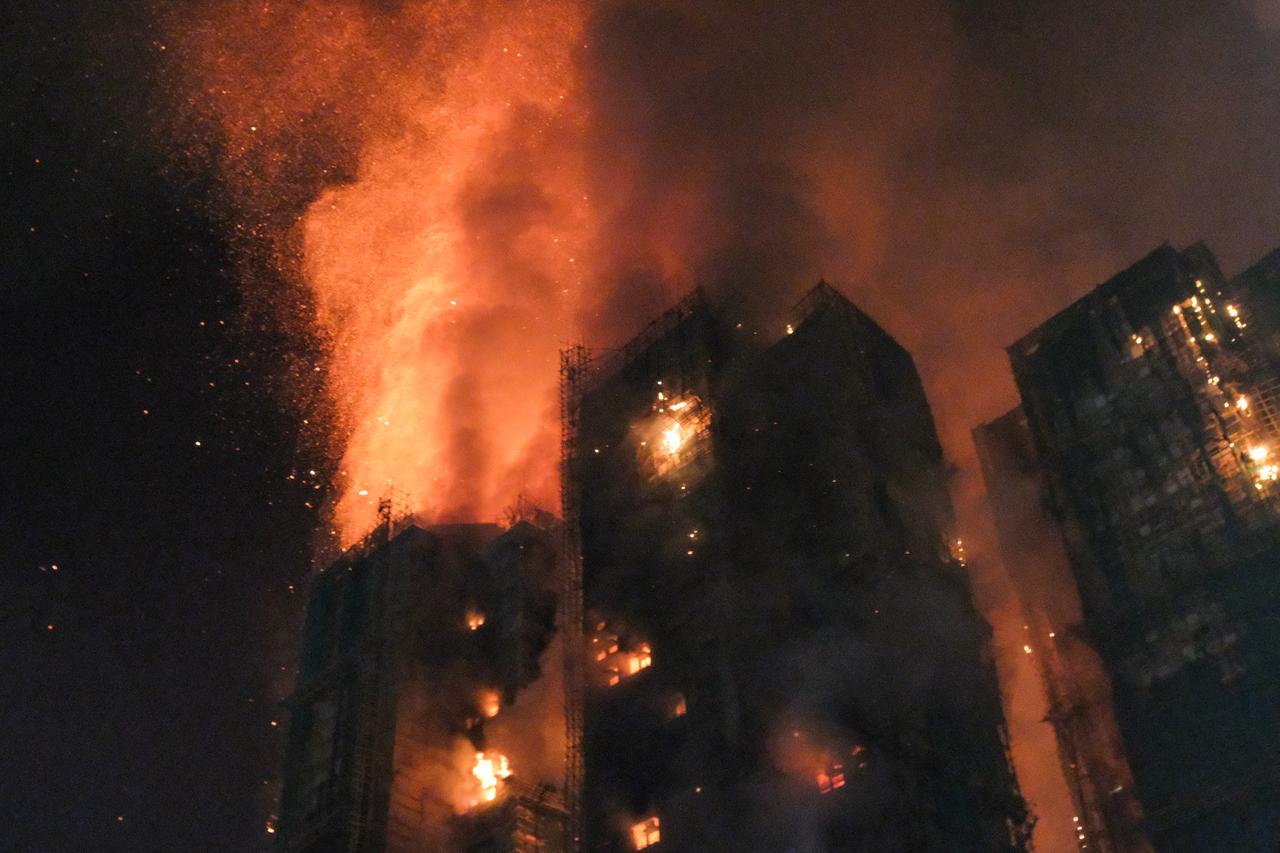

This shift is not a tactical blunder or a fleeting outburst of rage; it is the calculated, cold-blooded survival strategy of a cornered regime. Iran is highly unlikely to abandon this "scorched earth" approach anytime soon.
For the decision-makers in Tehran, the reality they face is no longer just a military operation, the loss of nuclear facilities, or a diplomatic crisis—it is a direct, existential threat to the regime itself. The clerical establishment views the recent U.S.-backed Israeli operations and the heavy bombardments striking deep into the country's strategic core as a final, decisive move against its survival.
History clearly shows that regimes perceiving an existential threat rarely choose to fall alone; they tend to drag their entire neighborhood into their catastrophe. It is precisely this rational yet perilous motivation that drives Tehran to expand the geographic scope of its aggression to include the Persian Gulf.
Behind this asymmetric expansion lies a triad of interconnected strategic objectives. First, Tehran calculates that by broadening the front and dragging more actors into the equation, it can fracture the military focus of Israel and the U.S., effectively turning the conflict into a grueling war of attrition.
Second, Iran seeks to physically and psychologically exhaust the Gulf states, which it views as its primary regional rivals. Asymmetric threats targeting the economic infrastructure and logistical lifelines of these nations can severely derail their long-term growth trajectories.
Finally, by destabilizing a region that serves as the jugular vein of global energy supplies, Tehran aims to corner Washington in the global markets. The goal is to weaponize the U.S.’ obligation to protect its allies, thereby forcing a negotiation table on Iran’s own terms.
 0 min read

Up to this point, Gulf Arab states such as Saudi Arabia, the United Arab Emirates, and Qatar have exercised strategic patience, avoiding direct, hot conflict with Iran. They have labored to keep diplomatic channels open, de-escalate regional tensions, and preserve their "zero problems" foreign policy.
But the fact that they have avoided entering the fray thus far does not mean they are immune, or that they will not be sucked into the vortex in the future. The bitter truth facing the region’s capitals is this: Even without firing a single shot, the delicate political, economic, and geopolitical stability that visionary Gulf leadership has spent decades building is already deeply scarred by the seismic shockwaves of this war.
The Gulf’s economic model is predicated on hyper-security, uninterrupted global trade, foreign capital flows, and absolute predictability. In an environment where missiles crowd the skies and international investors are gripped by anxiety, massive economic diversification projects are forced to pay a hefty geopolitical risk premium.
Even if the guns on their immediate borders remain silent, the Gulf is paying the price of this war on the front lines through the erosion of its foundational stability.

At this juncture, the Gulf states have reached a point of no return. Regional capitals must now confront a massive challenge: managing both their domestic constituencies and the opportunistic proxy militias lurking just beyond their borders.
Strategic passivity is no longer a viable option. What is urgently required is the concrete, credible, and immediate restoration of deterrence. Gulf administrations must reestablish the absolute conviction that their state military and technological capacities are unshakeable, and that their national borders and economic infrastructure will be defended against any asymmetric assault at all costs.
This process of restoration demands the rapid, full integration of advanced air and missile defense networks, the hardening of critical infrastructure against cyber threats, and the transformation of defense pacts with Western allies into a much more aggressive and visible deterrence umbrella.
Refreshing domestic confidence and categorically eradicating any perception of weakness among foreign adversaries has now become the paramount national security doctrine for these nations. The military offensive initiated by the U.S.-Israel axis has led to a reshuffling of the deck in the Middle East, with exponentially higher stakes.
Iran’s tactic of turning its existential crisis into a regional conflagration is forcing the Gulf Arab states to transition from bystanders to lead actors who must move decisively to protect their stability.
Before this strategic storm passes, the region’s balance of power, the rules of deterrence, and its entire security architecture will be rewritten once more and irreversibly.


 Set as preferred source
 Set as preferred source



 1 min read