Newsletters


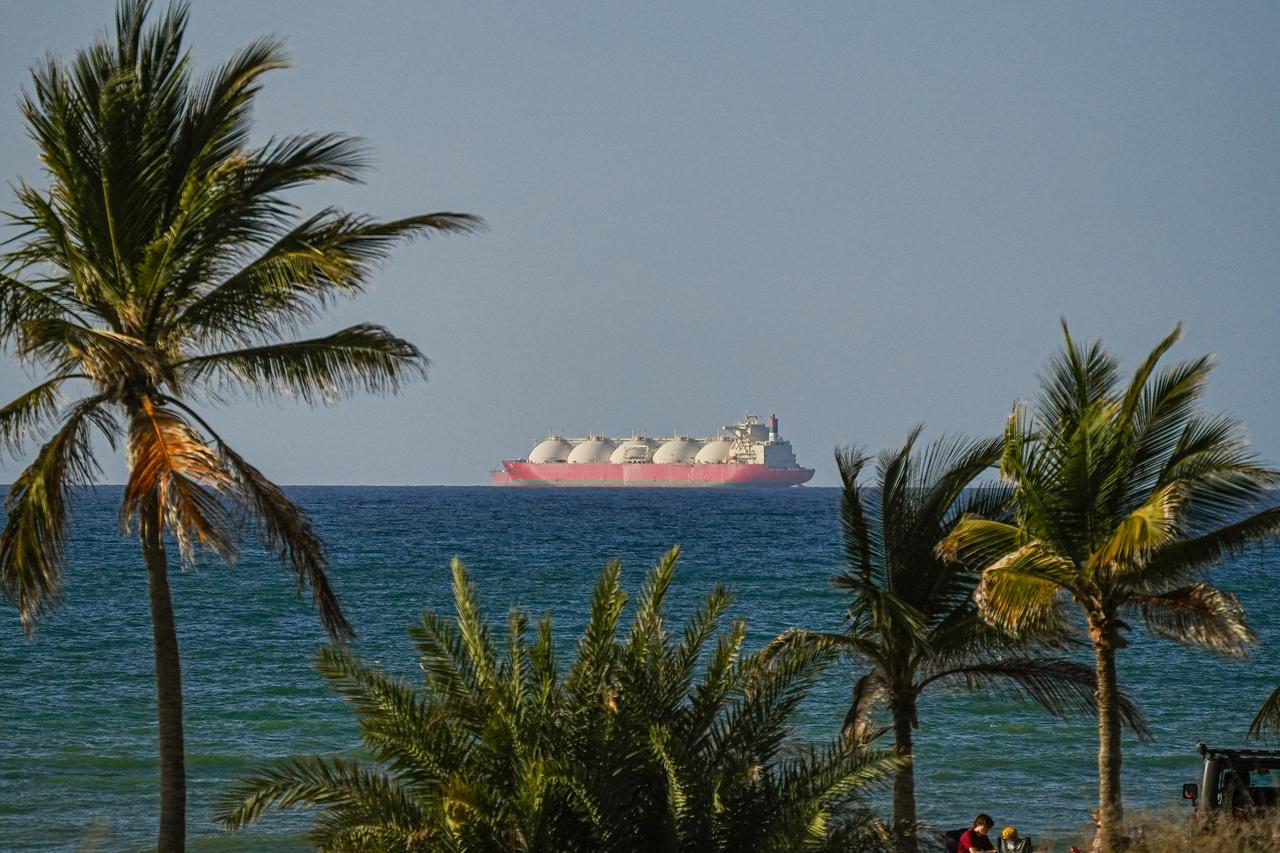


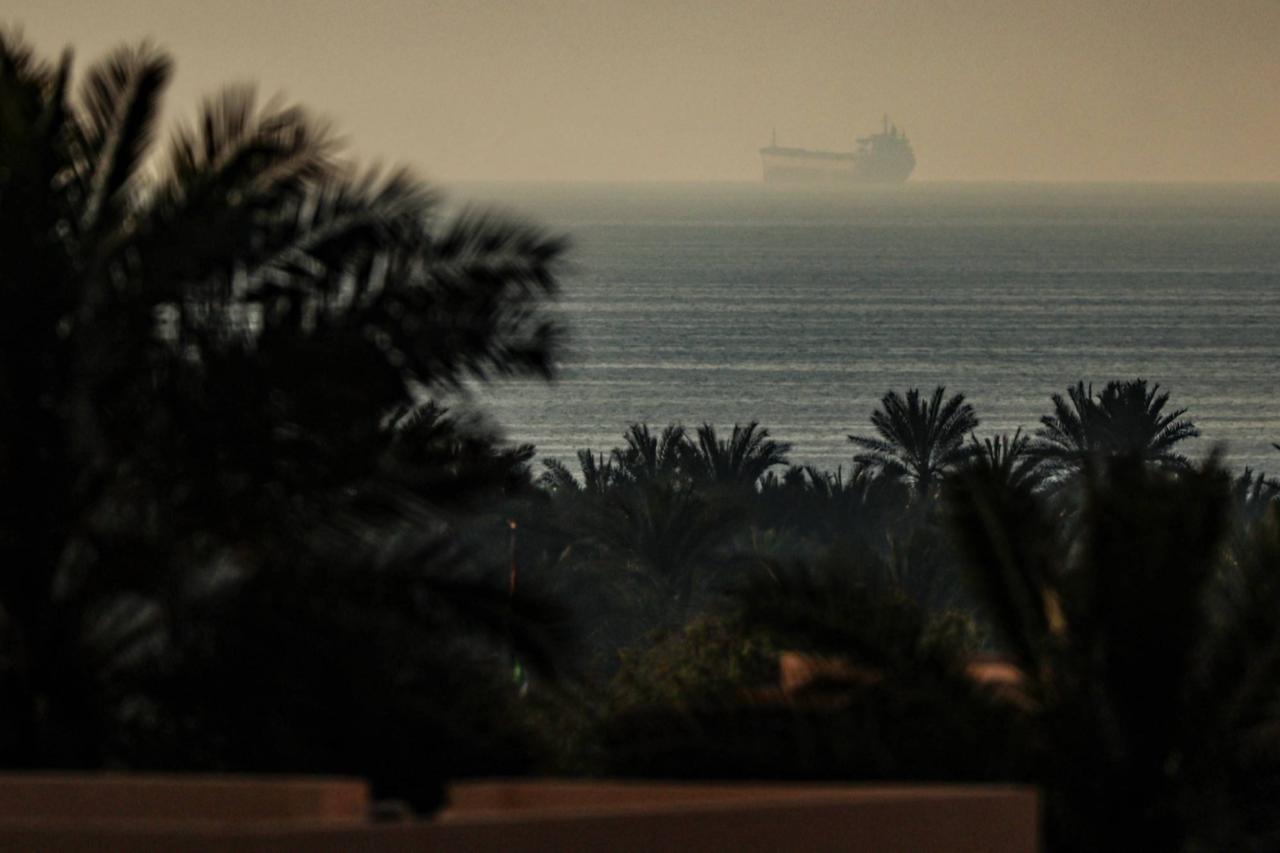
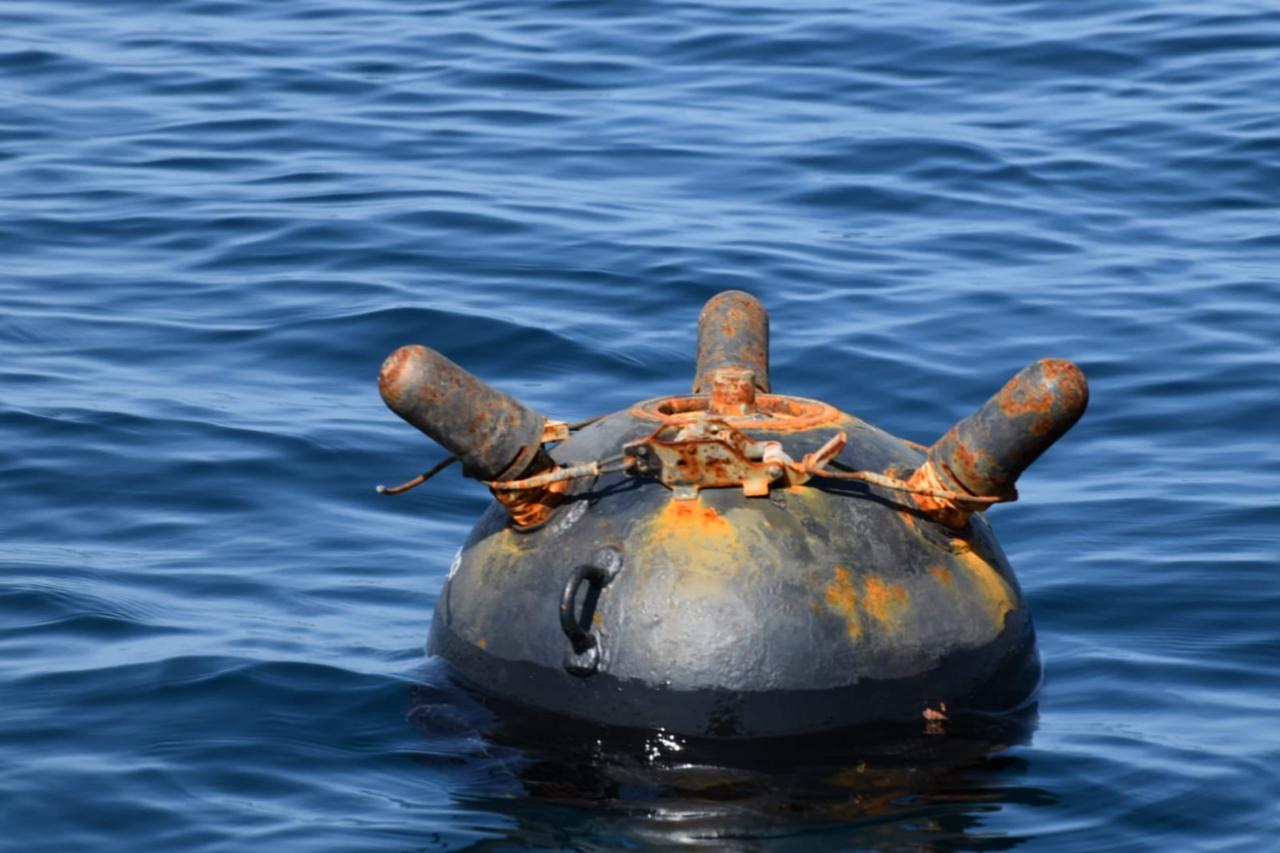
Iran cannot locate all of the mines it placed in the Strait of Hormuz and cannot remove them, a critical complication that has prevented Tehran from quickly reopening the waterway despite U.S. demands.
The issue that is now expected to be a central issue in U.S.-Iran peace talks in Islamabad, the New York Times (NYT) reported Friday, citing anonymous U.S. officials.
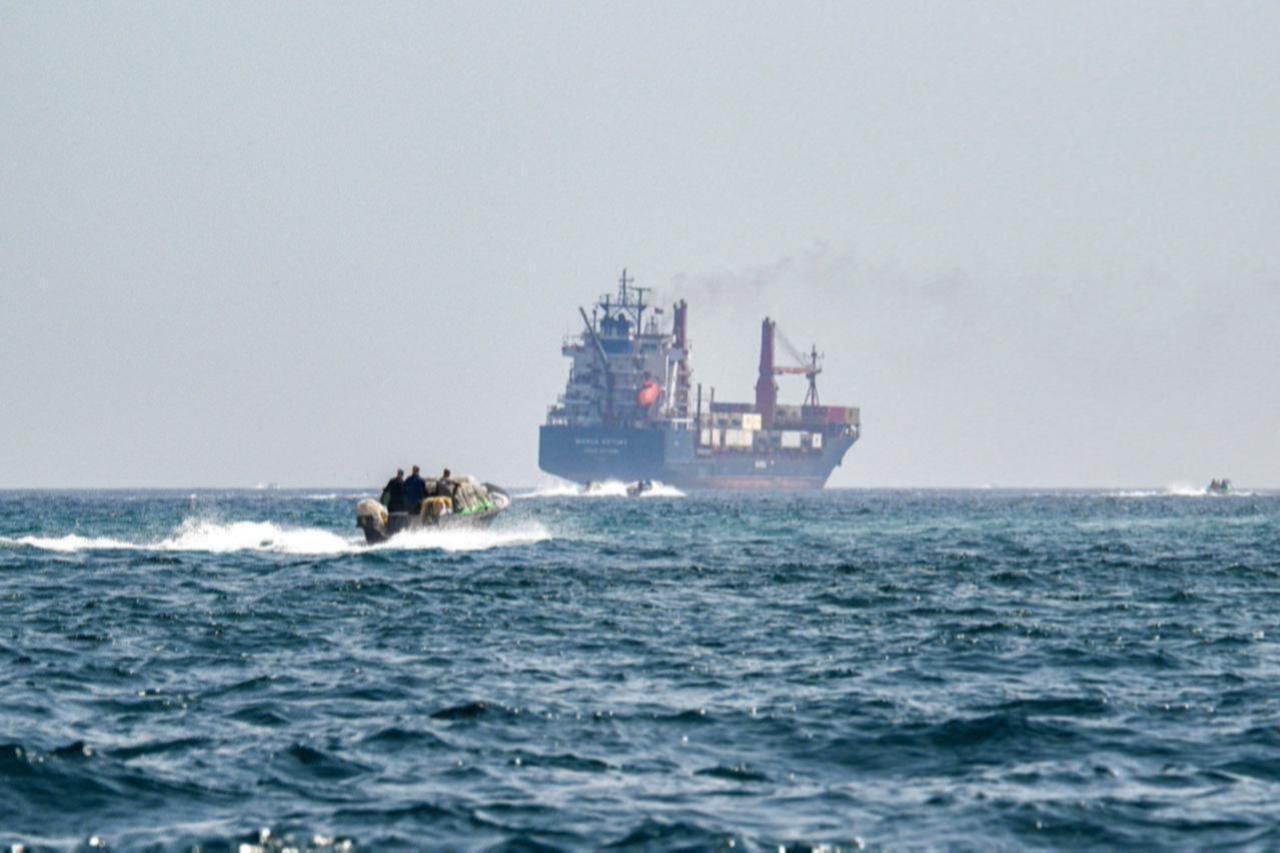
Iran used small boats to lay mines in the Strait of Hormuz in March, shortly after the U.S. and Israel launched strikes against the country on Feb. 28, the Times reported.
The mines, combined with Iranian drone and missile threats against vessels, effectively closed the waterway and drove global energy prices sharply higher.
U.S. officials told the Times that Iran's mine-laying effort was haphazard. It is not clear whether Iran recorded where it placed every mine.
And even when locations were recorded, some mines were placed in a way that allowed them to drift or move, according to the officials.
Because small boats were used to deploy the mines and were difficult to track, the U.S. is uncertain precisely how many mines Iran placed in the strait or where they are located.
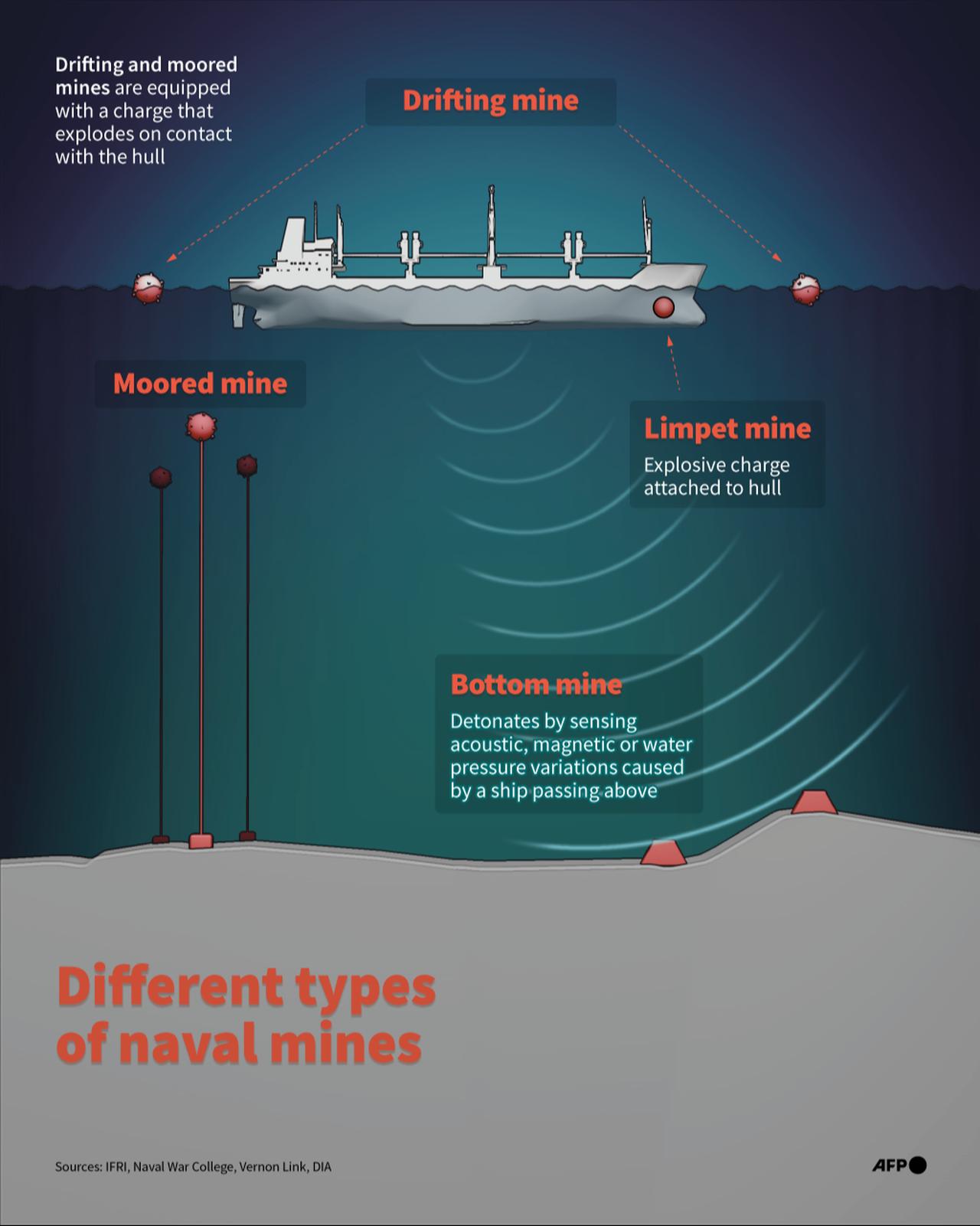

U.S. officials said Iran could not also remove the mines it had planted—even the ones whose locations were known.
The Times noted that removing naval mines is significantly more difficult than laying them.
The U.S. military also lacks robust mine-removal capabilities, relying on littoral combat ships equipped with mine-sweeping equipment.
Both sides are therefore constrained by the same technical reality.
Iran left a narrow path through the strait open, allowing ships willing to pay a toll to pass.
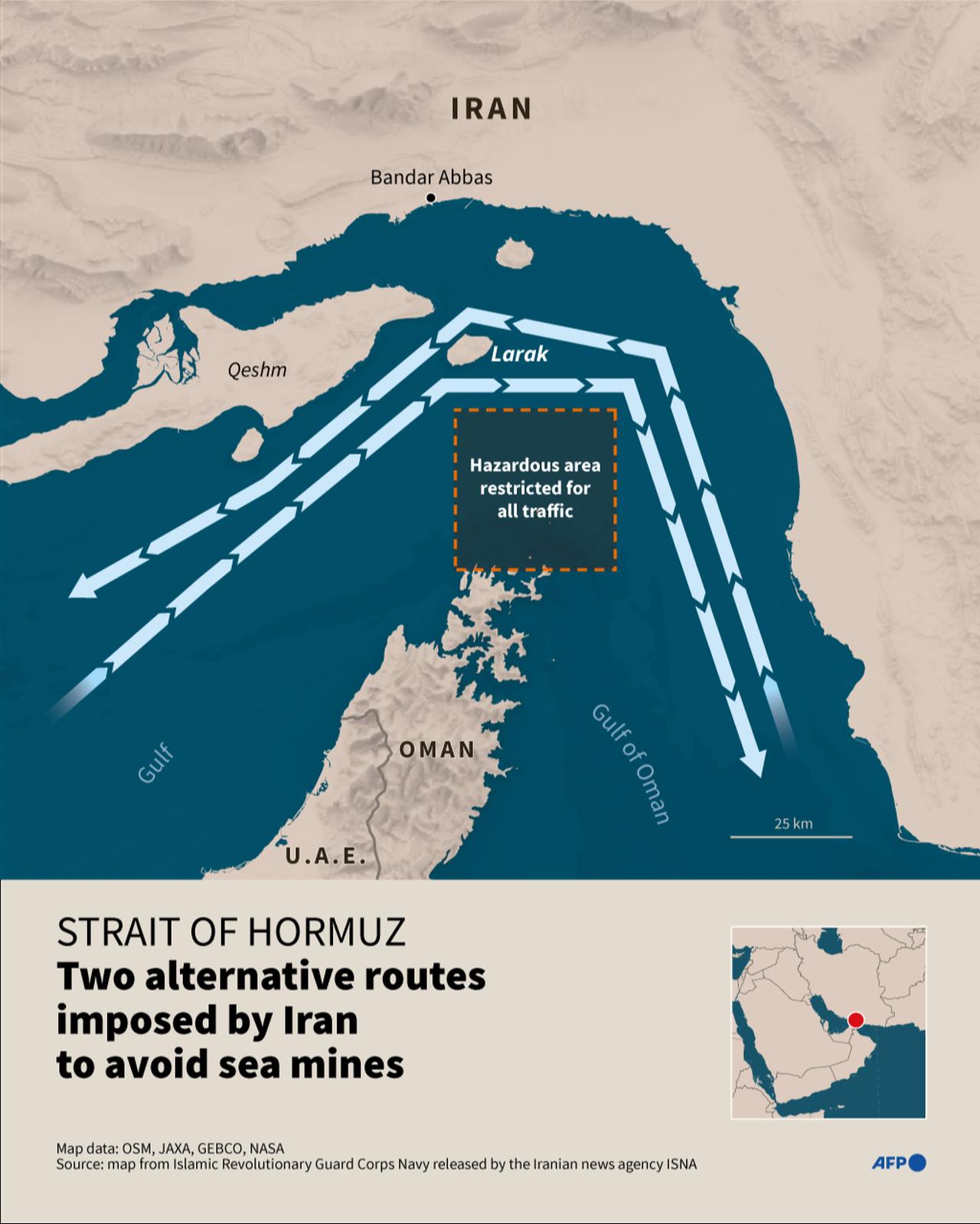
The IRGC issued warnings that ships could collide with sea mines, and semi-official Iranian news organizations published charts showing alternative safe routes.
The IRGC Navy also announced formally designated alternative maritime routes through the strait, instructing inbound vessels to travel northward from the Gulf of Oman past Larak Island and outbound vessels to pass south of Larak Island toward the Gulf of Oman, citing "war conditions" and the possible presence of mines in the main corridor.
Iranian Foreign Minister Abbas Araghchi said after the ceasefire announcement that the strait would remain open "with due consideration of technical limitations."
U.S. officials told the Times that Araghchi's reference to technical limitations was a direct acknowledgment of Iran's inability to quickly locate or clear the mines.
Araghchi is now in Islamabad as part of the Iranian delegation for talks with the U.S. delegation led by Vice President JD Vance.
The question of how quickly safe passage through the waterway can be expanded is expected to be a central point of discussion, given Trump's demand for the "complete, immediate, and safe" opening of the strait as a condition of the ceasefire.
On March 2, a senior Revolutionary Guards official announced the strait was closed and threatened to set ships "ablaze" if they entered, according to Iranian state media.
Iran began mining the strait in the days that followed, even as the U.S. intensified strikes on Iranian naval assets.
American officials said at the time that Iran was not planting mines quickly or efficiently.
The U.S. military sought to destroy Iran's navy during the conflict, sinking ships and targeting naval bases. But Iran has hundreds of small boats capable of harassing ships or laying mines, and destroying all of them proved impossible.
Even before mining began, threats from Iranian leaders disrupted global shipping and drove oil prices sharply higher, demonstrating the strait's vulnerability to even the perception of threat.


 Set as preferred source
 Set as preferred source


 1 min read
 1 min read