Newsletters


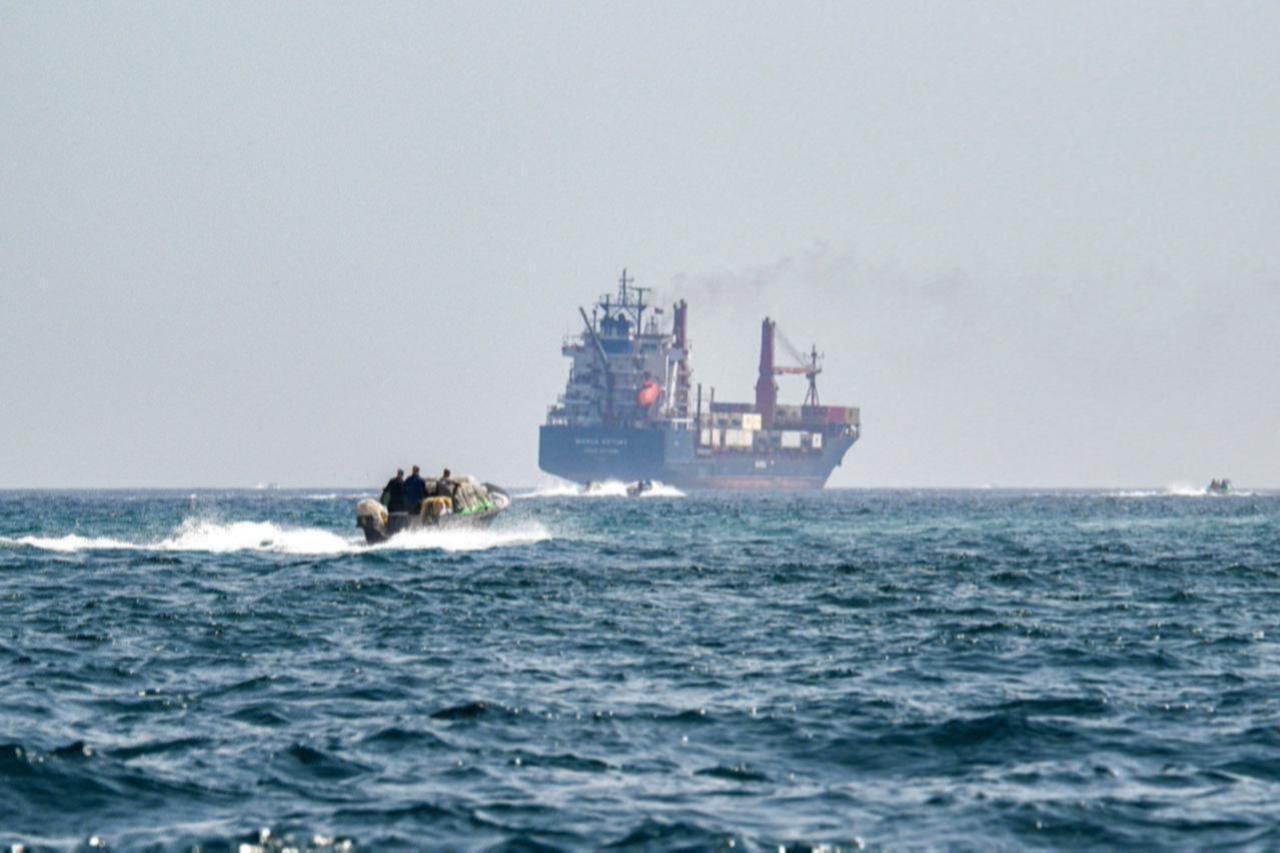


Iran has redirected vessels in the Persian Gulf through routes designed to avoid naval mines in the Strait of Hormuz, placing transit under the oversight of the Islamic Revolutionary Guard Corps Navy, local media reported.
According to a notice from the Ports and Maritime Organization broadcast on state television, the new routing system is framed as a precaution against possible mine contact. Ships are required to follow alternative corridors until further notice, with movements coordinated alongside military forces.
The guidance redraws how ships enter and leave the chokepoint. Vessels approaching from the Gulf of Oman are instructed to head north, pass near Larak Island, and continue toward the Persian Gulf.
Outbound ships must follow the reverse pattern, moving from the Gulf, passing south of Larak Island, and proceeding toward open waters. Iranian authorities stressed that these routes must be followed in line with an official map distributed alongside the announcement.
Despite the ceasefire reached between the U.S. and Iran, ships still cannot pass through the strait without explicit approval from the Revolutionary Guards, with many vessels remaining stranded in the area, Tasnim News Agency reported.

Iranian media signals that access to the strait remains restricted even after a temporary ceasefire between Tehran and Washington. The semi-official Fars News Agency reported that the strait, initially expected to reopen following the truce, was effectively shut again after Israeli strikes on Lebanon.
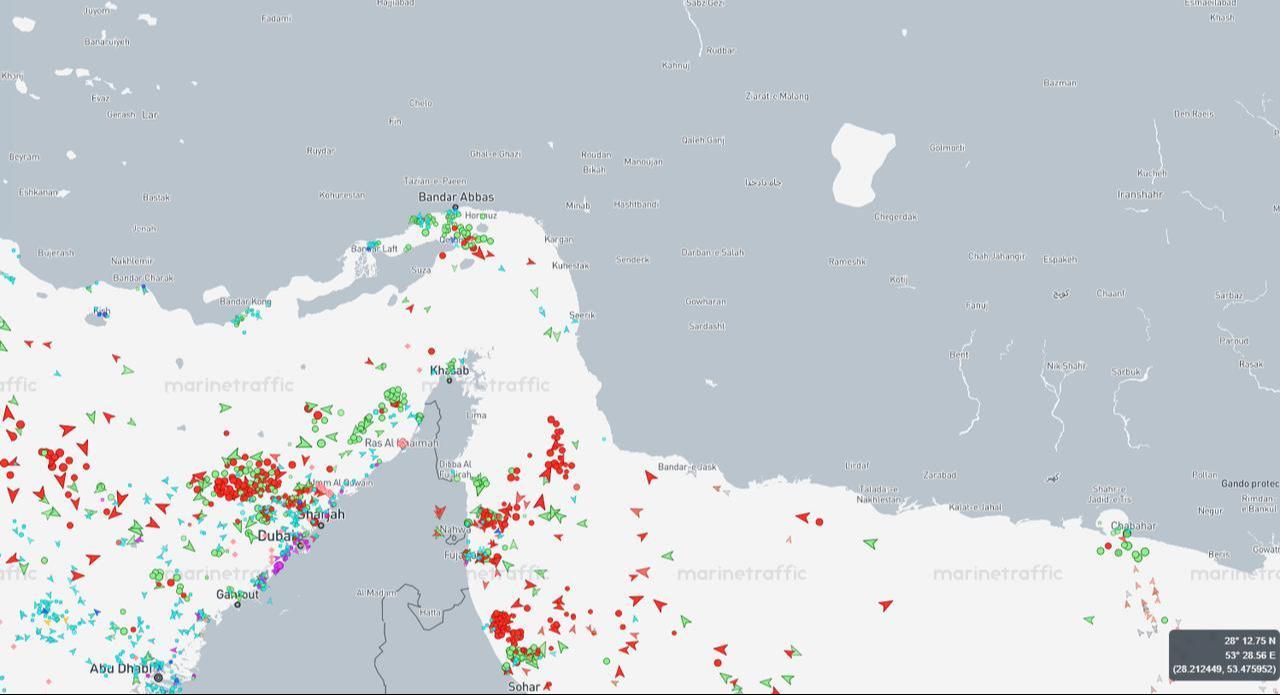
Reports indicated the strait was fully closed to commercial traffic following Israeli attacks, with several oil tankers forced to reverse course. One vessel was reported to have abruptly changed direction near Oman’s Musandam Peninsula, executing a 180-degree turn before heading back into the Persian Gulf.
Tracking data also showed minimal activity, with only a handful of Iranian and Chinese tankers still moving through the corridor.
The Strait of Hormuz handles a significant share of global oil shipments, and even partial disruptions tend to ripple quickly across energy markets.


 Set as preferred source
 Set as preferred source


 1 min read
 1 min read