Newsletters


Iran's Islamic Revolutionary Guard Corps (IRGC) claimed responsibility Monday for simultaneous attacks on three fronts targeting U.S. assets in Bahrain and Kuwait. The claim came as the group rejected U.S. President Donald Trump's assertion that Iran is running low on missiles and drones, while Bahrain and Kuwait reported repeated interceptions and the United States deployed additional fighter jets and refueling tankers to the region.
In a statement carried by Tasnim News Agency, the IRGC said its naval forces conducted simultaneous strikes in what it called the 23rd wave of "Operation Nasr 2" in three phases:
The IRGC said the attacks were carried out "in retaliation and in response to the aggressions" of the U.S. military and would continue.
Trump said the U.S. had hit Iran "very hard" on its ninth consecutive night of strikes, adding that Tehran had "lost almost everything militarily," including missiles and drones. In an apparent direct response, the IRGC statement said, "The ignorant president of the United States, who has repeatedly confessed his lack of awareness and wisdom about world affairs... states that only a few missiles and drones remain for Iran and that their numbers are dwindling. (He) should know that, by Allah's grace, even if this war lasts for several years, until the very last day, our missiles and drones will rain down on American criminals."
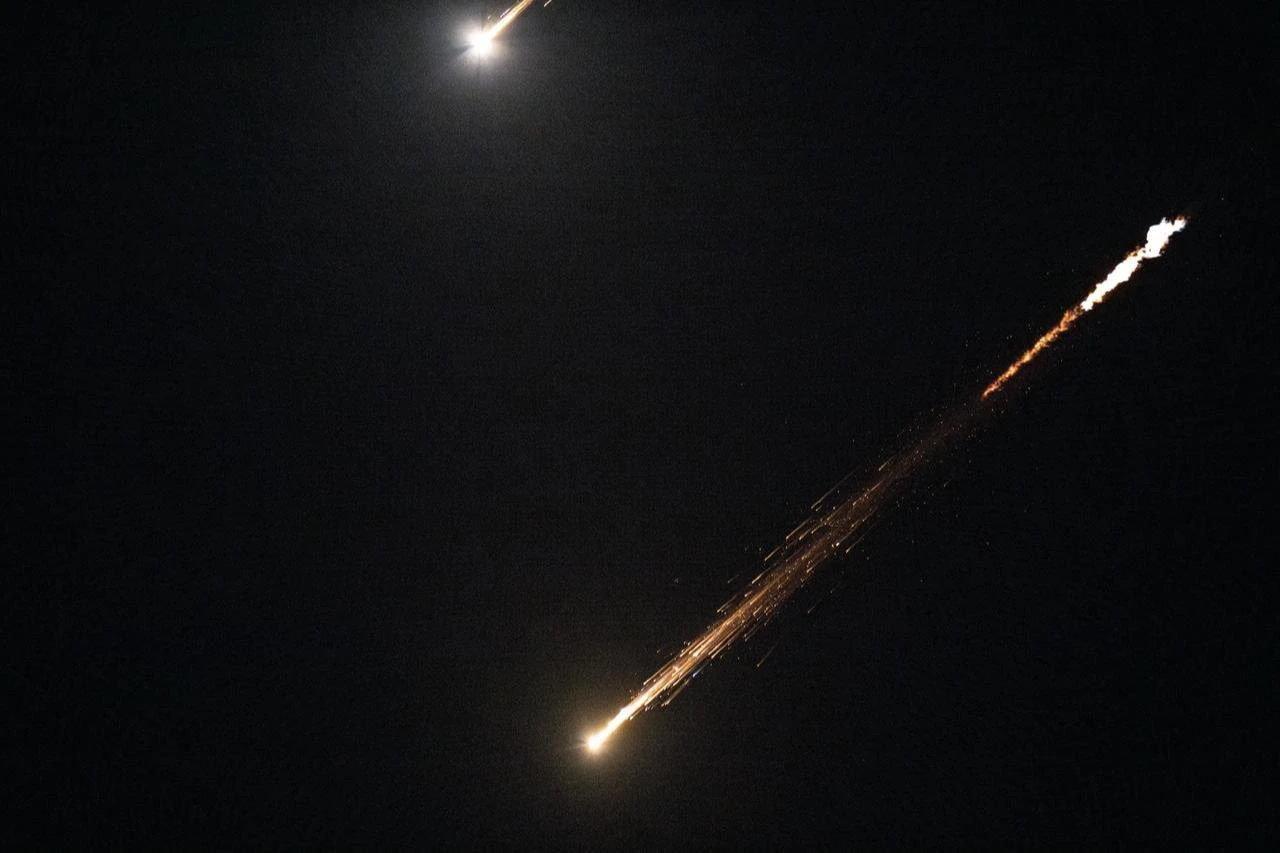

Bahrain's Interior Ministry activated warning sirens again Monday, urging citizens and residents to "remain calm and head to the nearest safe place."
The alert came hours after Bahrain's Defense Force said air defenses had intercepted "a number of treacherous Iranian aerial attacks" earlier that day.
Kuwait's army said its air defenses intercepted a new wave of Iranian missile and drone strikes Monday, marking the third such announced interception since early that day.
"The Kuwaiti air defenses are currently confronting hostile missile and drone attacks following the sinful Iranian aggression," the army said in a statement, adding that any explosions heard across the country were the result of interceptions rather than successful strikes.
Explosions were also reported early Monday in several Iranian provinces, including what was reported as the first strike on the northwestern city of Tabriz since the U.S. resumed its latest wave of attacks last week.
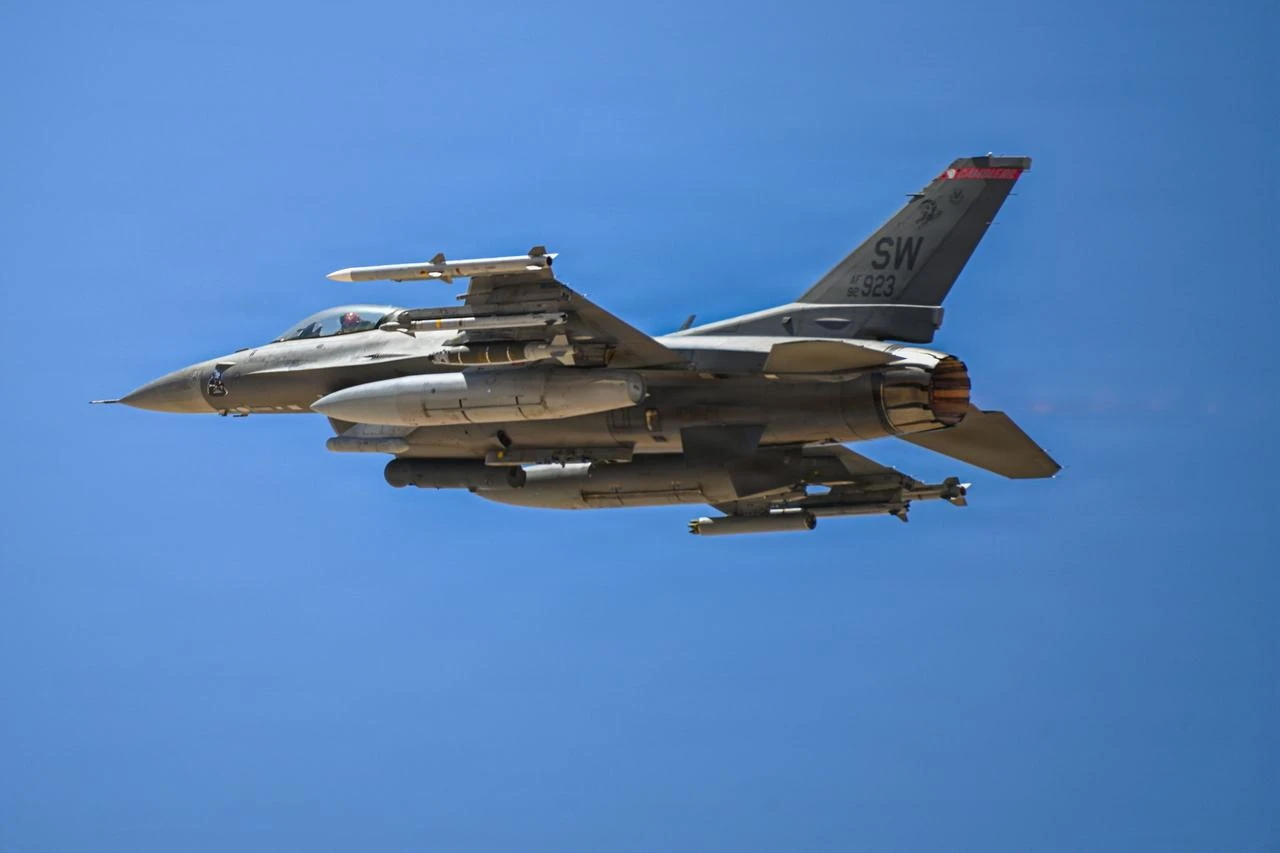
CNN reported that the U.S. is sending additional F-16 and F-35 fighter jets, along with more aerial refueling tankers, to the Middle East from bases in Europe, according to a U.S. official.
CNN reported the additional resources could expand Trump's options as he weighs how to proceed, following a Situation Room briefing last week on options including a possible attempt to capture Kharg Island or strike Iran's Pickaxe Mountain nuclear-linked site.
CNN reported Trump has not ruled out a diplomatic solution and that Secretary of State Marco Rubio said overnight the door remains open to returning to the negotiating table.
Separately, the IRGC's central command issued a statement responding to what it described as a strategic message from Supreme Leader Mojtaba Khamenei, pledging loyalty and describing his message as "a binding order, a divine covenant, and a clear roadmap" for continuing what it called the defense of the country's dignity and independence.
"We pledge that we will never tie the fate of this land to the promises of a child-killing enemy," the statement said, adding that the IRGC considers itself bound to teach the U.S. what it called an "unforgettable lesson" that would "break the greed of any predator" and demonstrate "the unbreakable will of the Iranian nation."
The statement also emphasized the importance of "national unity" and preventing what it called enemy infiltration of the ranks of the public and the political system.


 Set as preferred source
 Set as preferred source


 1 min read
 1 min read