Newsletters


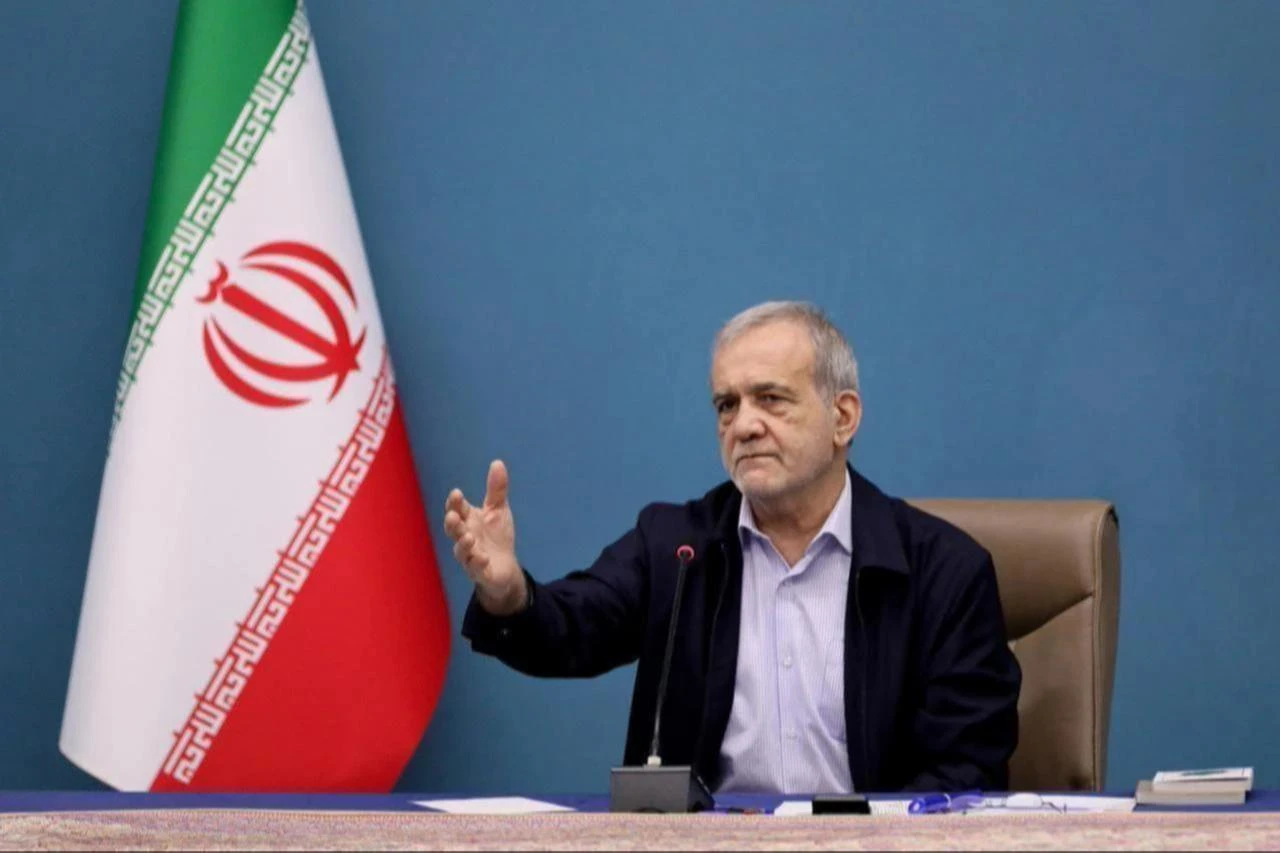


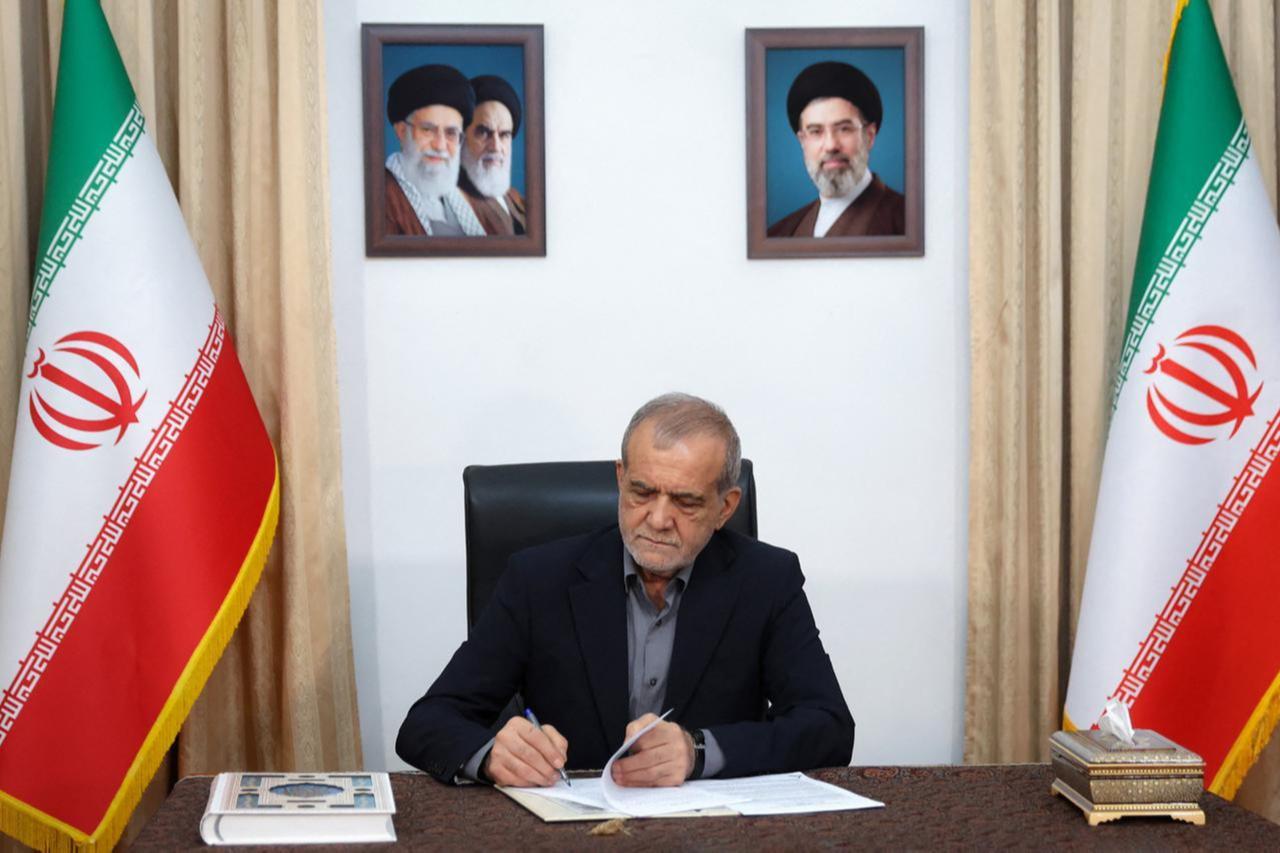
Iranian President Masoud Pezeshkian said Monday that the country is fighting a "full-scale war" with the United States and warned that economic hardship could weaken the impact of military achievements if domestic conditions worsen.
Speaking at a meeting of Iran's Supreme Judicial Council, Pezeshkian said military successes alone would not be enough if inflation, rising prices, and financial difficulties continued to burden ordinary Iranians.
Pezeshkian said the government's priority is to ease pressure on households despite ongoing restrictions and sanctions, arguing that many economic challenges stem from external constraints rather than administrative shortcomings.
He acknowledged that inflation and the rising cost of living continue to weigh on the public, adding that improving economic conditions is essential to preserving national resilience during the conflict.
"The battlefield is only one part of this war," Pezeshkian said. "If the economy falters and people lose hope, the gains achieved elsewhere could be eroded."
Iran's annual inflation accelerated to 88.6% in June, according to official data, largely driven by war-related disruptions, a weakening rial, and trade constraints that pushed up the cost of food, housing, energy, and other essential goods.

Under the Islamabad Memorandum of Understanding signed on June 17, Washington and Tehran entered a 60-day negotiating period that temporarily halted hostilities, reopened the Strait of Hormuz to commercial shipping, and prompted the U.S. to waive some oil sanctions.
Washington also agreed not to impose new sanctions during the negotiating period and to discuss the release of about $6 billion in frozen Iranian assets held in Qatar.
After clashes erupted across the region again in early July, Washington revoked its oil waivers and restored its naval blockade, further straining Iran's economy by curbing crude exports.
The renewed restrictions cut off one of Tehran's main sources of hard-currency earnings, sending the rial from around 1.5 million per U.S. dollar during the brief diplomatic thaw to beyond 1.9 million as the fighting resumed, adding to inflationary pressures across the economy.


 Set as preferred source
 Set as preferred source


 1 min read
 1 min read