Newsletters


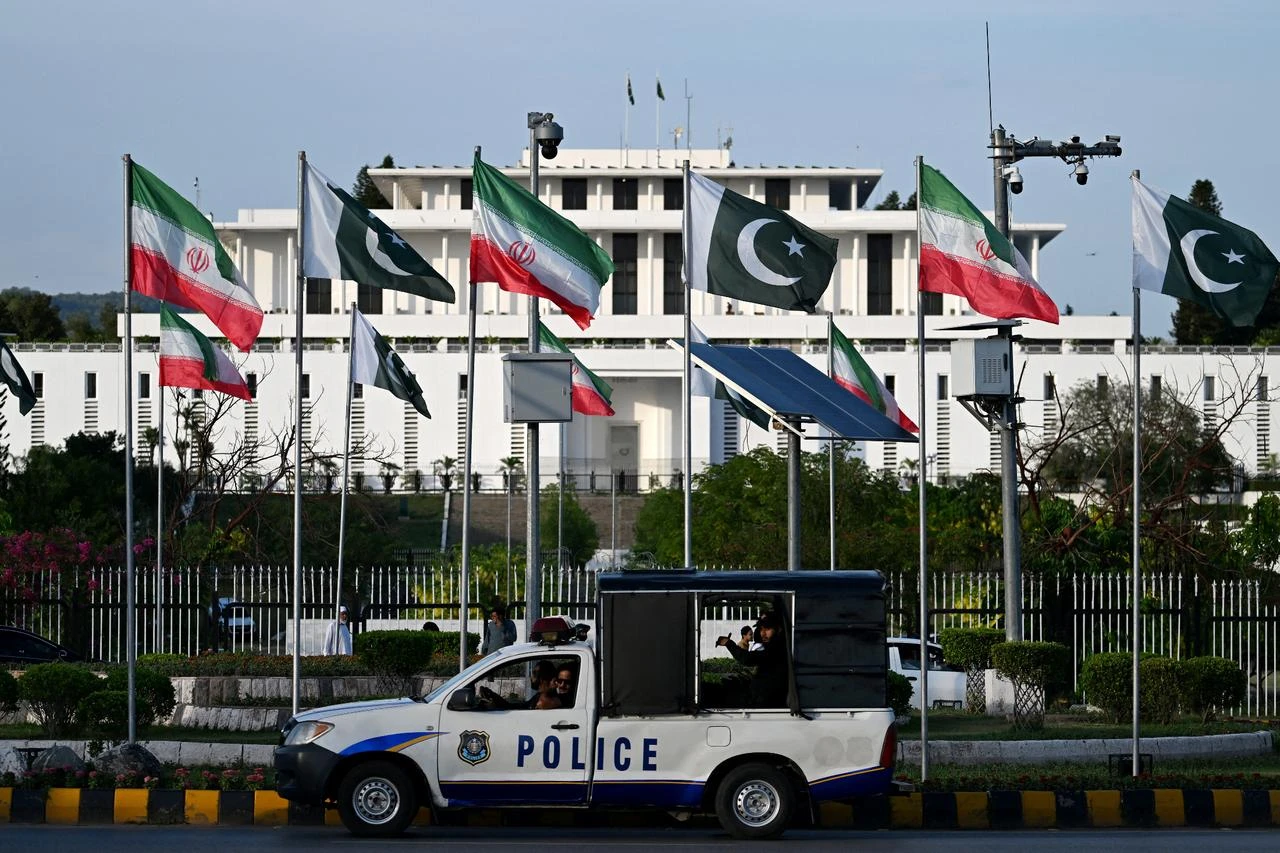


Pakistan and Qatar have jointly proposed that the United States and Iran return to the positions they held before July 9 as a first step toward resuming stalled talks to permanently end their months-long war, Pakistani government sources told Anadolu Agency (AA) on Monday.
The proposal, jointly drafted by Islamabad and Doha after consulting regional partners, calls on both sides to return to their pre-hostilities positions.
"Returning to the pre-July 9 position will be the first step to halt the raging hostilities and pave the way for the resumption of talks either in Islamabad or Doha," a Pakistani source close to the mediation effort said.
According to the sources, the proposal calls for Iran to "immediately" reopen the Strait of Hormuz, while the U.S. would end its blockade of Iranian ports and lift sanctions on Iranian oil sales.
The formula also proposes a two-week ceasefire to halt the ongoing retaliatory military strikes and create space for talks to resume.
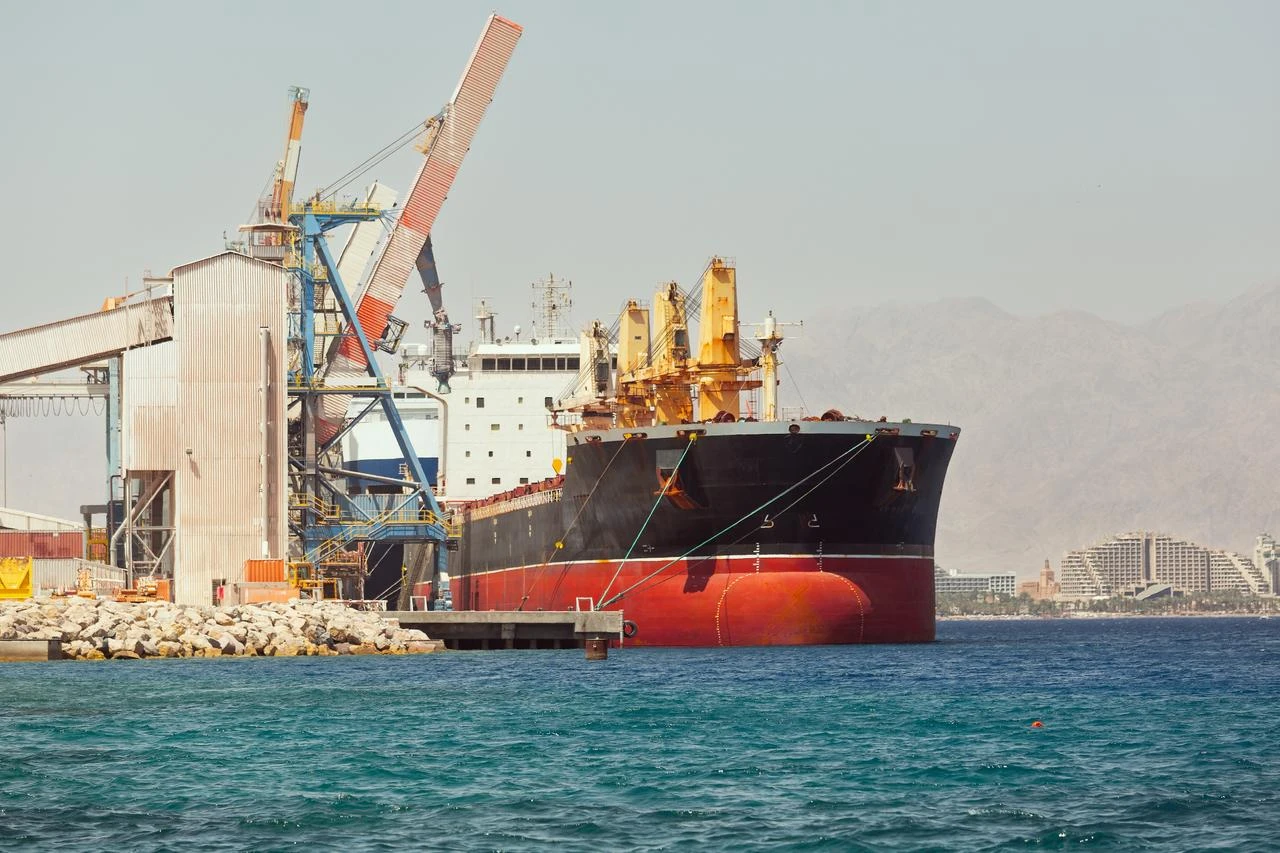
U.S. President Donald Trump announced the blockade and the reimposition of oil-related sanctions last week following Iranian attacks on three commercial vessels in the Strait of Hormuz on July 9.
The sources said that if Washington and Tehran agree to the proposal, the stalled talks would resume "immediately," with implementation of the ceasefire in southern Lebanon topping the agenda, continued violations of that ceasefire by Israeli forces having been, according to the sources, the core obstacle to implementing the broader Memorandum of Understanding (MoU) signed June 17.
Trump separately declared that memorandum "over," effectively ending the agreement and triggering the current round of confrontation.
Pakistani sources said mediators are hopeful for a "positive" response from both sides and expect talks to resume "very soon."
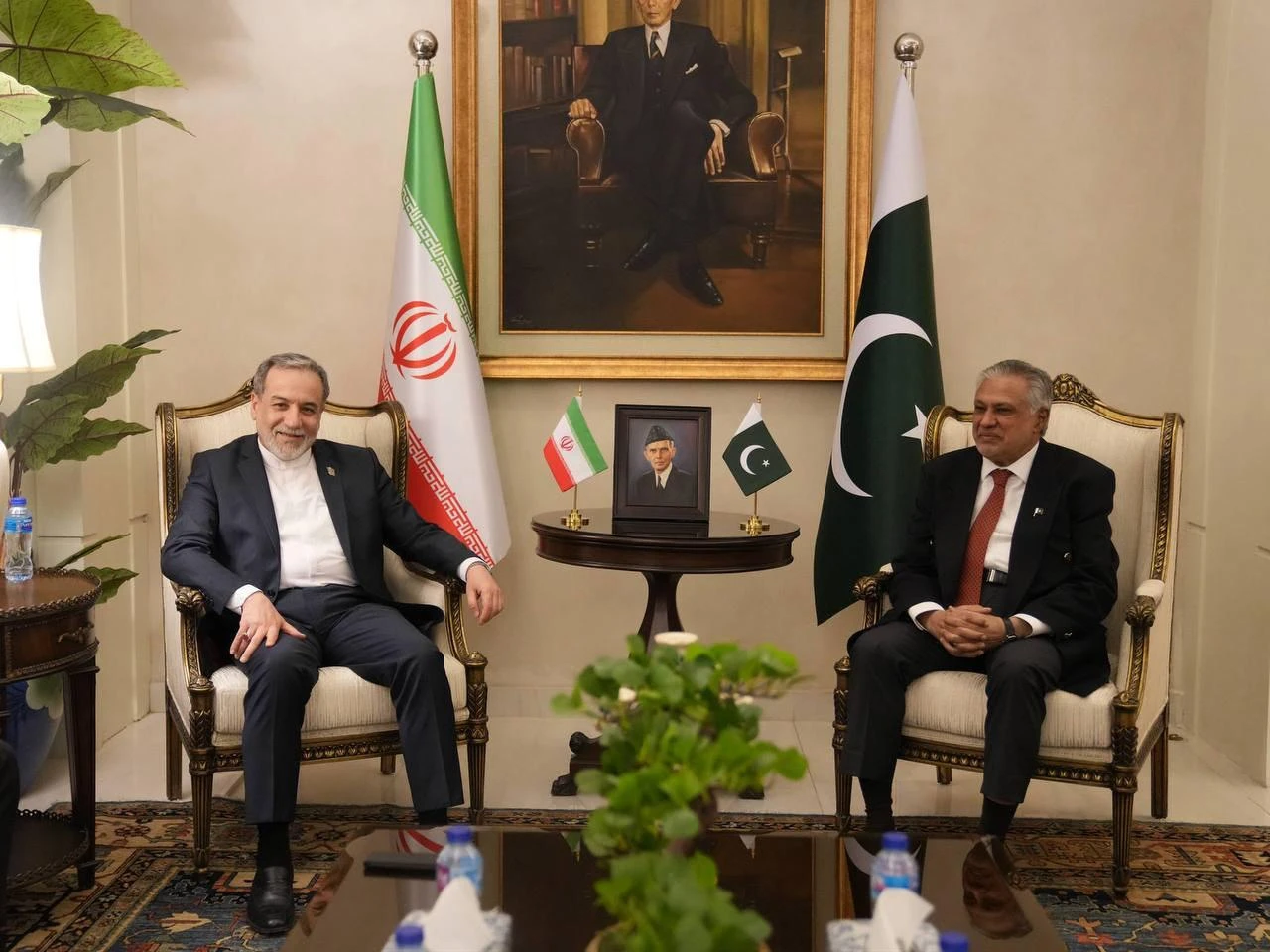

Iran's Foreign Ministry confirmed Monday that it has received proposals from mediators aimed at de-escalating tensions and is reviewing them, while reaffirming its commitment to diplomacy.
Spokesperson Esmaeil Baghaei said mediators are working to prevent further escalation and have conveyed proposals to Tehran.
"We have received the proposals through mediators, but will not discuss their details at this stage," Baghaei said.
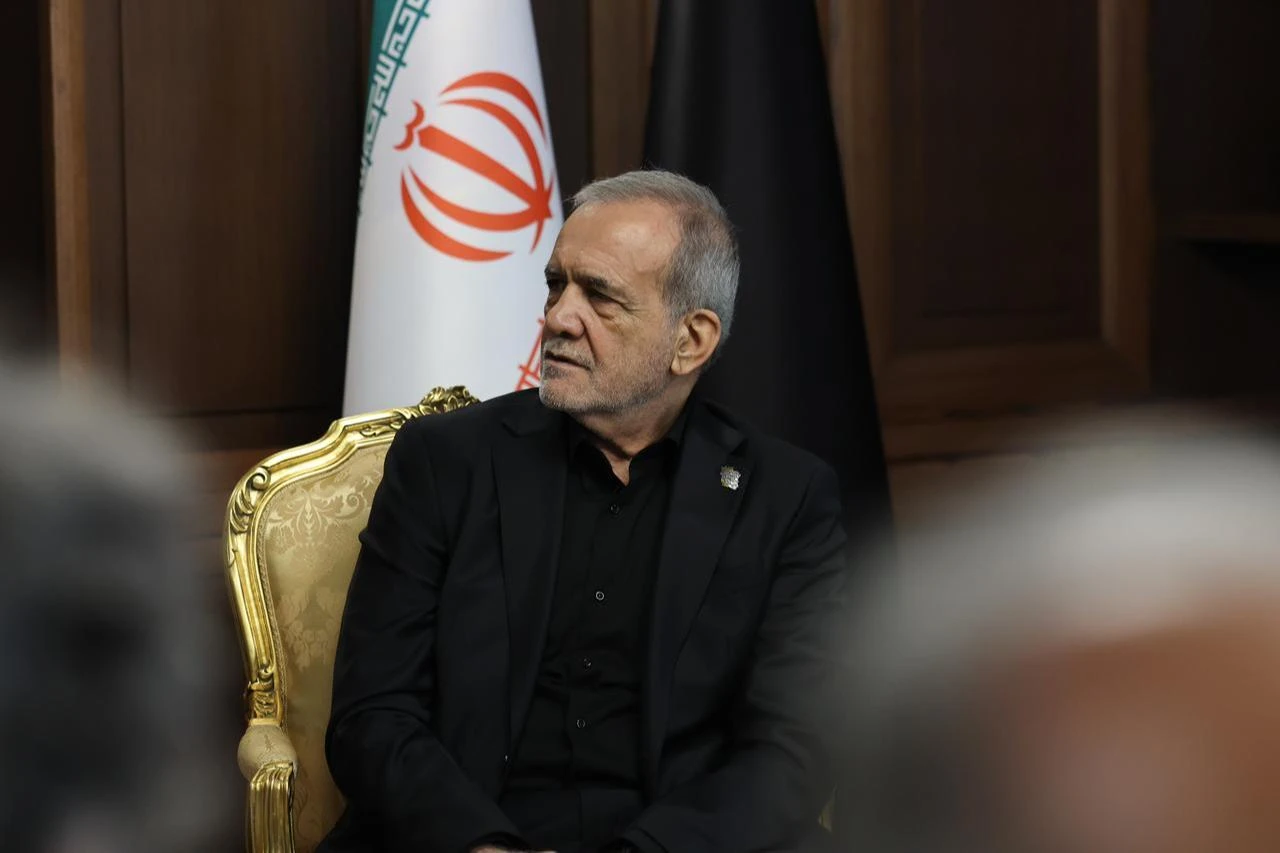
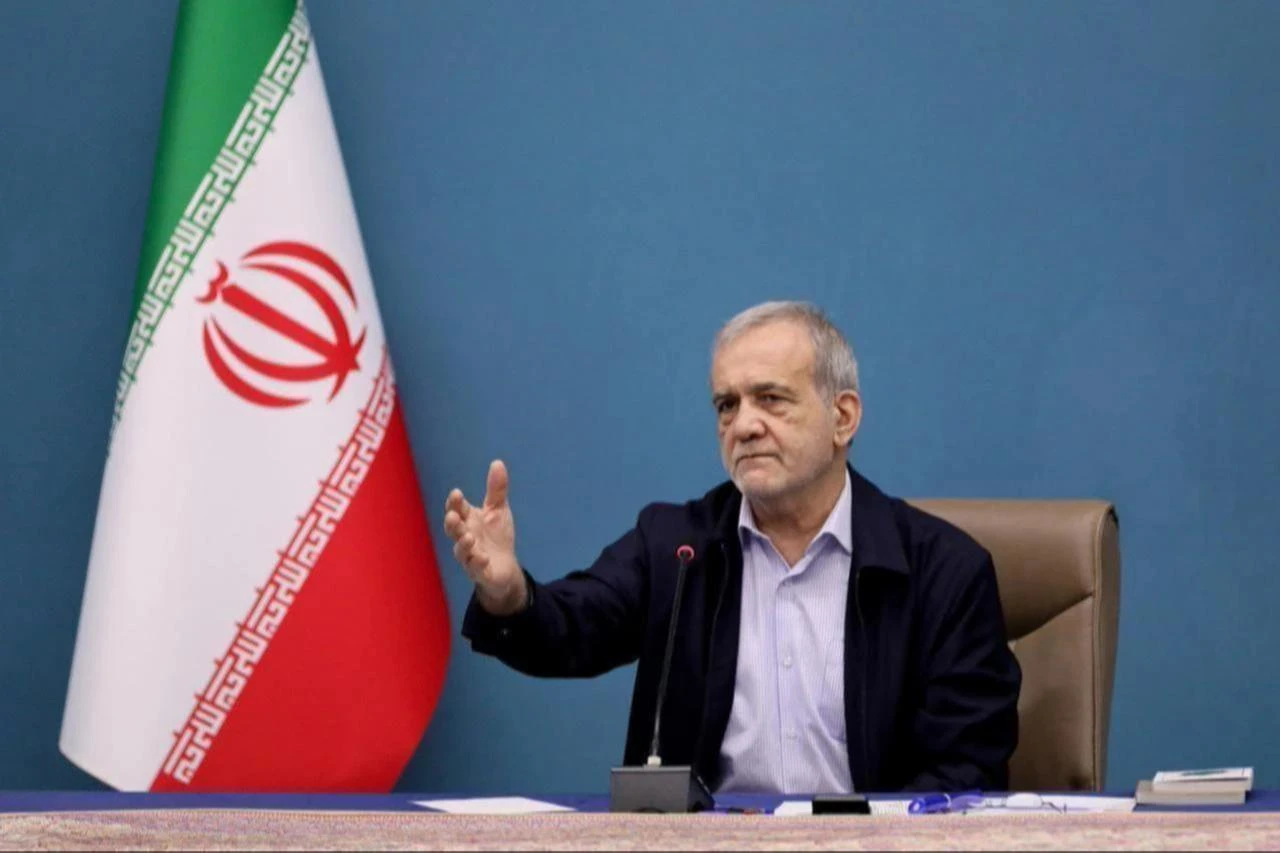
Iranian President Masoud Pezeshkian said Monday that Iran needs "unity, collective decision-making and coordination among all state institutions" amid the escalation with the U.S.
"The government would use all available capacities to reform unjust structures and continue serving the people," Pezeshkian said, according to remarks carried by ISNA news agency.
"The most important battlefield today is the economy and people's livelihoods," he said, adding that "Iran's enemies are trying through different means to block the country's path to progress."
On the collapsed June memorandum, Pezeshkian said Iran "had not retreated from its rights, principles, national interests, or beliefs in any of the 14 points" of the document and had made no concessions against its own interests, arguing that most of the agreement's terms favored Tehran.
"No provision could be found in the memorandum that created a one-sided benefit for the U.S. side," he said.
Iranian Parliament Speaker and chief negotiator Mohammad Bagher Ghalibaf said the U.S. continues sending new military equipment to the region even as it claims to want the war to end, calling the two positions contradictory.
In a post on X, Ghalibaf wrote: "Americans keep bringing new military equipment to the region and claim they're after stopping the war. They've bet on our intelligence being as brief as their own IQ. We've reached the stage of mastery in recognizing these American games, and on that basis, we've prepared ourselves. Actions must confirm claims, not contradict them."


 Set as preferred source
 Set as preferred source


 1 min read
 1 min read