Newsletters


Iran's foreign ministry on Tuesday accused the United States of orchestrating a false-flag drone strike on Kuwait International Airport to manufacture demand for American-made counter-drone technology, as Washington notified Congress of a nearly $2 billion arms sale to Kuwait anchored by systems produced by Anduril Industries.
Esmaeil Baqaei, spokesperson for Iran's Ministry of Foreign Affairs, posted the allegation on social media shortly after the U.S. State Department published its congressional notification. "The pieces of the puzzle are falling into place with remarkable speed," Baqaei wrote, accusing U.S. actors of deploying "a copied 'Lucas' drone to strike Kuwait Airport, manufacturing the perfect pretext to market their 'Powerus'-developed anti-drone air defense systems under the guise of protecting against Iranian attacks." He added: "Profitable indeed."
The State Department notification, dated June 5, 2026, announced a possible Foreign Military Sale to Kuwait of counter-unmanned aerial systems platforms valued at an estimated $1.98 billion.
The package includes Anduril's Roadrunner-Munition and Anvil-Kinetic interceptors, Long Range Sentry Towers in fixed and mobile configurations, Extended Range and Maritime Sentry Towers, Lattice command and control software, pulsar electromagnetic warfare systems, and Menace tactical operations centers, among other equipment and logistics support.
The principal contractor is listed as Anduril Industries, headquartered in Costa Mesa, California. The State Department said the sale "will support the foreign policy and national security objectives of the United States by improving the security of a major non-NATO ally."
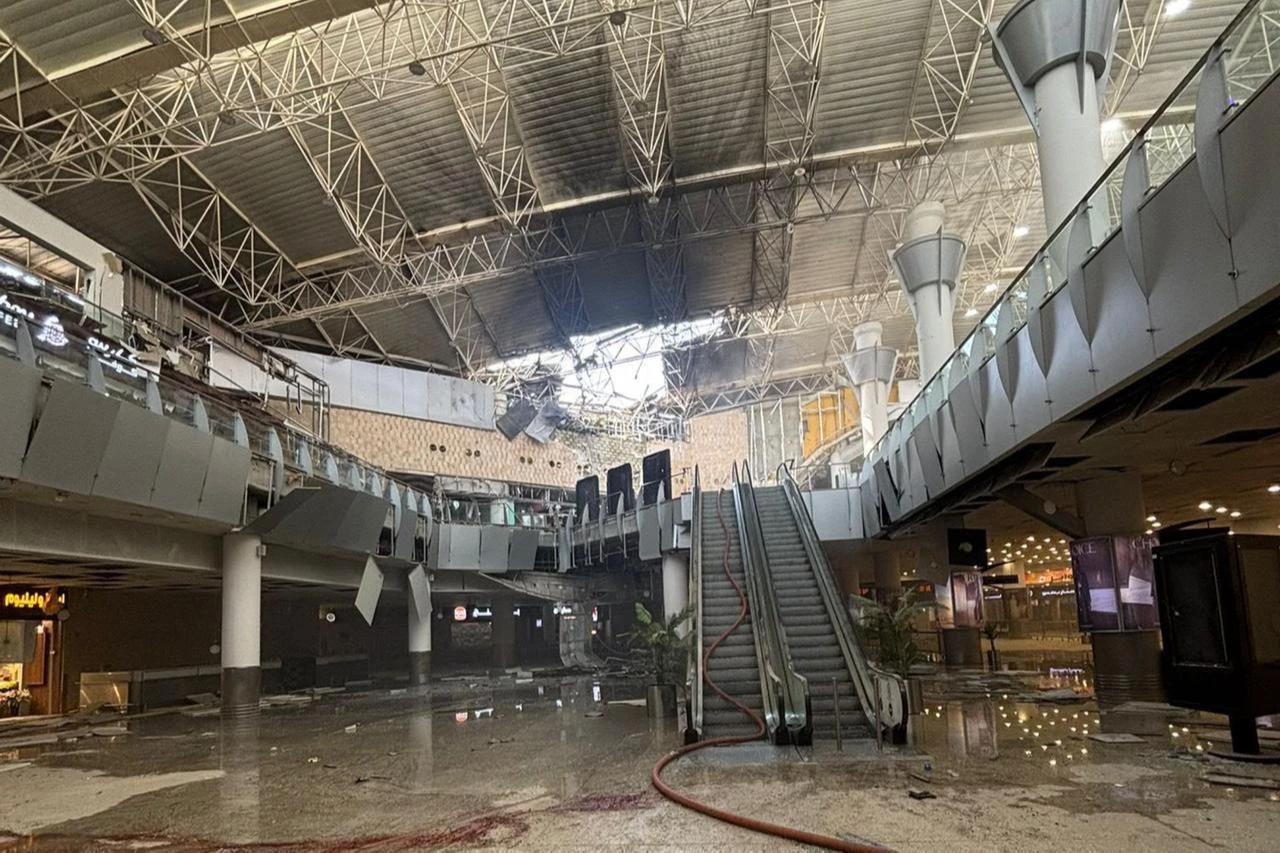

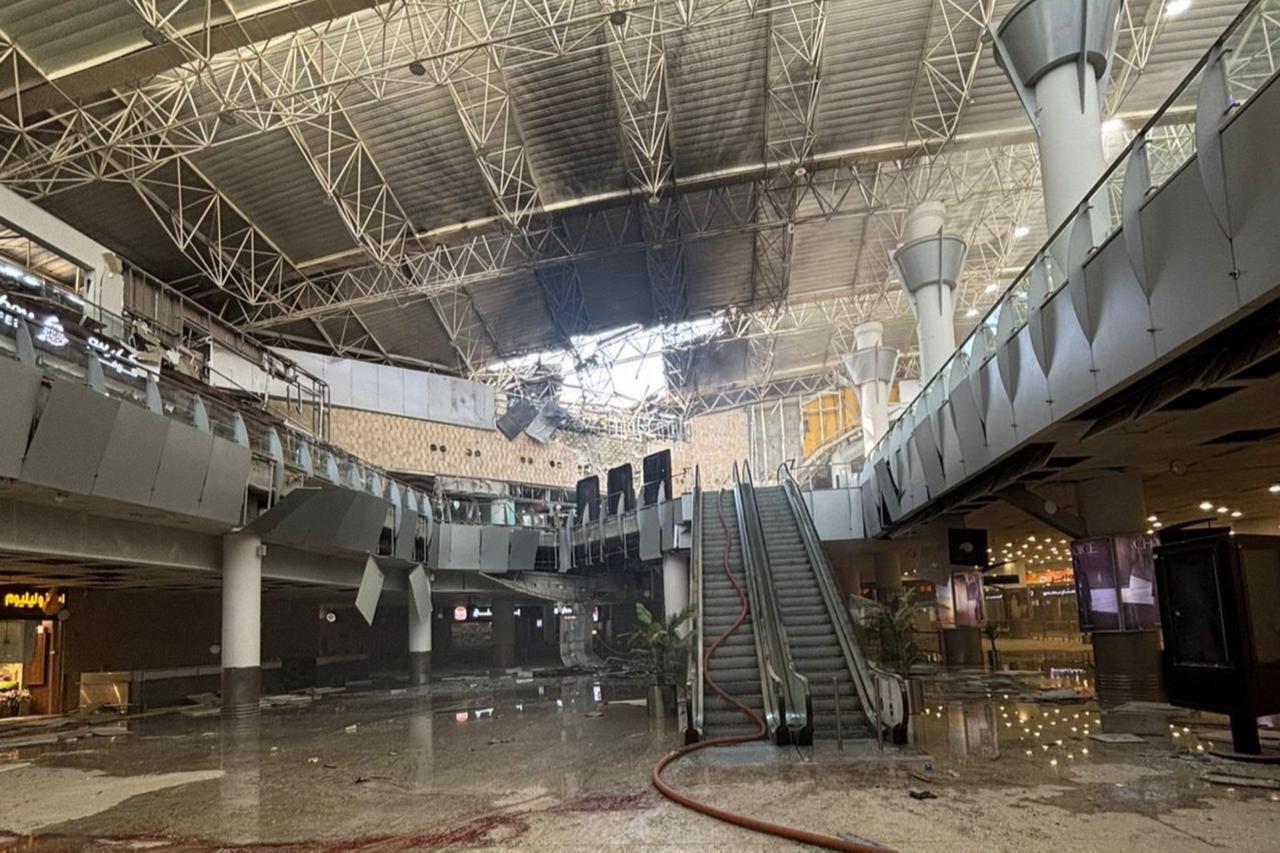
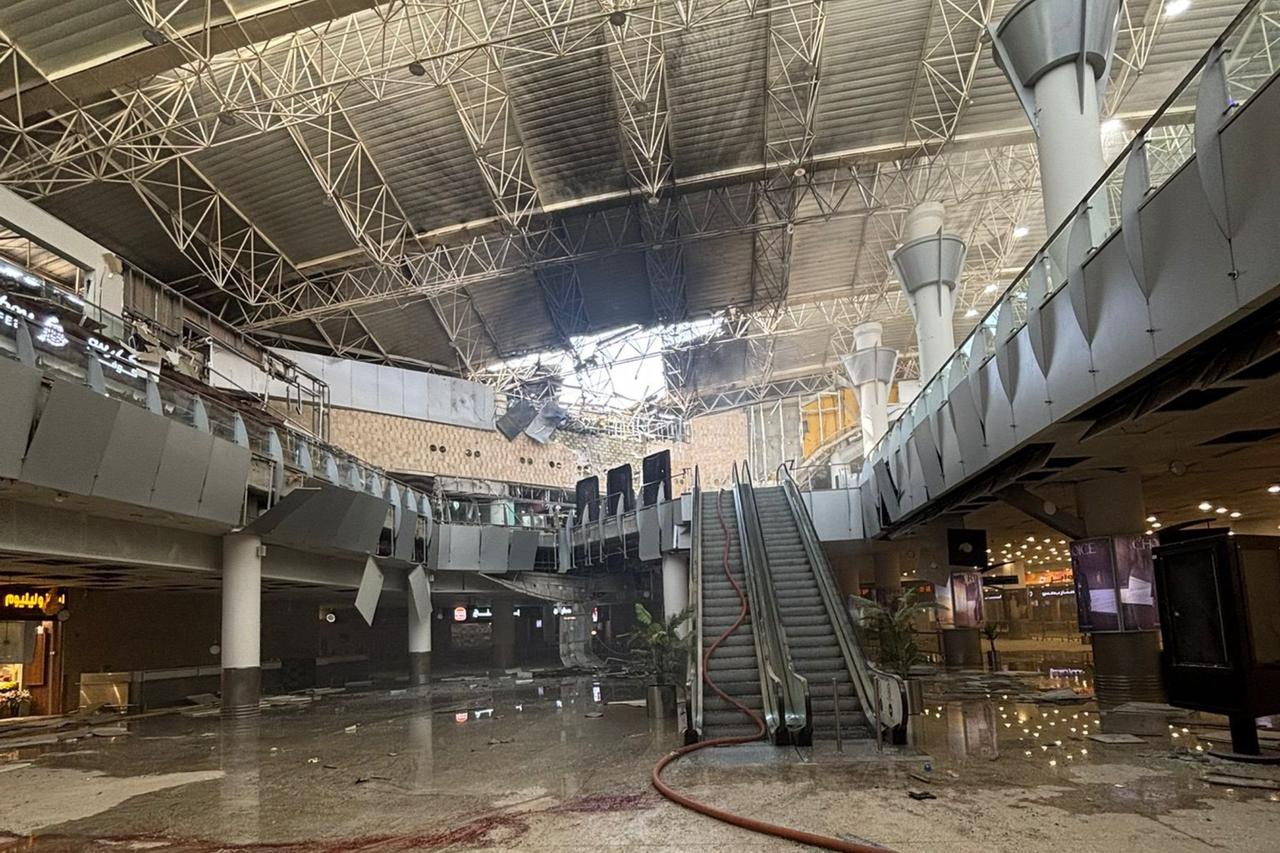
The Iranian accusation comes against a backdrop of ongoing drone and missile exchanges between Iran and coalition forces operating across the Gulf region since late February 2026. Kuwait International Airport has been struck multiple times during that period. A drone attack on June 3 killed at least one person, injured dozens more, and heavily damaged Terminal 1, forcing a temporary suspension of commercial flights.
Kuwait's Defense Ministry confirmed that "a number of hostile drones" had targeted the airport's passenger building. The airport had only recently resumed operations after an earlier closure linked to strikes in February.
Iran has maintained throughout the broader conflict that its strikes target military logistics infrastructure and U.S. military assets in Kuwait and other Gulf states. Kuwait, a major non-NATO ally of the United States, hosts several American military facilities and serves as a key logistics corridor for U.S. Central Command operations.
 1 min read
Baqaei's reference to the "Lucas" drone carries some contextual weight in Washington's defense landscape.
LUCAS, the Low-Cost Uncrewed Combat Attack System, is a one-way attack drone manufactured by Arizona-based SpektreWorks and widely described in defense reporting as reverse-engineered from Iran's own Shahed-136 loitering munition. It has been deployed during U.S. operations in the region and costs roughly $35,000 per unit.
Anduril, separately, has rapidly expanded its footprint as one of the Pentagon's most prominent counter-drone suppliers, securing a $20 billion enterprise framework contract with the Army in March 2026 and a $642 million deal with the Marine Corps for installation-level counter-UAS capabilities. Its AI-powered Lattice platform, which provides command and control for drone detection and engagement, sits at the center of several of the systems included in the Kuwait sale.


 Set as preferred source
 Set as preferred source


 1 min read