Newsletters


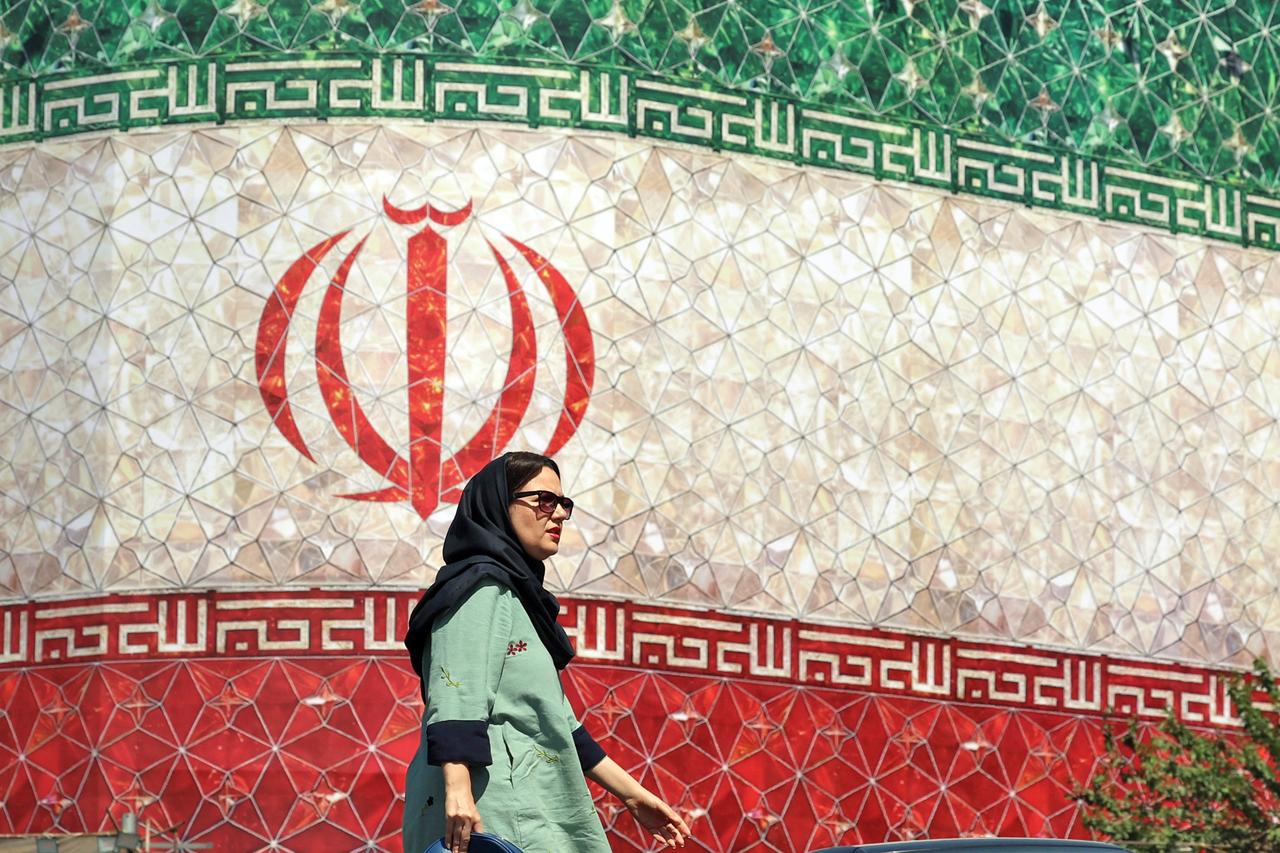


Iran confirmed Monday that it will sign a memorandum of understanding with the United States on June 19 in Geneva, a deal that is set to begin the lifting of a U.S. naval blockade and open negotiations on sanctions relief, frozen funds and nuclear restrictions.
Iranian Deputy Foreign Minister Kazem Gharibabadi said the text had been finalized after months of talks, indicating that the U.S. naval blockade against Iran will end Sunday night U.S. time.
Gharibabadi also stated that nuclear issues would also be part of the talks, but only after Iran verifies U.S. commitments on ending hostilities, lifting the blockade, and releasing frozen assets.
The assets, estimated to be worth $24 billion, have been restricted under U.S. sanctions and are held in accounts across several countries, including funds linked to oil and energy revenues.
Iranian officials would publish the full text after the signing ceremony, he added.
Iran’s Supreme National Security Council also said the text of "war-ending negotiations" had been completed and that military operations across all fronts, including in Lebanon, would end immediately and permanently.
The council said the maritime blockade would be lifted in full and thanked Pakistan and Qatar for helping mediate the talks.
Iranian officials said the agreement would lead to a 60-day negotiation period covering the removal of primary and secondary sanctions, the status of U.N. Security Council and Board of Governors resolutions, and the release of frozen Iranian assets.
Reuters reported that a draft deal also includes nuclear limits, a lifting of the naval blockade and a broader sanctions framework.
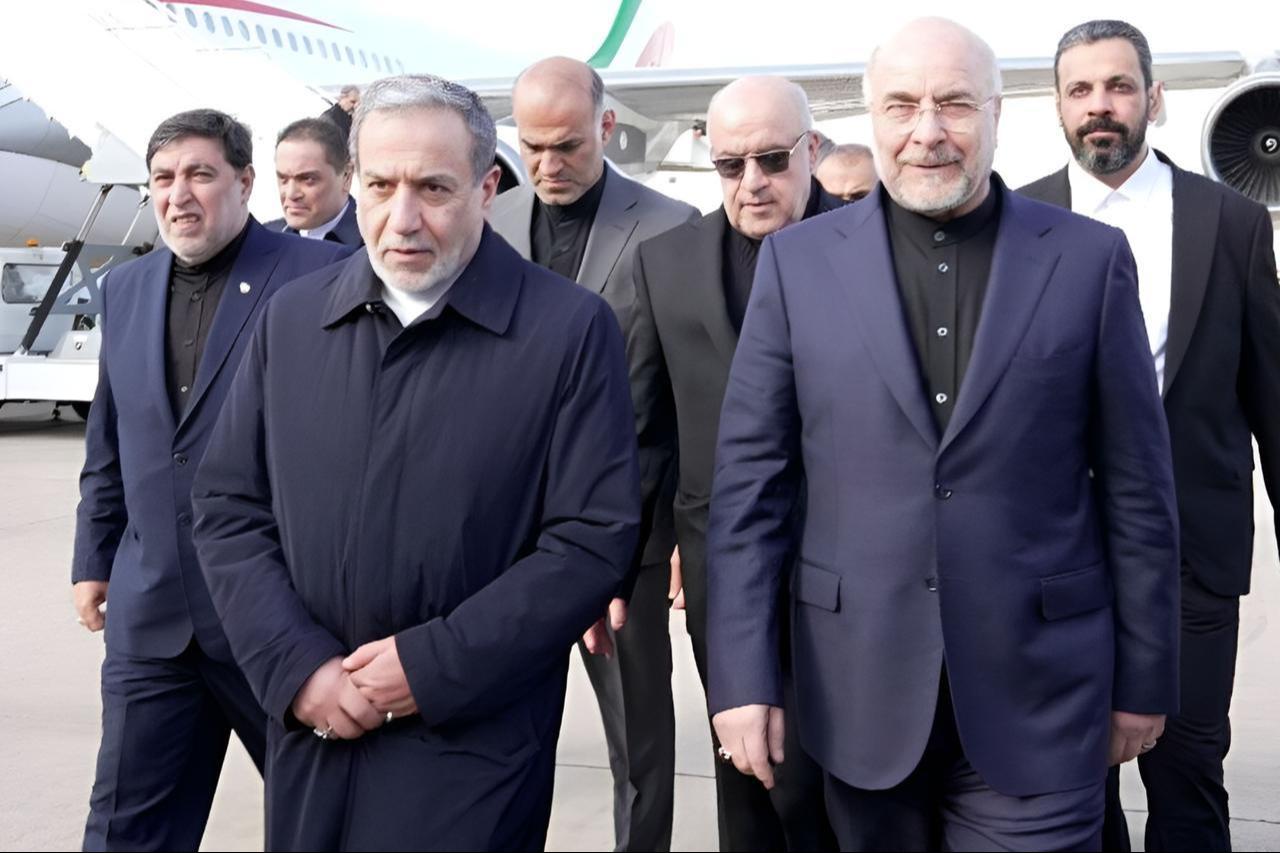

U.S. President Donald Trump announced Sunday that a deal with Iran had been completed and said he had authorized the reopening of the Strait of Hormuz and the removal of the U.S. naval blockade. He posted on Truth Social that "the deal with the Islamic Republic of Iran is now complete."
Trump also told The New York Times that if Iran fails to reach a final nuclear agreement with Washington, he could restart military strikes. He said the arrangement would ultimately keep the Strait of Hormuz "permanently toll-free."
U.S. Vice President JD Vance said he plans to attend the June 19 signing ceremony in Geneva for the newly announced agreement with Iran and suggested that Trump could also take part if arrangements are finalized.
"I certainly plan to be there, but it's possible the president himself could be there," Vance explained. "We're still figuring out the logistics on who's going to attend that signing ceremony."
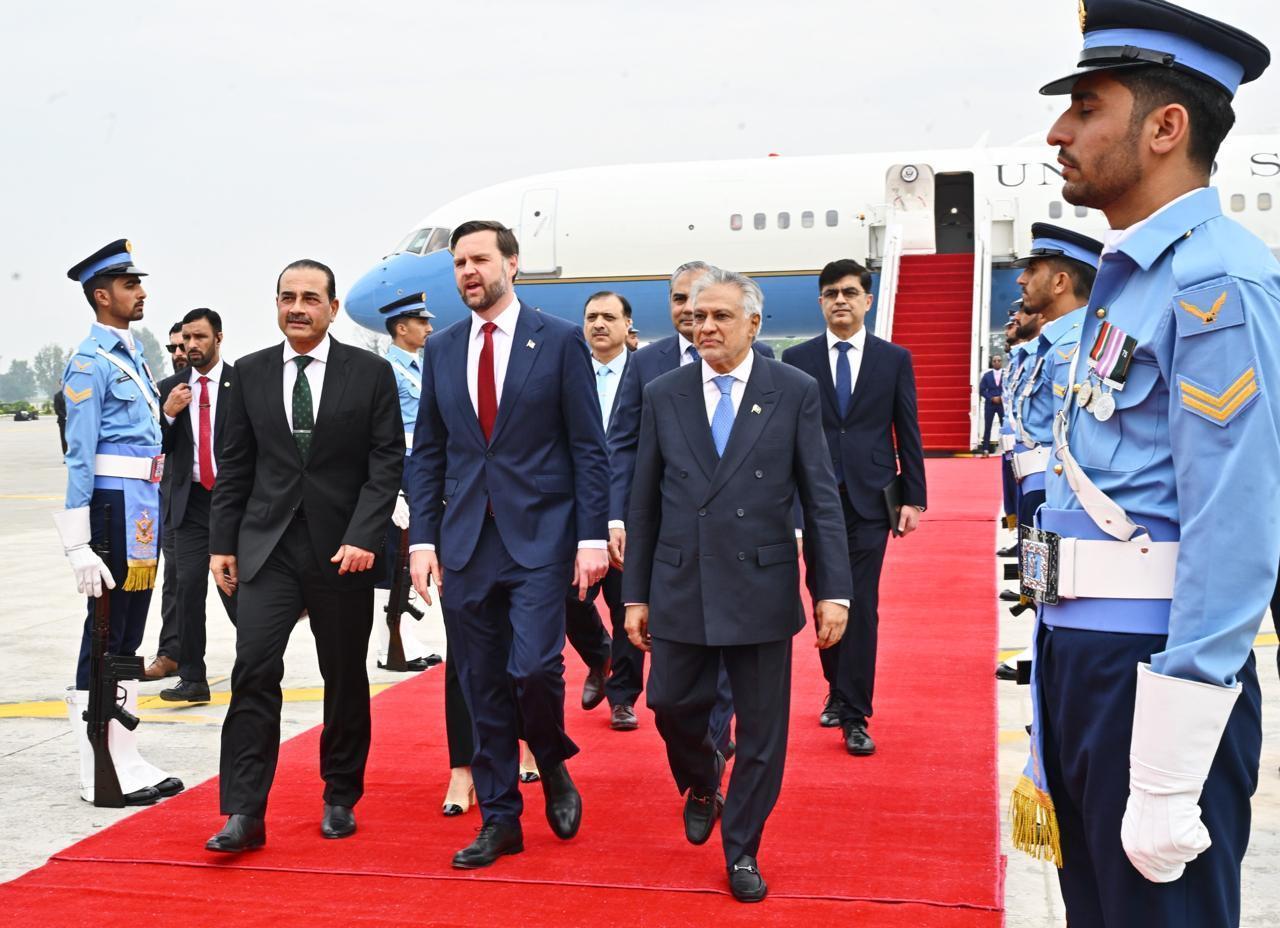
Pakistani Prime Minister Shehbaz Sharif separately announced that the United States and Iran had reached a peace agreement after intensive negotiations, with both sides declaring an immediate and permanent end to military operations across all fronts.
Foreign Minister Ishaq Dar said the breakthrough demonstrated "the power of sustained diplomatic engagement and the collective resolve of friendly nations to choose dialogue over confrontation."
He added that the deal sends a "reassuring" message to the international community and provides "much-needed confidence and stability to global markets and the world economy," particularly for developing countries vulnerable to regional instability.
Dar said Pakistan remained actively engaged with all parties throughout the conflict and thanked Saudi Arabia, Qatar, Türkiye, Egypt, the United Nations and other international partners for supporting efforts that helped secure the agreement.
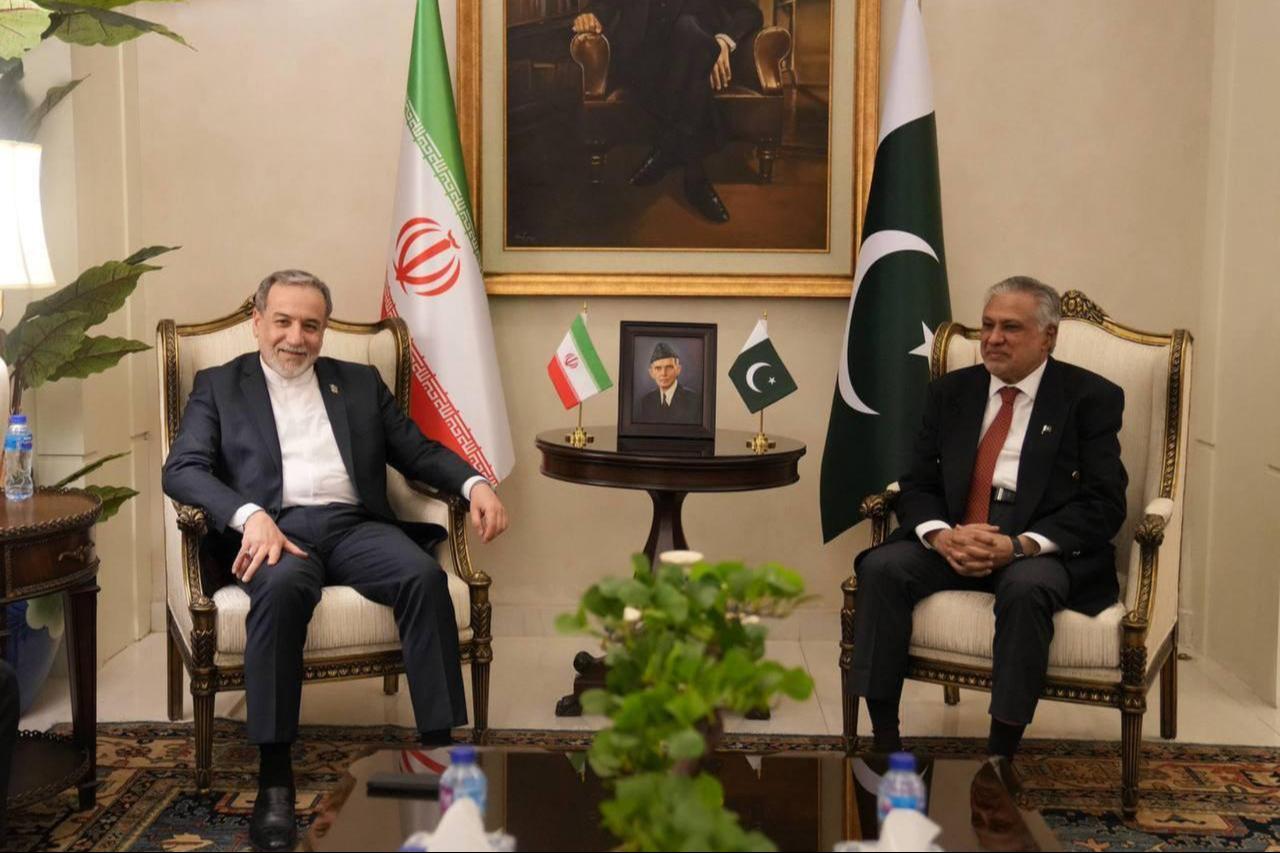
The leaders of France, the U.K., Germany and Italy welcomed the agreement on Monday, calling it a diplomatic breakthrough and urging rapid implementation.
"We warmly welcome the announcement of the memorandum of understanding between the U.S. and Iran," the four countries said in a joint statement.
They also called for the reopening of the Strait of Hormuz with "unconditional and unrestricted freedom of navigation" and reiterated that "Iran must never acquire a nuclear weapon."
The leaders added that they were prepared to support the implementation of the accord and indicated sanctions could be eased if Tehran takes "clear, verifiable steps" regarding its nuclear program.
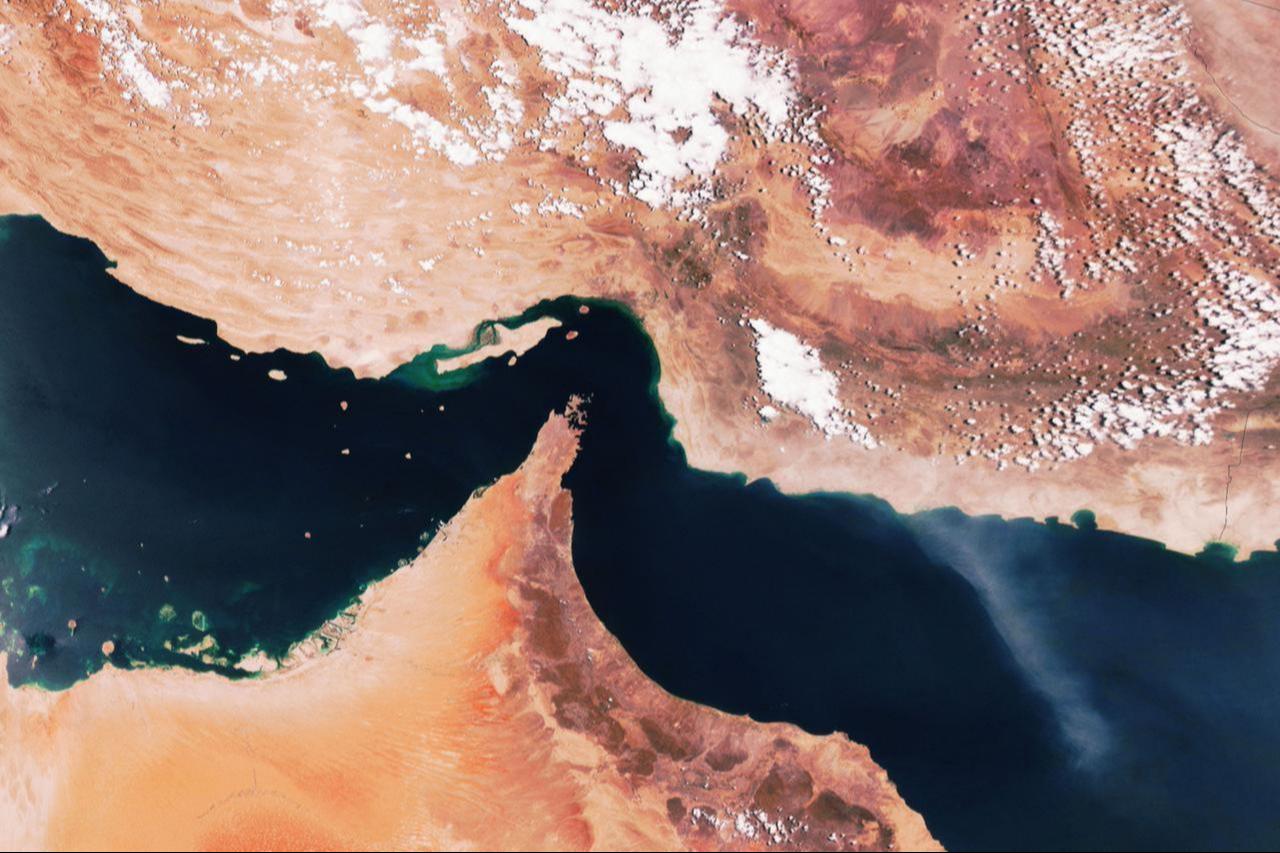
The agreement comes after more than three months of conflict that began when the U.S. and Israel launched strikes on Iran on Feb. 28, prompting retaliation from Tehran against U.S. allies in the Gulf and contributing to the disruption of shipping through the Strait of Hormuz.
A ceasefire was announced on April 8 through Pakistani mediation, paving the way for the negotiations that culminated in the June 19 memorandum.
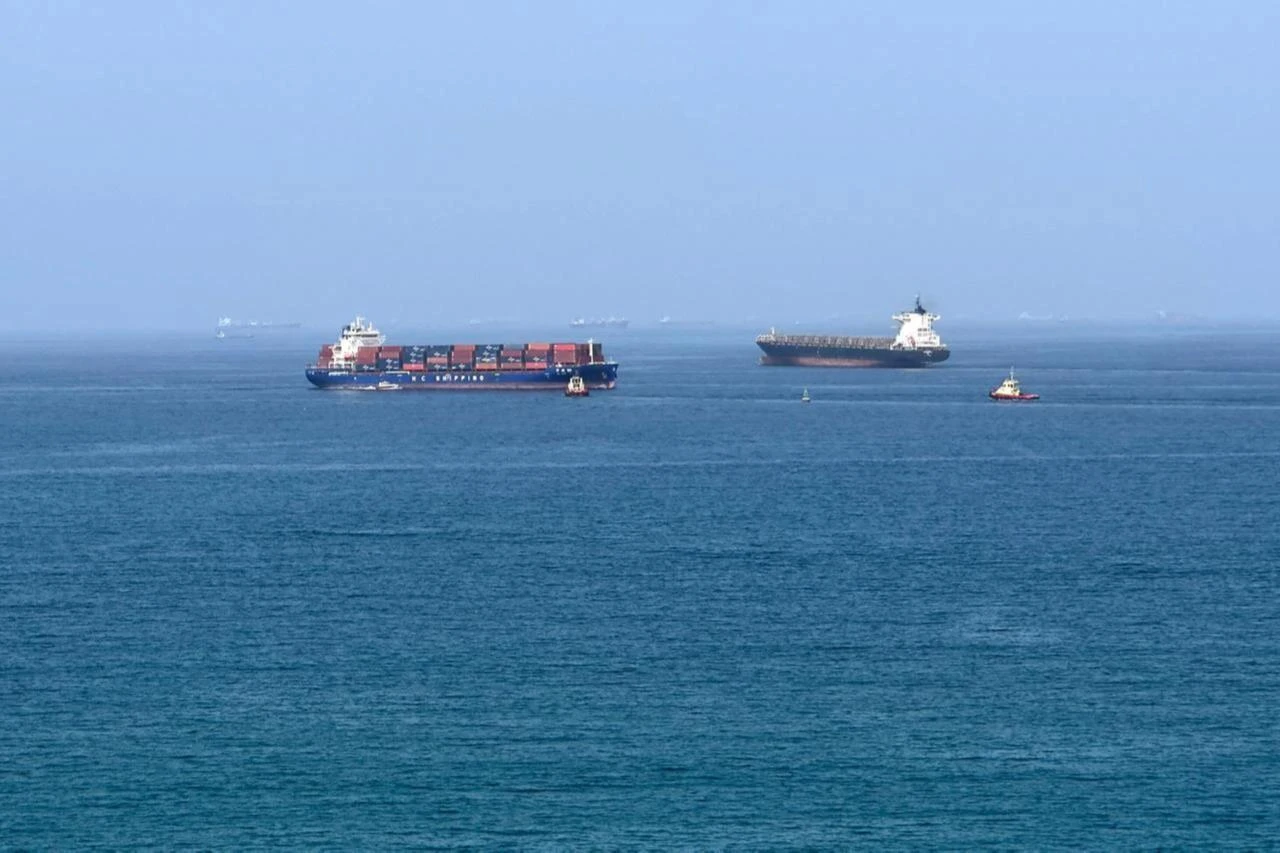
The stakes are particularly high because the Strait of Hormuz remains one of the world's most important energy chokepoints, carrying roughly 20% of global petroleum consumption and about one-quarter of all seaborne oil trade.


 Set as preferred source
 Set as preferred source


 2 min read
 1 min read