Newsletters




The United States and Iran have reached a peace deal ending their military conflict, with both sides declaring an immediate and permanent cessation of hostilities on all fronts, including Lebanon, Pakistan's Prime Minister Shehbaz Sharif announced. A formal signing ceremony is scheduled for June 19 in Switzerland.
The agreement caps months of on-again, off-again negotiations that cycled through collapsed talks, military exchanges, and competing public ultimatums. The deal, brokered largely through Pakistani mediation, has been referred to in diplomatic circles as the "Islamabad Declaration," a recognition of Islamabad's pivotal role as a backchannel between Washington and Tehran, two governments that have had no direct diplomatic relations since 1980.
Türkiye, Saudi Arabia, and Qatar received special recognition from Sharif for their contributions to the agreement, with the Pakistani prime minister saying he would "especially thank the visionary leadership of Kingdom of Saudi Arabia and Republic of Türkiye for their immense contributions in this regard." A series of meetings is set to follow this week to lay the groundwork for technical talks ahead of the June 19 ceremony.
Both sides committed to ending military operations not only within Iran but across all active fronts, explicitly including Lebanon, where Iran-backed Hezbollah has long operated as a regional proxy force. The inclusion of Lebanon in the terms had been a priority for European partners. French Foreign Minister Jean-Noel Barrot had earlier underscored to Pakistan's Foreign Minister Ishaq Dar the "vital importance" of Lebanon being covered in any ceasefire for the sake of its long-term viability.
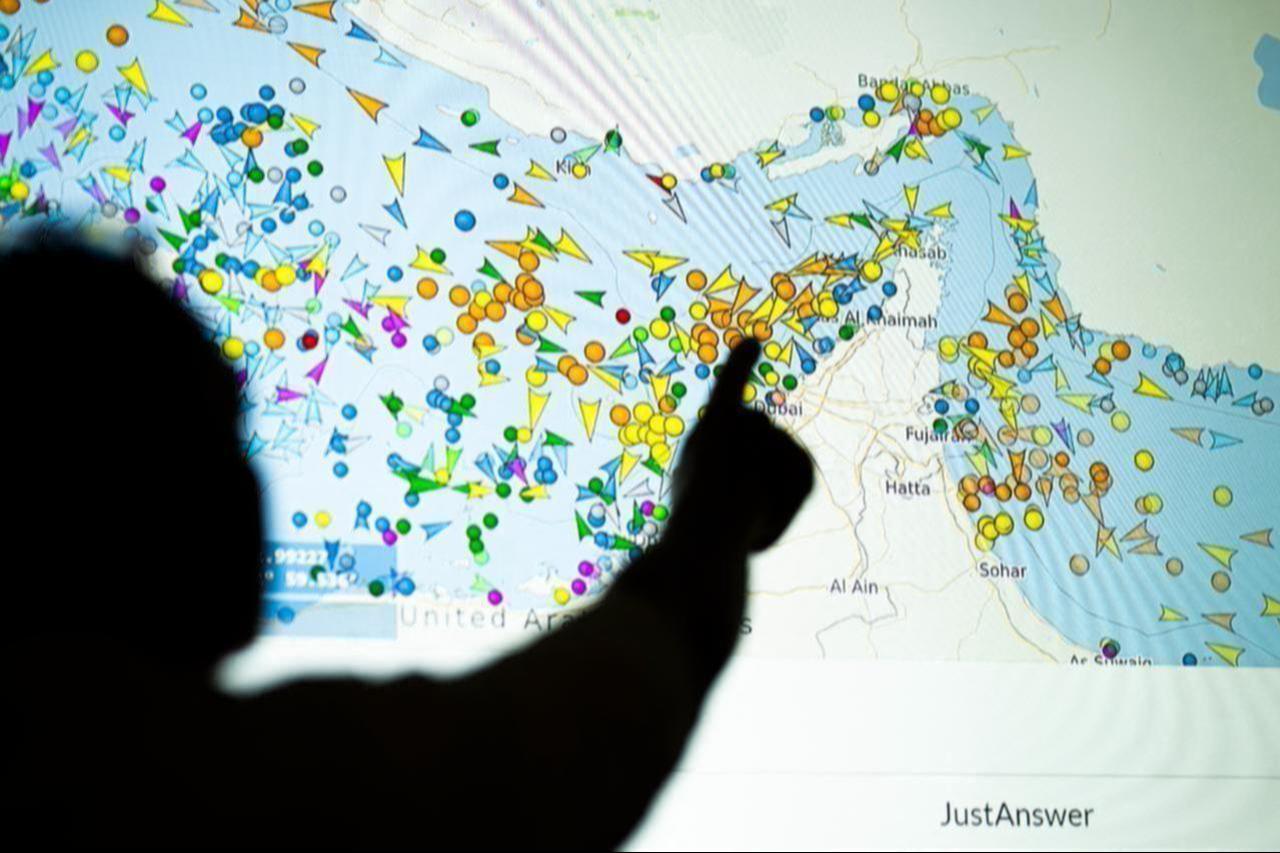

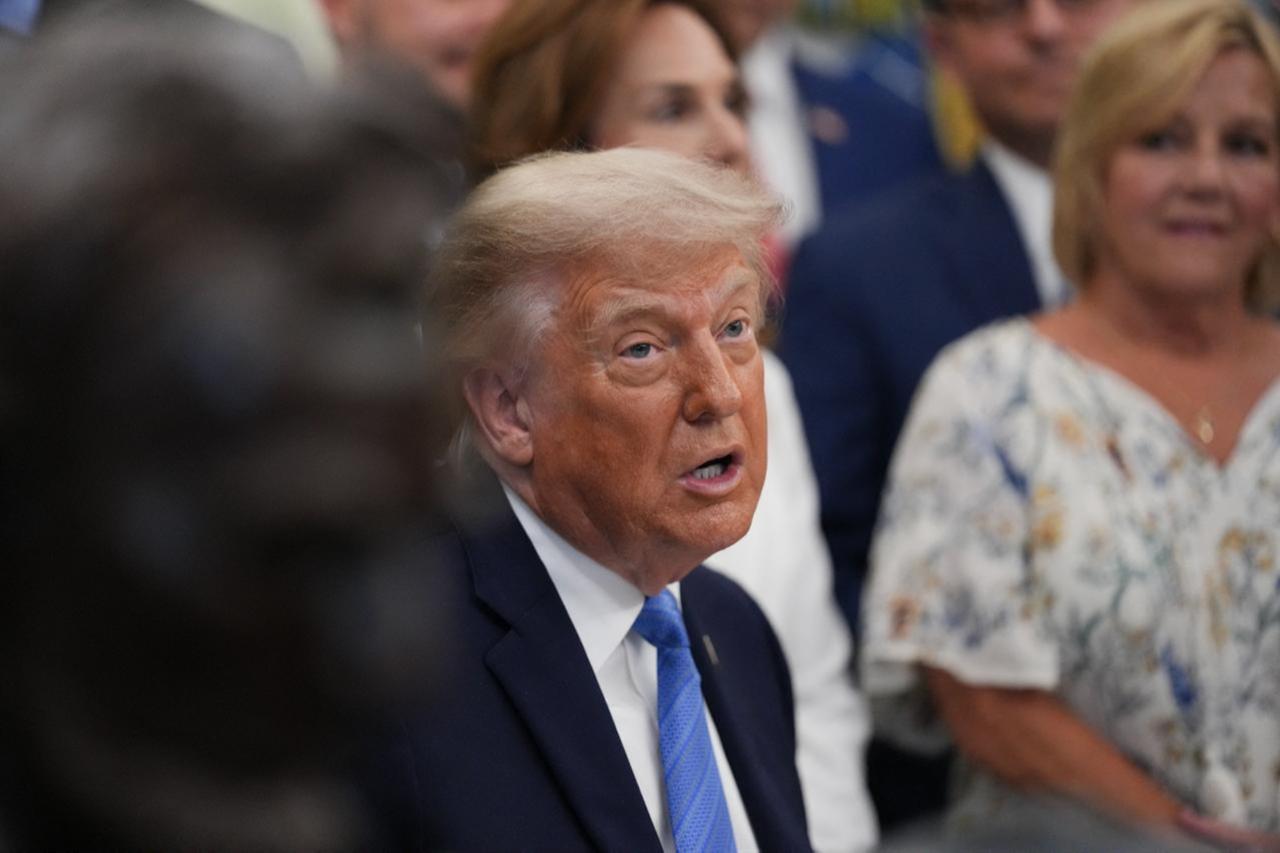
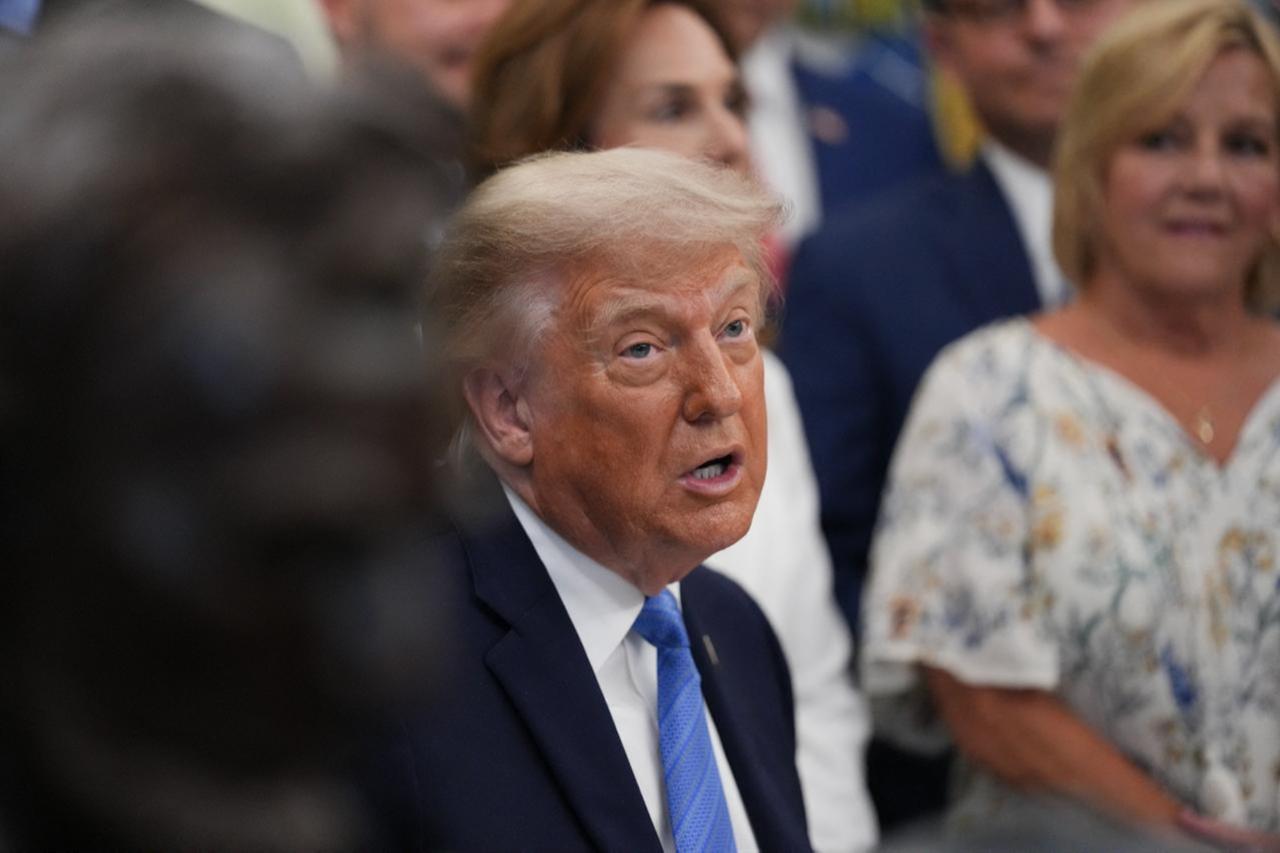
U.S. President Donald Trump declared on his Truth Social platform that he was lifting the American naval blockade on Iranian ports and ordering the Strait of Hormuz reopened to international shipping. "I hereby fully authorize the toll free opening of the Strait of Hormuz, and, simultaneously herewith, authorize the immediate removal of the United States Naval blockade. Ships of the World, start your engines. Let the oil flow!" he wrote, adding that the ceasefire agreement "is now complete."
Yet as of the announcement, Iran had offered no public confirmation of the deal, and White House reporting indicated that whether a formal memorandum of understanding had actually been signed remained unclear. Analysts noted that Trump appeared to reverse the expected sequence of events, announcing the opening of the strait before a signing had taken place, rather than after. White House correspondents described the move as Trump buying time while managing competing pressures, including fresh Israeli strikes in Beirut that had threatened to torpedo the agreement entirely earlier in the day.
The announcement came after a few hours of diplomatic firefighting. Israeli strikes in Lebanon earlier in the day had appeared to shatter any remaining momentum, raising fears in regional capitals that Iran would abandon negotiations and escalate militarily.
Pakistan and Qatar, both deeply invested in the mediation effort, scrambled to hold the process together. A Qatari delegation was reported to be in Tehran at the time of the announcement, working to reassure Iranian officials.
Iran's National Security Council had voted in favor of continued negotiations, a development that provided enough political cover for the agreement to survive the day's turbulence. The result, as one correspondent reporting from Doha put it, was "not the virtual signing that the Americans had hoped for, but not the complete breakdown that was feared."
Sharif announced the breakthrough, declaring the two sides had reached a "final, agreed upon text" and that "peace has never been this close as it is now." Pakistan occupied an unusual diplomatic position throughout the crisis, with a section of its Washington embassy formally representing Iranian interests in the United States.
Pakistani Foreign Minister Ishaq Dar maintained active communication with counterparts in Saudi Arabia, Qatar, and Switzerland in the days leading up to the announcement, working to align the conditions for a formal agreement.
The June 19 signing ceremony in Switzerland comes after Geneva hosted multiple rounds of indirect talks between U.S. and Iranian delegations beginning in February 2026.
Those sessions, mediated in part by Oman's Foreign Minister Badr Albusaidi, had produced incremental progress but failed to yield a final agreement. The Swiss venue also places the ceremony in proximity to the G7 summit in neighboring France, where Trump was expected to be present in the same window.
The deal, if formalized, largely restores conditions that existed before the war began, though with thousands dead and Iran having demonstrated a new capacity to influence global shipping through the Strait of Hormuz, the strategic landscape has shifted considerably.
The strait, a narrow chokepoint through which a significant share of the world's oil, natural gas, and related products transit, was effectively closed for much of the conflict after Iran moved to assert control over vessel movements through the waterway, sending shockwaves through global energy markets.


 Set as preferred source
 Set as preferred source


 2 min read
 1 min read