Newsletters


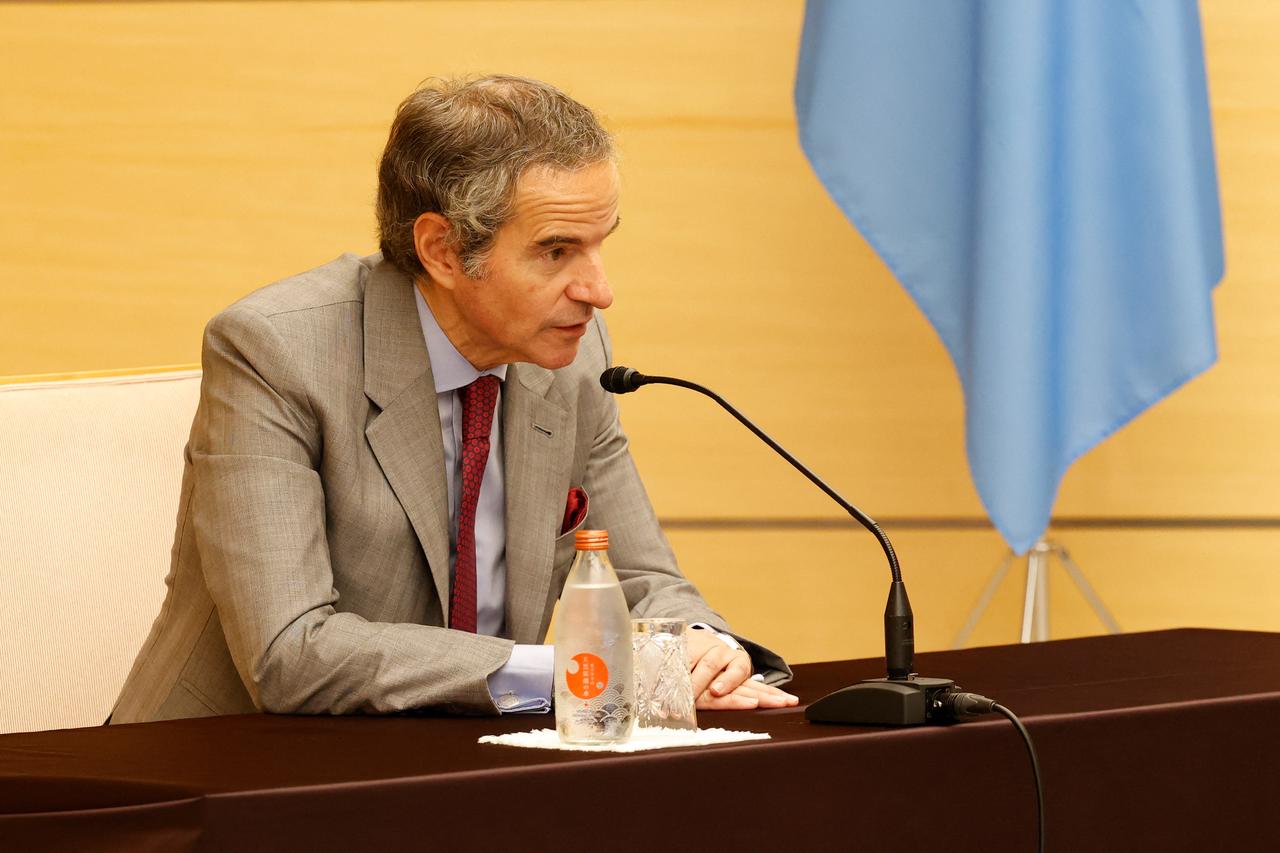


The interim U.S.-Iran peace accord grants United Nations' nuclear inspectors access to Iran, the International Atomic Energy Agency's (IAEA) top official said Friday, pushing back after Tehran indicated key sites would remain off-limits until a final deal with Washington is reached and sanctions are lifted.
The U.S. and Iran signed a Memorandum of Understanding (MoU) last week, paving the way for 60 days of talks to resolve more difficult issues, including those tied to Iran's nuclear program.
Iran's Deputy Foreign Minister Kazem Gharibabadi said Wednesday there were no plans to grant inspectors access.
But IAEA Director-General Rafael Grossi insisted inspections must proceed.
"There is an agreement and to comply with that agreement, the IAEA will have to have access and inspect," he told a press conference in Japan. "We hope to be there soon."

Grossi said U.N. inspectors have already held an initial exchange with Iranian officials on technical issues.
He said the first goal of any visit to Iran would be to verify whether the IAEA seals on previously inspected material remain intact and whether any material is missing.
"I think the objective of this (recent U.S.-Iran preliminary) agreement is to ensure that there is no development of nuclear weapons in Iran. The government of Iran has declared quite clearly that this is not its intention," Grossi told reporters.
"But of course, intentions are not enough. We have to have a very strong verification system in place, as soon as is practicable," he noted.
Grossi said talks with Iran on what to do with Tehran's uranium stockpile had only "barely initiated" following the preliminary agreement.
"Initial conversations have taken place. We expect this work to pick up soon," he said.
The IAEA estimates Iran had 440.9 kilograms of uranium enriched to up to 60% before the conflict began, close to the 90% threshold needed for a weapon and well above the 3.67% limit set under the now-defunct 2015 nuclear agreement.
If enriched further, that quantity would be sufficient for 10 nuclear weapons, according to an IAEA yardstick.
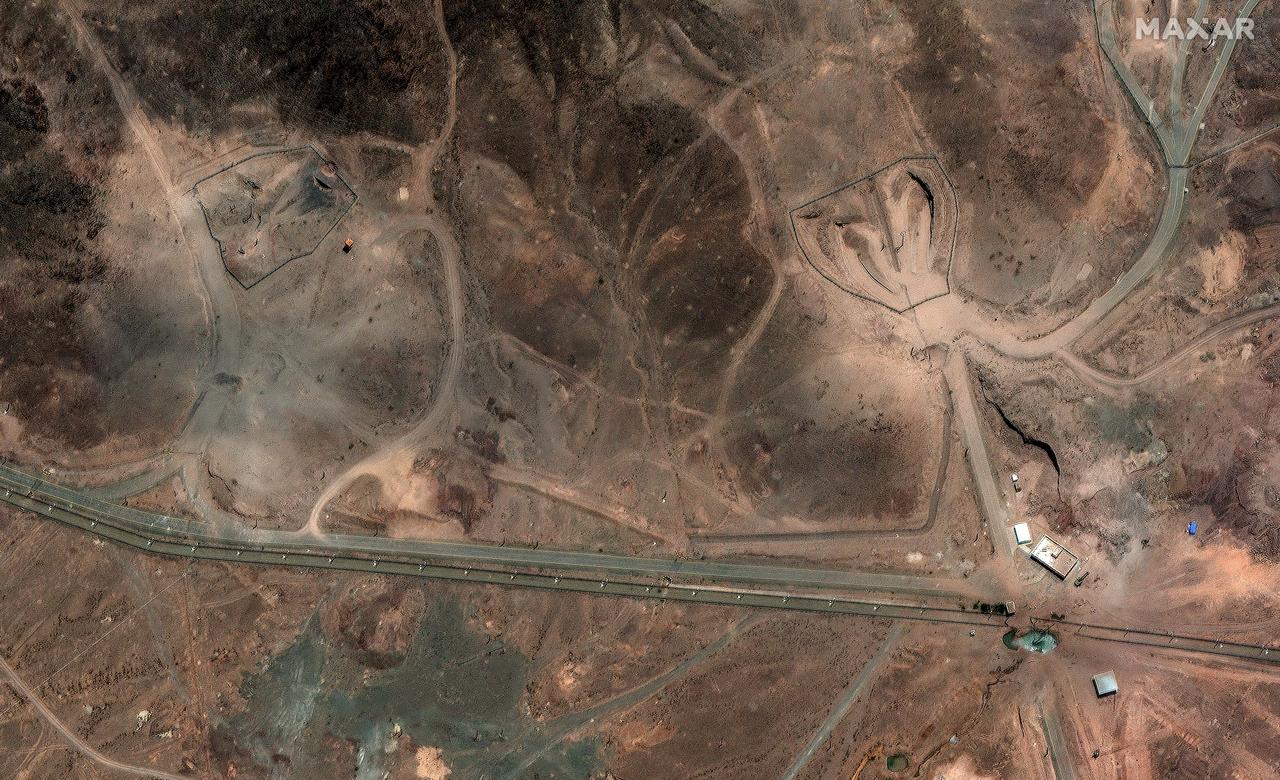
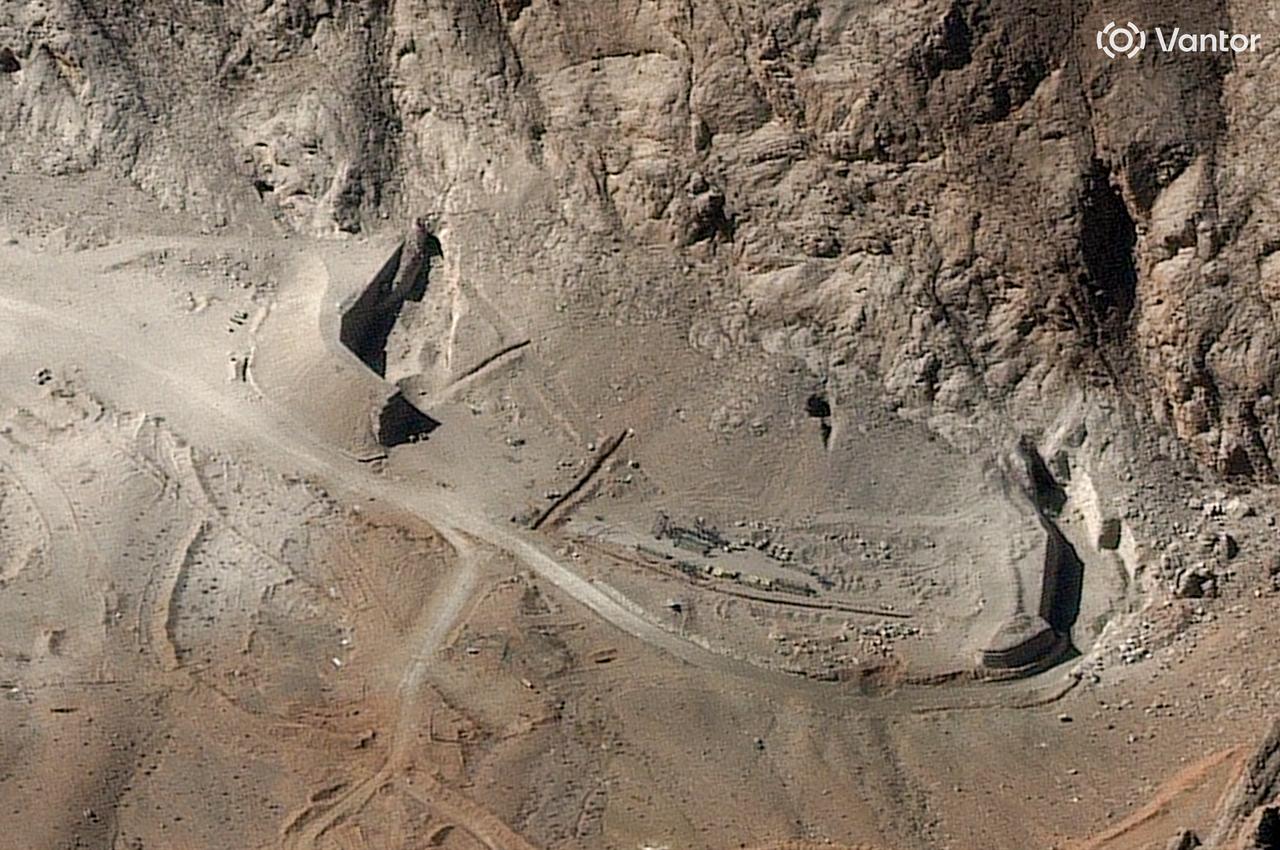
Iran has not informed the IAEA how much of its enriched uranium survived U.S. and Israeli strikes or where it is currently located.
Iran suspended cooperation with the IAEA after Israel and the U.S. launched a previous wave of attacks in June 2025, and inspectors have not seen the material since.
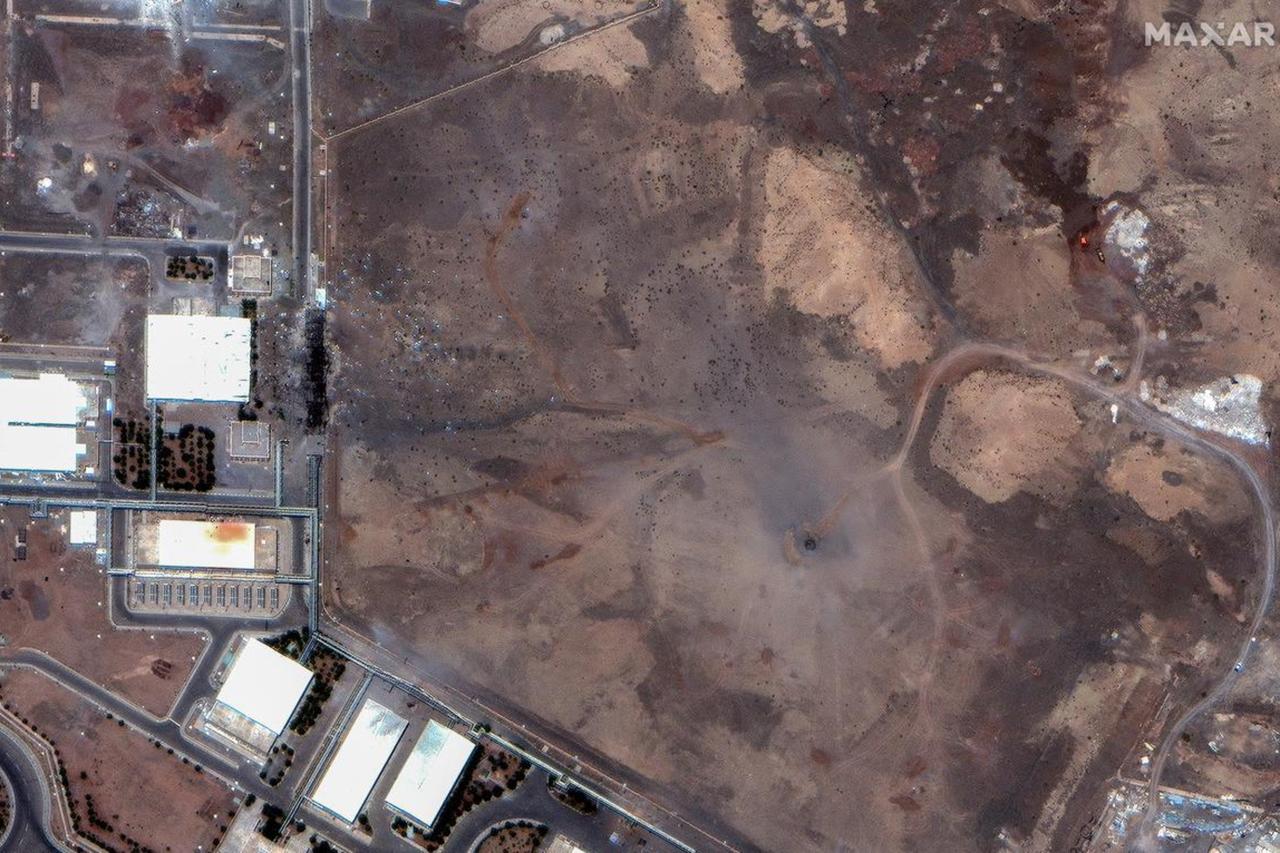
Grossi said the "widespread impression" is that the stockpile remains where it was located before June 2025, near Iran's Isfahan facility. However, that facility was bombed, and Iran has said it does not plan to allow the IAEA to inspect sites that were attacked.
Under the terms of the preliminary agreement, the stockpile is meant to be "downblended" under IAEA supervision. Grossi said shipping the material out of Iran is also a possible alternative.
"The Memorandum of Understanding, as you may have noted, includes the possibility of downblending as one alternative," he said.
"It could also be shipped out directly. It would perhaps be more complicated, but there are a few technical alternatives to deal with the material," Grossi added.
Approximately 453.6 kilograms (1,000 pounds) of enriched uranium are reportedly trapped under the debris of sites targeted during the U.S.-Israeli offensive in June of last year.
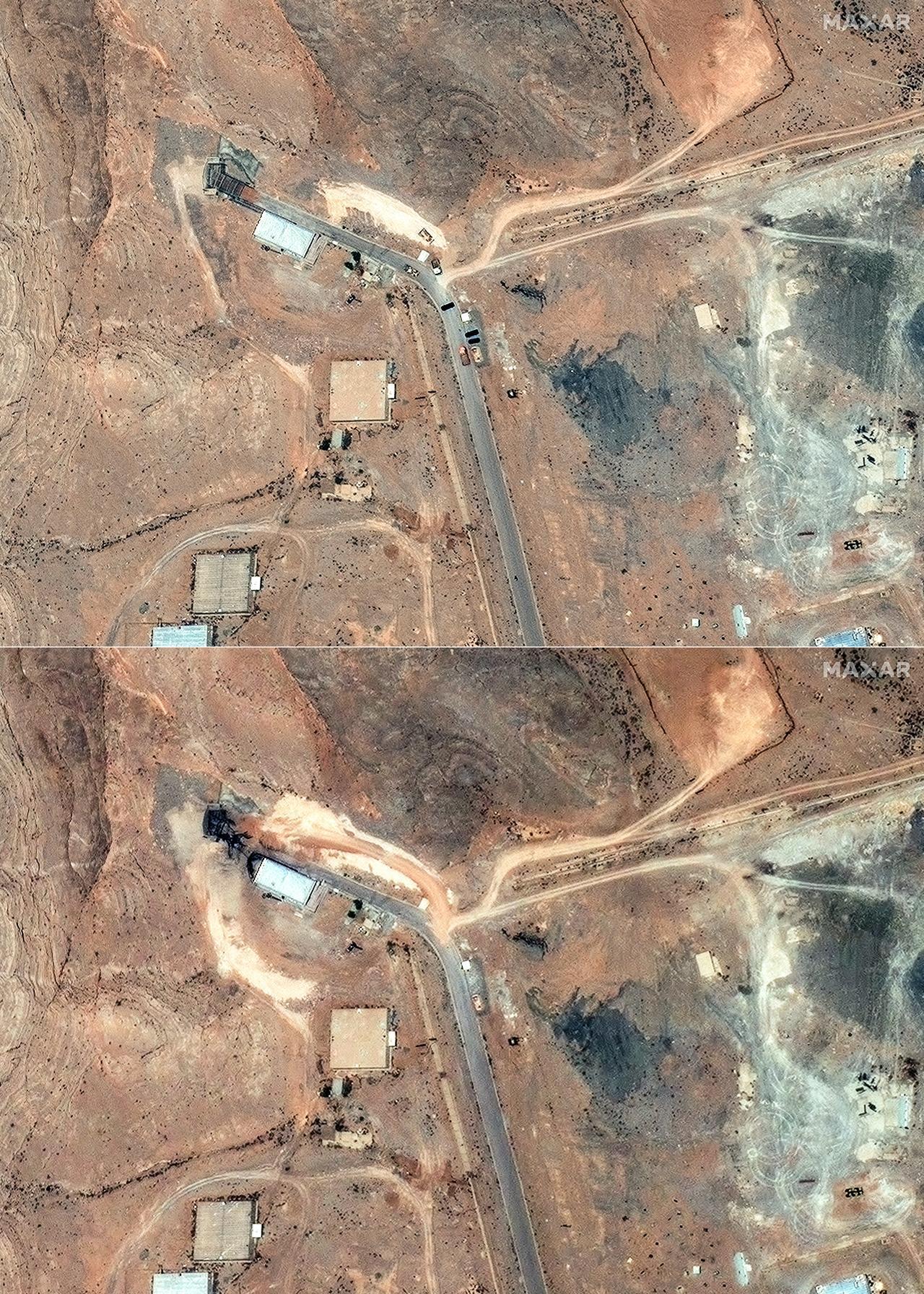
Grossi confirmed that inspections at Iranian enrichment facilities would move forward despite Tehran's objections. "(The accord) says explicitly that the nuclear activities that are going to be carried out with regards to the nuclear material facilities will be supervised by the IAEA, in all letters," he told reporters.
Iran has consistently denied seeking to acquire a nuclear weapon while maintaining its right to operate a full-scale civilian nuclear program.
Before the 12-day war in 2025, Iran, as a signatory to the Nuclear Non-Proliferation Treaty (NPT), unlike Israel, which is widely assumed to possess nuclear weapons, allowed the IAEA to inspect its nuclear sites under its safeguards agreement with the Vienna-based agency.
Iran reached a landmark nuclear deal with six world powers in 2015, limiting its nuclear program in exchange for sanctions relief. Trump, however, withdrew the U.S. from the agreement during his first term.


 Set as preferred source
 Set as preferred source


 1 min read
 1 min read