Newsletters


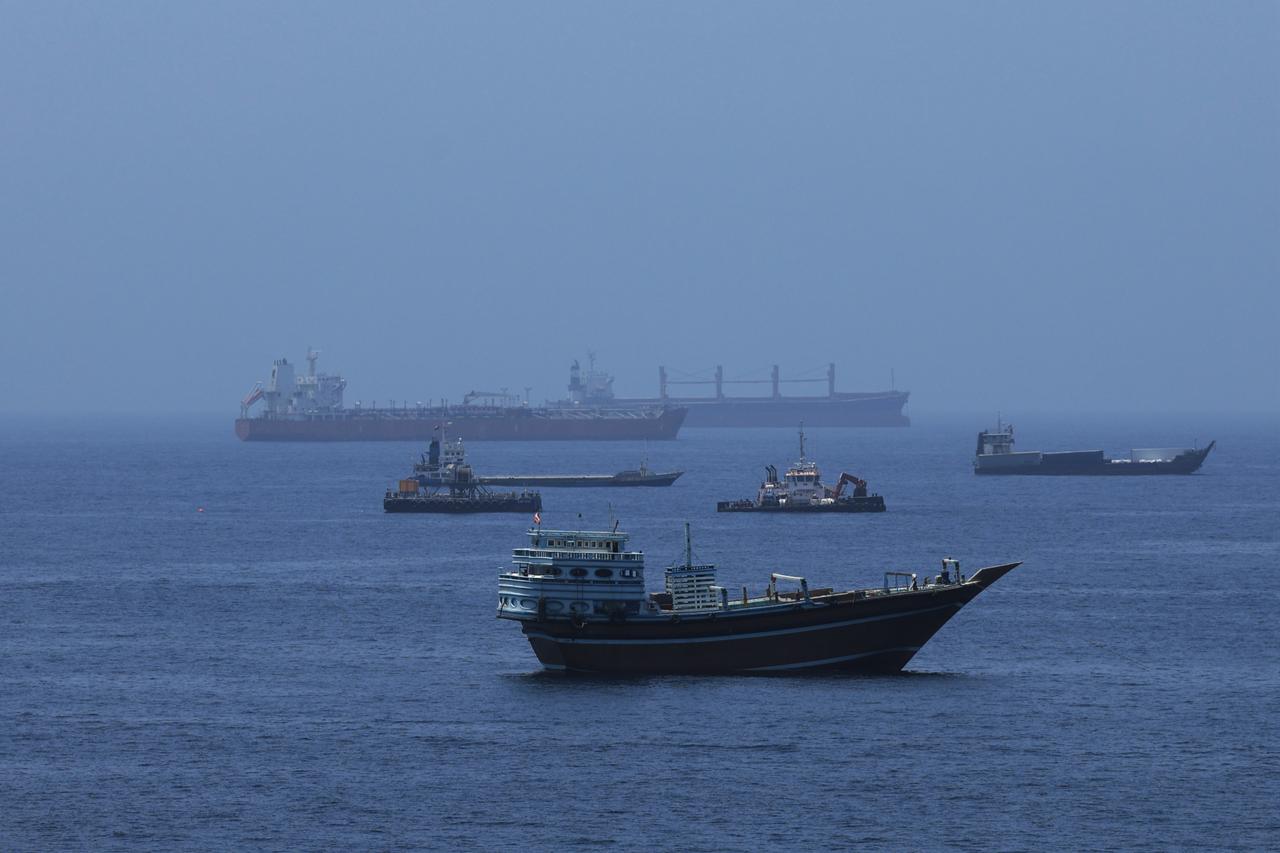


Iran on Monday denied reports that it was negotiating with the United States to reopen the Strait of Hormuz in exchange for the release of $8 billion in frozen Iranian assets, insisting that Washington must meet Tehran's conditions before any agreement can be reached.
An unnamed Iranian official told Fars News Agency that reports of discussions over reopening the strategic waterway in return for the funds were false.
The official said Tehran remained committed to seven conditions it had established for negotiations and would accept talks only within that framework.
The denial followed reports by several international media outlets, citing Israeli newspaper Israel Hayom, that U.S. President Donald Trump was expected to meet Qatari Prime Minister Mohammed bin Abdulrahman Al Thani on Monday to discuss the reported Iranian proposal.
Iran's conditions include lifting the U.S. naval blockade, guaranteeing safe passage for commercial vessels and oil tankers through the Strait of Hormuz, removing unilateral sanctions, granting an exemption for Iranian oil exports, releasing frozen assets, allowing nuclear materials to remain inside Iran and ending the war.
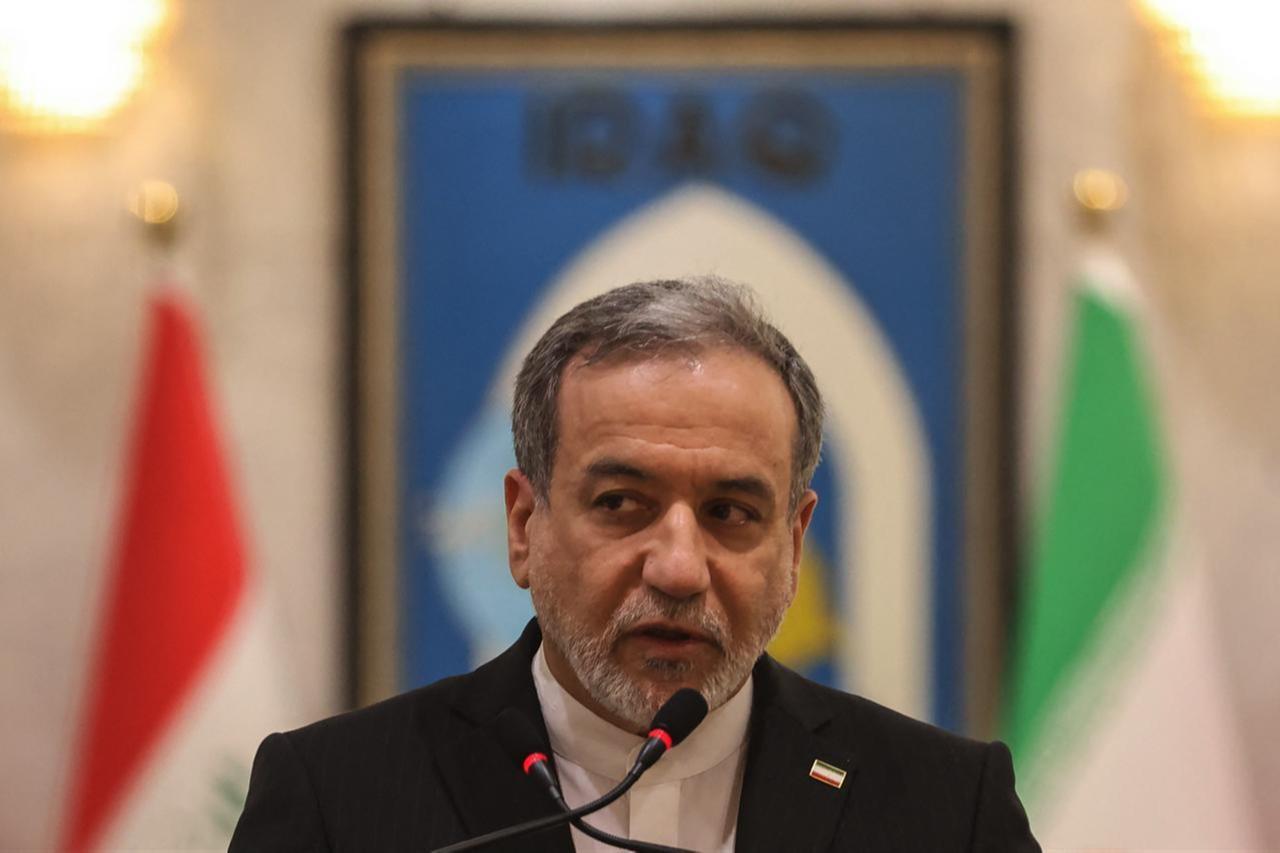
Separately, Iranian Foreign Ministry spokesperson Esmaeil Baqaei said Monday that Tehran's existing two-day proposal to Washington remained the most practical framework for restoring security in the Strait of Hormuz.
Speaking at his weekly news conference, Baqaei said Iran had not submitted any new proposal to the United States, according to the semi-official Tasnim news agency.
He described the existing proposal as a clear, time-bound framework for addressing tensions in the waterway, arguing that progress depended on Washington's political willingness to overcome the diplomatic deadlock.
Baqaei said Tehran's demands included lifting the U.S. naval blockade, ending the war, releasing frozen Iranian assets and removing sanctions imposed in recent months.
He claimed Washington had already accepted those demands under the 14-point Islamabad memorandum reached through Pakistani mediation in June but subsequently failed to honor its commitments.
The spokesperson said Iran would sign and implement only an agreement that fully protected its national interests and legal rights.
He also confirmed that Tehran maintained regular consultations with Pakistan and Qatar, expressing appreciation for their mediation efforts.
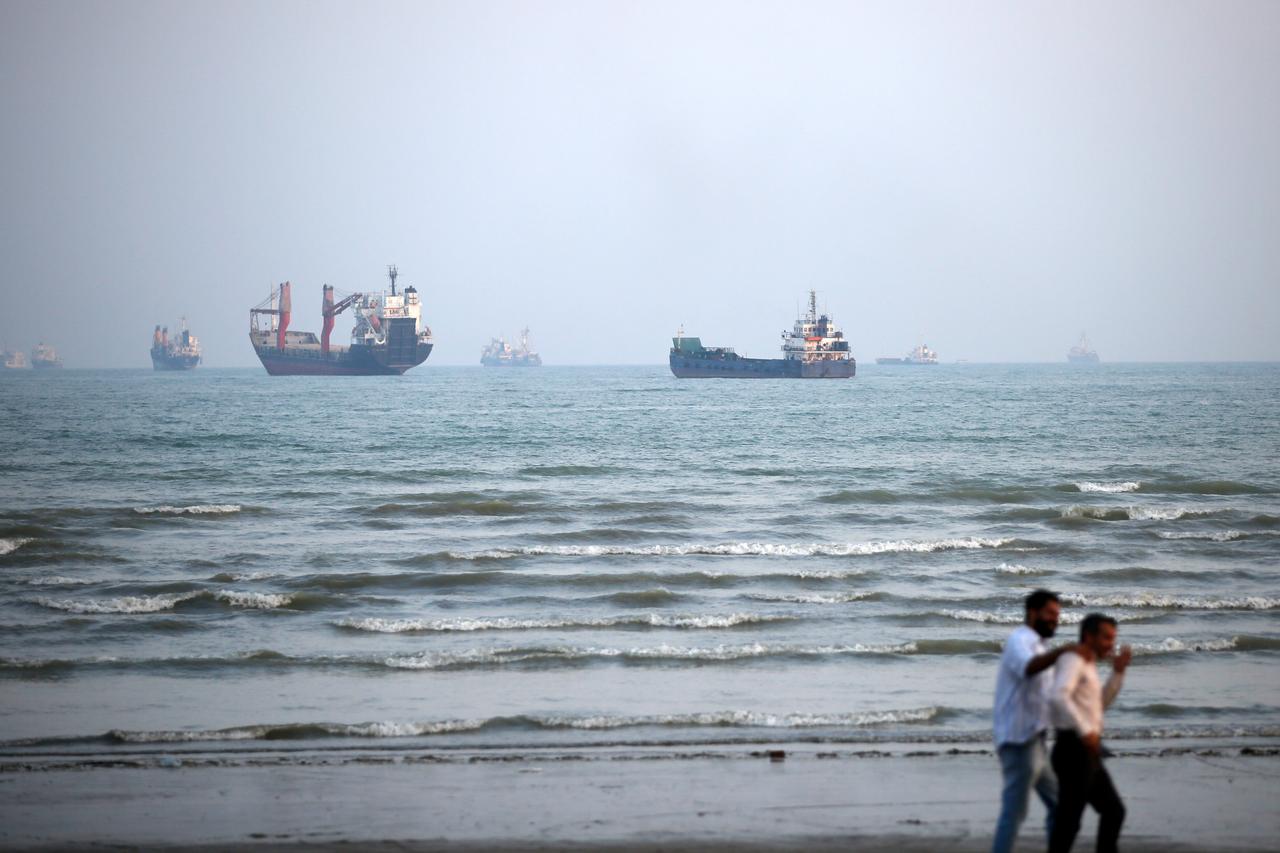

Addressing security in the Strait of Hormuz, Baqaei said vessels traveling through the strategic waterway must coordinate with Iranian authorities to ensure safe navigation.
He blamed the continuing insecurity on U.S. and Israeli military operations and maintained that Iranian forces remained prepared to respond to threats.
Baqaei warned that ships using what he described as unsafe routes under U.S. pressure or incentives risked accidents.
He also argued that security could not be fully restored while Washington continued what Tehran considers unlawful interference in the waterway.
The Iranian spokesperson separately urged South Korea not to deploy naval forces to help reopen the strait, warning that such a move could further complicate regional tensions.
On Iran's nuclear program, Baqaei said Tehran remained a member of the Nuclear Non-Proliferation Treaty (NPT) and had not suspended its obligations to the International Atomic Energy Agency (IAEA).
However, he argued that U.S. and Israeli attacks on Iranian nuclear facilities had disrupted normal safeguards arrangements, preventing cooperation with the agency under ordinary conditions.
Baqaei criticized the IAEA Board of Governors and Director General Rafael Grossi over what he described as their inadequate response to the attacks.
He confirmed that IAEA inspectors had visited Iran's Bushehr nuclear facility several days earlier and said Tehran's diplomatic mission in Vienna maintained regular professional contact with the agency.
The spokesperson also dismissed a reported U.S. offer of $20 million for information about Iran's nuclear program, describing it as evidence of Washington's confusion over Tehran's nuclear capabilities.
Baqaei said China's special envoy for Middle East affairs visited Tehran on Sunday for consultations on bilateral relations and regional security, with additional visits to other countries in the region planned.
On Armenia, he said Tehran had conveyed concerns about the U.S.-backed Trump Route project and had received assurances from Yerevan that it would neither alter existing borders nor involve the deployment of American troops.
He also criticized Azerbaijan's decision to declare 14 Iranian nationals persona non grata, saying Tehran had summoned the Azerbaijani ambassador to protest the move.
Regarding Iraq, Baqaei said U.S. pressure would not undermine longstanding relations between Tehran and Baghdad.
He dismissed reports of a proposed U.S. task force known as "Iron Gate," intended to restrict sanctioned trade and financial flows through Iran's land borders and the Caspian Sea, as another attempt to pressure Tehran.
Baqaei also said Iran would assess U.S. administrations by their actions rather than political affiliation, while arguing that the recent American midterm election results reflected public opposition to the war.
He separately rejected Israeli allegations that Iran might use chemical weapons.
The latest statements come amid diplomatic efforts to revive the understanding reached between Iran and the United States through Pakistani mediation following the outbreak of war on Feb. 28, when American and Israeli forces launched strikes against Iran.
The 14-point Islamabad memorandum, reached in June, established a framework for de-escalation, including maritime security arrangements in the Strait of Hormuz, sanctions relief and the cessation of hostilities.
However, disagreements over implementation and renewed military confrontations have prevented a lasting settlement.
Shipping through the strategic waterway remains subject to restrictions as Tehran insists that any agreement must address its conditions and Washington's commitments under the earlier diplomatic framework.


 Set as preferred source
 Set as preferred source


 2 min read
 1 min read