Newsletters


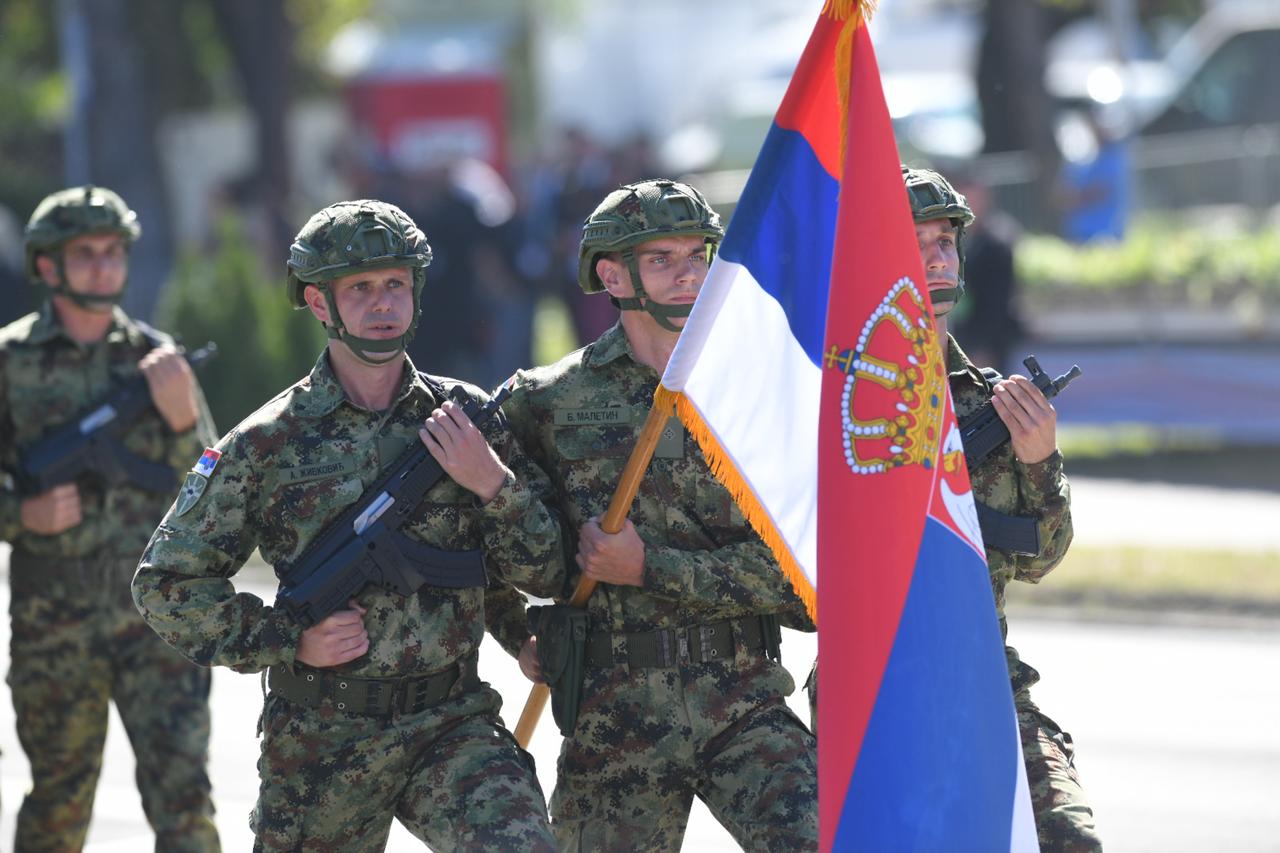


Serbia's student-backed electoral list, which won last month's snap parliamentary elections, has unveiled plans to gradually increase defense spending to 5% of gross domestic product (GDP), alongside military salary increases of up to 30% and a modernization program focused on artillery, air defenses and drones.
Luka Ponorac, a former Serbian Army officer and representative of the student-backed list, told public broadcaster RTS that the proposals would be implemented gradually, depending on the financial and personnel resources available to the incoming government.
Ponorac said Serbia's defense spending was projected at approximately 2% to 2.5% of GDP, with the proposed program initially targeting 3% before gradually increasing expenditure to 5% over the longer term.
He said the defense program had been developed by Serbian military experts and emphasized the need for more efficient spending, fairer allocation of resources and balanced development across the armed forces.

The program proposes increasing military salaries by 20% to 30% while addressing disparities in compensation between different ranks and positions.
Ponorac pointed to cases in which personnel serving in special forces units earned more than generals, while senior instructors at the Military Academy received lower salaries than some officers in operational units because of differences in allowances.
He argued that the military's compensation system needed to be more balanced and that personnel should have clearer, more predictable career development opportunities.
However, Ponorac stressed that the timing and extent of the proposed salary increases would depend on the resources available to the new administration.
The student-backed list's defense program also outlines plans to modernize Serbia's military capabilities, prioritizing rocket artillery systems with ranges of 150 to 300 kilometers (93 to 186 miles).
Another major objective is the development of an integrated air defense network capable of providing short-, medium- and long-range protection.
The program also prioritizes network-centric communications and command systems, air surveillance and early warning capabilities, and the acquisition of unmanned aerial vehicles.
Beyond equipment procurement, the proposals include strengthening military expert councils and the roles of the Military Technical Institute and Technical Testing Center.
The list also calls for ensuring that military security and intelligence services operate within the law, alongside investigations into allegations of unlawful conduct by individual officials.
Ponorac said the scope and pace of the modernization program would depend on the financial and institutional conditions inherited by the next government.
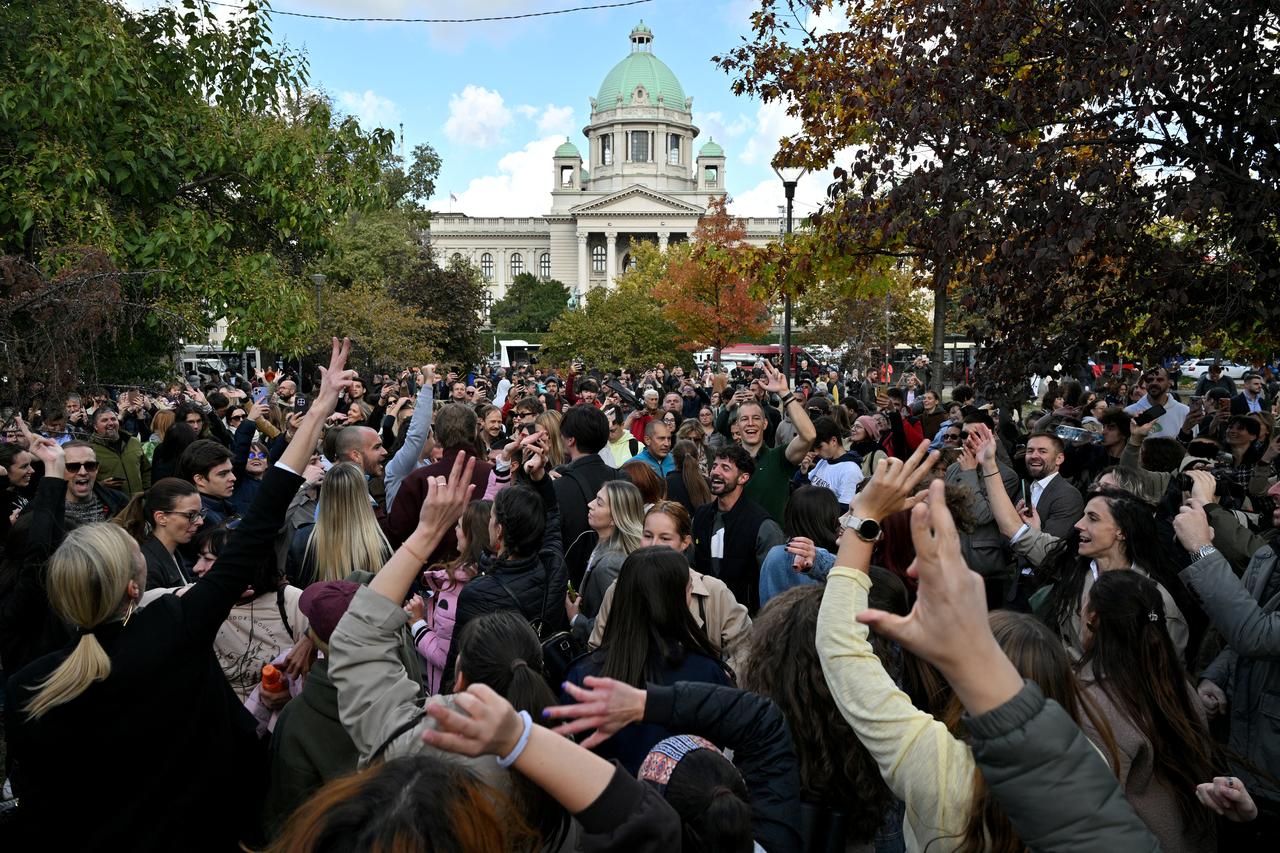
The defense proposals come as Serbia's student-backed movement prepares to assume power following its victory in the Oct. 25 snap parliamentary elections.
According to final results confirmed by the Republic Electoral Commission on Nov. 5, the student-backed list secured 140 seats in Serbia's 250-member parliament, winning an outright majority.
The alliance led by former President Aleksandar Vucic won 103 seats.
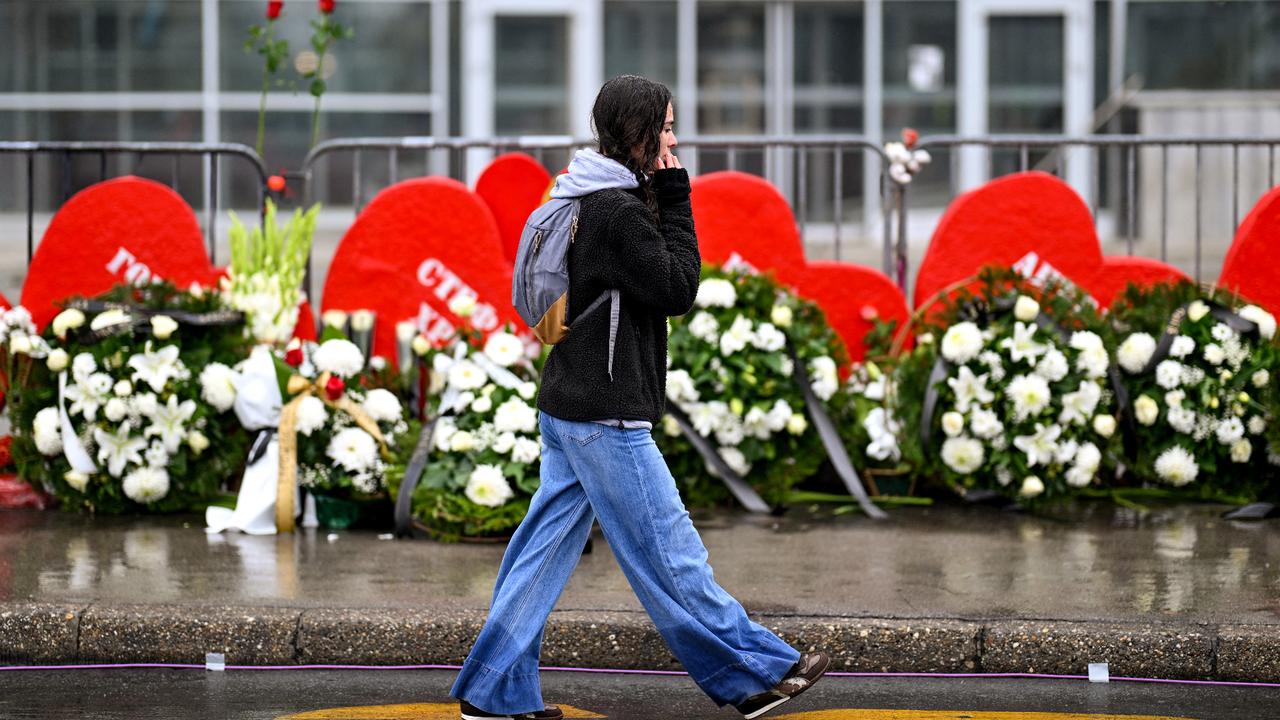
The result followed nearly two years of anti-government protests that began after the collapse of a railway station canopy in Novi Sad in November 2024, which killed 16 people.
The protest movement subsequently entered electoral politics through a student-backed list, whose victory ended the parliamentary majority held by Vucic's political alliance.
However, the newly elected parliament has yet to convene, and the next government has not been formally established.
The proposed defense spending increases, military pay reforms and modernization priorities therefore remain part of the incoming majority's political program rather than adopted government policy.


 Set as preferred source
 Set as preferred source


 1 min read
 1 min read