Newsletters


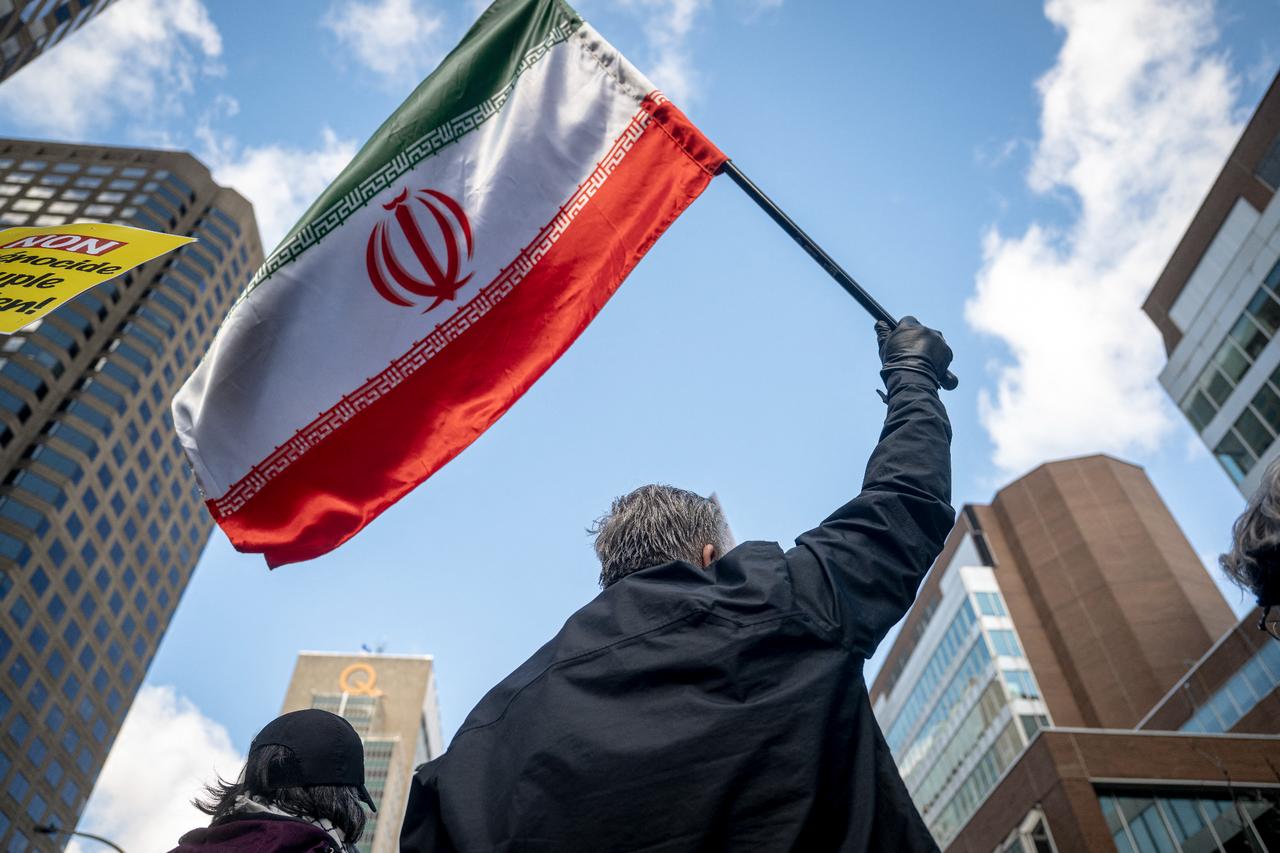


Iranian media and official sources directly contradicted U.S. President Donald Trump's announcement of "productive conversations" with Iran on Monday, saying there has been no direct or indirect contact with Trump.
The sources claimed his decision to postpone strikes on Iranian power plants came after Iran warned it would target all energy infrastructure across West Asia in retaliation.
"There is no direct or indirect contact with Trump. He retreated after hearing that our targets would be all power plants in West Asia," an Iranian source told semi-official Fars News Agency.
 Breaking News, Direct to You.
 Follow Türkiye Today on WhatsApp
for real-time updates and key insights from Türkiye and beyond.
Follow Türkiye Today on WhatsApp
for real-time updates and key insights from Türkiye and beyond.
Iran's Foreign Ministry issued a statement saying no dialogue is taking place between the two sides and characterizing Trump's announcement as part of efforts to lower energy prices and buy time for military planning.
"Trump's statements are within the framework of his efforts to reduce energy prices and gain time to implement his military plans," the ministry said.
The ministry also said that regional countries have made initiatives to reduce tensions, adding: "Yes, there are initiatives from regional countries to reduce tensions, and our response to all of them is clear: We are not the party that started this war, and all these requests must be referred to Washington."
"After the Islamic Republic threatened that in the event of any American attack on Iran's energy infrastructure, the energy infrastructure of the entire region would be targeted, Trump backed down and said he had issued an order to postpone the attack," the Iranian Embassy in Kabul stated on X.
The statements directly contradict Trump's Truth Social post earlier Monday, in which he said the U.S. and Iran had held "very good and productive conversations" over the past two days and that he had instructed the Department of War to postpone all military strikes against Iranian power plants and energy infrastructure for five days.
"Trump backed down from attacking critical infrastructure as Iran's military threats became credible," a senior security official told Iran's semi-official Tasnim.
"The pressure on financial markets and the threat of bonds within the U.S. and the West has increased, and this has been another important factor for this backsliding. From the beginning of the war until today, messages have been sent to Tehran from some mediators, the clear answer of which has been that we will continue to defend until we achieve the necessary deterrence," the same official quoted by Tasnim added.
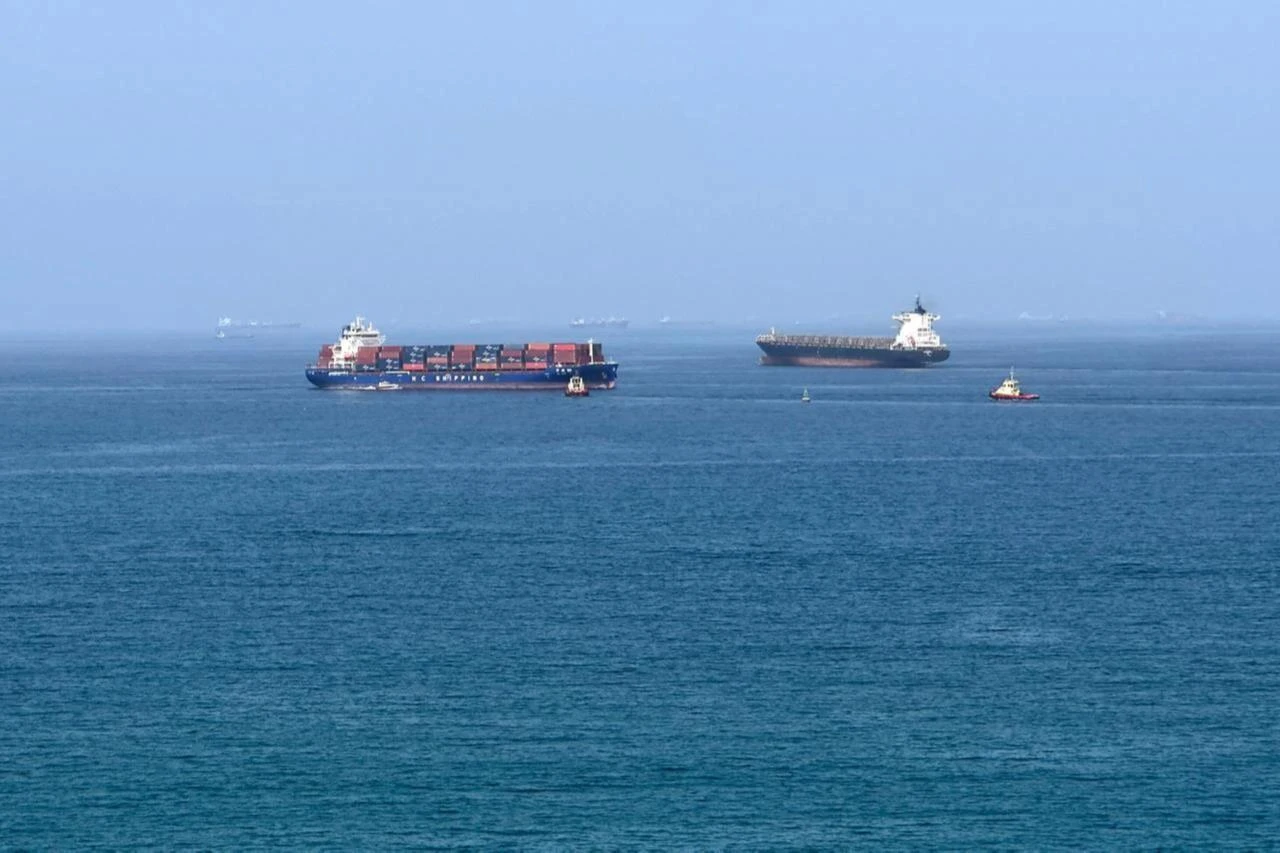
"There have been no negotiations, and there are none, and with this kind of psychological warfare, neither the Strait of Hormuz will return to its pre-war conditions nor will there be peace in the energy markets," the official noted.
"Trump's 5-day ultimatum means the continuation of this regime's program for crimes against the people, and we will continue to respond and defend the country extensively," the official concluded.
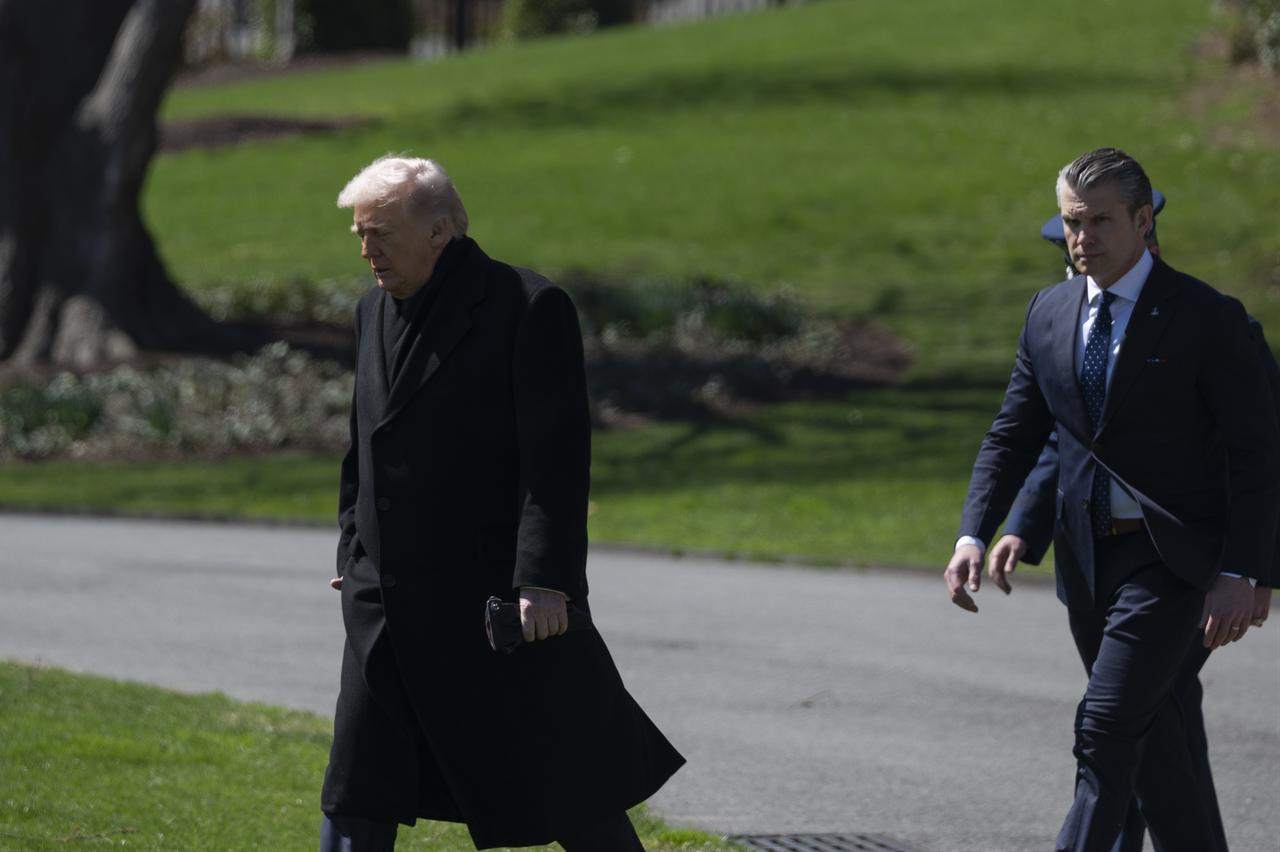

He told CNBC’s Joe Kernen in a phone call shortly after the post that "we are very intent on making a deal with Iran."
Trump added that discussions with Iranian authorities had been very intense and that he remains hopeful something very substantive can be achieved.
The U.S. president also insisted on the same call that what is unfolding in Iran can be described as "regime change."
A Democratic senator claims Donald Trump is backing down on the threat because of financial markets.
Sen. Chris Murphy argued that Trump backing down on his threat to strike Iranian power plants was to calm the financial markets.
"Trump isn't announcing a pause on strikes," Murphy said in a post to X.
"He's saying he's postponing a possible war crime—strikes on Iran's civilian energy infrastructure. Also, this isn’t a message to Iran. It’s a panicky message to the markets: 'No war escalation until markets close on Friday'," he noted.


 Set as preferred source
 Set as preferred source


 1 min read

 1 min read