Newsletters


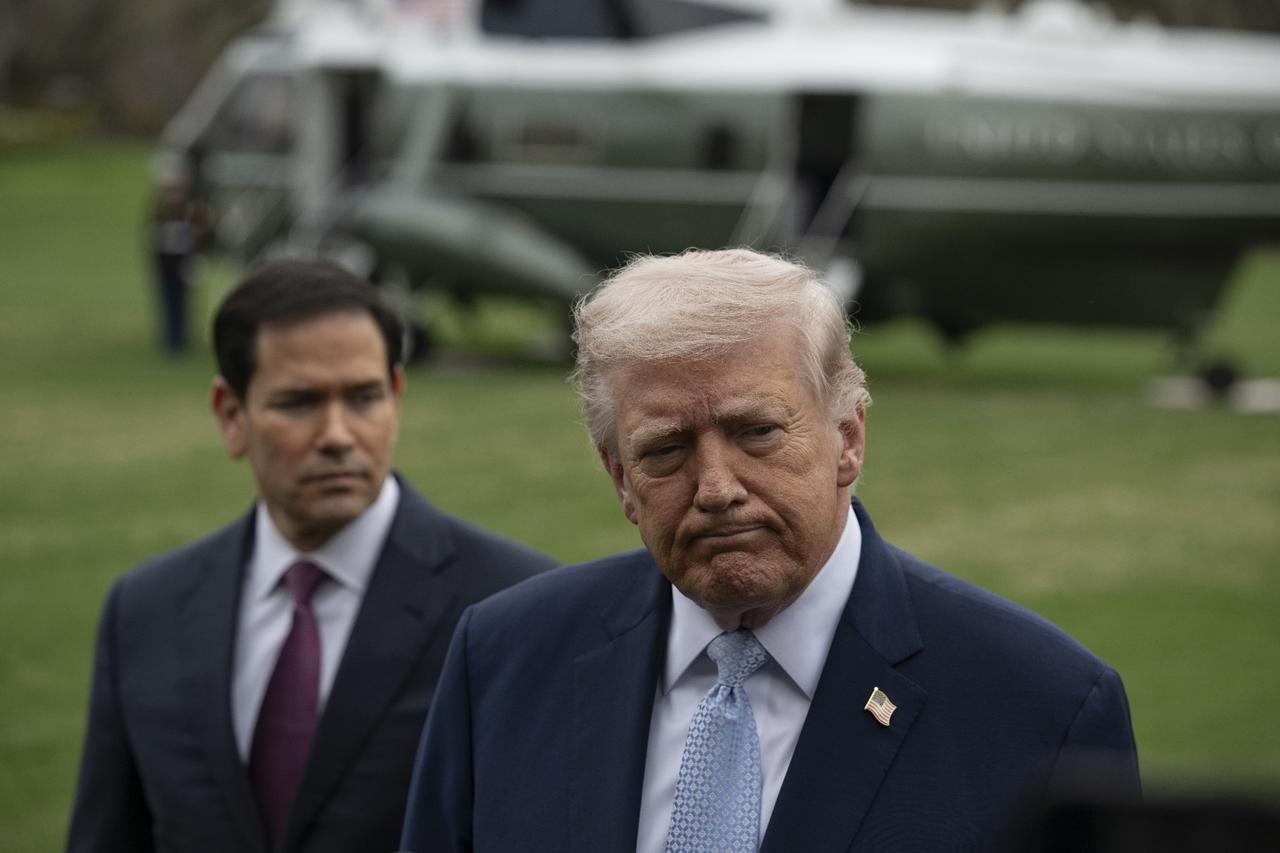


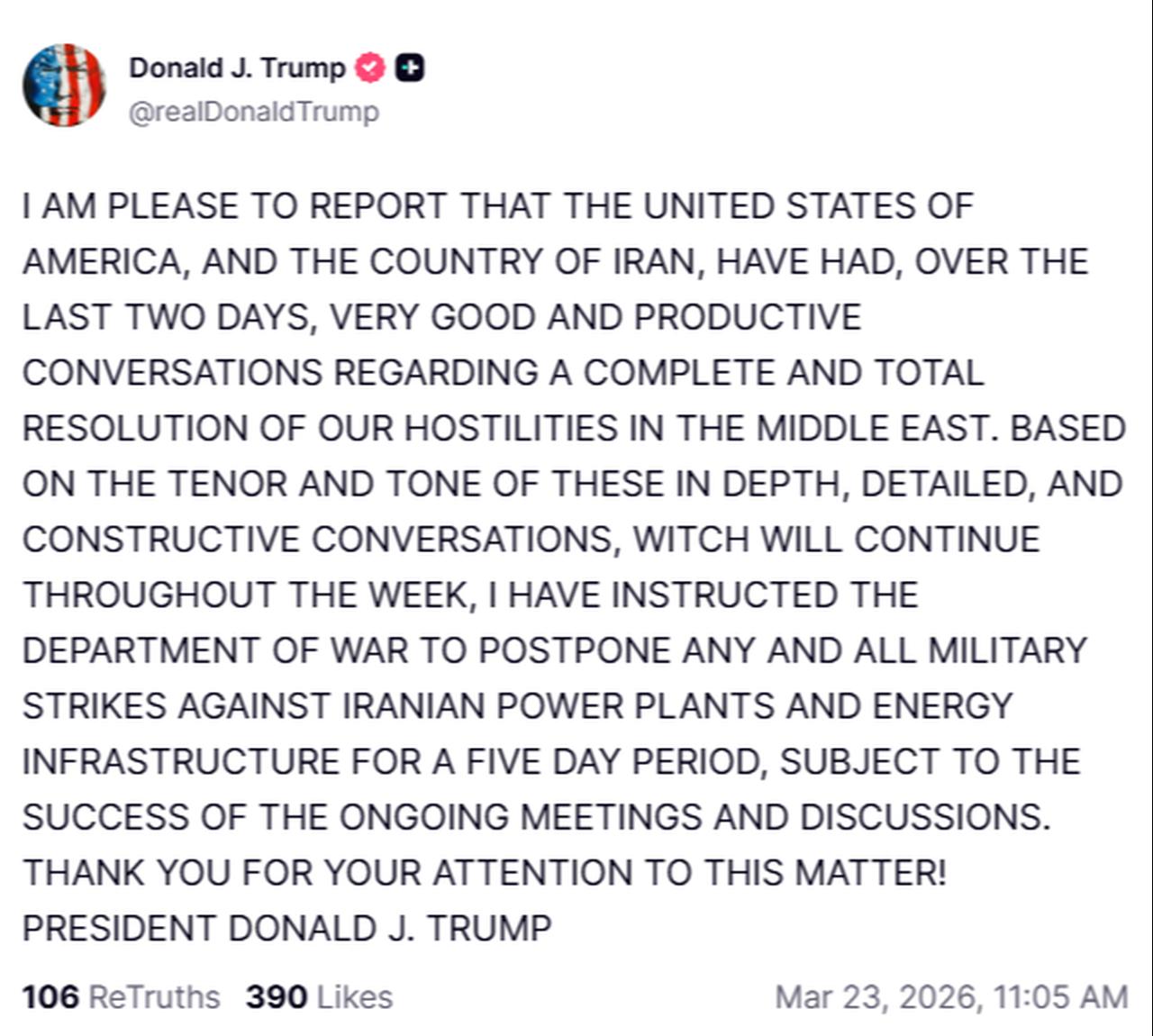
U.S. President Donald Trump announced Monday that the United States and Iran have been engaged in "very good and productive conversations" over the past two days aimed at a "complete and total resolution" of hostilities in the Middle East.
He noted that he has instructed the Department of War to postpone any and all military strikes against Iranian power plants and energy infrastructure for five days, subject to the progress of ongoing talks.
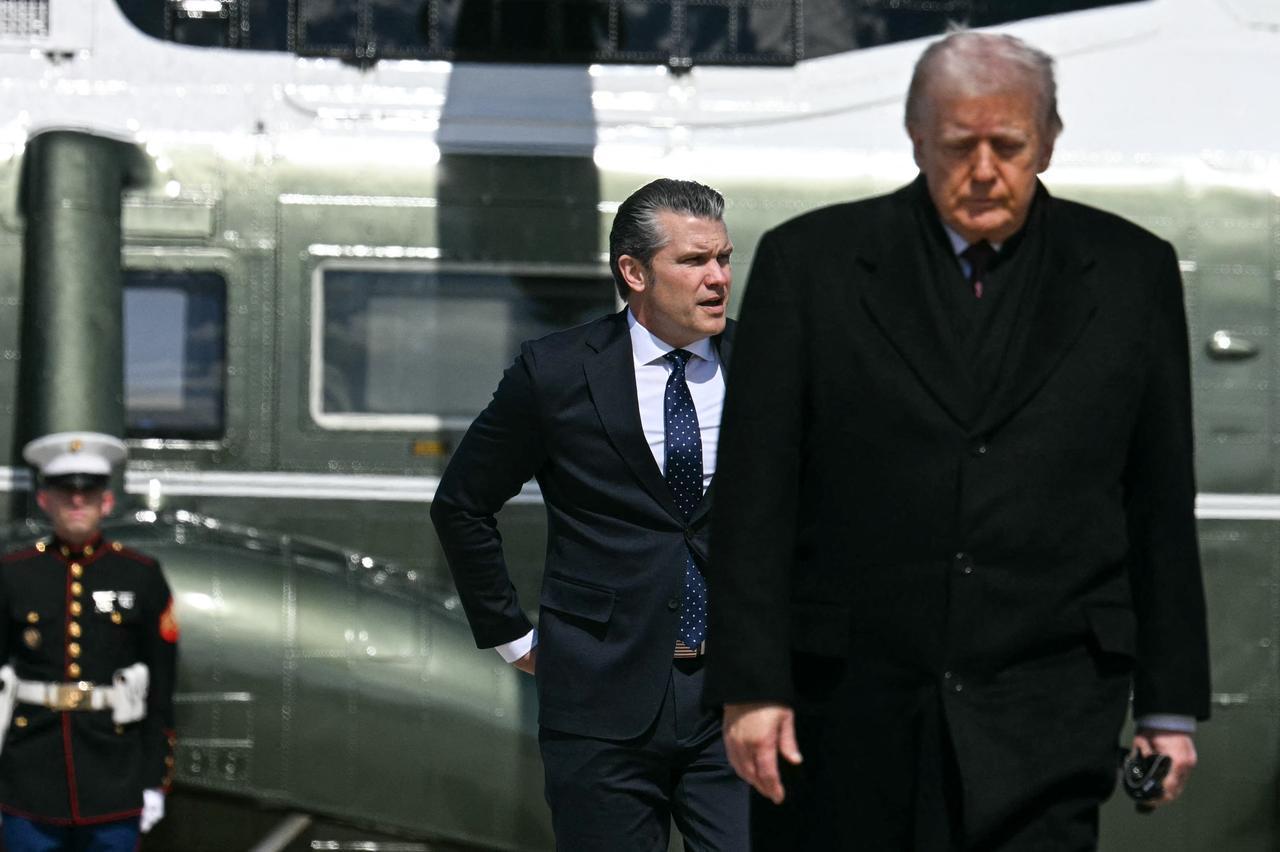

Trump made the announcement in a post on Truth Social, written entirely in capital letters.
"I am pleased to report that the United States of America and the country of Iran have had, over the last two days, very good and productive conversations regarding a complete and total resolution of our hostilities in the Middle East," he stated.
"Based on the tenor and tone of these in depth, detailed, and constructive conversations, which will continue throughout the week, I have instructed the Department of War to postpone any and all military strikes against Iranian power plants and energy infrastructure for a five day period, subject to the success of the ongoing meetings and discussions," Trump concluded.
The announcement marks a significant de-escalation in Trump's rhetoric, coming less than 48 hours after he threatened to "hit and obliterate" Iran's power plants, "starting with the biggest one first," if Tehran did not fully reopen the Strait of Hormuz within 48 hours.
A source briefed on Israel's war plans against Iran, cited by Reuters, stated that Washington had kept Tel Aviv informed of its talks with Tehran, and that Israel would likely follow the U.S. in suspending any targeting of Iranian power plants and energy infrastructure.
"Trump’s statement last week that there would be no further strikes on gas facilities encouraged the Iranians, as they perceived it as a sign of weakness. It is to be hoped that they will not view the cancellation of the current ultimatum as weakness as well, because if they do, that would be bad news," an Israeli official cited by Israeli journalist Amit Segal said.
Regional escalation has continued to flare since the U.S. and Israel launched a joint offensive on Iran on Feb. 28, killing so far over 1,340 people, including then-Supreme Leader Ali Khamenei.
Iran has retaliated with drone and missile strikes targeting Israel, along with Jordan, Iraq, and Gulf countries hosting U.S. military assets, causing casualties and damage to infrastructure while disrupting global markets and aviation.


 Set as preferred source
 Set as preferred source


 1 min read
 1 min read