Newsletters





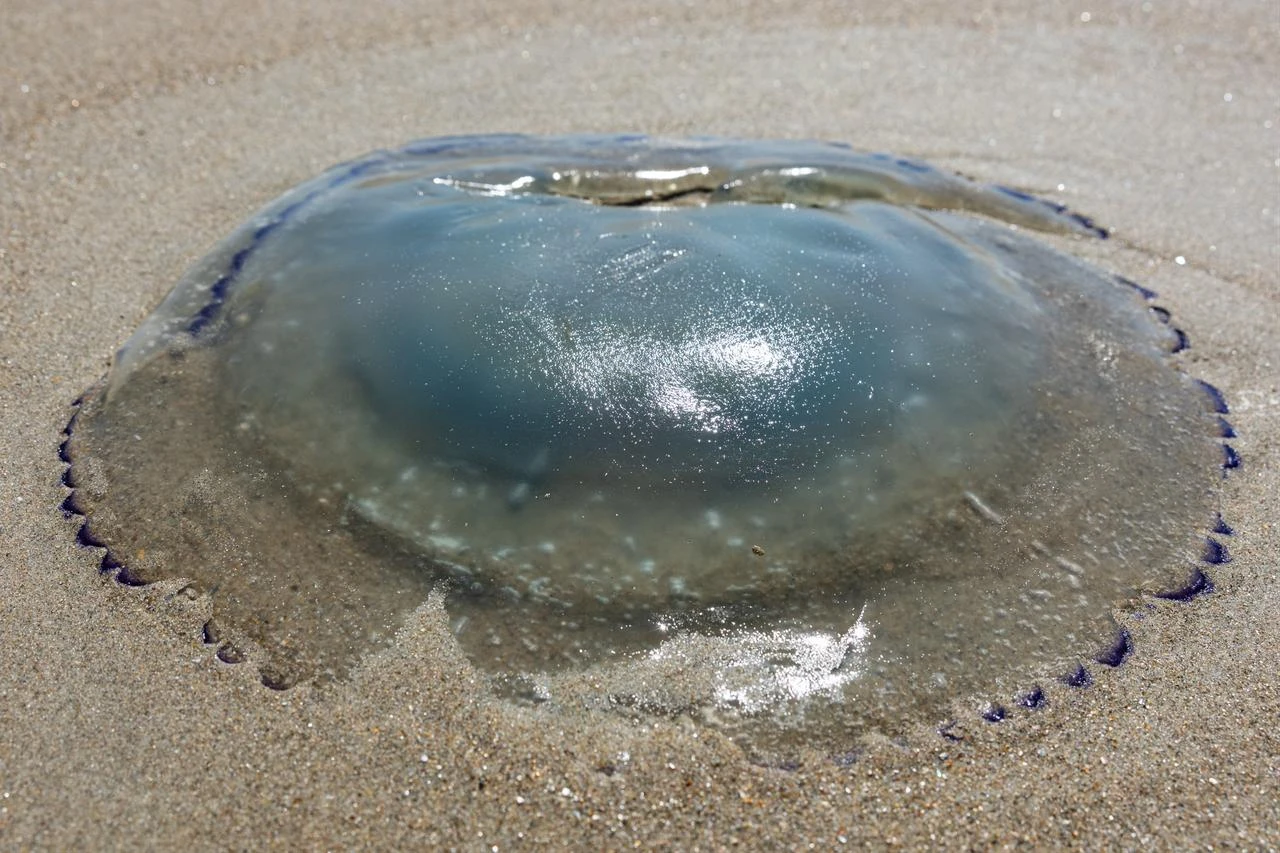
France's Gravelines nuclear power plant, the largest nuclear facility in Western Europe, was temporarily taken fully offline after a swarm of jellyfish clogged filters at its cooling-water pumping stations, adding to pressure on the country's nuclear fleet during a period of extreme heat and drought.
French energy company EDF said large numbers of jellyfish had entered the pumping stations and become trapped in the filters. Four operating reactors were consequently shut down, while two other reactors at the site were already offline for scheduled maintenance, leaving the entire plant temporarily out of service.
EDF said the incident had no negative impact on the safety of the facility, its personnel or the surrounding environment.

The disruption comes as France's nuclear power stations have already been dealing with unusually high levels of outages linked to drought and hot weather.
According to calculations by Agence France-Presse (AFP) based on EDF data, the reactor shutdowns contributed to a 15.6% nuclear power gap on Sunday, marking the largest such shortfall recorded in France.
Gravelines has also faced a similar problem before. Le Monde reported that four reactors at the plant automatically shut down in 2025 following another jellyfish invasion. The reactors were gradually brought back online, although reconnecting the facility to the electricity grid took more than a week.
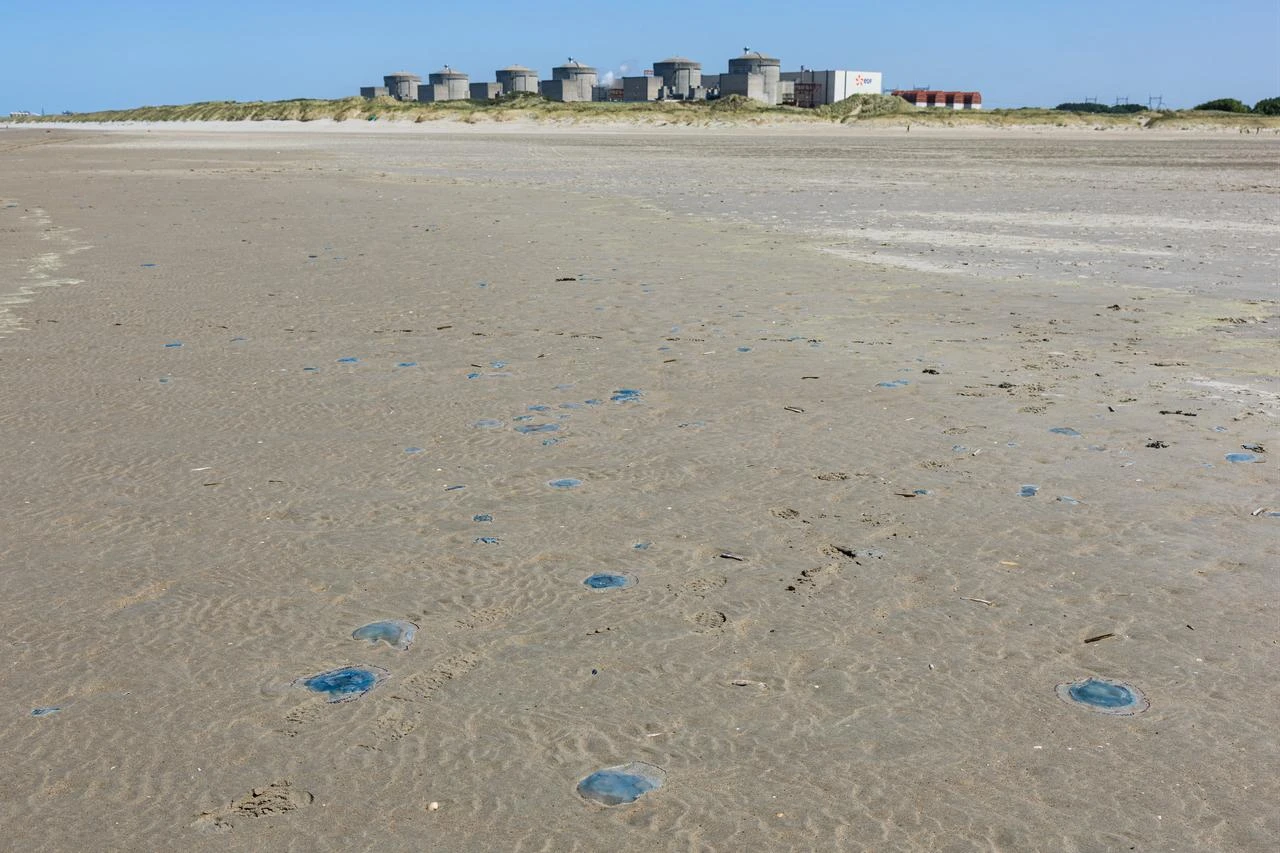
The Gravelines plant draws cooling water from a canal connected to the North Sea, where several jellyfish species are naturally found. During warmer summer months, jellyfish are often seen closer to the coast as water temperatures rise.
An expert interviewed by AFP after the previous incident said large jellyfish swarms appearing in the area every summer were becoming increasingly common.
Rising ocean temperatures associated with climate change are among the factors linked to growing jellyfish populations worldwide, raising the possibility of further encounters between marine life and coastal infrastructure.


 Set as preferred source
 Set as preferred source



 1 min read