Newsletters


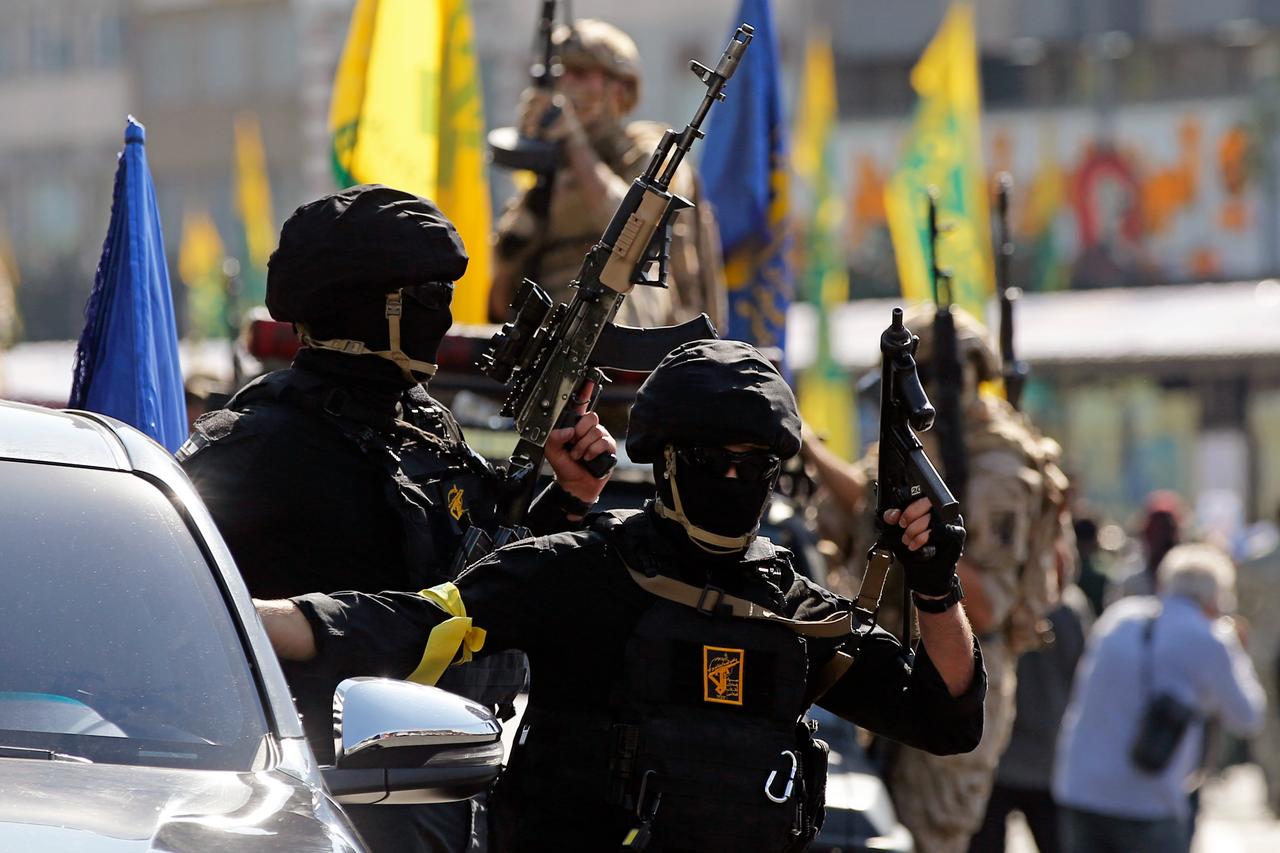


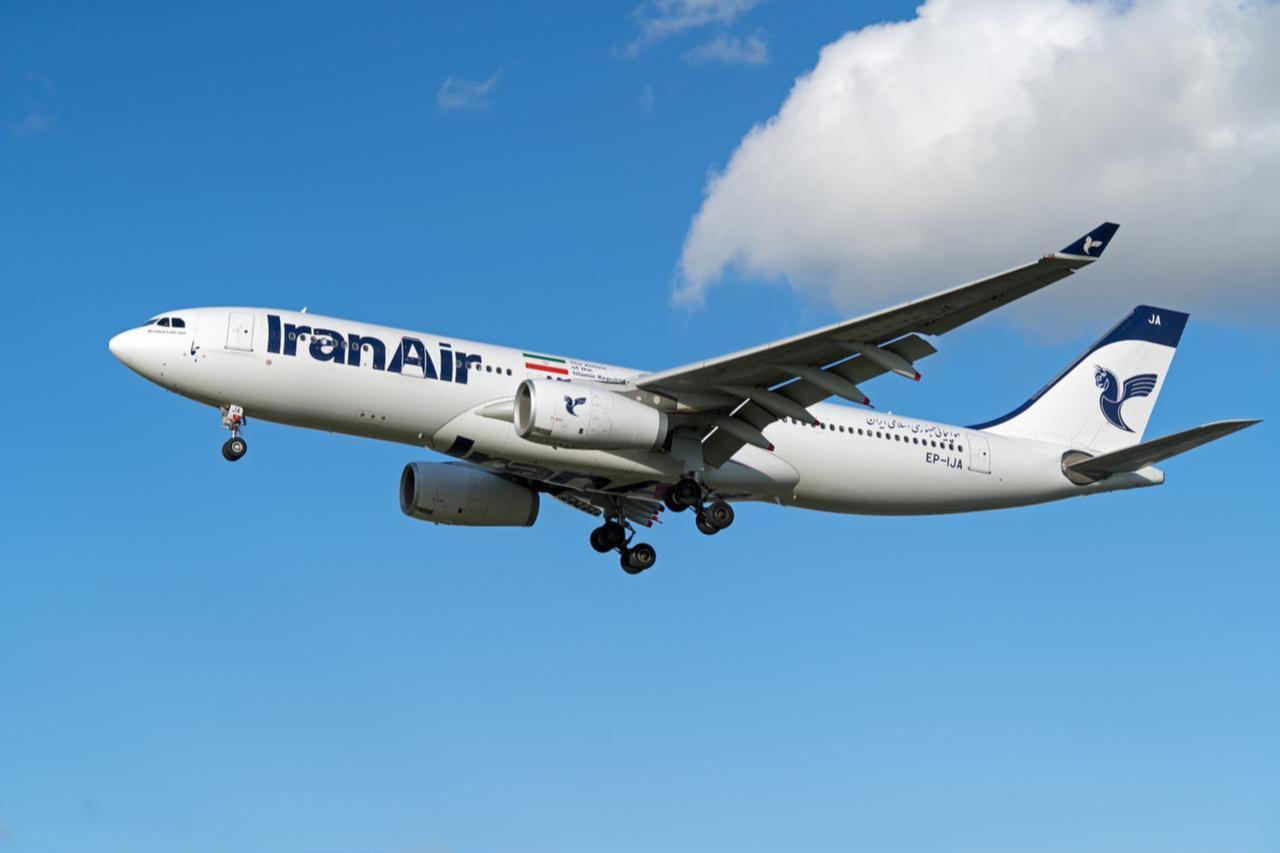
Iran's Supreme National Security Council denied that Tehran plans military retaliation against regional flight restrictions imposed under U.S. sanctions, but said non-military reciprocal measures could be applied to some airports if necessary.
The statement, carried by Iran's semi-official Tasnim News Agency, came days after the council's Secretary Mohsen Rezaei warned neighbors over the flight bans.
Separately, Iran's Defense Ministry said part of the country's strategic military capabilities is housed in underground infrastructure.
The U.S. Treasury Department sanctioned 36 entities supporting Iran's aviation sector on Sept. 8 and designated 27 Iranian airlines, prompting neighbors to bar Iranian carriers.
U.S. Treasury Secretary Scott Bessent estimated that 80% to 90% of Iran's external flights had been shut down.
The council's secretariat said "false interpretations and quotes" of Rezaei's remarks on air transport had raised questions and ambiguities.
"The claim that Iran is resorting to military retaliation against the recent air restrictions is denied," the statement said.
"Negotiations between Iran and the relevant countries to lift some illegally imposed air restrictions are being seriously carried out and pursued," it said.
"There are numerous non-military solutions for reciprocal action, which, if necessary, will be applied to some airports, and of course we hope the matter does not reach this point," the statement added.
Rezaei warned on Sept. 23 that Tehran would retaliate against neighboring countries that cooperate with the U.S. restrictions. He said the airports of such countries would "no longer be able to operate flights" to Iran.
Several regional countries, including the United Arab Emirates and Qatar, have nonetheless canceled or restricted flights to Iran to enforce the U.S. sanctions. Iraq has also suspended Iranian flights at all four airports where they operated.
Mohammad Mokhber, an adviser to Iran's leader, had also warned that flights in the region are "either free for everyone or for no one."


Defense Ministry spokesman Brig. Gen. Reza Talaei-Nik said part of the armed forces' strategic capabilities had been placed underground in past years.
"Part of the strategic capabilities of the armed forces have in past years been stationed in secure environments and underground infrastructure, and this very issue caused part of the enemy's calculations about the defense power and weapons production capacity of the Islamic Republic of Iran not to be realized," he told Tasnim.
He said there is a "need to simultaneously strengthen defence power and the country's domestic capacity."
Talaei-Nik said the goals of Iran's adversaries in what he called the three imposed wars included overthrowing the Islamic Republic and weakening its missile, regional and naval power.
"Geopolitical goals and attempts to influence Iran's strategic position in the region, especially given the importance of energy and the position of the Persian Gulf and the Strait of Hormuz, were other common axes of these wars," he said.
"The enemy did not achieve any of its strategic goals; although the war brought costs and damage to the country, the enemy could not achieve its main and strategic goals, and in return, Iran also imposed costs on the enemy," Talaei-Nik said.
"The eight-year war was mainly ground-based and classic, and manpower and fighters were considered the main axis of the field, but in recent wars, technology and expertise found a decisive role," he said.
"The recent wars were a war of technology, a war of specialists, and a hybrid war in such a way that, in addition to the military field, the social, economic, media, and cognitive fields also became the main fields of confrontation," he said.


 Set as preferred source
 Set as preferred source


 1 min read
 1 min read