Newsletters


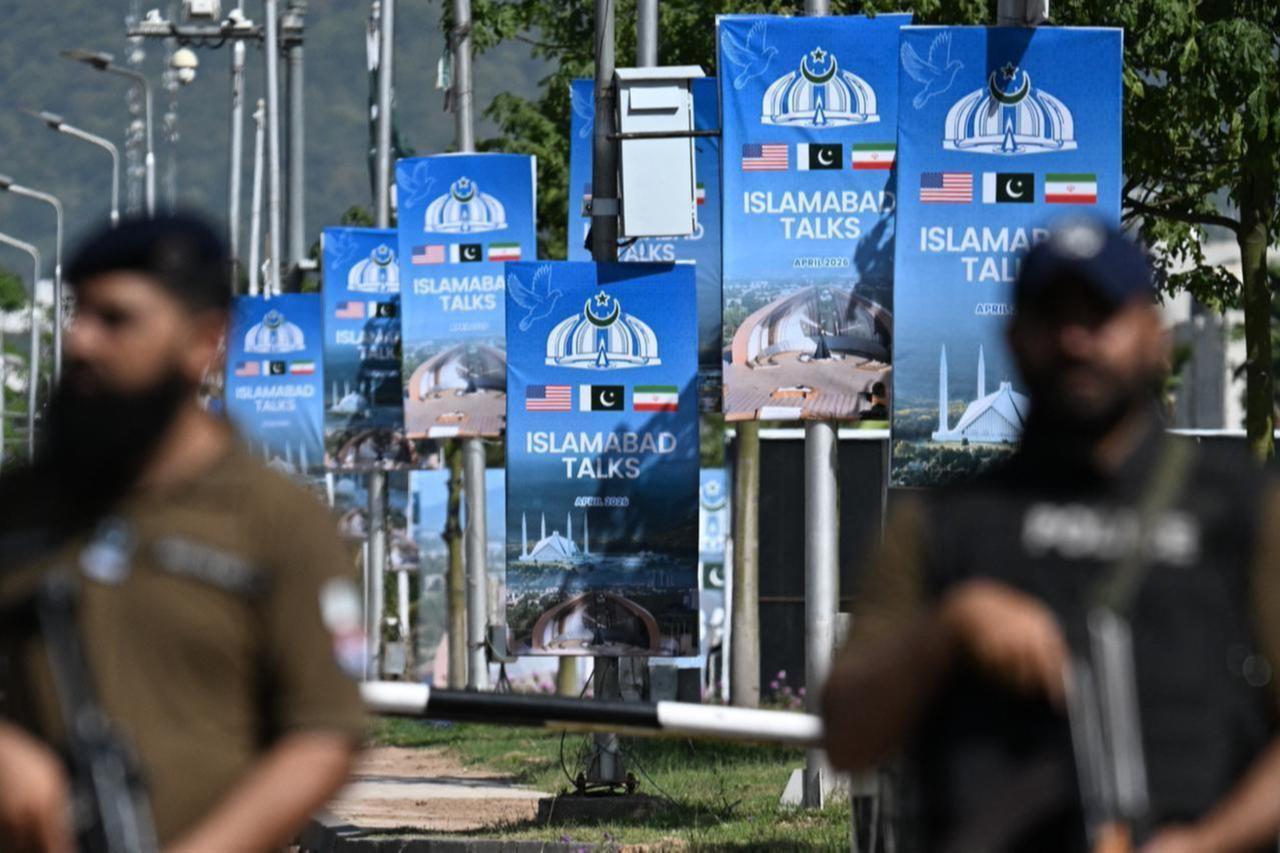


Iran on Friday flatly denied that it had requested face-to-face negotiations with the United States, pushing back against claims from the White House and casting fresh doubt over the prospect of a diplomatic breakthrough between the two countries.
White House spokesperson Karoline Leavitt said in remarks to Fox News that Iran had approached Washington seeking direct talks in Pakistan, prompting President Donald Trump to dispatch envoys for potential negotiations. Tehran's response was swift and unequivocal.
Iran's semi-official Tasnim news agency, citing informed sources, called Leavitt's statements "entirely false" and "a misrepresentation of the situation," insisting that Iran had made no such request. The sources went further, saying Tehran had "completely rejected the Americans' requests for negotiations due to their excessive demands until now," a formulation that flipped the narrative, casting Iran as the party turning down overtures rather than seeking them.
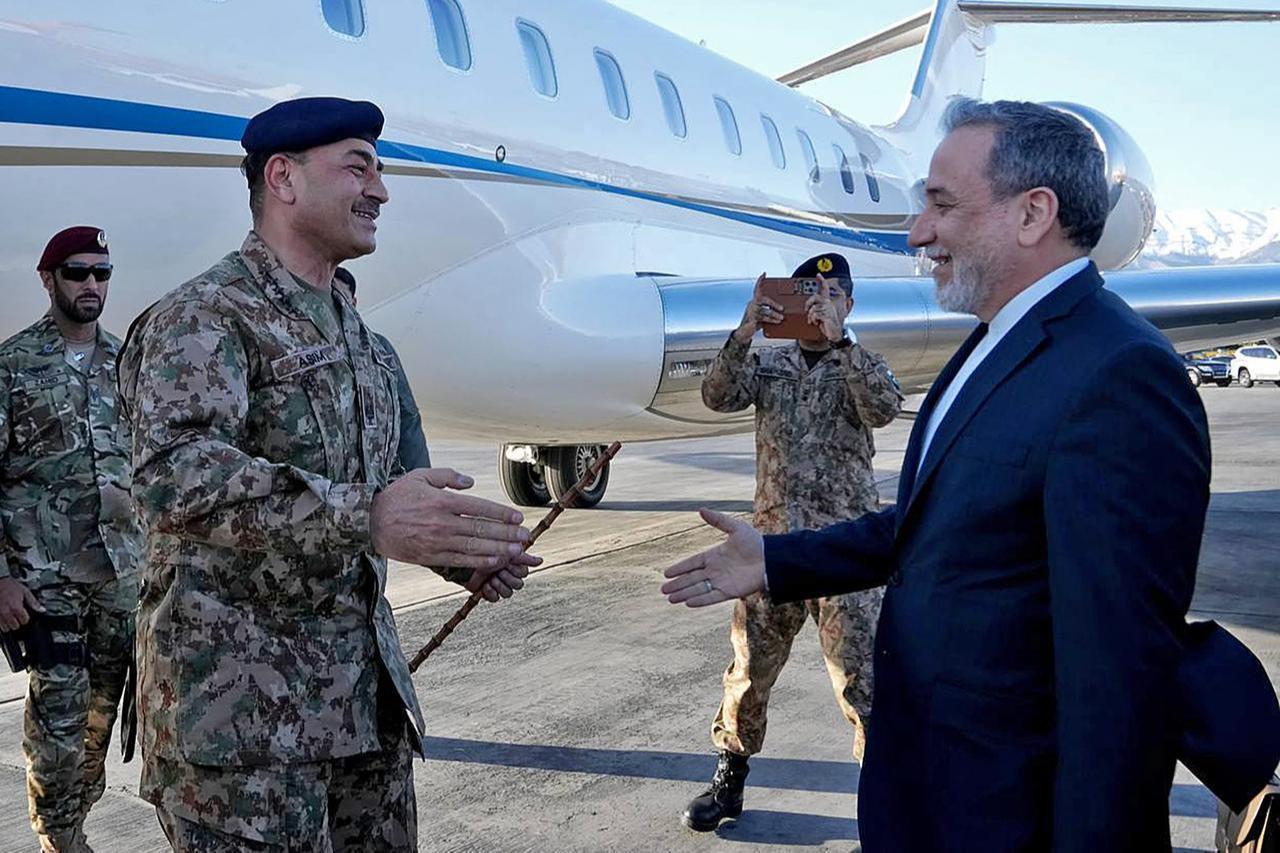

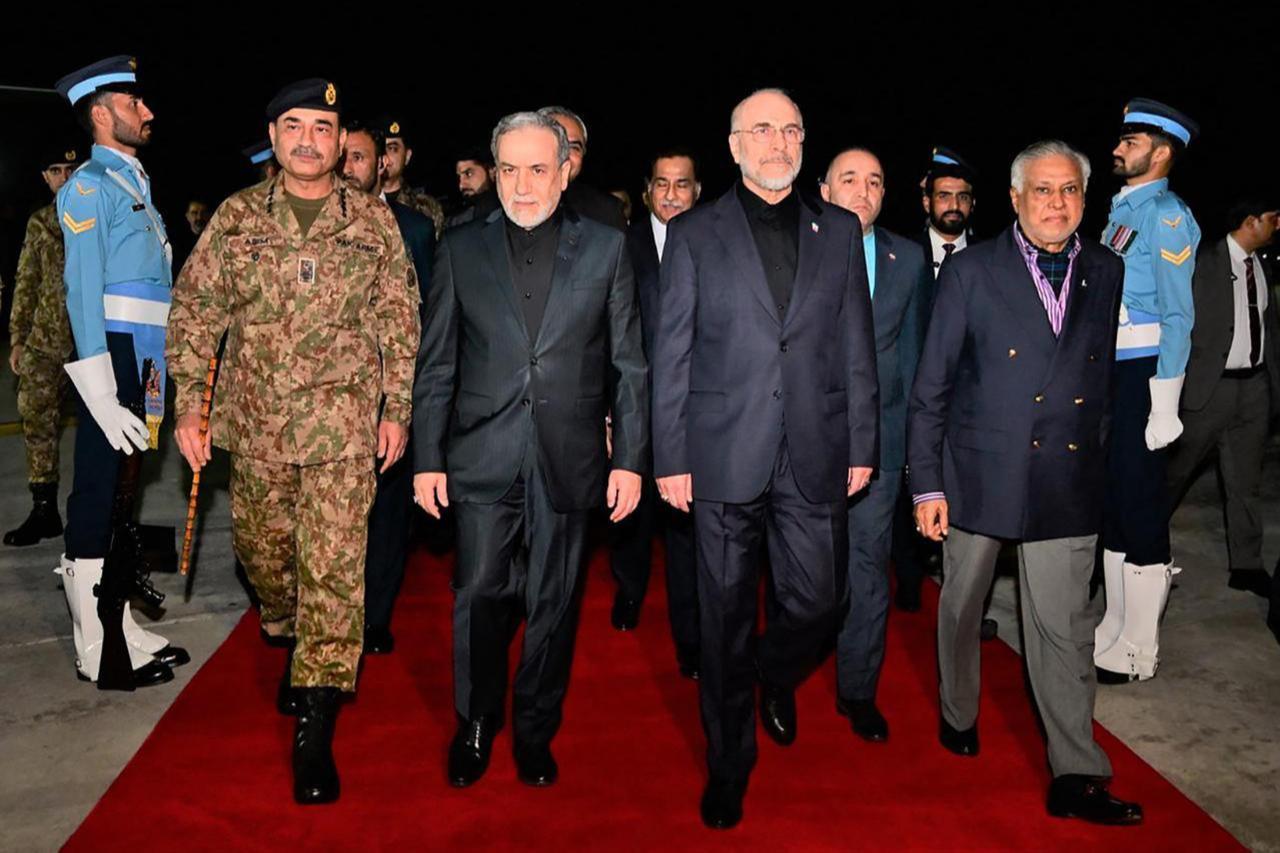
Iranian Foreign Minister Abbas Araghchi arrived in Islamabad on Friday, a trip that had already fueled speculation about a second round of US-Iran talks. Iran's Fars News Agency moved to contain that speculation, describing the visit as part of routine bilateral consultations with Pakistan and "independent" of any discussions involving Washington.
The competing characterizations left the diplomatic situation murky. Both governments acknowledge contact of some kind, but differ sharply on who initiated it and what its scope might be.
Despite Tehran's denials, the White House pressed ahead with its own plans. US special envoy Steve Witkoff and adviser Jared Kushner are scheduled to travel to Pakistan on Saturday to meet with Iranian representatives, according to the administration.
Witkoff has served as one of Trump's lead negotiators on a range of sensitive foreign policy files. Kushner, the president's son-in-law, played a central role in Middle East diplomacy during Trump's first term, including brokering the Abraham Accords normalizing relations between Israel and several Arab states.
 1 min read
US-Iran relations have been defined for decades by a combination of public hostility and back-channel diplomacy. The two countries have not had formal diplomatic relations since the 1979 Islamic Revolution, and direct negotiations have historically been politically sensitive for both governments, often requiring careful management of domestic audiences.
The current standoff echoes earlier moments in which both sides pursued contact while publicly maintaining hardline positions. Iran's insistence that any American demands be reasonable before talks can proceed mirrors language used during negotiations over its nuclear program, where disputes over preconditions have repeatedly stalled engagement.
Whether Saturday's planned encounter in Pakistan produces any formal dialogue, or whether Tehran's denials signal a genuine breakdown, remains to be seen.


 Set as preferred source
 Set as preferred source


 1 min read