Newsletters


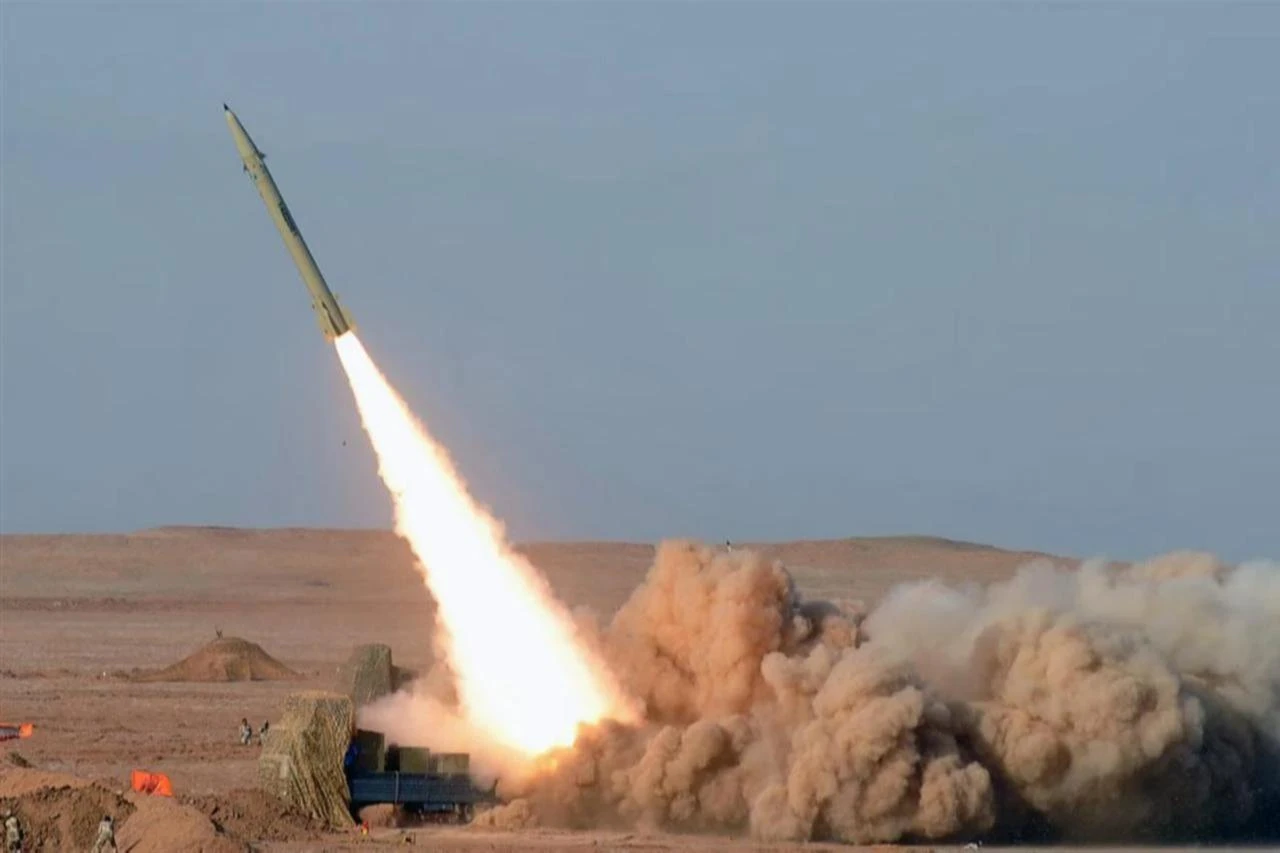


Iran’s Islamic Revolutionary Guard Corps (IRGC) said it identified and targeted key elements of the U.S. military’s technological network during the war, while also using advanced missile systems capable of changing course in flight, according to remarks carried by Tasnim News Agency.
Speaking in Lorestan, IRGC spokesperson Brig. Gen. Mohibbi said the U.S. entered the conflict with advanced technologies including artificial intelligence, command-and-control systems, satellite data, drone intelligence, radars, sensors and field reports.
He said these systems reduced the time between identifying a target, processing data, issuing a firing order and carrying out an operation from minutes to seconds.
“This is what distinguishes technological warfare from conventional wars,” Mohibbi said.
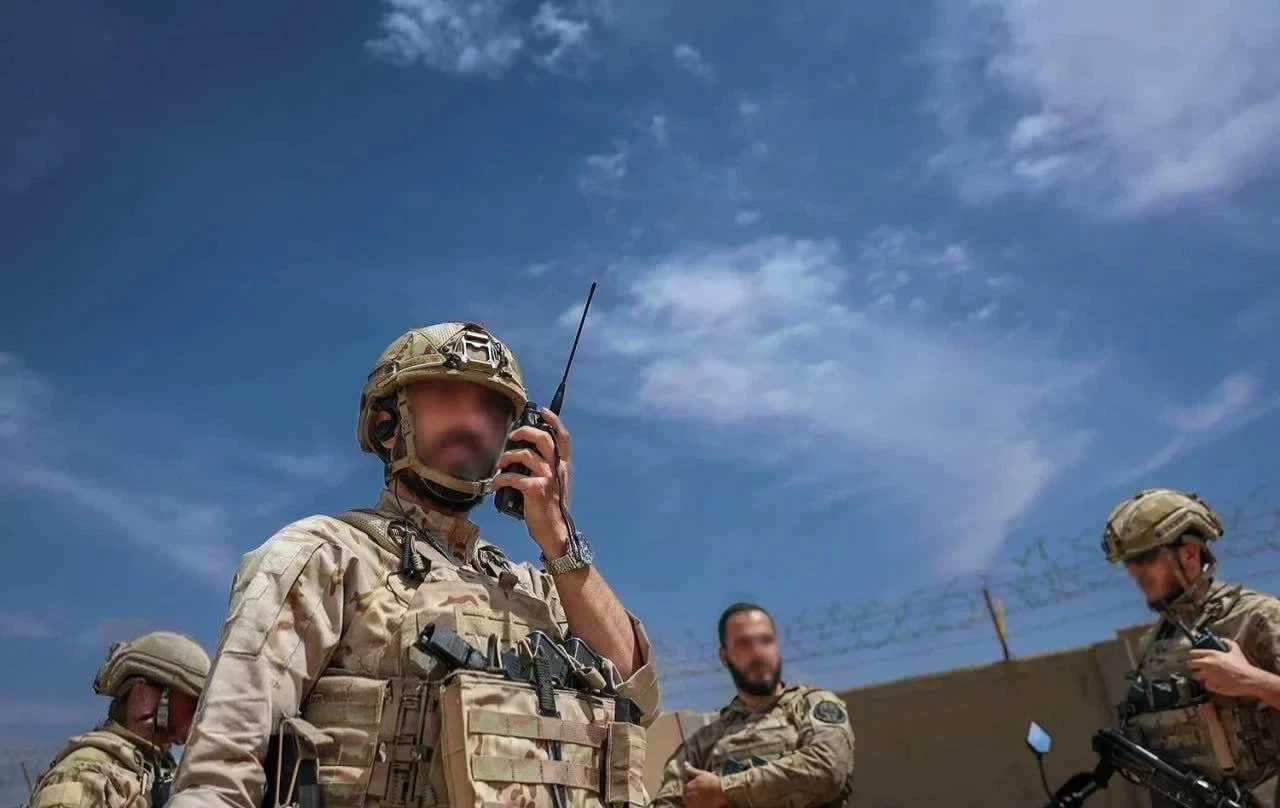

Mohibbi said modern warfare combines radar networks, weapons systems, processing environments, intelligence systems and targeting capabilities, while newer technologies are also used for tracking, damage assessment and identifying personnel.
“It is not the case that the enemy has technology and we are deprived of it,” he said. “We also fought technologically, identified the enemy’s power network, targeted its components and dismantled it.”
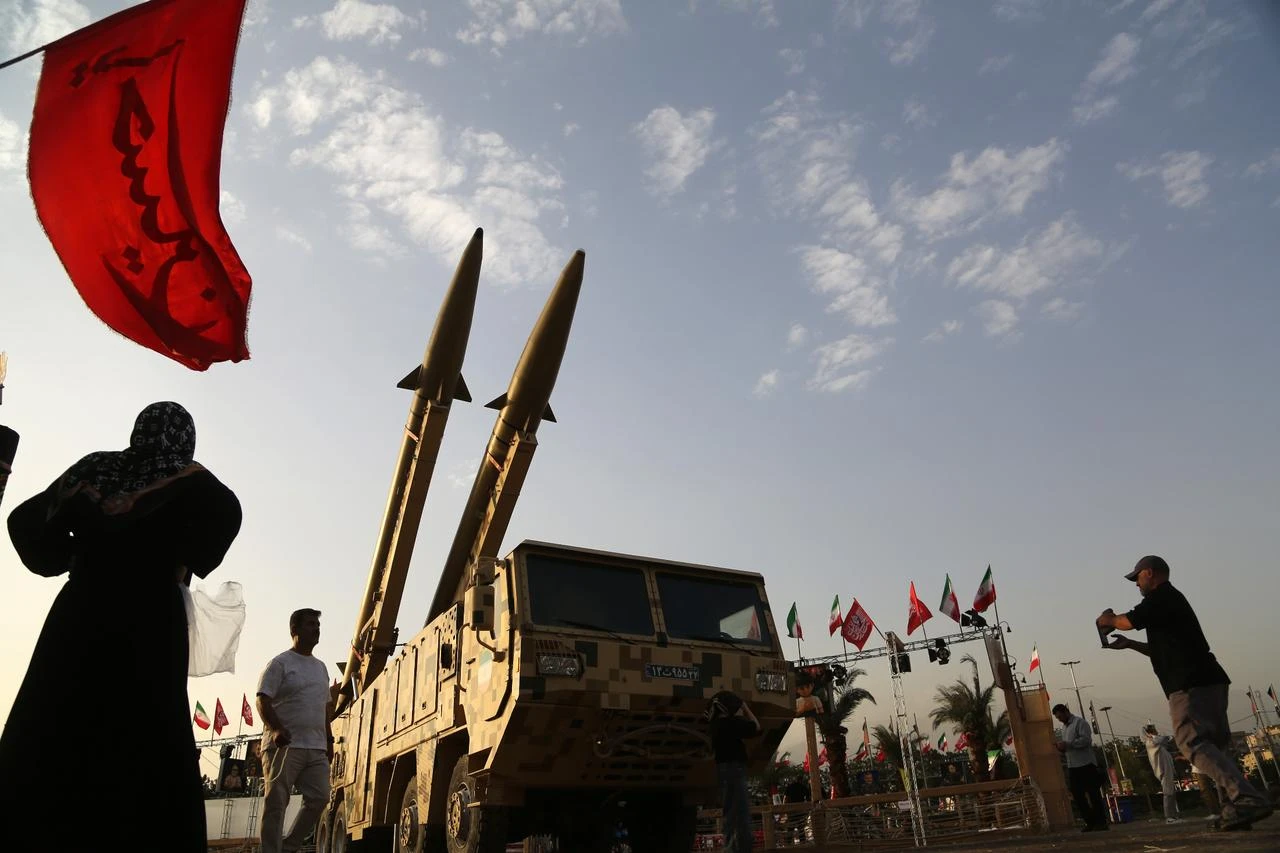
He said Iranian missiles had also become more technologically advanced and were no longer limited to flying toward a single predetermined point, Tasnim reported.
According to Mohibbi, the missiles can be guided and redirected during flight and can identify and pursue their targets.
Mohibbi said U.S. pressure was halted by what he described as the strength and determination of the Iranian people.
“Why did America stop and fail to continue the war?” he said, arguing that the answer was Iran’s power and will.
He said Iran sought to respond strategically to damage inflicted by its opponents by targeting their infrastructure and that of their allies.
Mohibbi said the U.S. threatened during the war to strike Iranian infrastructure if Tehran did not surrender.
After attacks on facilities and the South Pars gas field in Asaluyeh, he said Iran responded by launching a wave of missiles toward opposing infrastructure, interests and affiliated centers, as well as Israel.


 Set as preferred source
 Set as preferred source


 1 min read
 1 min read