Newsletters




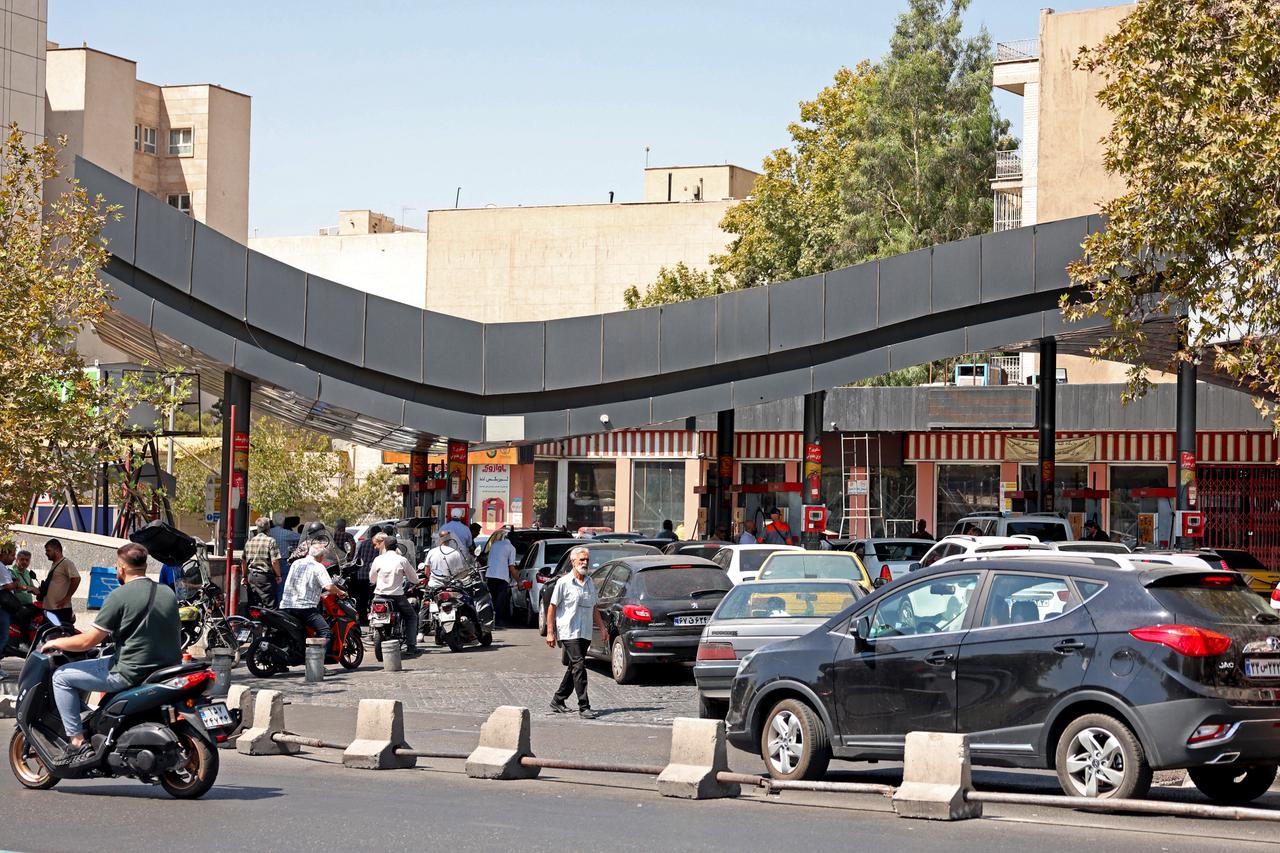
Iranian authorities said Sunday they will raise petrol prices for the country's heaviest fuel consumers, a move announced as the United States intensifies efforts to cut off Iran's economy from international markets.
Government spokeswoman Fatemeh Mohajerani said the price of petrol in the third tier of Iran's consumption-based quota system will double, rising to 10,000 tomans per liter, or roughly 4.5 US cents, starting the morning of September 8. The toman is an informal unit of currency equal to 10 Iranian rials.
"The rate will increase to 10,000 toman rials from the morning of September 8," Mohajerani said, according to remarks carried by Iranian state media.
Under Iran's fuel rationing system, consumers pay 1,500 tomans per liter for their first 60 liters in a given month. A second tier covers the next 50 liters at 3,000 tomans per liter. Beyond that threshold, drivers had been paying 5,000 tomans per liter, a rate that will now double under the new policy. Mohajerani said the first two pricing tiers would remain unchanged.
The spokeswoman acknowledged that officials had debated several possible price points before settling on the final figure. "Different numbers were mentioned in expert meetings, but because the president had promised the people, the rate of 10,000 tomans was set," she said.
Iran is one of the world's largest oil producers and has long maintained some of the cheapest fuel prices globally through heavy government subsidies. Adjustments to that pricing structure have historically carried significant political risk in the country.
The pricing change comes as Iran's currency continues to weaken on the black market. The rial was trading at more than 2.2 million to the US dollar on Sunday, according to websites that monitor the exchange rate.
That marks a sharp decline from levels of around 1.7 million to the dollar before the start of the Middle East war on February 28, and from the 1.8 million mark reached in late April, which had been a record low at the time.
The petrol price adjustment comes as the United States escalates its economic pressure on Tehran. Late last month, Treasury Secretary Scott Bessent outlined plans aimed at what he described as the "economic asphyxiation" of Iran, part of an effort to use financial leverage to help bring an end to the war.
The latest steps build on a sanctions regime that the US and its allies have maintained since 2018, when President Donald Trump withdrew the United States from an international nuclear agreement with Iran. In addition to financial sanctions, the US has imposed a naval blockade on Iranian ports in an effort to drive the country's oil exports down to zero.


 Set as preferred source
 Set as preferred source


 2 min read
 1 min read