Newsletters


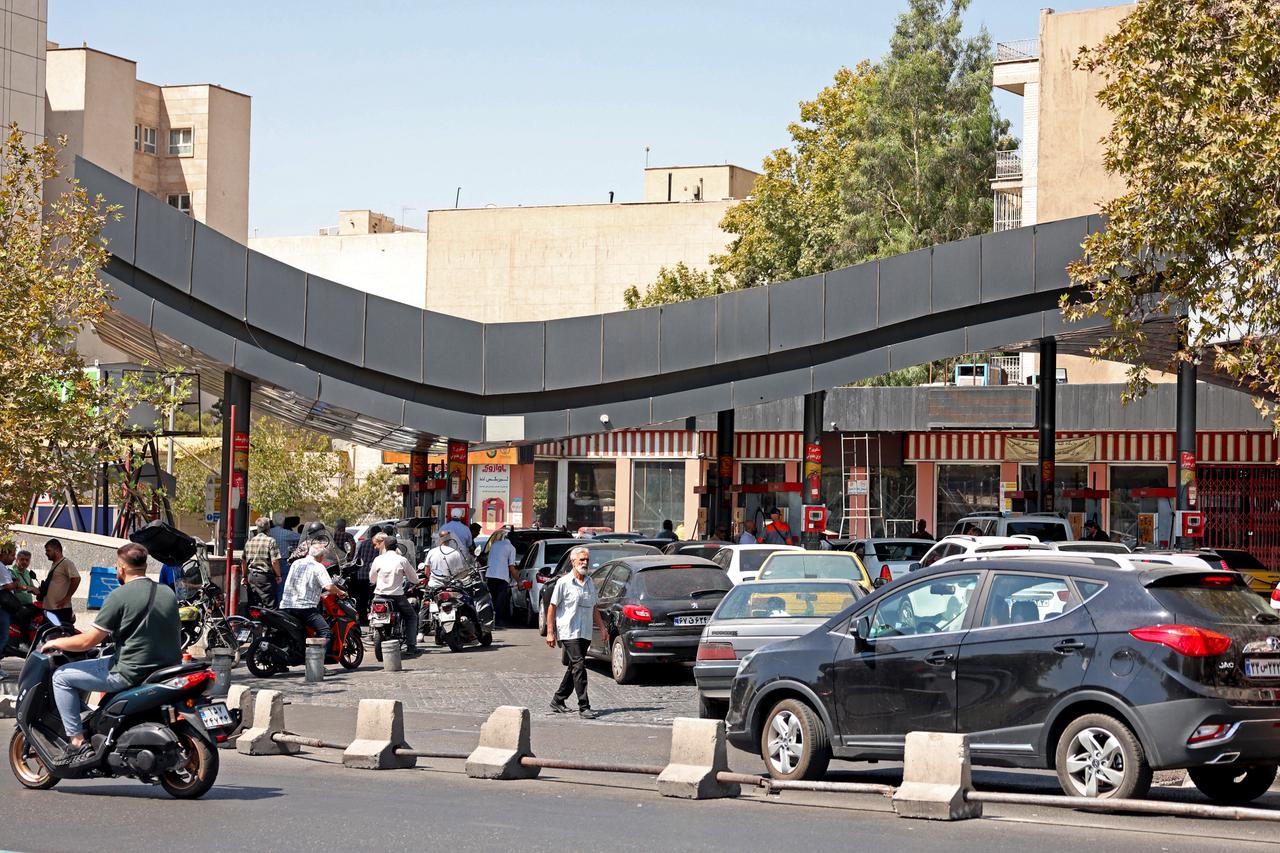


Long queues formed at petrol stations across Tehran on Tuesday after the United States announced fresh sanctions aimed at pressuring Iran, as officials warned of a widening fuel shortfall six months into a war that has ground to a military stalemate.
The Energy Optimization Organization (EOO), an Iranian state body managing fuel resources, said the country was facing a "critical" shortfall, with Iran currently 15 million liters short of its total daily petrol demand of 135 million liters, according to the Financial Times (FT).
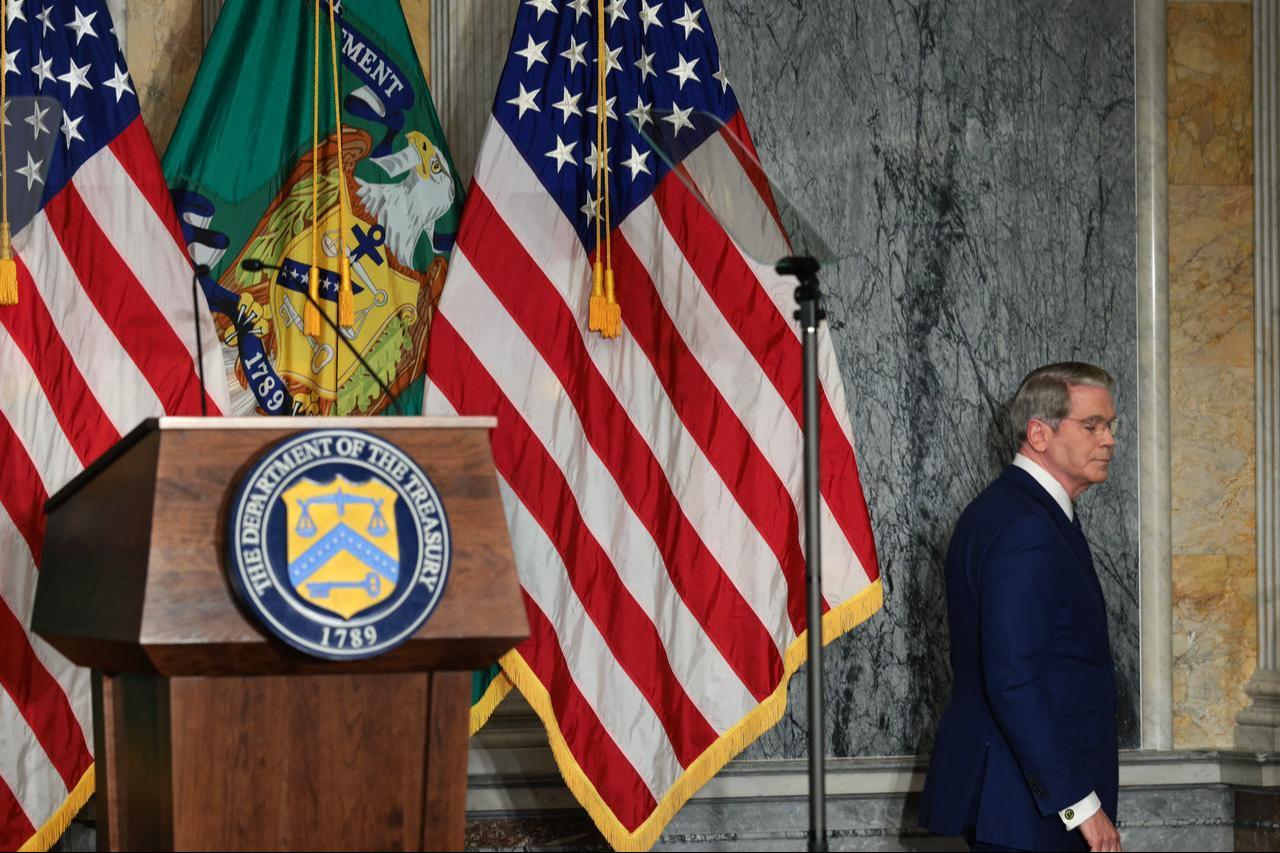
U.S. Treasury Secretary Scott Bessent said Monday that Washington was pursuing the "economic asphyxiation" of Iran, saying the objective is "to sever every economic lifeline that sustains this tyrannical regime."
The Treasury Department announced expanded secondary sanctions targeting Iran's digital assets, technology, gold, aviation and shipping sectors, along with new sanctions against 60 individuals, companies and vessels it said aid Iran in oil revenue generation, weapons procurement and cyber operations.
The sanctions hit entities in the United Arab Emirates, Hong Kong, China, Singapore and Europe.
Bessent said countries that did not support the campaign would "share in the isolation" of Iran, adding that U.S. President Donald Trump was personally calling world leaders to ask that they halt interactions with Tehran.
China, a key customer for Iranian oil, said Tuesday it opposed the sanctions and vowed to "take all necessary measures to firmly safeguard its own rights and interests."
Bessent did not rule out targeting Chinese banks, warning that any entity "that facilitates money laundering on behalf of Iran will be removed from the U.S. dollar system."

The U.S. naval blockade, in place since July 14, has severely curtailed Iran's ability to secure petrol imports, on which the country has long relied to make up shortfalls despite being a major crude exporter.
The U.S. and Israeli bombing campaign also destroyed some of Iran's refining capacity in the early weeks of the war, which began in February.
Imports from northern routes have also become constrained due to the effects of the Ukraine war and Russian losses of refining capacity.
A petrol station attendant in Tehran told the Financial Times that people were rushing to fill up "even before their tanks are empty because they worry that the war might start over again or that prices will rise."
A 20-liter-per-car limit meant drivers had to return repeatedly, the attendant said.
Some Tehran residents said they feared the economic pressure would compound hardships from the war. Realtor Mehdi Yazdian, 55, said sanctions were affecting both wealthy and poor residents alike.
"Naturally, sanctions affect people's lives. People are being hurt, both those who are financially well-off and those who are financially weak," Yazdian said, calling on authorities to control prices. "Yes, these sanctions are having an effect, but naturally, our people are resilient. These sanctions have been in place for 47 years."
English teacher Kia Farahani, 45, said she worried the economic strain could reignite unrest similar to protests that peaked in January, which authorities met with a crackdown that foreign rights groups said killed thousands of people.
"I personally am not afraid of war at all because this is our land," Farahani said. "But I think that this war will be more economic and will cause people to feel a lot of pressure, and now maybe there will be protests again."
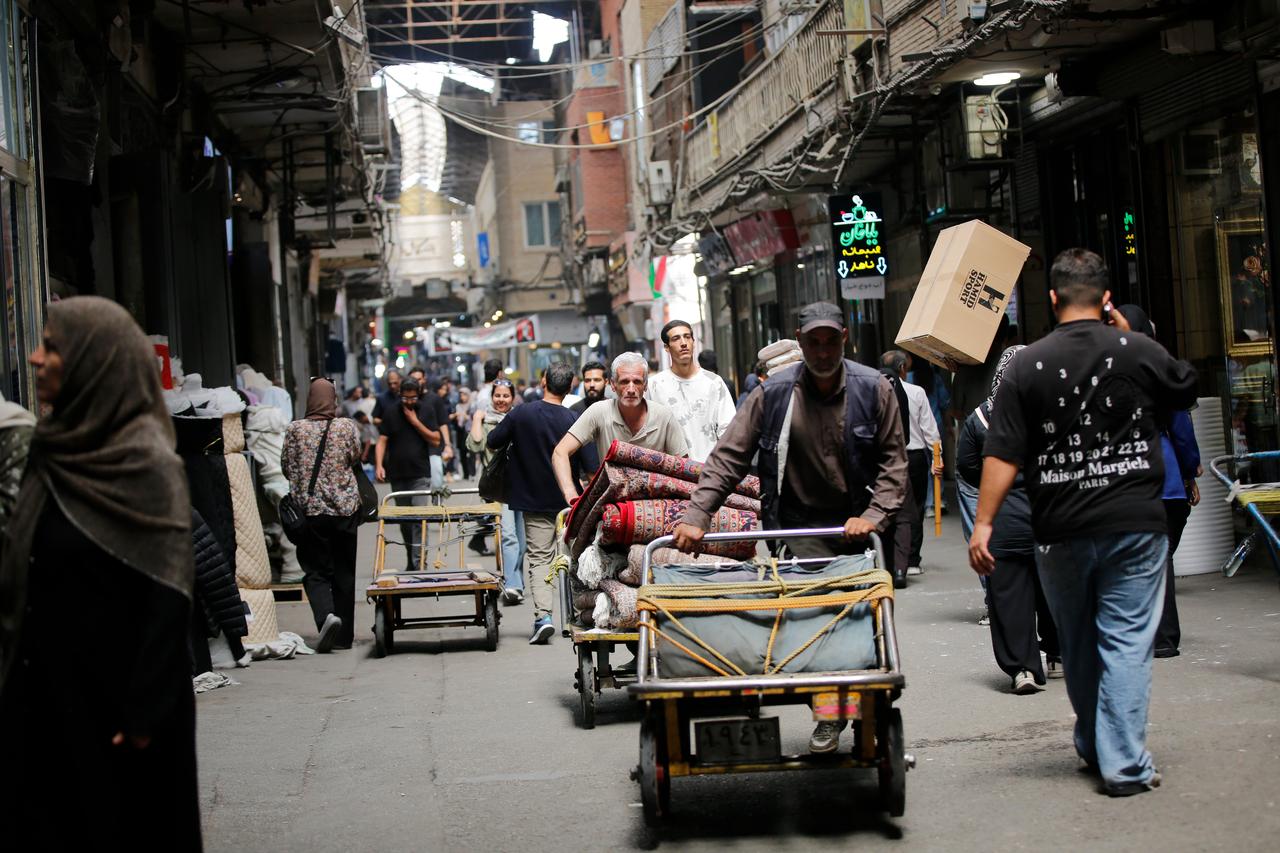
Iranian news agencies Rokna and Tabnak reported long lines and temporary station closures in Tehran on Monday and Tuesday, with some residents in eastern, southern and northern parts of the capital saying stations had run out of petrol.
Reports of diesel and gas shortages also emerged on social media in Mazandaran and Fars provinces, according to CNN, which said it could not independently verify those reports.
The National Iranian Oil Products Distribution Company (NIOPDC) said the country's fuel supply chain remains stable, attributing the shortages and long lines to rumors that triggered panic buying, as well as delivery delays.
The company said the issue "should be resolved within the next few days," according to Rokna.
The NIOPDC's Tehran region director said damage to the capital's petroleum storage and distribution infrastructure during the war had created some distribution constraints.
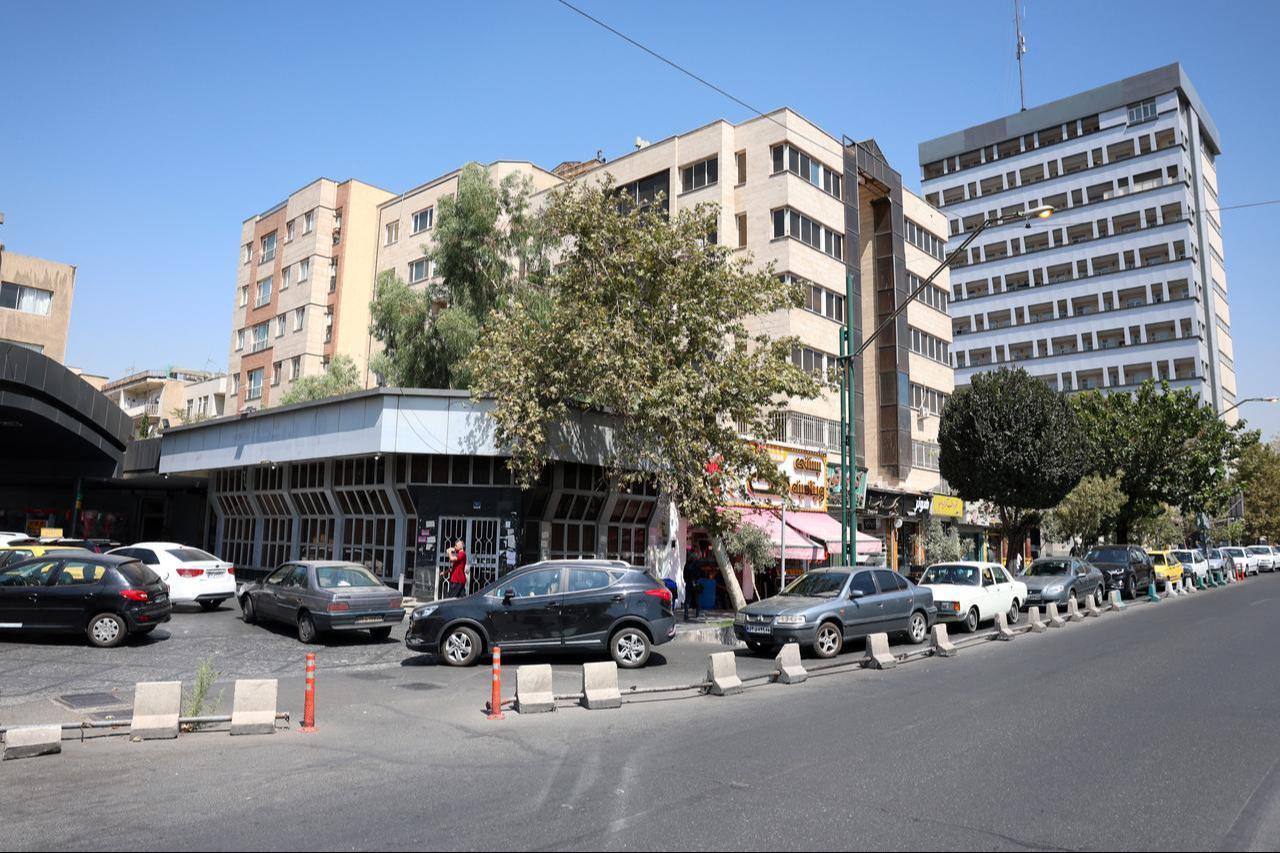
Iranian officials say the shortage has been worsened by a subsidy system that provides the country's 90 million residents with some of the world's cheapest petrol, priced between 15,000 and 50,000 rials per liter (roughly $0.0075 to $0.025), according to the Financial Times.
Iranian President Masoud Pezeshkian said this month that selling petrol below market price places immense pressure on government resources needed for food subsidies and worker support.
"Who said the government should buy petrol at 1.3 million rials per liter and then sell it for 15,000 rials?" he said.
Mohsen Haji-Mirzaei, head of Pezeshkian's office, said Monday the government intends to reduce fuel quotas, though a final pricing decision has not been made.
"There are uncertainties regarding the social, economic and security implications of any pricing policy," he said, adding that people may have to pay higher prices for consumption beyond their allocated quotas.
A pilot project to raise petrol prices in Kerman province this month was halted within hours of implementation. Iran's currency has fallen to a new low of 2 million rials to the dollar in recent days, with year-on-year inflation near 90% and food inflation around 130%.
Tehran-based energy analyst Morteza Behrouzifar said petrol prices act as a "barometer of inflation" and could cause a severe economic shock if raised.
"People are already under tremendous pressure," he told the Financial Times, adding, "If the government now wants to address this issue through an increase in petrol prices, it could have undesirable social and economic consequences."


 Set as preferred source
 Set as preferred source



 3 min read