Newsletters


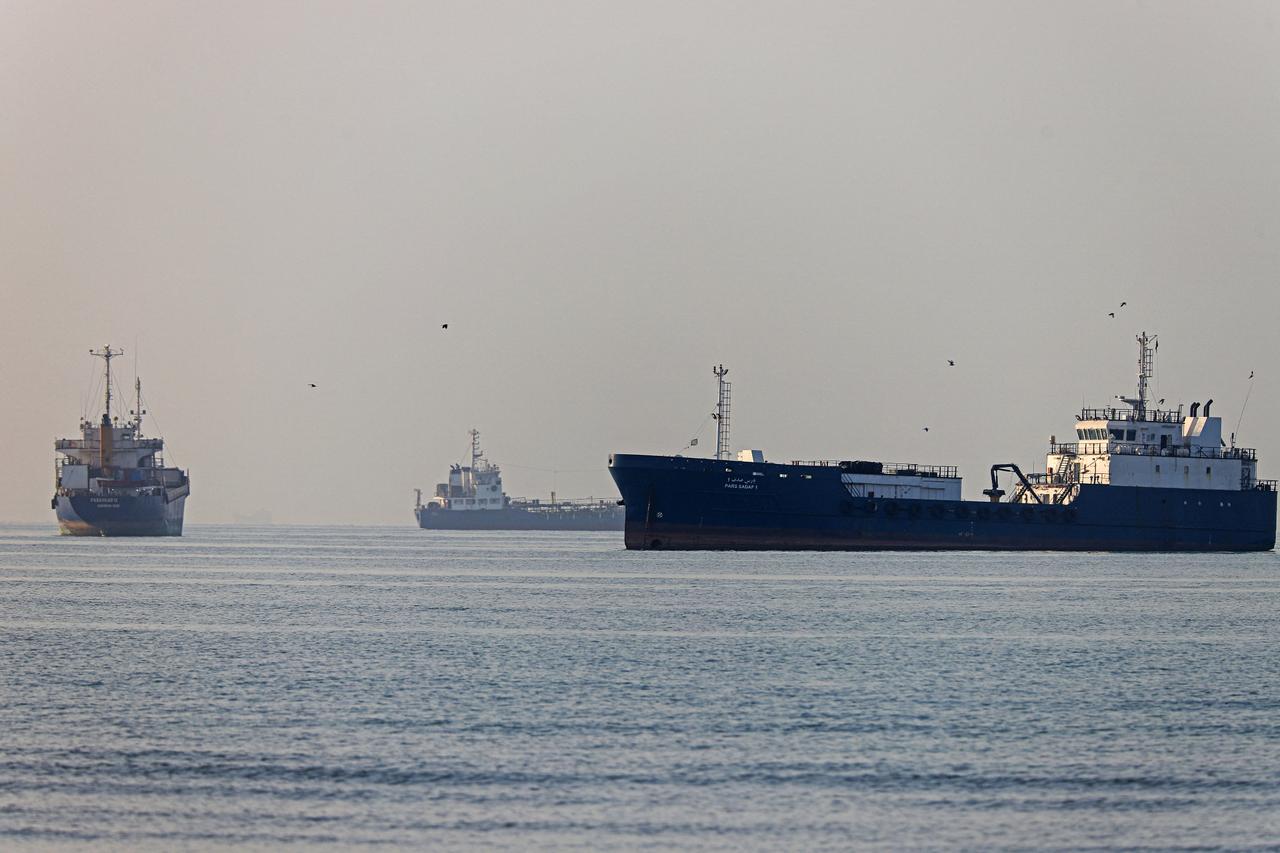


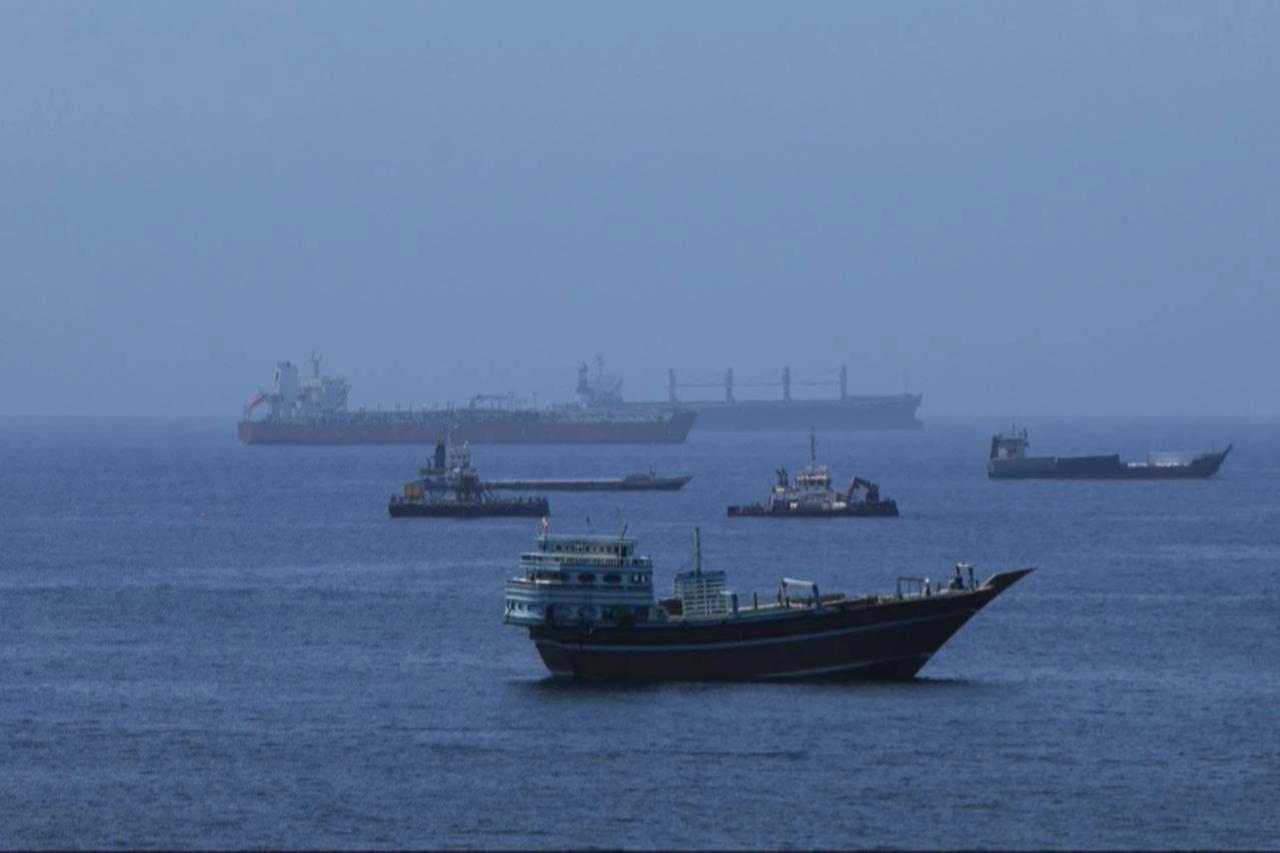
Iran is developing a regulatory framework to charge vessels transiting the Strait of Hormuz for maritime safety and environmental services, according to Iran's Environmental Protection Organization chief cited by Tasnim News Agency.
Meanwhile, the Iranian foreign ministry accused Washington of "contradictory positions" that were derailing peace negotiations, as Pakistan's interior minister delivered a message from Islamabad's military chief to Iran's supreme leader in Tehran.
The proposed Hormuz fee framework, still in the draft stage, would give Iran a new economic lever over global energy flows at the same moment peace talks remain stalled, with the U.S. and Iran trading ceasefire violations, and Washington separately considering redirecting Iran's frozen assets to compensate Gulf allies rather than releasing them to Tehran.
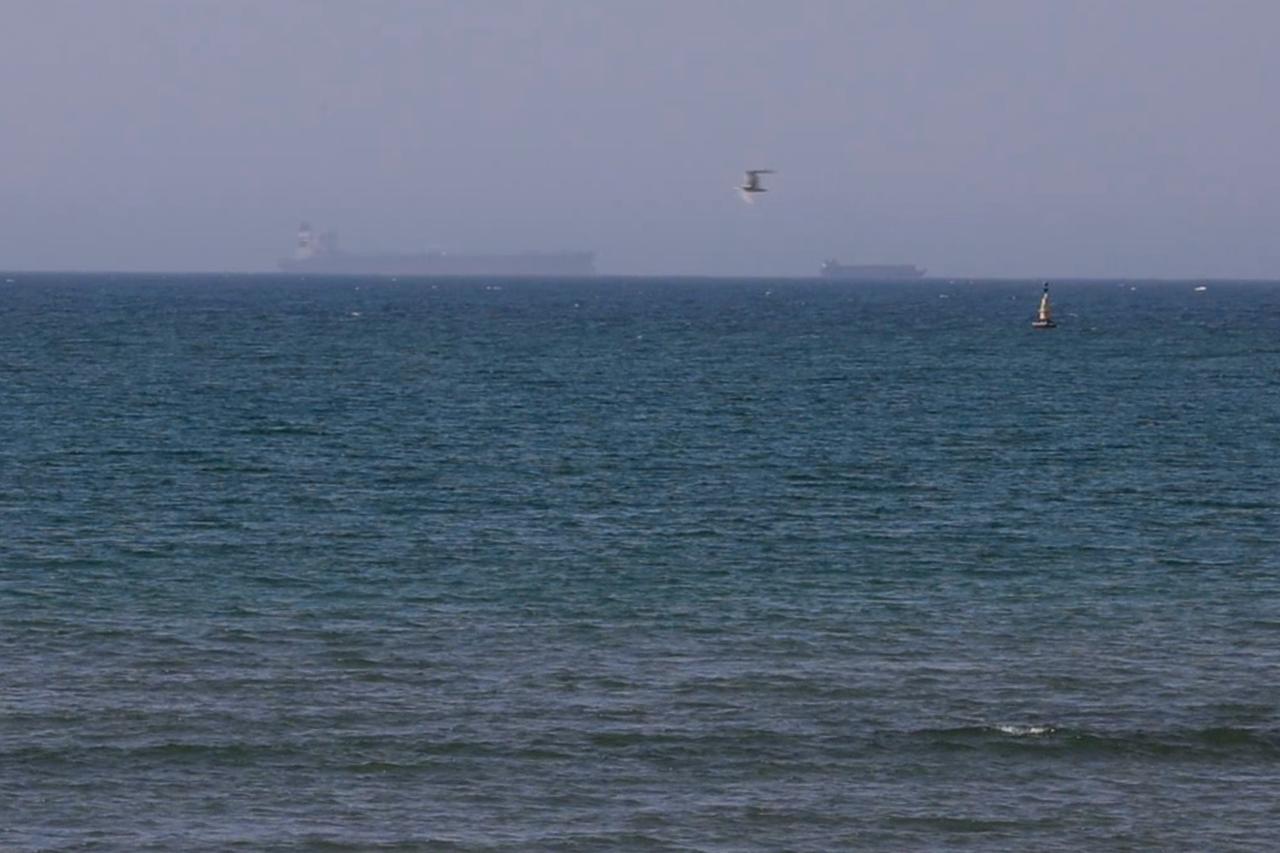

Iran's Environmental Protection Organization head, Shina Ansari, told Tasnim that a regulatory code for collecting environmental and maritime service fees from ships transiting the Strait of Hormuz had been ordered drafted approximately two weeks ago, with a preliminary draft now ready.
"What is currently being discussed is not simply the collection of tolls, but rather a package of maritime, safety and environmental services provided by coastal states," Ansari said, adding that services could include navigation guidance, search and rescue operations, vessel security and marine environmental protection.
Ansari said the framework was being developed in cooperation with Oman, noting that the Strait of Hormuz falls within the territorial waters and sovereign zones of both Iran and Oman.
"The possibility of designing joint executive mechanisms in this regard exists," she said.
Unlike straits subject to free transit passage regimes in international waters, Ansari argued, the Strait of Hormuz falls within territorial and sovereign waters, giving coastal states legal grounds to charge for services rendered.
The preliminary draft will be reviewed by the organization's deputy council and, once approved, forwarded to relevant legal authorities.
Final pricing and collection mechanisms have not yet been decided.
Mohsen Zanganeh, a member of the Iranian Parliament's Plan and Budget Commission, stated that an average fee of $1.5-$2 million is collected from ships passing through the Strait of Hormuz.
He also noted that some payments are made in cryptocurrency and some are fulfilled by procuring goods instead of money.
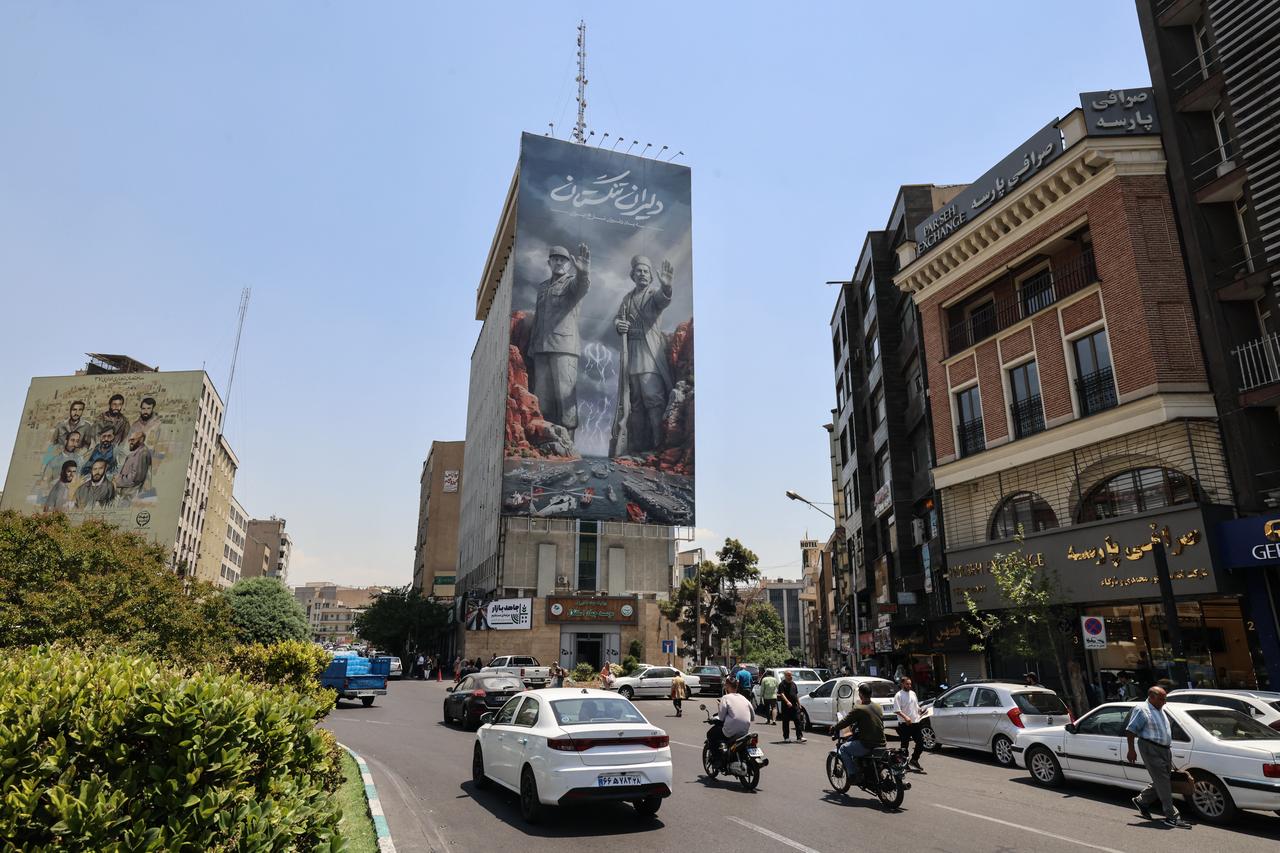
Iranian Foreign Ministry spokesman Esmaeil Baghaei, speaking to CNN's Frederik Pleitgen in Tehran on Sunday, said Iran's central problem in negotiations was Washington's shifting stance.
"The main problem of negotiating with this administration is that you have to face so many changing positions, moving the goalposts, different statements, contradictory remarks by different officials, so it makes the whole process very cumbersome," Baghaei said.
He said the core issue was that "the Americans must understand that they have to recognize Iran's rights," including the right to peaceful nuclear enrichment under the international non-proliferation treaty.
On frozen assets, he said: "When they are talking about our blocked assets, they're not going to give us any concession."
Baghaei said the U.S. must "simply stop their sanctions" and let Iranian assets be released and made available to Iranians.
He accused Washington of violating the ceasefire by attacking Iranian commercial ships in the Strait of Hormuz and on the high seas, warning that Iran's armed forces "are steadfast and resolute to respond to any attacks with all force."
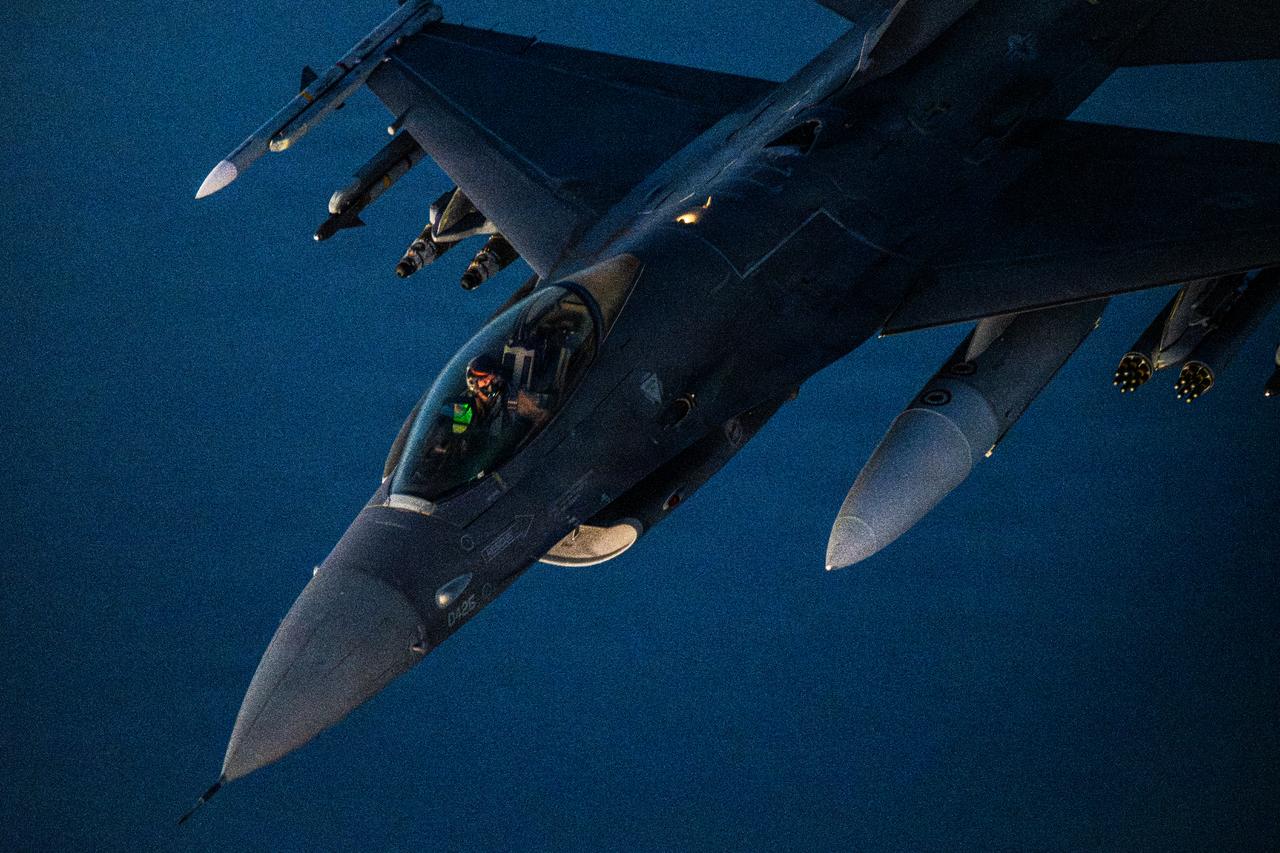
The U.S. military said Sunday it remained ready to "continue defending against Iranian aggression" and shot down two more Iranian drones threatening Hormuz shipping.
Iranian Foreign Minister Abbas Araghchi met Pakistani Interior Minister Mohsin Naqvi in Tehran on Sunday, with the two sides discussing the latest diplomatic developments in U.S.-Iran talks and the regional situation, Iran's Fars News Agency reported.
Naqvi, who arrived in Tehran on Saturday, said he was in Iran to deliver a message from Pakistani military chief Asim Munir to Supreme Leader Mojtaba Khamenei.
He had met his Iranian counterpart, Eskandar Momeni, the previous night and was carrying new proposals aimed at breaking the current deadlock and facilitating a temporary understanding between the parties, Pakistani sources told Türkiye's state-run Anadolu Agency (AA).
The U.S. and Iran appear far apart on Iran's nuclear enrichment program, enriched uranium stockpile, the release of frozen assets, and freedom of navigation through the Strait of Hormuz.
A ceasefire reached on April 8 has been repeatedly violated by both sides, with neither side formally declaring it over.


 Set as preferred source
 Set as preferred source


 1 min read

 1 min read