Newsletters


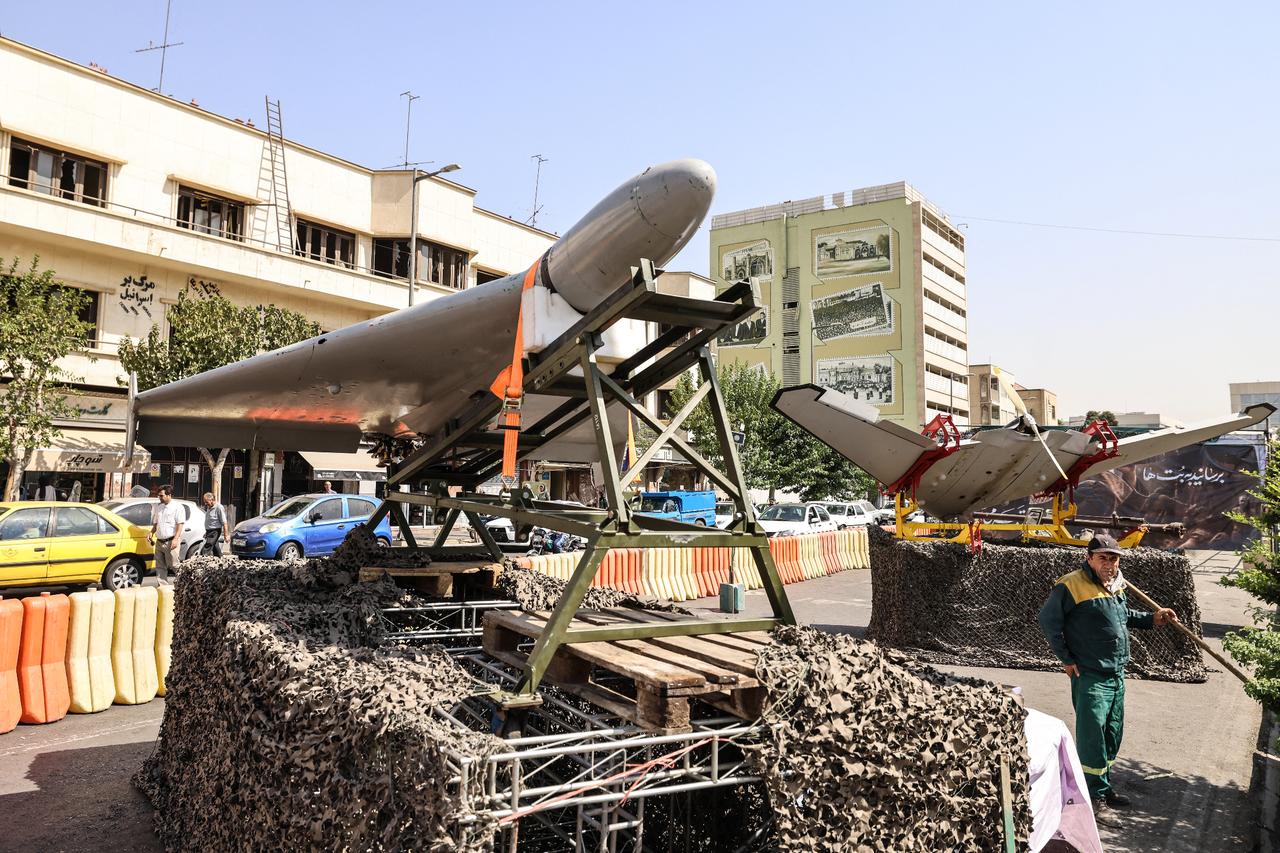


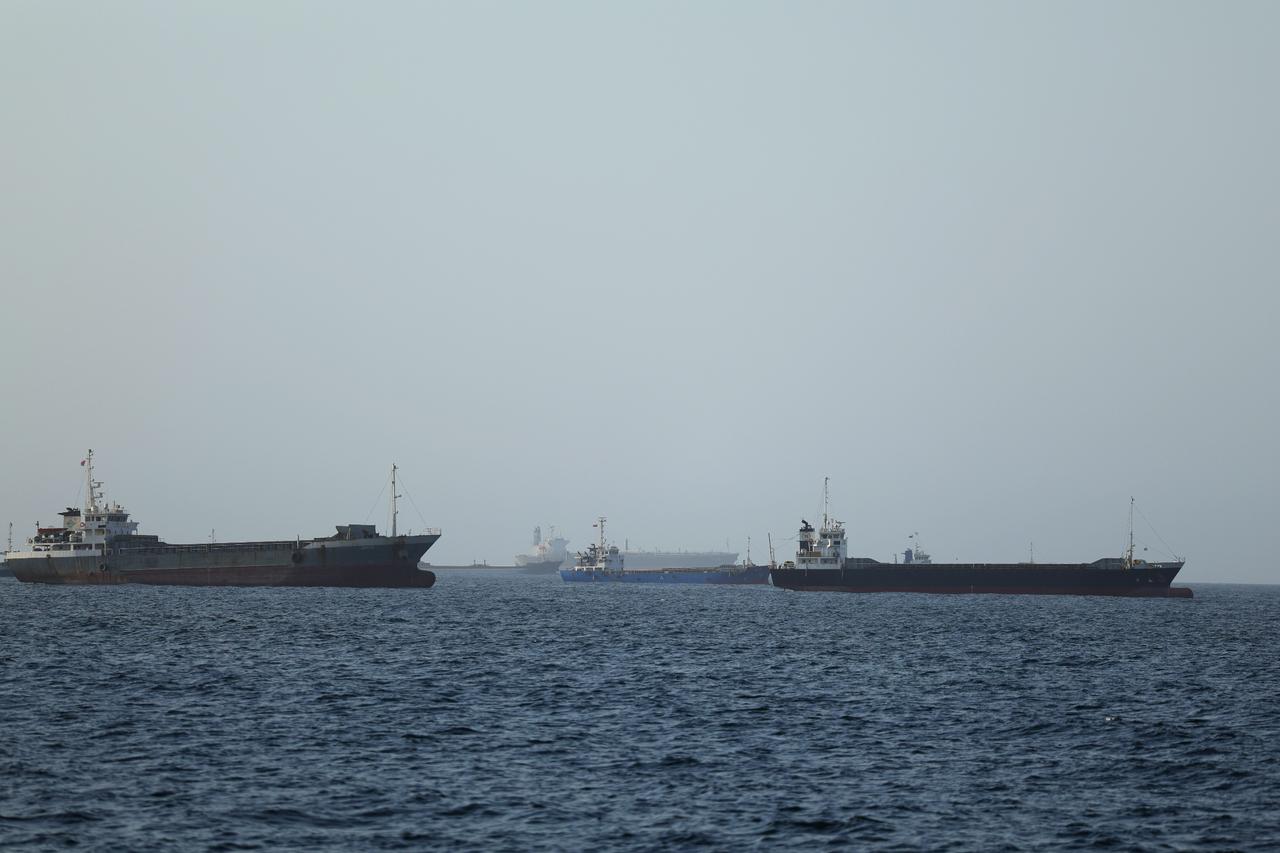
Iran has adopted new tactics to step up attacks on ships in the Strait of Hormuz in a bid to keep oil prices high and influence the U.S. midterm elections, two senior Iranian officials told Reuters.
"The aim is to frustrate efforts by the United States and its allies to bring down global oil prices," one of the officials said. The officials said the strategy, which changes both the type and pace of attacks, was adopted about 10 days ago at the highest levels of Iran’s leadership.
Attacks on commercial ships near Hormuz have surged to their highest level since the war began, threatening global energy markets weeks before the Nov. 3 vote, in which the war’s roughly $3 billion monthly cost has become a campaign issue.
Both officials said Tehran is moving toward a situation where no vessel violating its restrictions could pass through the strait.
"It will be complete closure soon," one said.
Iran will also expand its operations beyond Hormuz to the Gulf of Oman and waters further afield, they said. Maritime security data suggest Iran has already targeted ships off Qatar and the United Arab Emirates in recent days.
"Just when they think they are getting close to the point where prices will fall, we will push them away from it. This is a game of chess," the second official said, adding, "Such vessels would be safe nowhere, even outside the Strait of Hormuz."
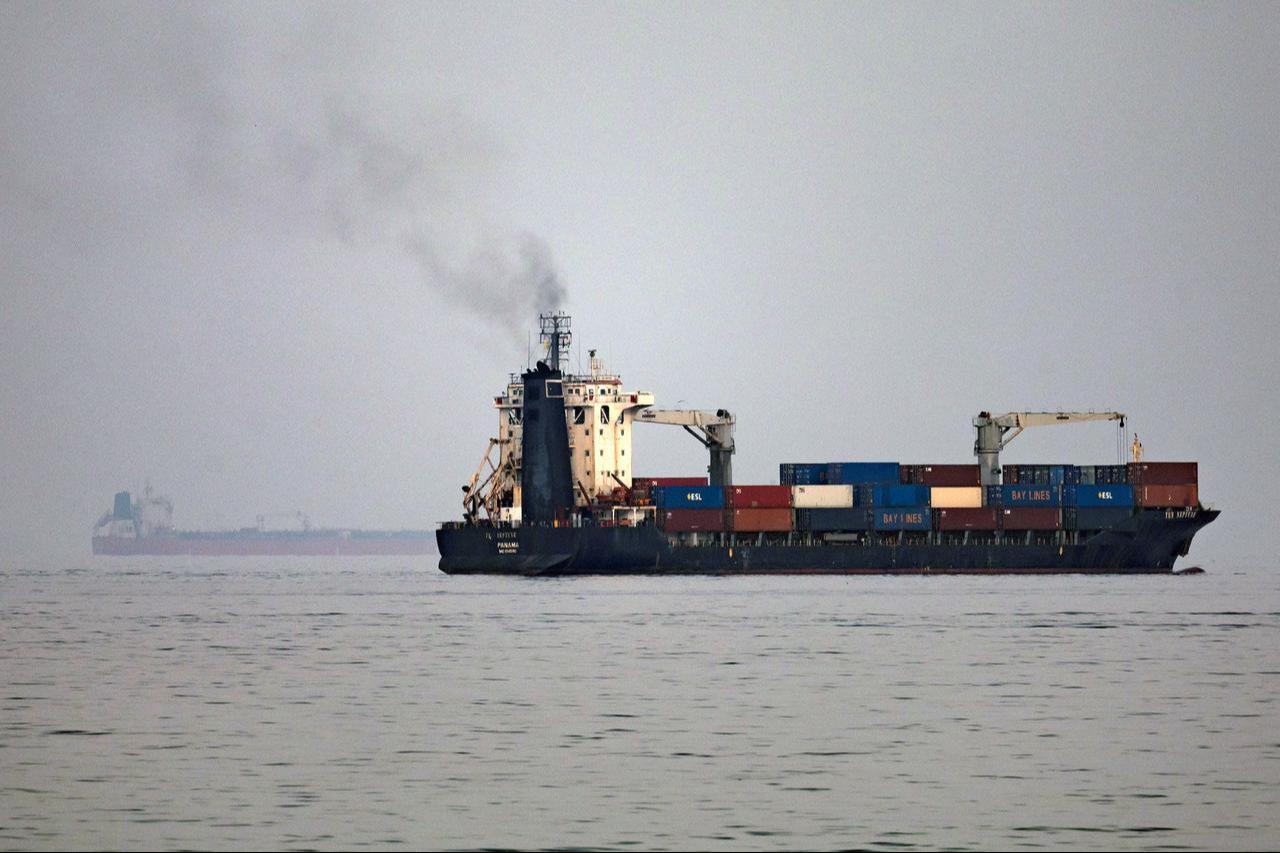
At least five incidents involving tankers and other commercial ships were reported around Hormuz in 48 hours, according to maritime security sources and the U.K. Maritime Trade Operations agency (UKMTO).
"There is a tempo increase in strikes, which looks deliberate," one maritime security source said.

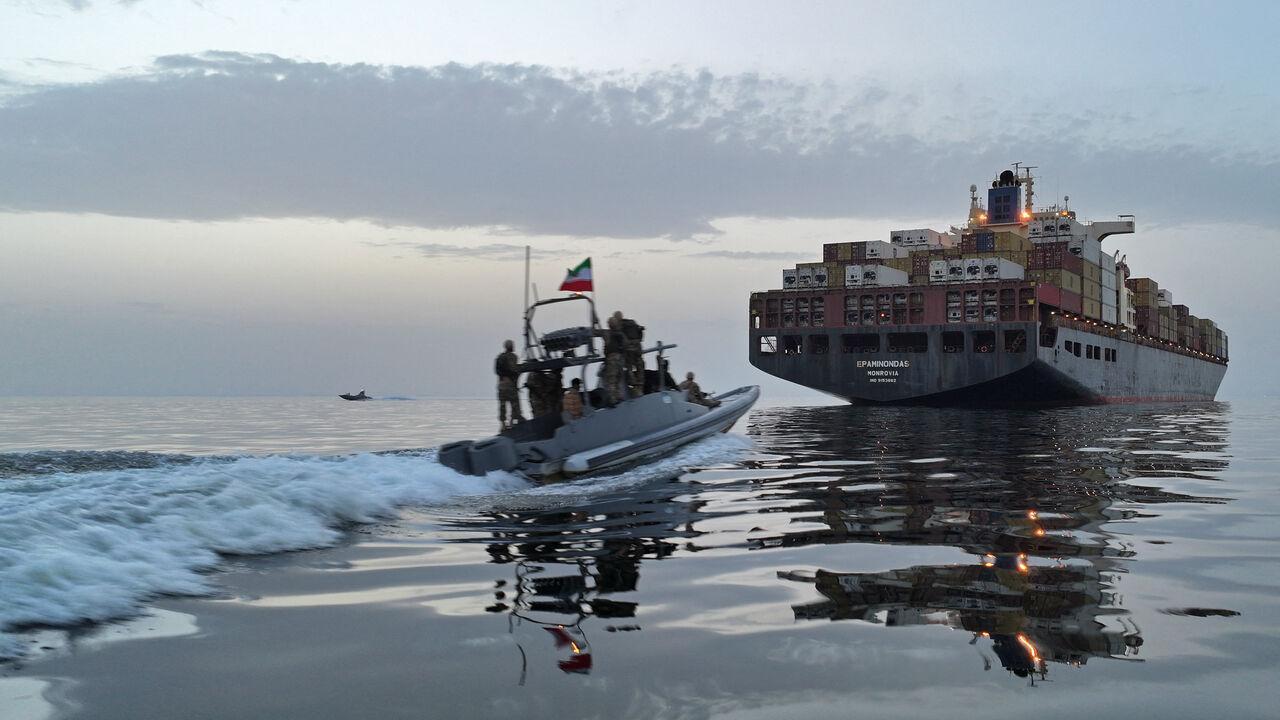
A U.S. military official confirmed one significant change: after U.S. strikes destroyed much of Iran's radar capability, the Islamic Revolutionary Guard Corps (IRGC) began using unarmed spotters in small boats to identify targets, including U.S. naval vessels.
Last week, U.S. forces found Iranian spotters calling in targets from a dhow, ordered its occupants to abandon ship and destroyed it, with no casualties, the official said. Iran has been unable to prevent rising oil exports through the strait, unwilling to risk its remaining fast boats, the official added.
The U.S. Navy-led Joint Maritime Information Center said the threat to shipping in Hormuz remained "severe," citing "IRGC attacks, attempted attacks, and/or harassment activity" including drone overflights and surveillance of merchant ships.
U.S. Central Command (CENTCOM) recently rejected IRGC's claims of control over the strait, a day after an IRGC naval official threatened to sink U.S. warships approaching Hormuz. "U.S. forces and regional partners clearly control the Strait of Hormuz," CENTCOM said on X, adding that the IRGC has no navy.
U.S. forces helped Gulf partners move more than 19 million barrels of crude through the strait on Monday, it said.
U.S. President Donald Trump, speaking at a campaign rally in Wasilla, Alaska, repeated that Iran would not have a nuclear weapon.
"Wait and see what we’re going to do to Iran," he said.
Trump has said he will not attack Iran before the midterms.
The war began with U.S. and Israeli attacks on Iran on Feb. 28, before a ceasefire was reached in April. Clashes between Washington and Tehran later resumed as negotiations stalled despite the two sides signing a memorandum of understanding in June.
Tensions in and around the Strait of Hormuz have remained high amid the Iran-U.S. war and disputes about navigation through the strategic waterway.
Tehran maintains that it controls passage through Iranian waters in the strait and has warned vessels against using routes it considers unauthorized, while Washington has insisted on freedom of navigation through the waterway.
Recent attacks on commercial vessels in and around the strait have further heightened maritime tensions.


 Set as preferred source
 Set as preferred source


 1 min read
 1 min read