Newsletters




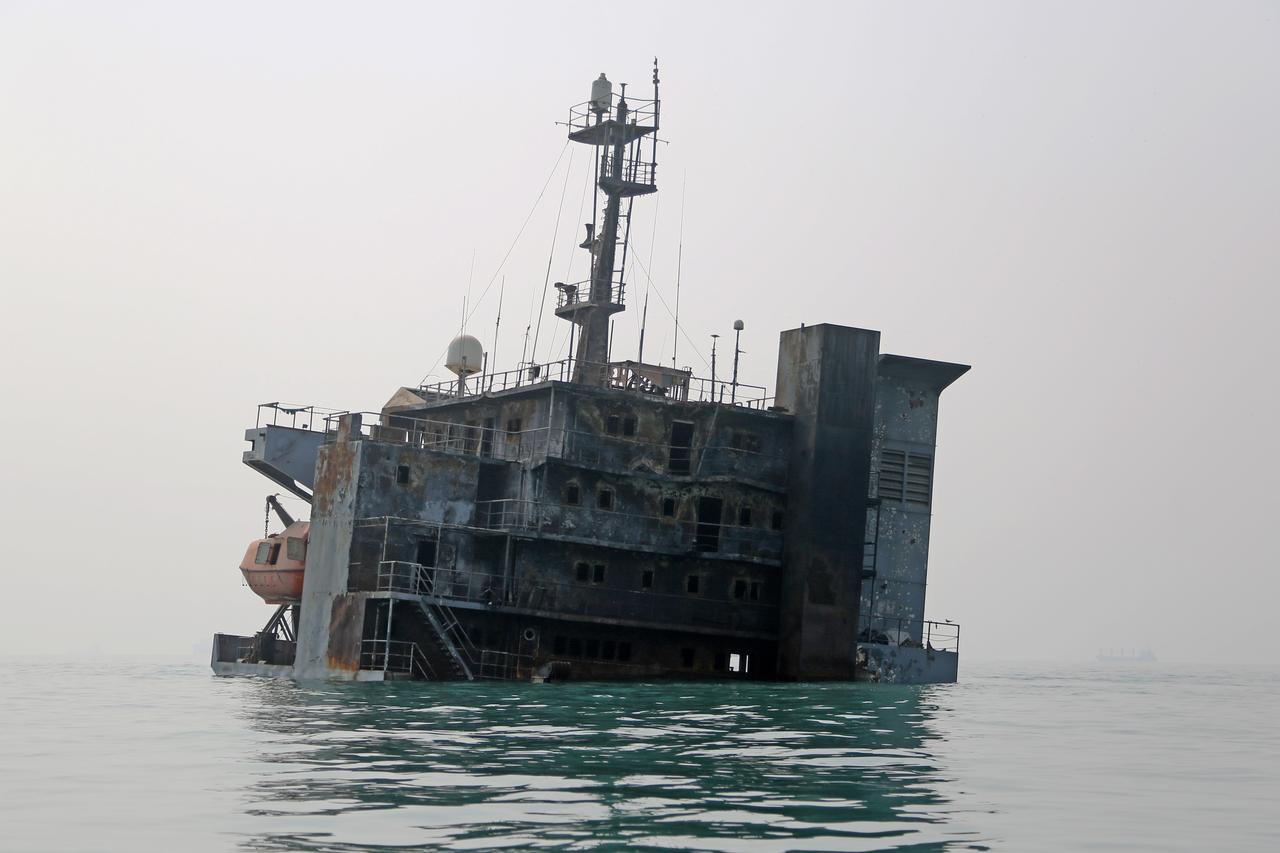
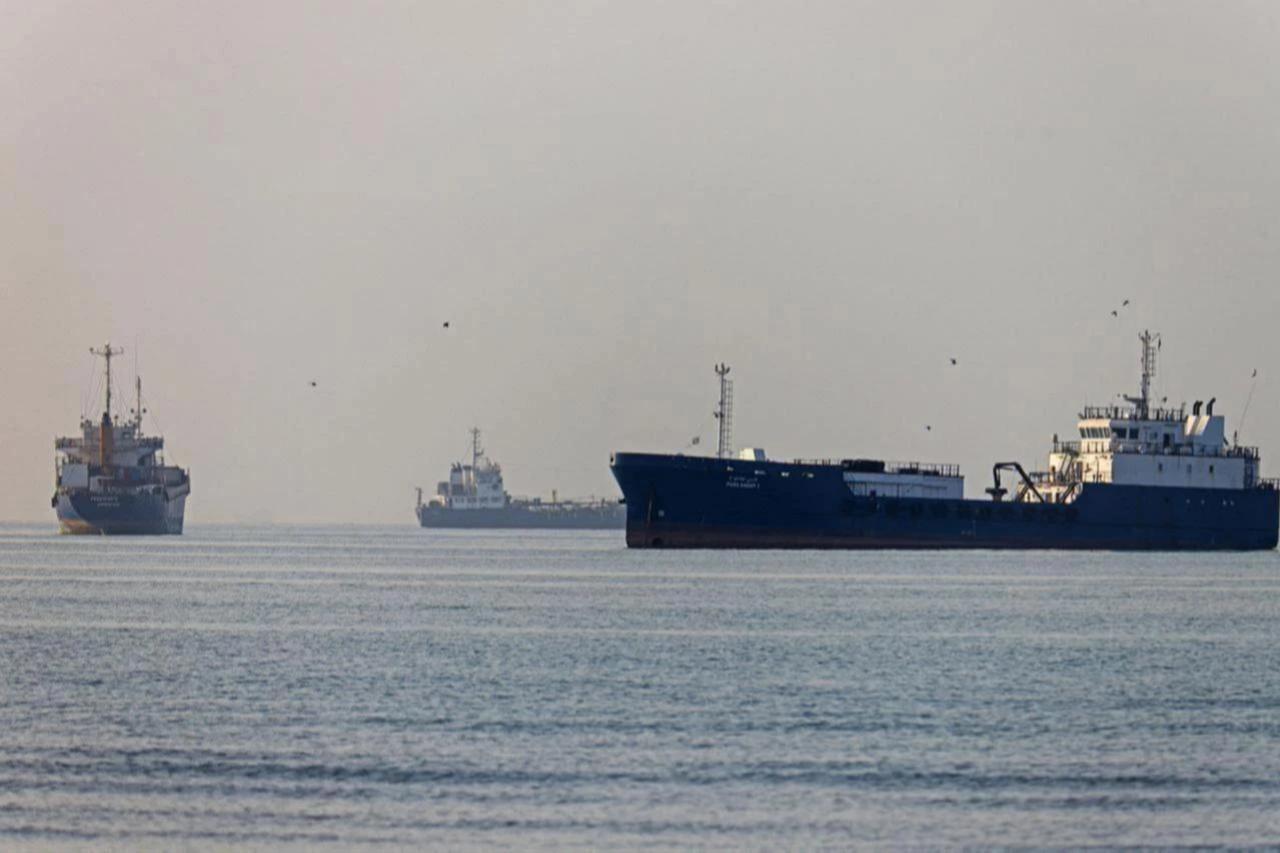
Iranian attacks on vessels in and around the Strait of Hormuz have reached their highest pace since the war with the U.S. began on Feb. 28, with six ships targeted in a single day, according to data from the U.K. Maritime Trade Operations agency (UKMTO) and international maritime security sources.
Iran targeted over 18 commercial vessels during the first 12 days of October, including six on Monday, data from UKMTO and maritime security sources showed.
Between Oct. 5 and 12 alone, the same sources logged at least 14 attacks, attempted attacks, and interceptions involving vessels in and around the strait.
UKMTO data and statements by Iran’s Islamic Revolutionary Guard Corps (IRGC) indicated a marked rise in attacks on commercial shipping since clashes between Tehran and Washington resumed in July.
At least 12 attacks hit oil tankers and cargo ships in July, while at least 10 vessels came under fire in August, including oil and liquefied natural gas carriers off the UAE port of Fujairah and Oman’s Sohar.
In September, the number rose to 18 vessels as the U.S. and Gulf countries increasingly resorted to ship-to-ship transfers, using smaller craft to transport oil before loading it onto larger tankers in safer areas.

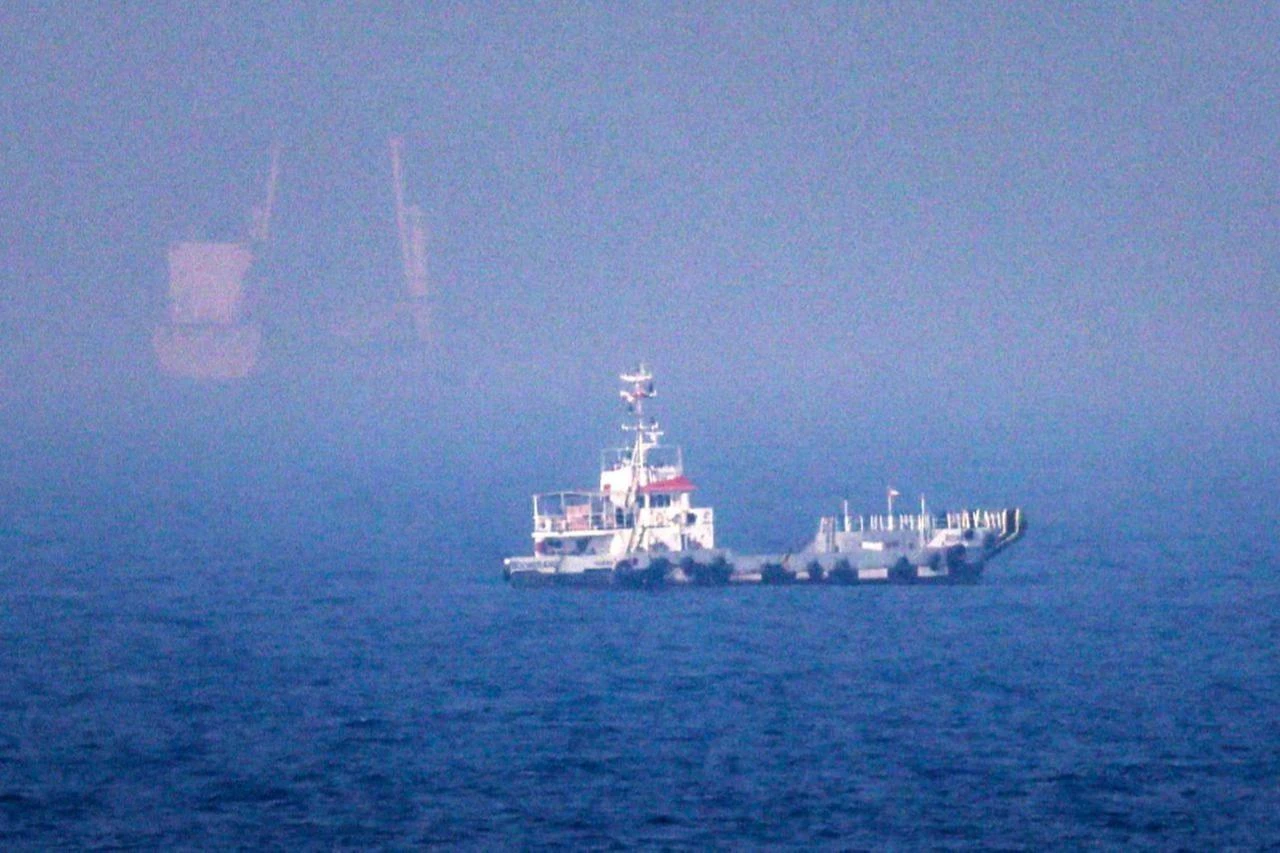
The IRGC claimed the operations amounted to “illegal oil smuggling and an attempt to break the Hormuz blockade” and expanded its operations to include supply vessels, tugboats, and small tankers in the Gulf.
It also claimed that some targeted vessels sustained damage in explosions after striking naval mines while sailing “illegally” through routes it considered “unsafe.”
Tehran says the escalation in its operations against shipping is a response to a “U.S. naval blockade,” while warning vessels against using routes it has not approved or crossing the area after switching off navigation and identification systems.
Since April, Iran has imposed restrictions on maritime traffic through the Strait of Hormuz, including designated transit routes and a requirement for prior coordination with the IRGC Navy.
On May 30, Tehran announced that vessels passing through the strait would be required to obtain prior authorization from the IRGC Navy, warning that transit without permission would constitute a “security threat.”
These developments come amid continued tensions between Iran and the U.S. over navigation through the Strait of Hormuz, one of the world’s most important strategic routes for energy and commodity supplies and a key issue in negotiations between the two sides.
The war began with U.S. and Israeli attacks on Iran on Feb. 28, before the sides agreed to a ceasefire in April.
Clashes between Washington and Tehran later resumed as negotiations stalled despite a memorandum of understanding that both sides signed in June.


 Set as preferred source
 Set as preferred source


 1 min read
 1 min read