Newsletters


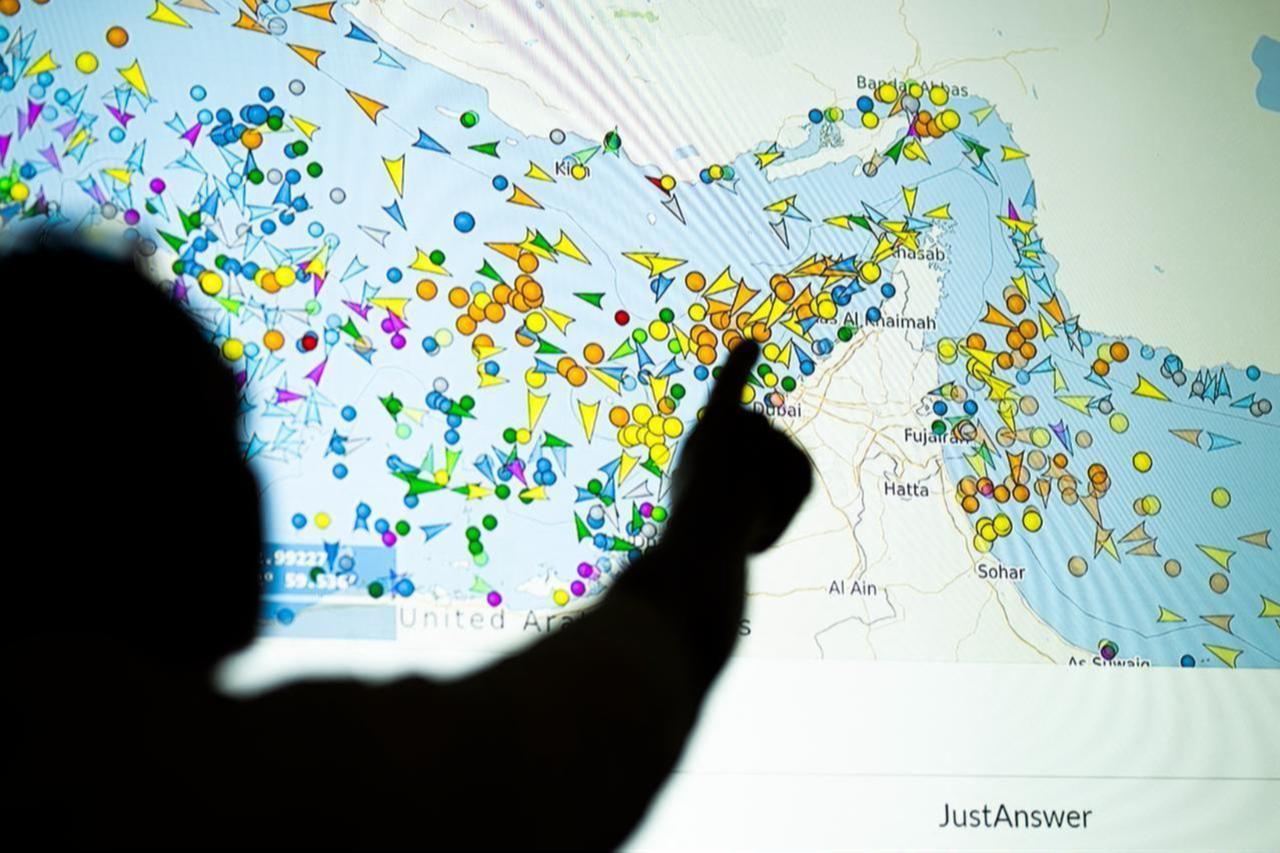


Iran is reportedly weighing a cryptocurrency-based insurance framework for vessels crossing the Strait of Hormuz, as Tehran looks for new ways to tighten its grip on one of the world’s busiest energy shipping corridors.
The idea, first reported by Iran’s Fars News Agency, centers on managing maritime traffic through an insurance mechanism instead of direct tolls, an approach Iranian officials reportedly consider more sustainable under international law during peacetime.
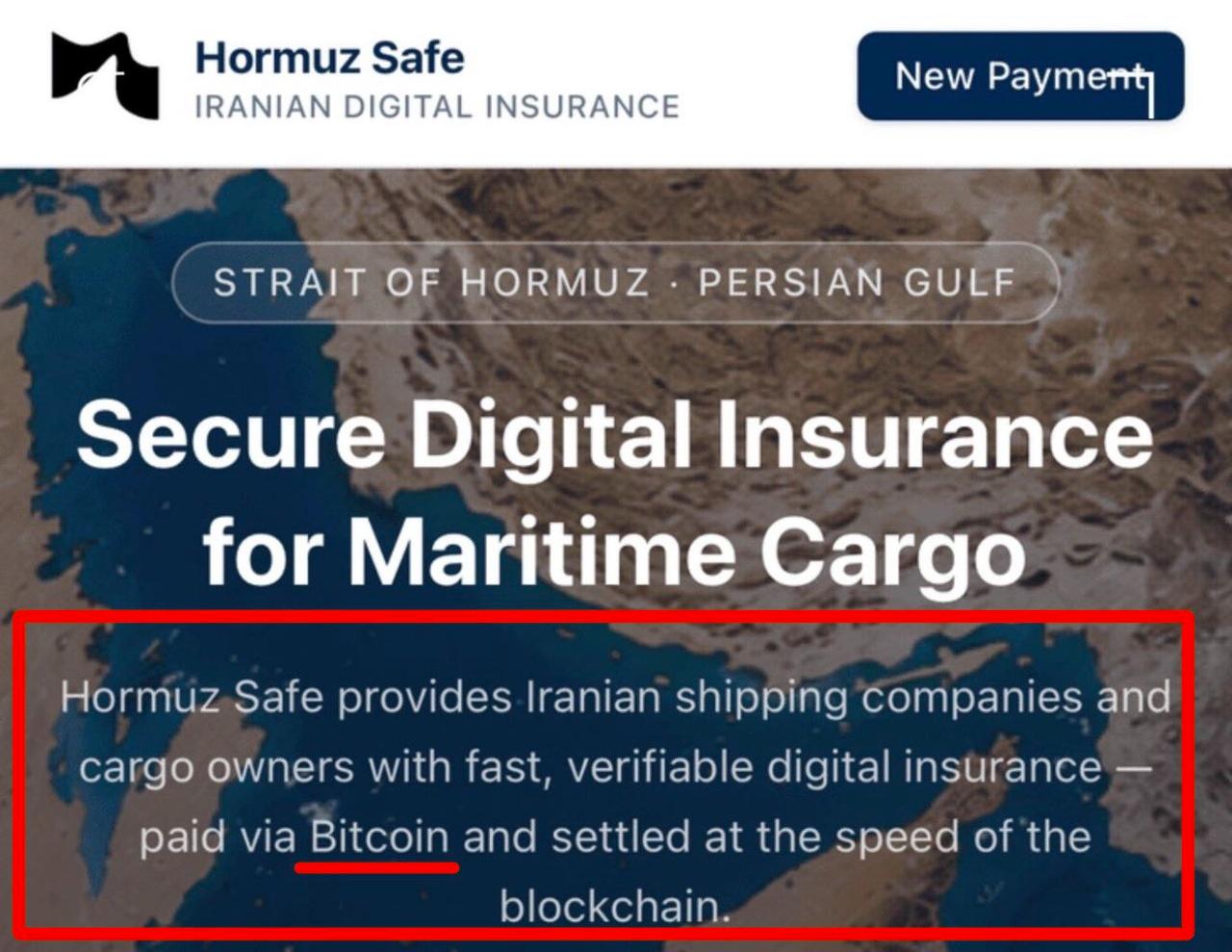
Crypto media outlets later connected the initiative to a newly launched platform called "Hormuz Safe," which allegedly offers digital maritime coverage with cryptocurrency payment options, including bitcoin.

Fars, which is affiliated with Iran’s Islamic Revolutionary Guard Corps, reported that Iran’s Economy Ministry has been developing a system designed to track vessels moving through the Strait while separating ships by country of origin.
The mechanism would allow Tehran to issue marine insurance policies and financial responsibility certificates for vessels transiting the Strait and nearby waters. Iranian media claimed the arrangement could bring in more than $10 billion in annual revenue.
Cointelegraph reported that "Hormuz Safe" may handle payments in bitcoin for maritime cargo coverage, although the website was not independently verified and was reportedly offline during media checks.
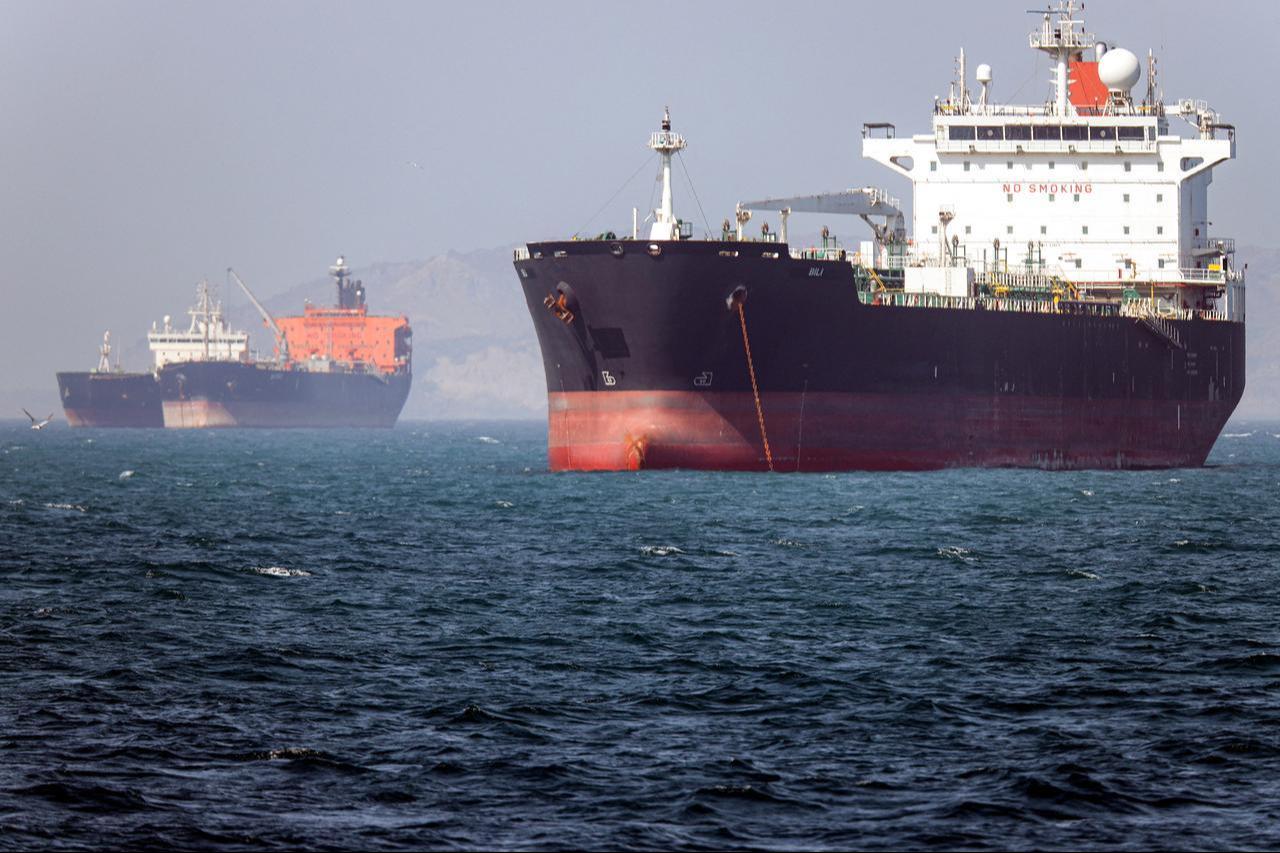
The reports come as Iran increasingly turns to cryptocurrencies to work around Western sanctions and restrictions on access to the global banking system, particularly since the conflict that erupted on Feb. 28.
Earlier reports claimed Iran discussed charging vessels around $1 per barrel of oil in cryptocurrency or Chinese yuan for passage through the Strait, with some ships reportedly agreeing to pay as much as $2 million during the height of the conflict.
Iranian lawmakers also said last week that a finalized plan to manage the Strait of Hormuz had been submitted to parliament, potentially laying the groundwork for broader Tehran oversight of the key shipping artery.
In late April, Iranian officials announced that the central bank had received its first payment linked to Hormuz transit operations. More recently, Iranian state media reported that more than 30 vessels, most of them Chinese, crossed the Strait last week, while several European countries contacted Iranian authorities to negotiate safe passage arrangements.
On Monday, Iran’s Supreme National Security Council announced the launch of the Persian Gulf Strait Authority (PGSA), a new body aimed at institutionalizing Tehran’s sovereignty and regulatory control over traffic through the Strait of Hormuz.
Iranian-linked entities may favor bitcoin because it operates without a centralized issuer capable of freezing transactions, unlike dollar-backed stablecoins such as USDT, according to the report.


 Set as preferred source
 Set as preferred source


 1 min read
 1 min read