Newsletters


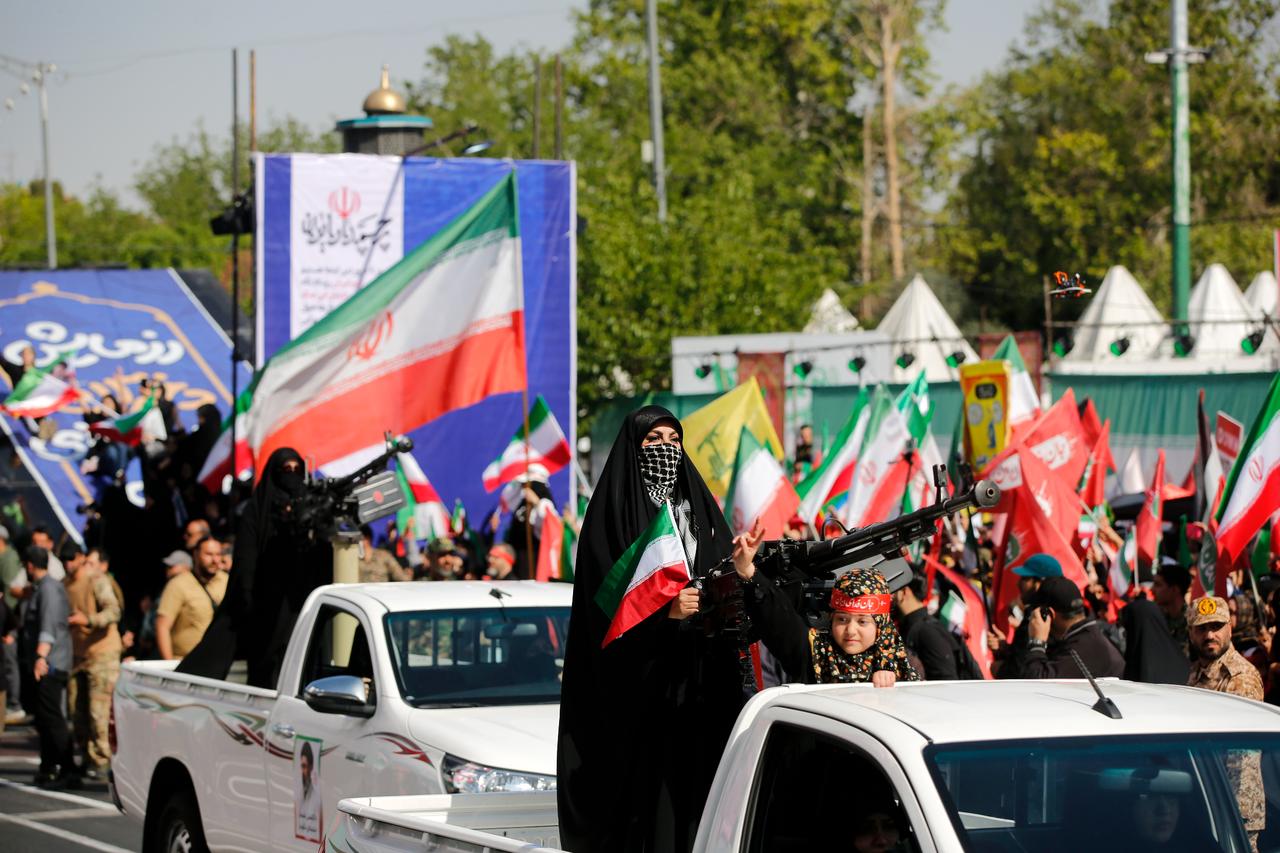


Iran has not yet agreed to participate in the next round of talks, citing what it described as the United States’ “excessive demands” in negotiations and Washington’s declaration of a “naval blockade,” according to a report by the semi-official Tasnim News Agency.
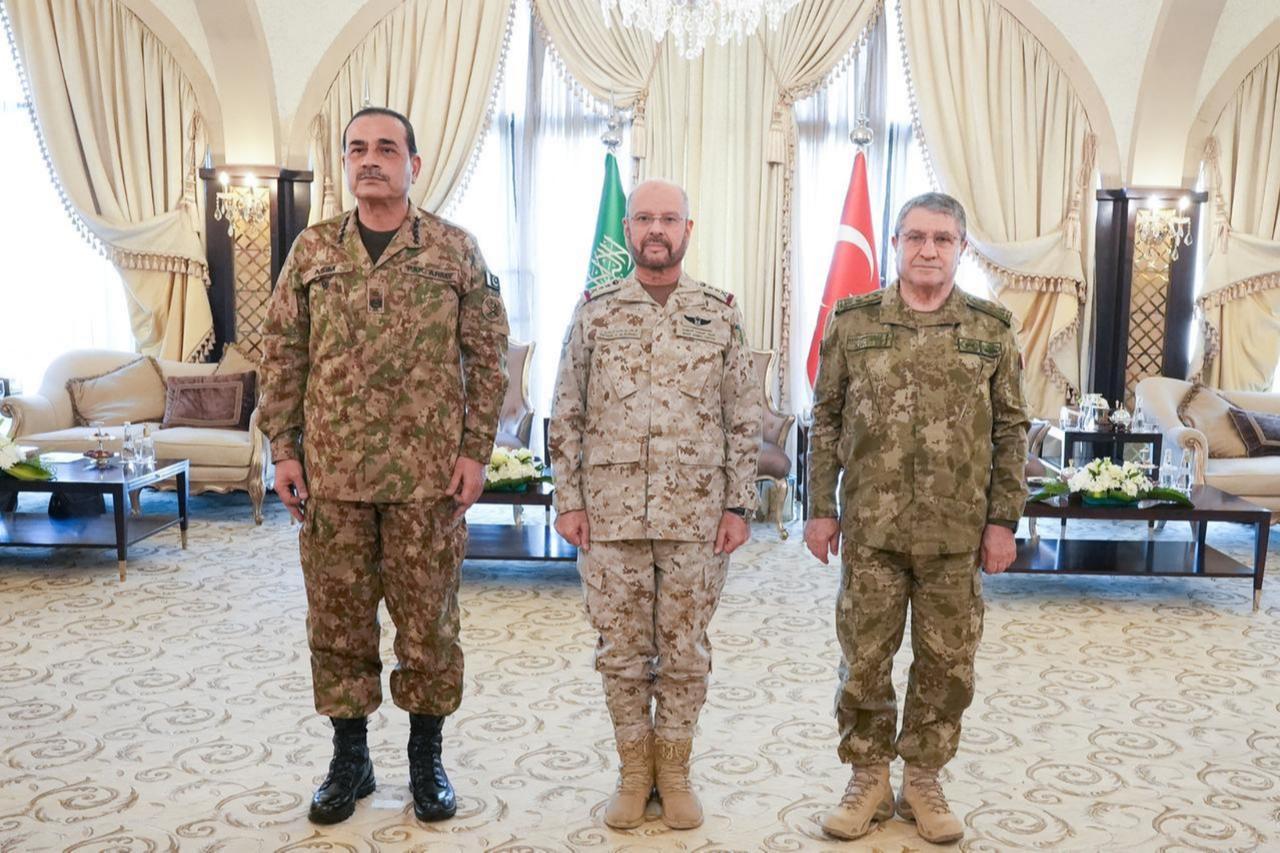
The report, citing information from relevant sources, said Tehran has conveyed its position to U.S. officials through Pakistan, which is mediating the talks.
It said the continuation of negotiations depends on the United States abandoning its “excessive demands,” adding that Iran will not take part in what it described as “wearisome and unproductive” discussions.
The latest tensions come after a temporary ceasefire reached on April 8 in the war that began with U.S.-Israeli attacks on Iran on Feb. 28.
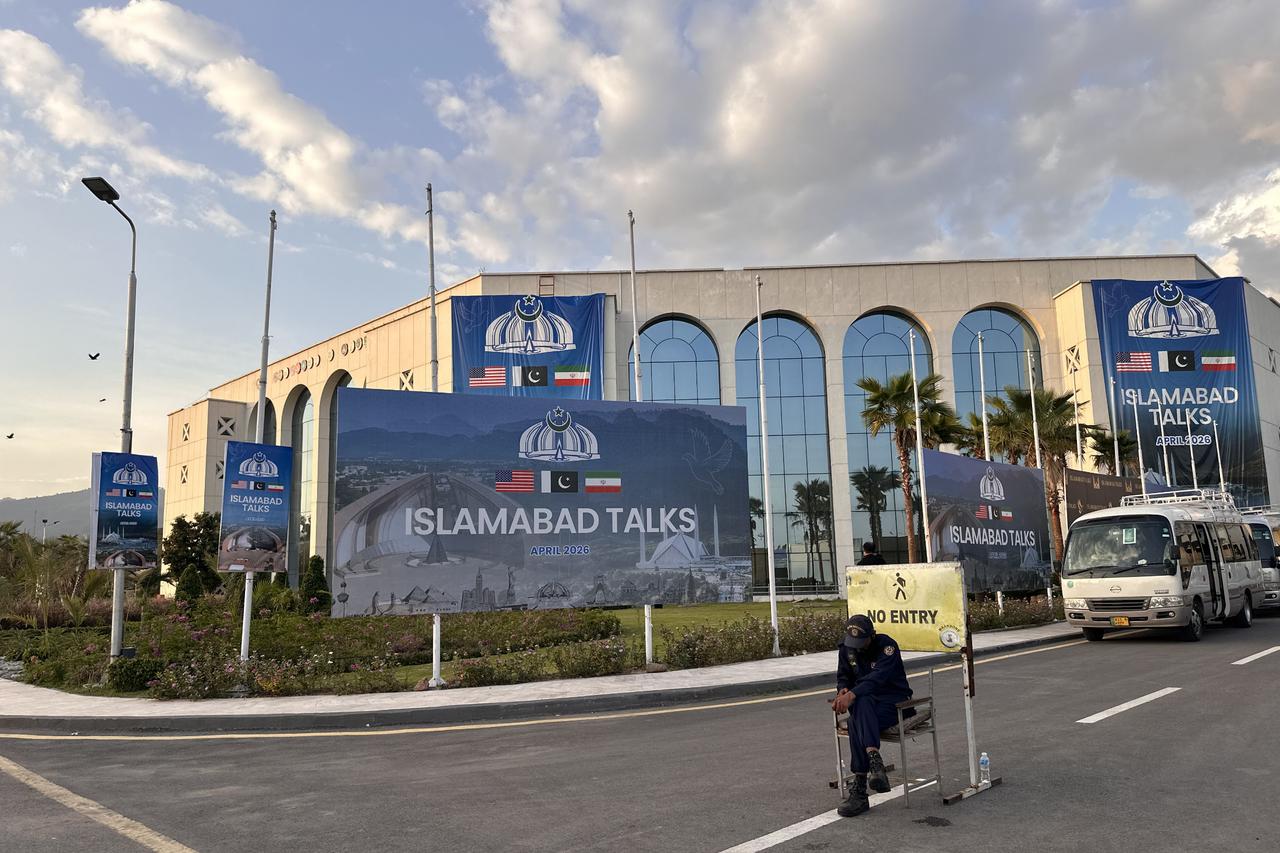
Tehran and Washington held talks in Pakistan on April 11 aimed at securing a permanent ceasefire, but the negotiations, which lasted about 21 hours, ended without agreement.
Iranian officials said the failure to reach a common framework was due to the United States’ “excessive demands.”

Iran had announced Friday that it was reopening the Strait of Hormuz to all commercial vessels, but the United States said it would continue enforcing a “naval blockade” on Iran.
Tehran later said it had reintroduced restrictions on transit through the key waterway in response.
Iran’s Islamic Revolutionary Guards Corps (IRGC) said in a statement Saturday that the strait had returned to its “previous state” under the control of its “armed forces.”
“Control over the Strait of Hormuz has returned to its previous state, and this strategic waterway is under the strict management and control of the armed forces,” the IRGC joint command said, according to Tasnim.
“Until the US restores full freedom of movement for vessels traveling to and from Iran, the situation in the Strait of Hormuz will remain strictly controlled and unchanged,” it added.
The IRGC statement followed remarks by Iranian Foreign Minister Abbas Araghchi, who said Friday the strait was “completely open” to all commercial vessels.
The decision was made “in line with the ceasefire in Lebanon,” he said on X.
On Feb. 28, the United States and Israel launched a joint offensive on Iran, prompting Tehran to retaliate with strikes on Israel and other regional countries hosting U.S. assets.
The conflict has been on hold since April 8, when Pakistan mediated a two-week ceasefire.
Washington and Tehran held talks in Pakistan last weekend aimed at reaching a lasting peace, and efforts are underway to organize another round of negotiations in Islamabad.


 Set as preferred source
 Set as preferred source


 1 min read
 1 min read