Newsletters


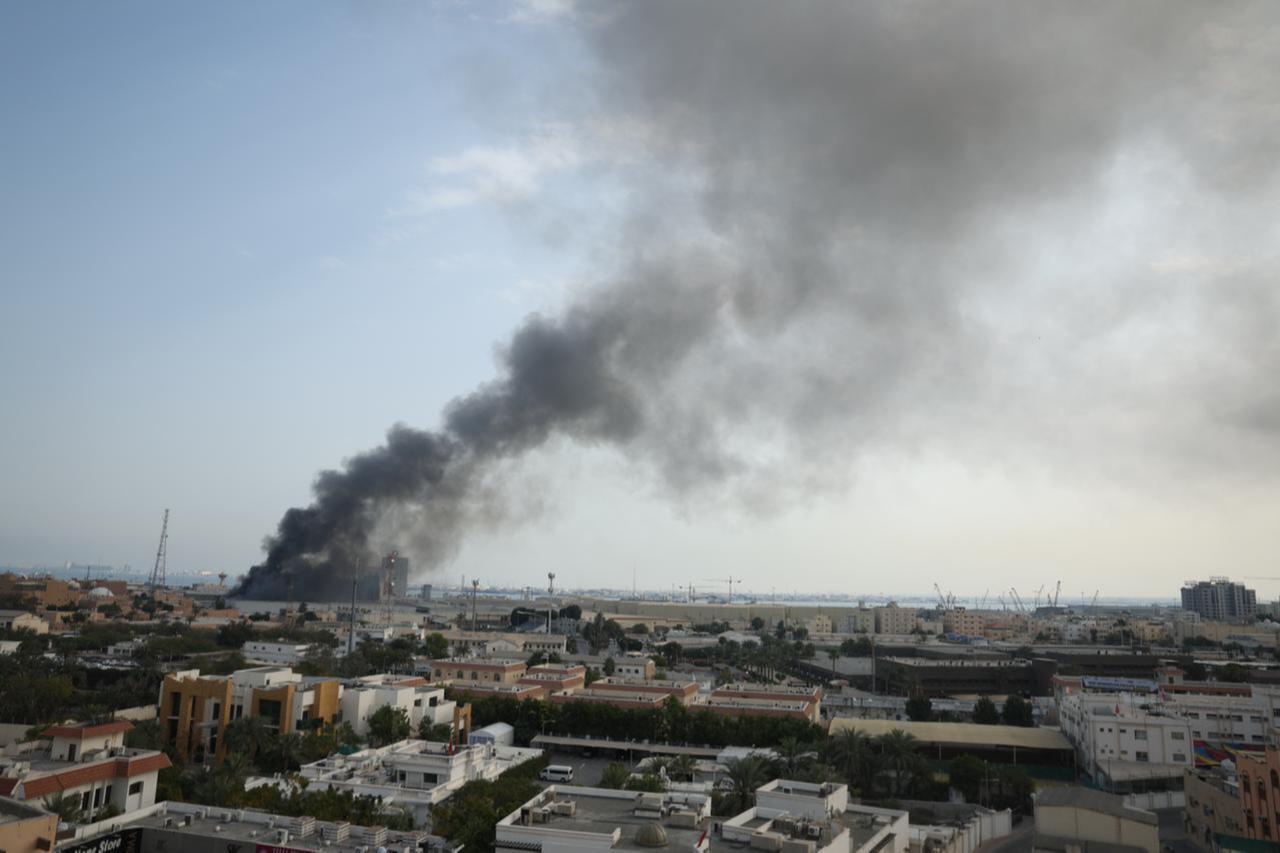


Iran shut down airspace over its western regions on Sunday after firing a salvo of ballistic missiles at Israel, while neighboring Iraq announced a 72-hour closure of its own airspace in the wake of the Iranian strikes.
Majid Akhavan, spokesman for Iran's National Civil Aviation Organisation, said the closure was ordered on safety and security grounds. "Due to safety and security assessments... the western part of the country's airspace was declared closed until further notice," he said in a statement carried by the official IRNA news agency.
Iraq separately announced that its airspace would remain closed for 72 hours following the Iranian missile launches.
The dual closures effectively darken a significant corridor of Middle Eastern airspace at a moment of acute regional tension, with civilian aviation caught between the military operations of states in active or near-active conflict.
Airspace shutdowns of this kind are a standard precautionary measure when ballistic missiles are in flight, as the projectiles can reach altitudes that intersect commercial flight paths.
 1 min read
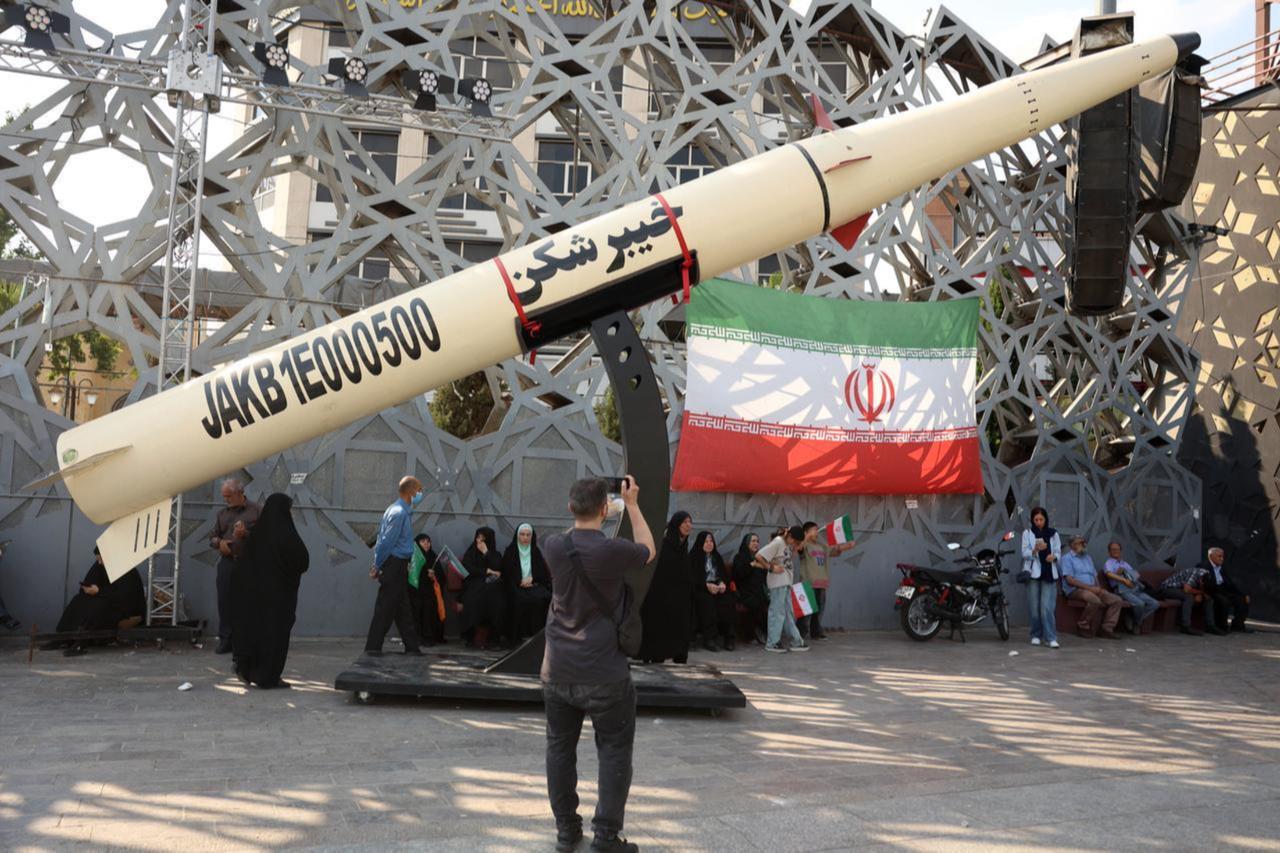
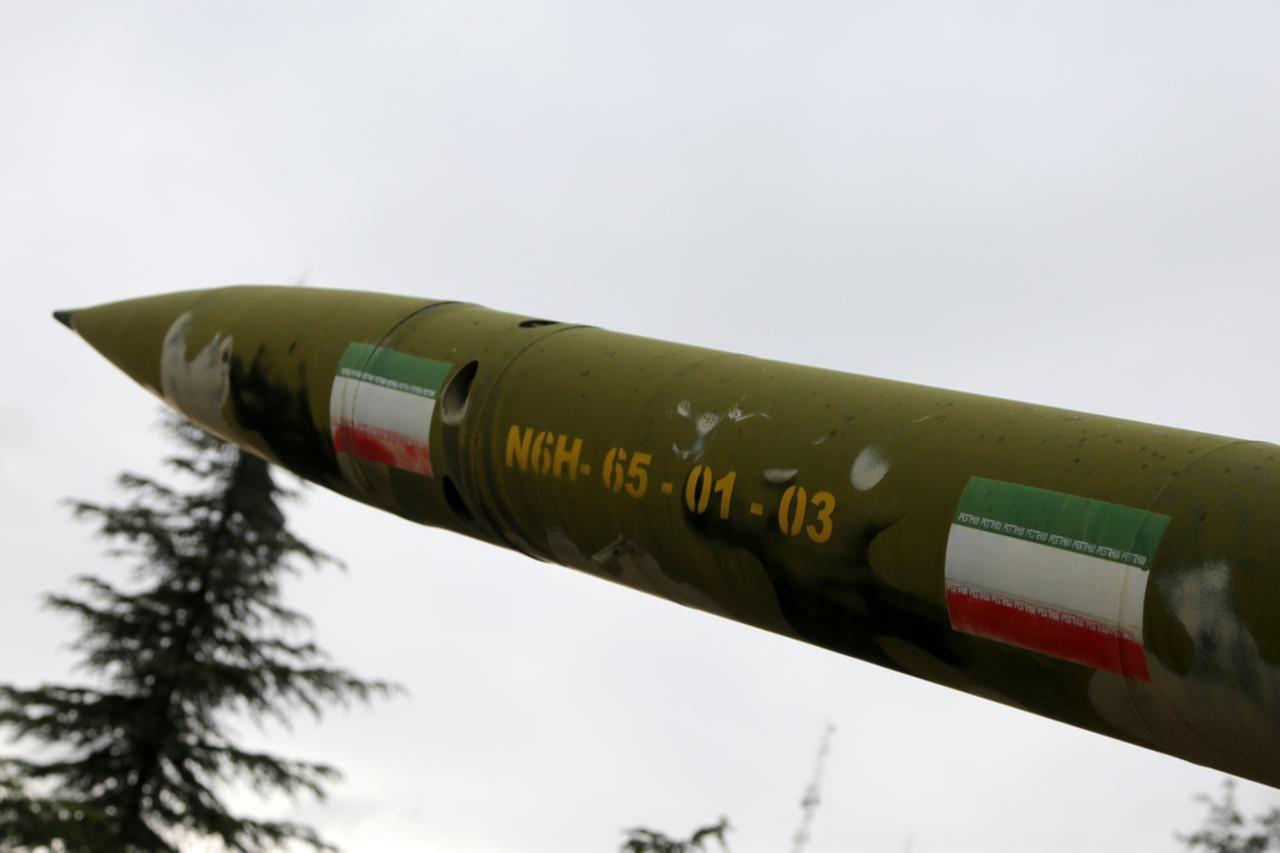
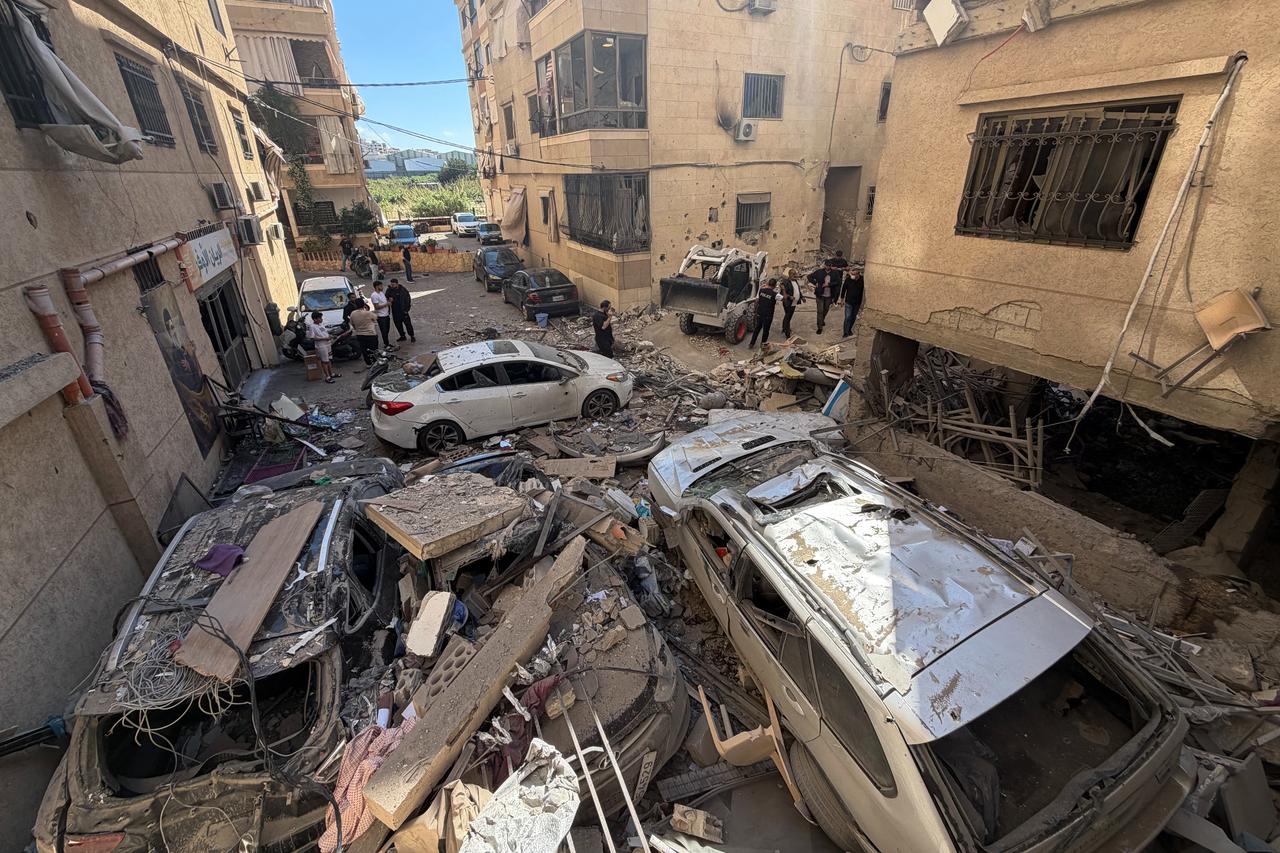
Tehran framed the missile launches as a direct response to Israel's latest military action in Lebanon, where Israeli military have conducted repeated strikes against Hezbollah targets in Beirut's southern suburbs.
Iran has long maintained that Israeli operations against Hezbollah, which it arms and finances, constitute grounds for retaliation. Sunday's launches marked the first Iranian ballistic missile attack on Israel since a ceasefire took effect in April, a fragile arrangement that has now been openly broken.


 Set as preferred source
 Set as preferred source


 1 min read