Newsletters


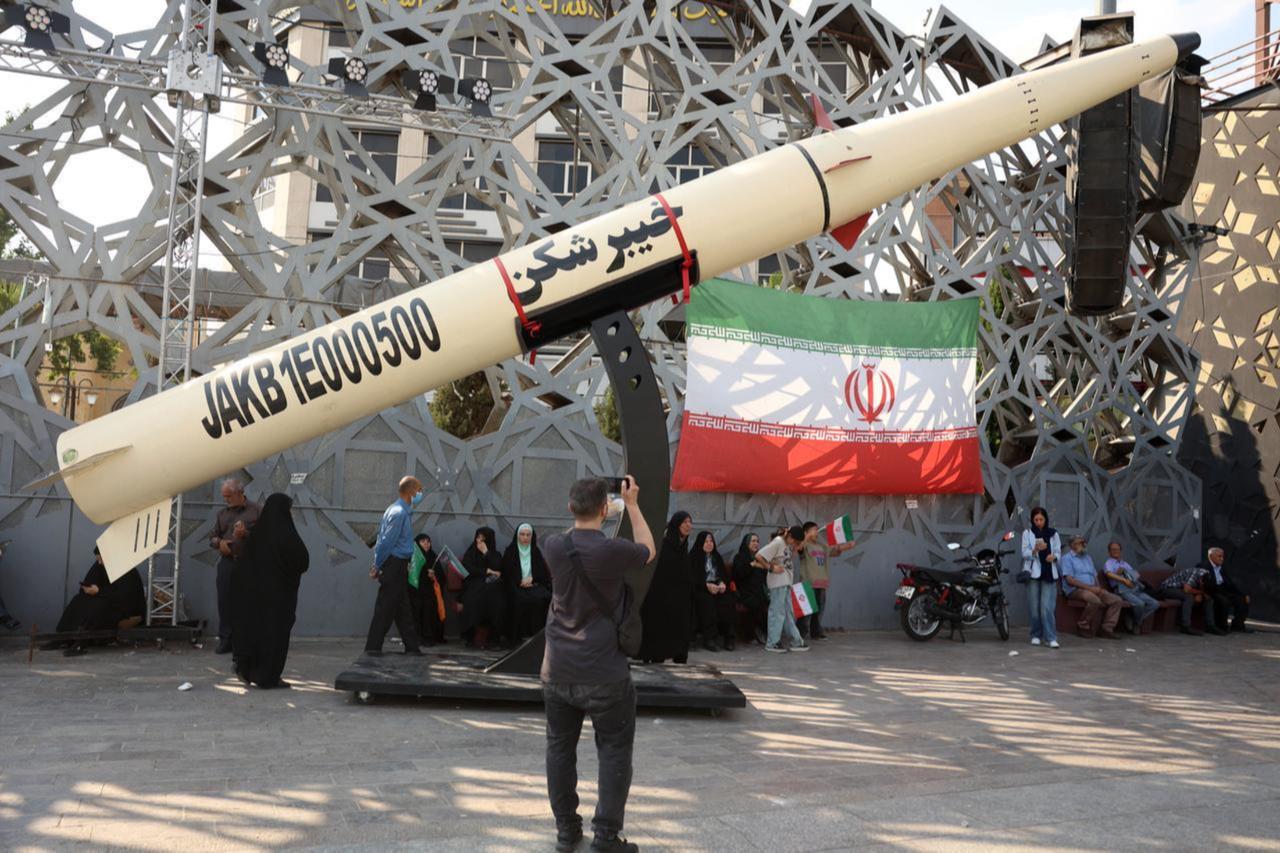


Iran threatened to strike American and Israeli targets across the region on Sunday after Israeli jets hit Beirut's southern suburbs, deepening a diplomatic crisis just as mediators scrambled to salvage stalled peace talks on the 100th day of the Middle East war.
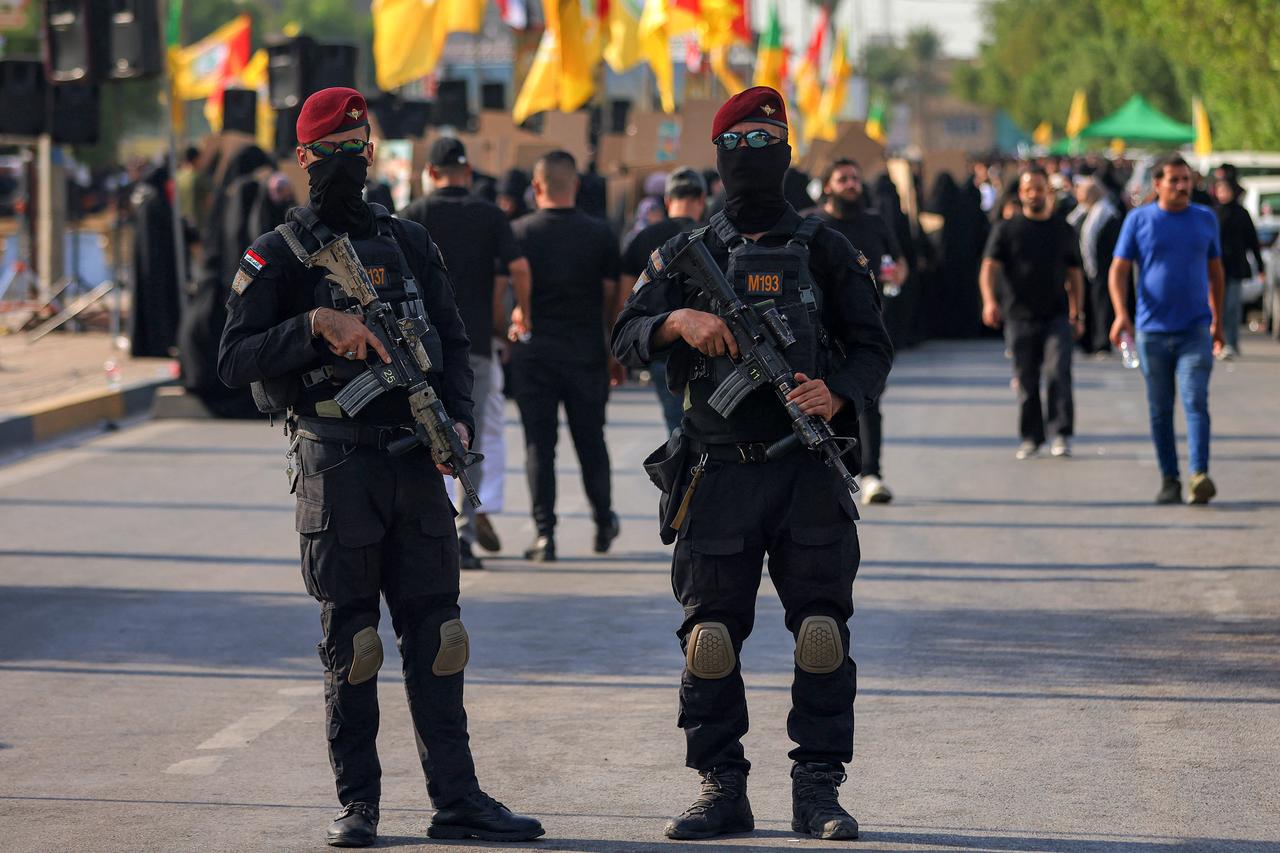
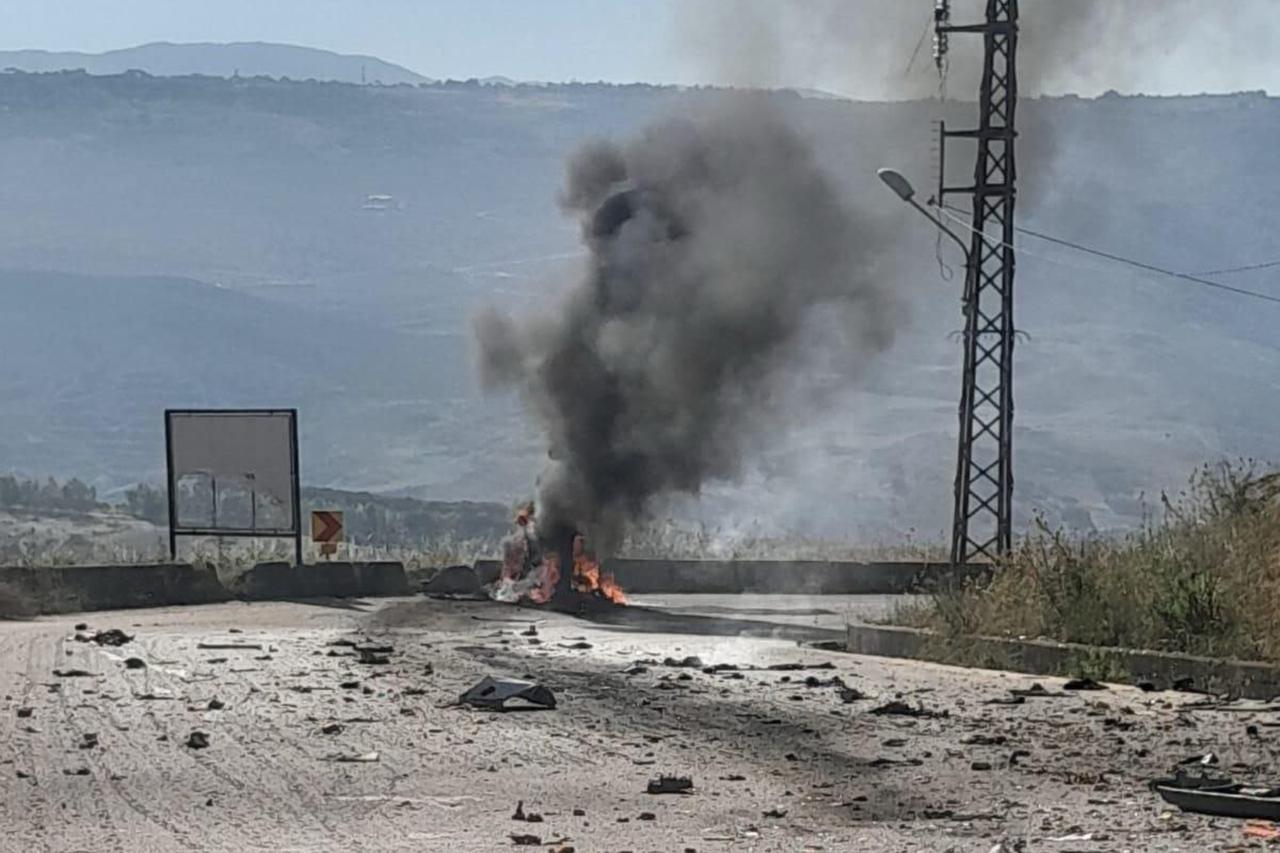
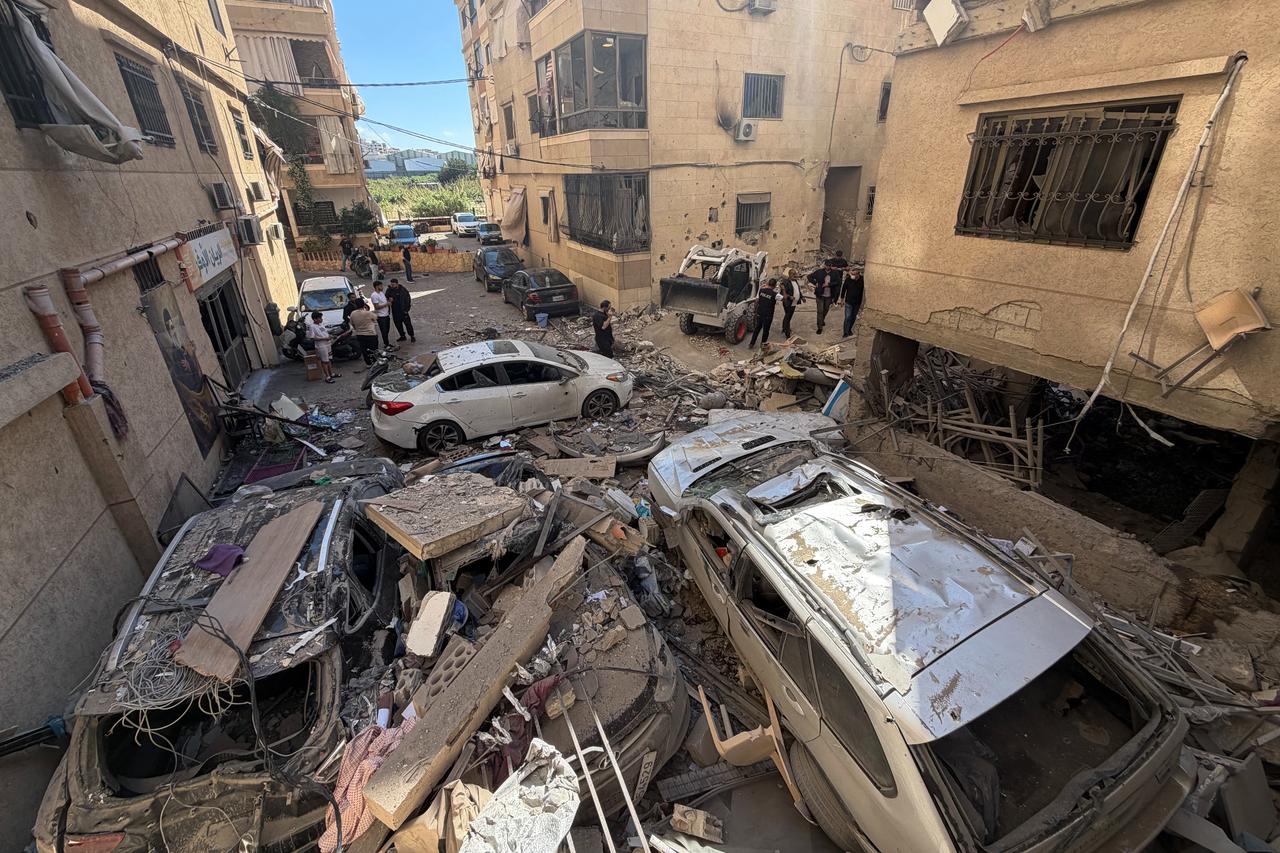
The Israeli military said it had struck a militant command center in the Dahiyeh district, a dense neighborhood in southern Beirut long associated with Hezbollah, citing rocket fire from the group into northern Israeli territory. It was only the third strike on the area since mid-April.
Iran's parliament speaker Mohammad Bagher Ghalibaf, who also serves as Tehran's chief negotiator in talks with Washington, accused the United States of having given a "green light" for the strike.
The attack, combined with what he called an ongoing US blockade of Iranian ports, he said, "turns the bases and assets of America and the (Israeli) regime in the region into legitimate targets. Our armed forces, as always, are free to act."
Ebrahim Rezaei, spokesman for Iran's parliamentary national security commission, issued an even starker warning. "These rabid dogs must be disciplined," he said. "Look at the sky over the occupied lands tonight."
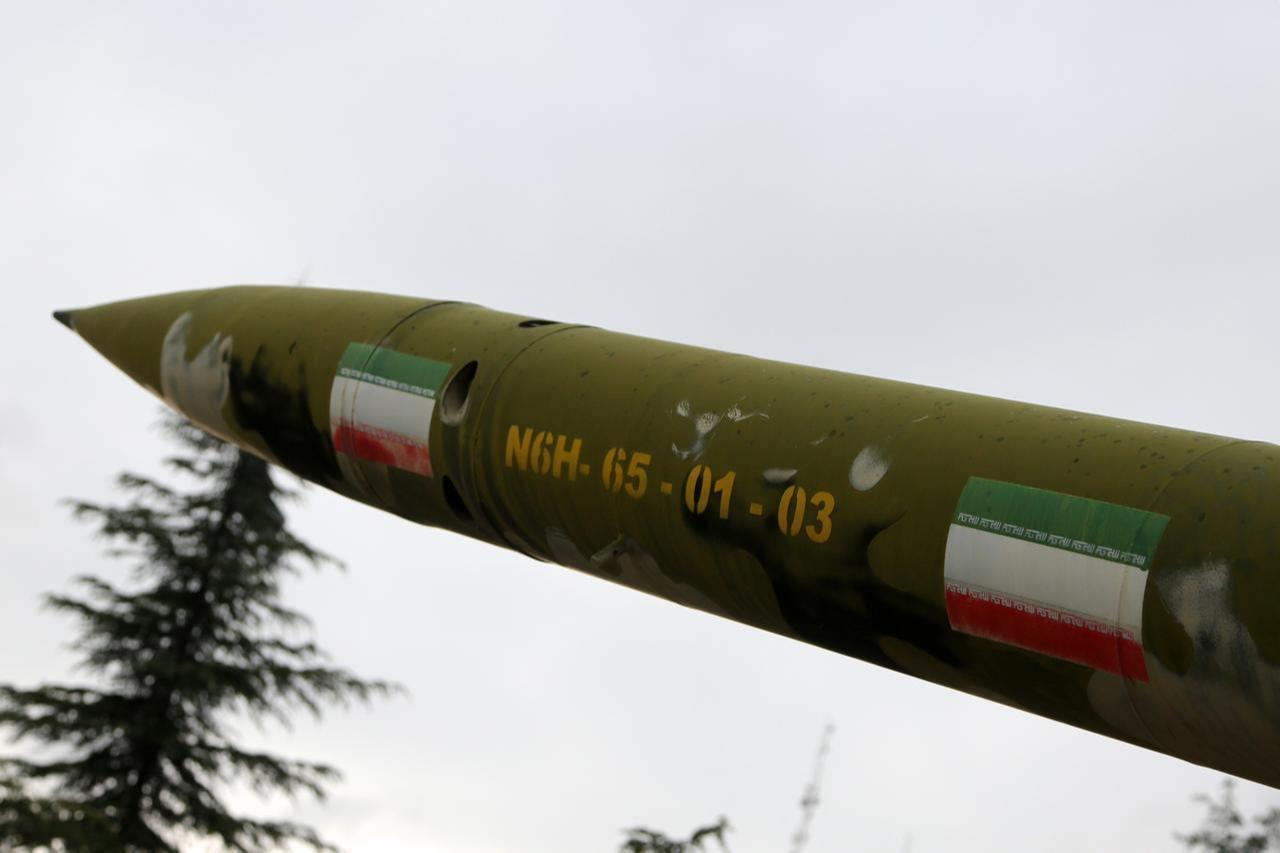

Iran has consistently insisted that any deal to permanently end the wider war must also halt Israel's military campaign in Lebanon, where Israel has been pursuing operations against Hezbollah, the Iran-backed movement that controls significant territory in the country's south and suburbs of Beirut. That demand has repeatedly complicated US-led negotiations, creating a linkage Washington has struggled to manage.
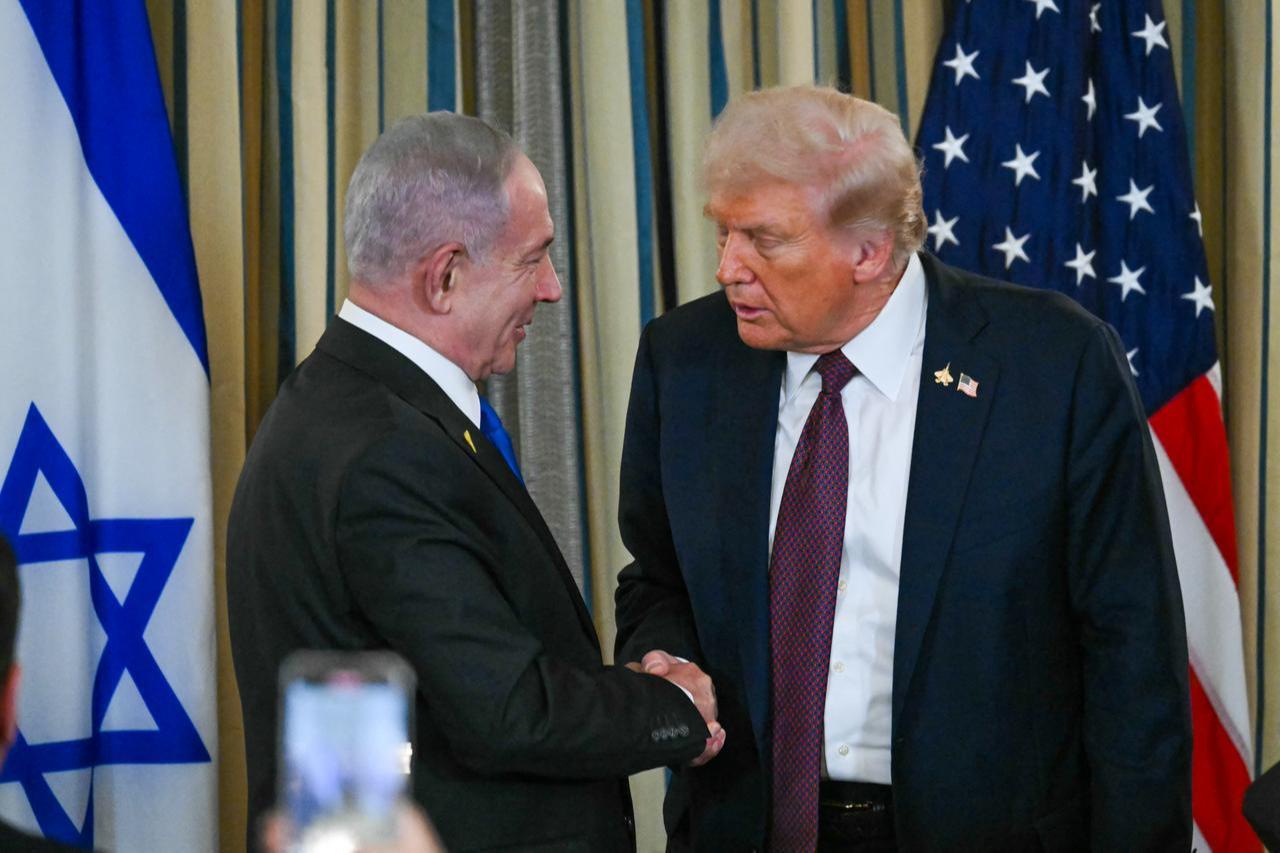
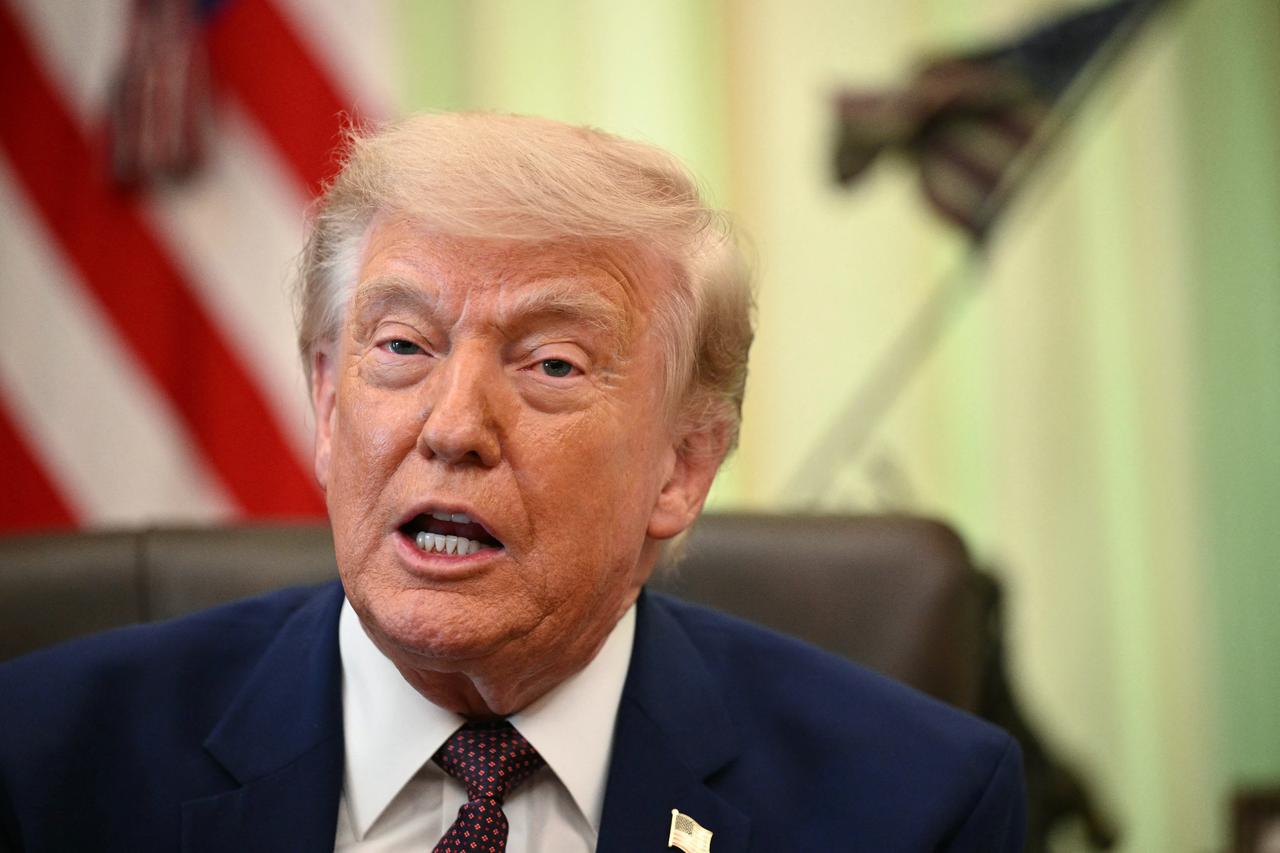
In a previously recorded interview aired Sunday, President Donald Trump called on Israel to adopt a "more surgical" approach in Lebanon, a rare public expression of friction with Prime Minister Benjamin Netanyahu, whose office announced the Beirut strike.
Hezbollah and Israel have routinely exchanged fire near the Lebanon-Israel border, but strikes on Beirut's southern districts carry a different political weight. Iran had warned in recent days that any new attack on the capital would trigger a "full-scale resumption" of hostilities.
With the war at the 100-day mark, the diplomatic picture looked increasingly fraught. Mohsen Rezaei, a military adviser to Iranian Supreme Leader Ayatollah Mojtaba Khamenei, told CNN that talks with Washington "are at a deadlock, and Trump must break this deadlock," centering his demand on the release of some $24 billion in frozen Iranian assets.
Trump, in the same interview, flatly rejected that sequencing. "That comes after. If they behave, if they do a good job, we start talking," he said. A source familiar with Treasury Secretary Scott Bessent's thinking suggested Washington may also seek to use frozen Iranian funds to compensate Gulf allies for damage from Iranian strikes, further complicating any asset-release arrangement.
Overnight, US Central Command said it had destroyed two Iranian drones threatening commercial shipping in the Strait of Hormuz. A prior drone interception, along with American strikes on Iranian radar installations, had prompted Tehran on Saturday to fire a salvo of missiles at US allies Bahrain and Kuwait.
Despite the escalation, there were signs that back-channel efforts had not entirely collapsed. Pakistan's Interior Minister Mohsin Naqvi arrived in Tehran on Saturday carrying a letter from Pakistan's army chief, General Syed Asim Munir, to Iran's supreme leader, along with a message from the prime minister, Iranian state television reported.
Munir has emerged as a key figure in mediating between Tehran and Washington following an earlier round of direct negotiations in Islamabad.
Separately, Lebanese army chief Rodolphe Haykal traveled to Pakistan for his own meetings with Munir. A source familiar with the visit said it was "linked to the Pakistani mediation" between Iran and the United States.
The war's toll on Iranian civilians, meanwhile, was palpable. Elaheh, a 32-year-old fitness trainer in the southwestern city of Ahvaz, told AFP she had "really gone numb."
"Daily life? It's a joke. Everything is horrible. We only try to survive," she said, citing rising prices. Farhad, a 35-year-old chef, described life as "increasingly difficult," noting the economic squeeze had set in even before the fighting began. "Things that just a few months ago you might have considered buying have now become dreams and fairy tales," he said.


 Set as preferred source
 Set as preferred source


 1 min read
 1 min read