Newsletters


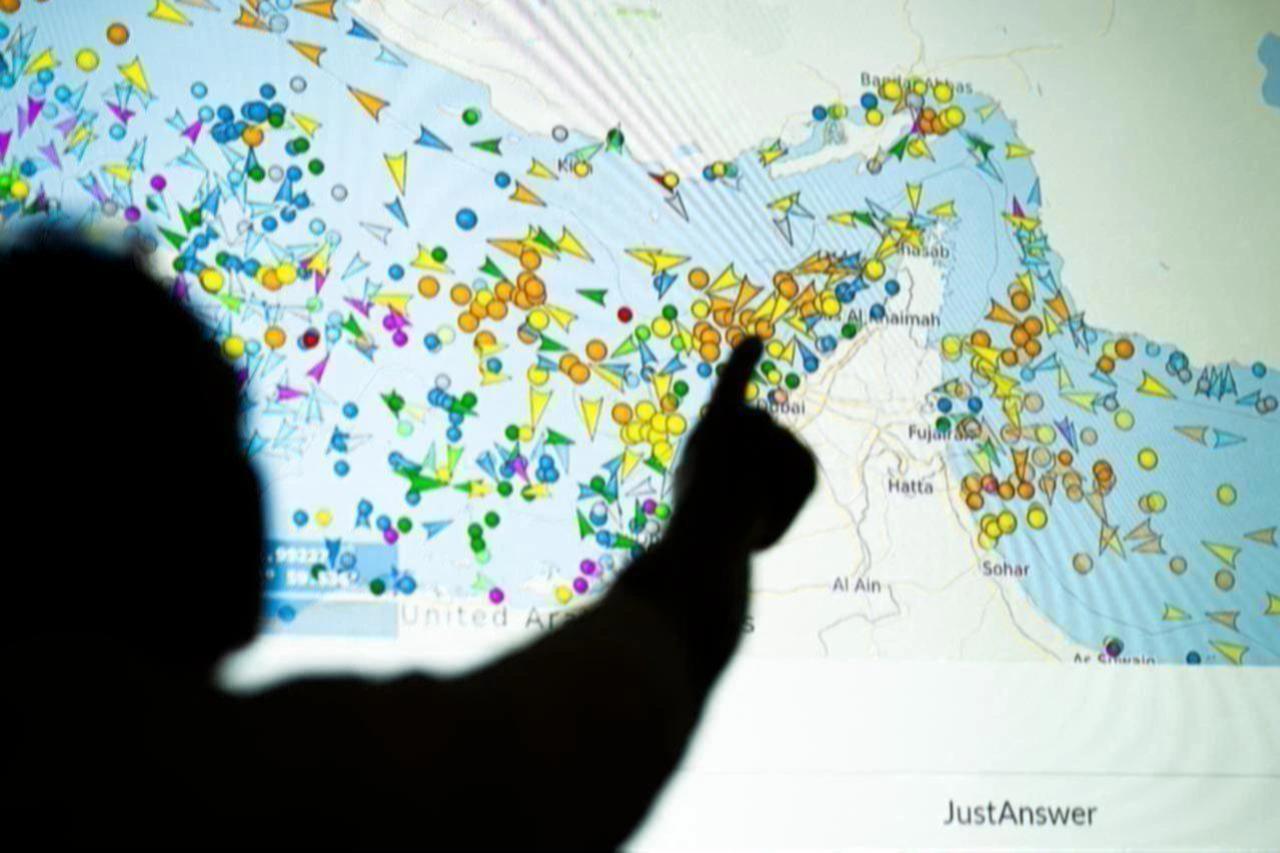


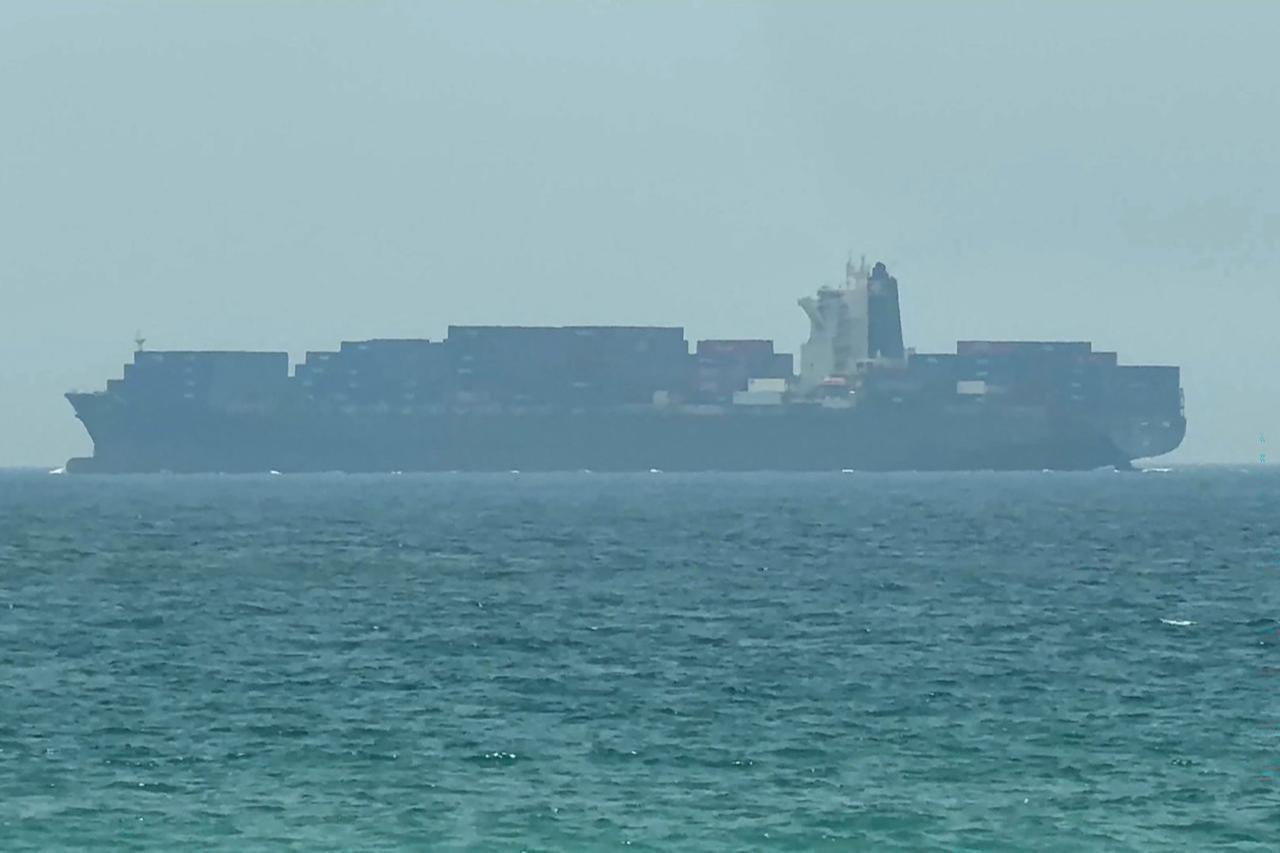
Iran launched cruise missile strikes on two UAE tankers south of the Strait of Hormuz on Monday, killing one crew member and wounding eight others, four of them seriously, in an attack that drew an unusually sharp public condemnation from Abu Dhabi and threatened to widen a conflict that has already drawn in multiple Gulf states.
The UAE's Defense Ministry confirmed the casualties and the damage to the two national tankers. Within hours, the Foreign Ministry issued a formal condemnation, demanding that Tehran halt what it called aggressive attacks and reopen the Strait of Hormuz "completely and unconditionally," a notably direct formulation from a country that has historically preferred quiet diplomacy over public confrontation with its neighbor across the Gulf.
The UAE occupies an unusual position in the regional order. Despite close security ties with the United States and deep wariness of Iranian influence, Abu Dhabi has for years cultivated back-channel relations with Tehran, wary of the economic and security costs of outright hostility with a neighbor that sits astride its most vital maritime trade route. Monday's attack appeared to have exhausted that restraint.
By demanding an unconditional reopening of the strait, the Emirates aligned itself publicly with Washington's core demand in the current standoff, a posture it had until now carefully avoided taking so explicitly. The strike on commercial tankers flying the UAE flag, rather than vessels linked to Western powers, also undermined Iran's stated position that it was targeting only American interests in the region.
The Strait of Hormuz, the narrow passage between the Gulf of Oman and the Persian Gulf through which a substantial share of the world's seaborne oil and gas transits daily, has been at the center of the crisis.
Oil prices surged more than nine percent on Monday as the cascading military exchanges stoked fears of a prolonged disruption to energy supplies passing through the chokepoint.

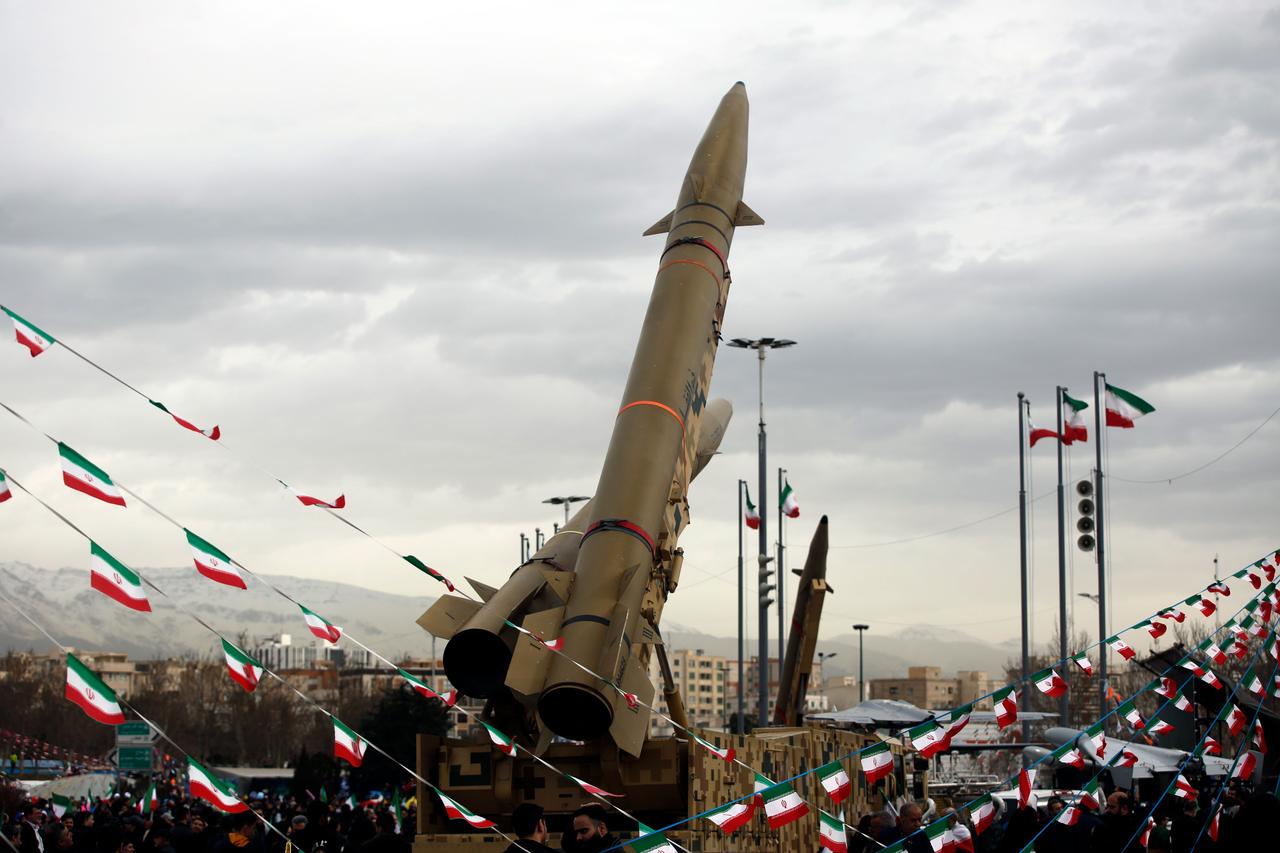
Monday's tanker strikes were part of a broader pattern of Iranian military action that has drawn in several of its Gulf neighbors in recent days. Iran's Revolutionary Guards announced strikes on US military targets and bases in Bahrain, Jordan and Kuwait, as well as Oman. Air raid sirens sounded across Bahrain, whose military reported shooting down an unspecified number of Iranian projectiles. Kuwait's armed forces said they were intercepting hostile aerial targets, and Jordan's military reported bringing down four Iranian missiles.
Iran's military command warned that any Gulf state cooperating with American forces would be treated as having committed an act of war. The warning, however, sat awkwardly alongside the strike on UAE tankers, which carried no such justification under Iran's own stated rules of engagement.
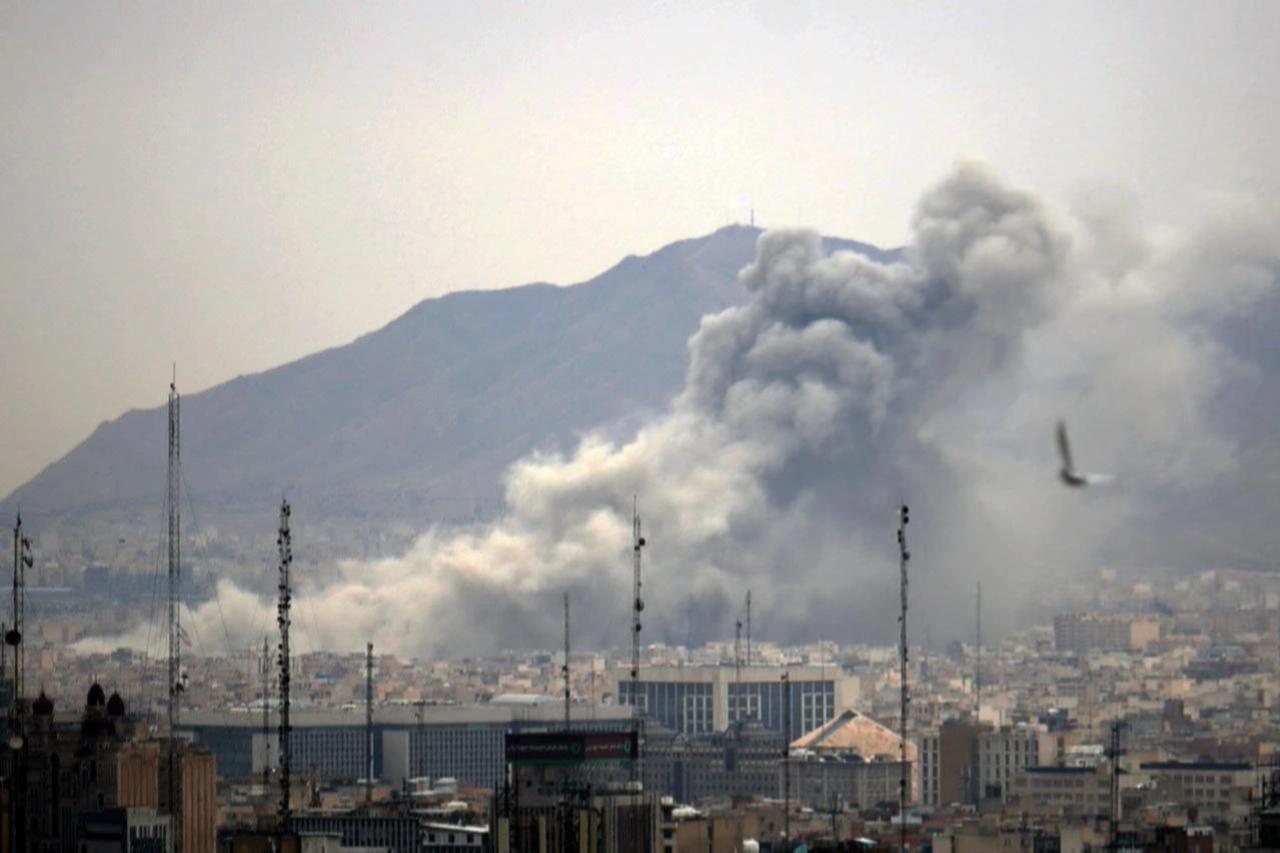
Iranian state media reported deaths from separate strikes on Iranian territory, which it said targeted large areas across the south and west of the country. An AFP tally based on Iranian government announcements put the total death toll inside Iran at a minimum of 25 since hostilities resumed last Wednesday.
Iran's foreign ministry spokesman Esmaeil Baqaei declared the June 17 Memorandum of Understanding, which had required Tehran to ensure safe commercial passage through the strait, "in crisis," warning that Iran would disregard its obligations under the deal if the other side did the same.
He said Tehran was nonetheless continuing to engage with mediators from Qatar, Pakistan and Oman to prevent further escalation. Pakistan, one of the principal intermediaries, issued a statement expressing deep concern at rising regional tensions.
United Nations Secretary-General Antonio Guterres expressed deep concern at the escalation on Monday, condemning attacks by all parties to the conflict.
For the UAE, the calculus has now shifted in ways that will be difficult to walk back. Having publicly demanded that Iran reopen the strait completely and unconditionally, Abu Dhabi has staked out a position that will be tested against every ship that passes, or fails to pass, through the waters off its coast.


 Set as preferred source
 Set as preferred source


 1 min read
 1 min read