Newsletters




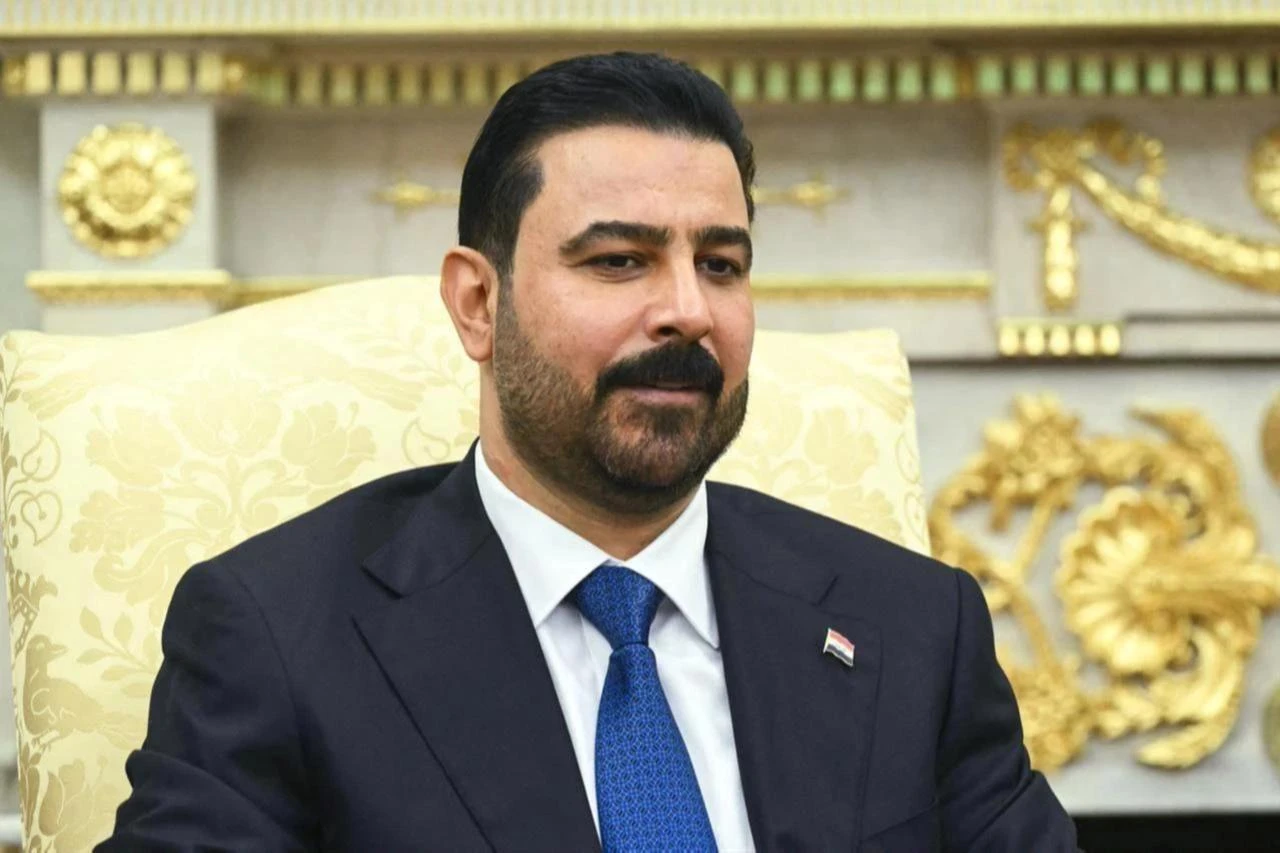
Turkish Vice President Cevdet Yilmaz stated on Friday that Iran currently appears to lack a unified decision-making system and that Türkiye will continue taking all necessary measures against any threat.
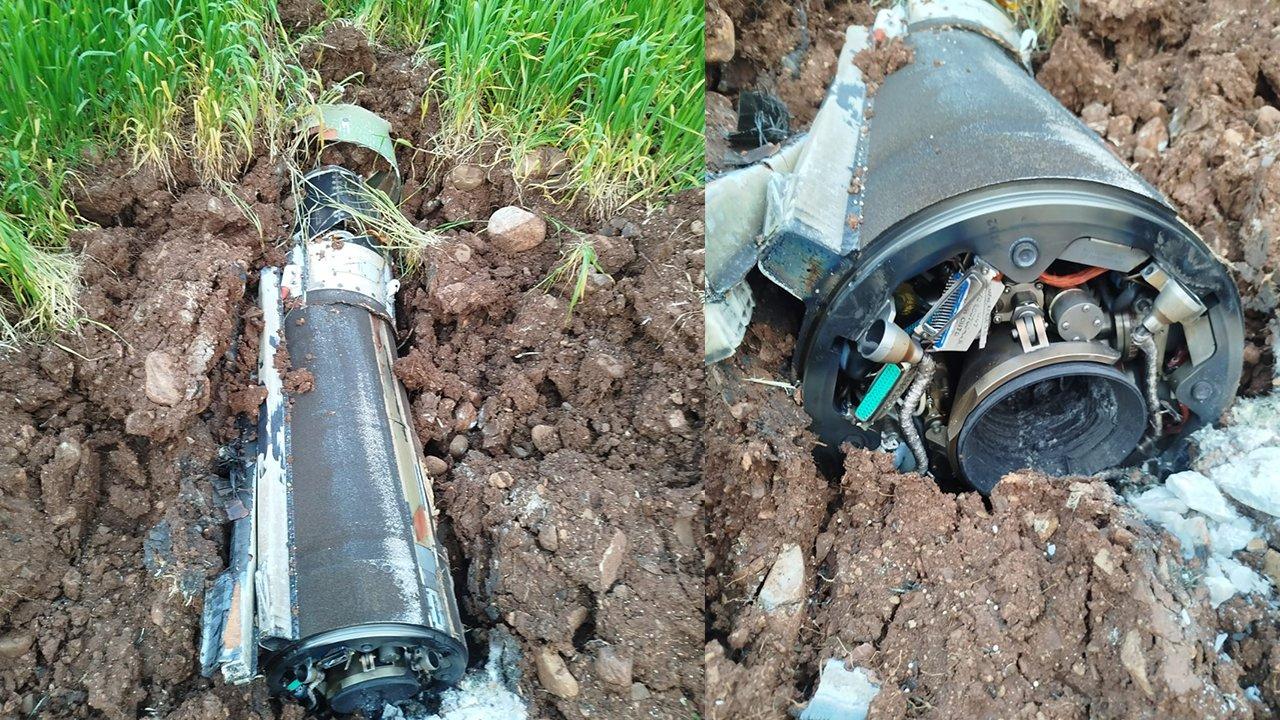
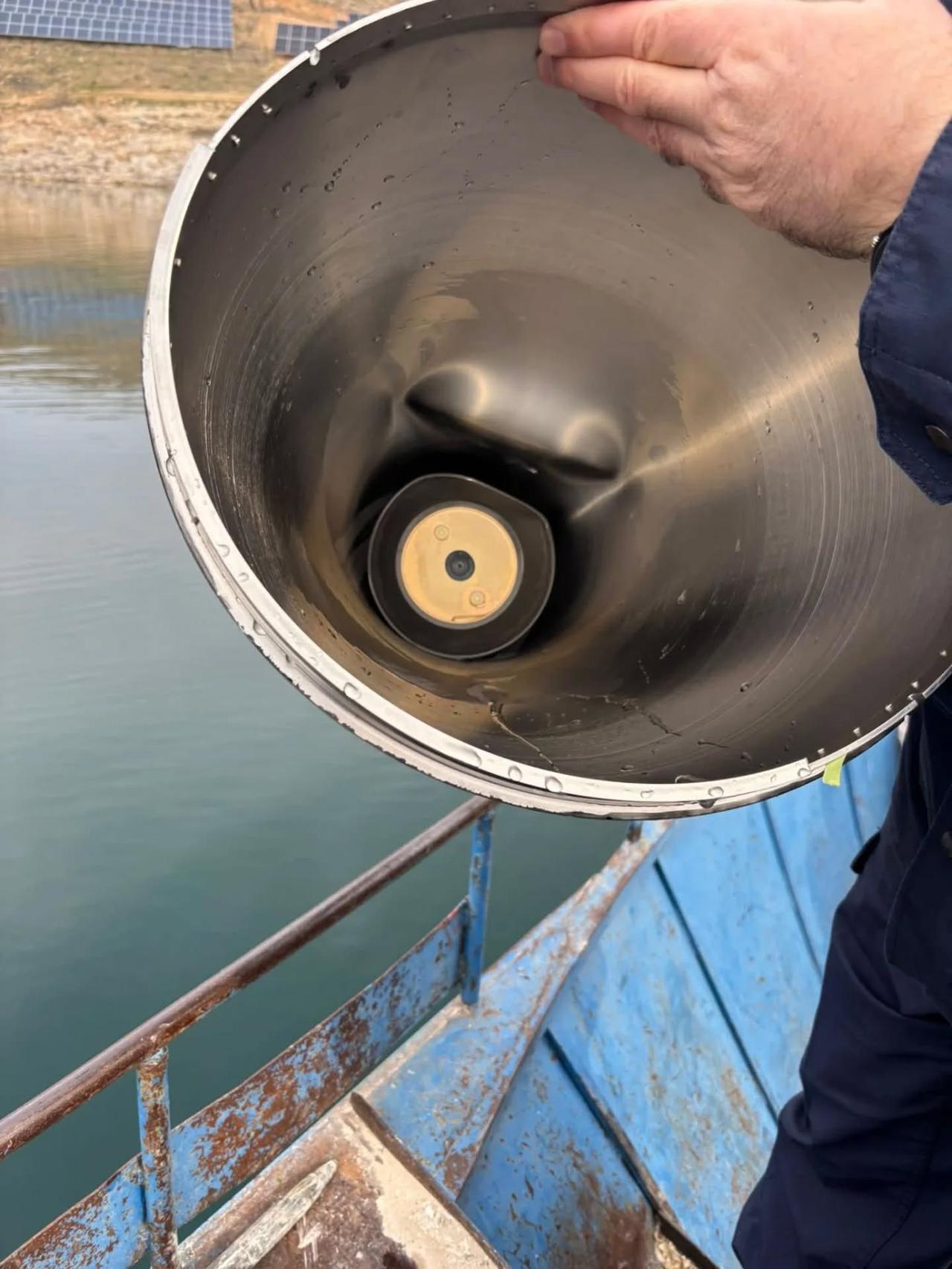
While a second fragment from a missile intercepted over Turkish airspace was found in the southeastern province of Adiyaman, Türkiye, it was identified as the third-stage rocket motor of an SM-3 interceptor missile.
 Breaking News, Direct to You.
 Follow Türkiye Today on WhatsApp
for real-time updates and key insights from Türkiye and beyond.
Follow Türkiye Today on WhatsApp
for real-time updates and key insights from Türkiye and beyond.
The second fragment was found inside the boundaries of Aktas village in the Kahta district of Adiyaman, Türkiye.
The first fragment from the same missile had been found in the same village on March 5.
A week later, the body section containing the missile's energy component was found at the edge of a field. A person who noticed the fragment near a wheat field reported the situation to the 112 emergency call center.
Gendarmerie teams arriving at the scene took extensive security measures. Expert teams were called from the 8th Main Jet Base Command in Diyarbakir. UMKE and 112 emergency health teams were also dispatched to the area.
Expert teams examined the fragment, collected it, and left the village.
Subsequent assessment identified the fragment as an Mk136 Third Stage Rocket Motor, the third-stage solid-fuel motor of an SM-3 missile.

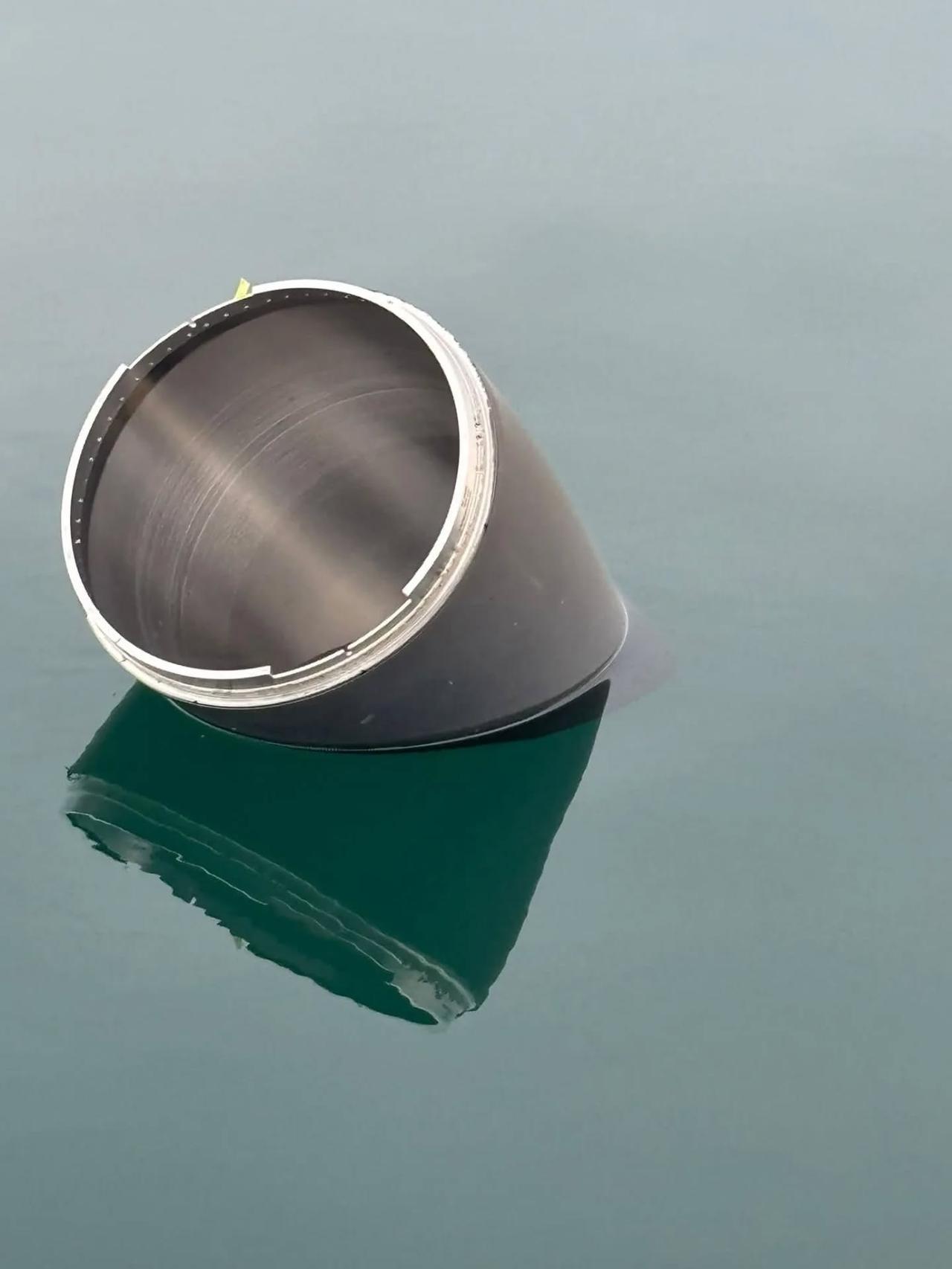
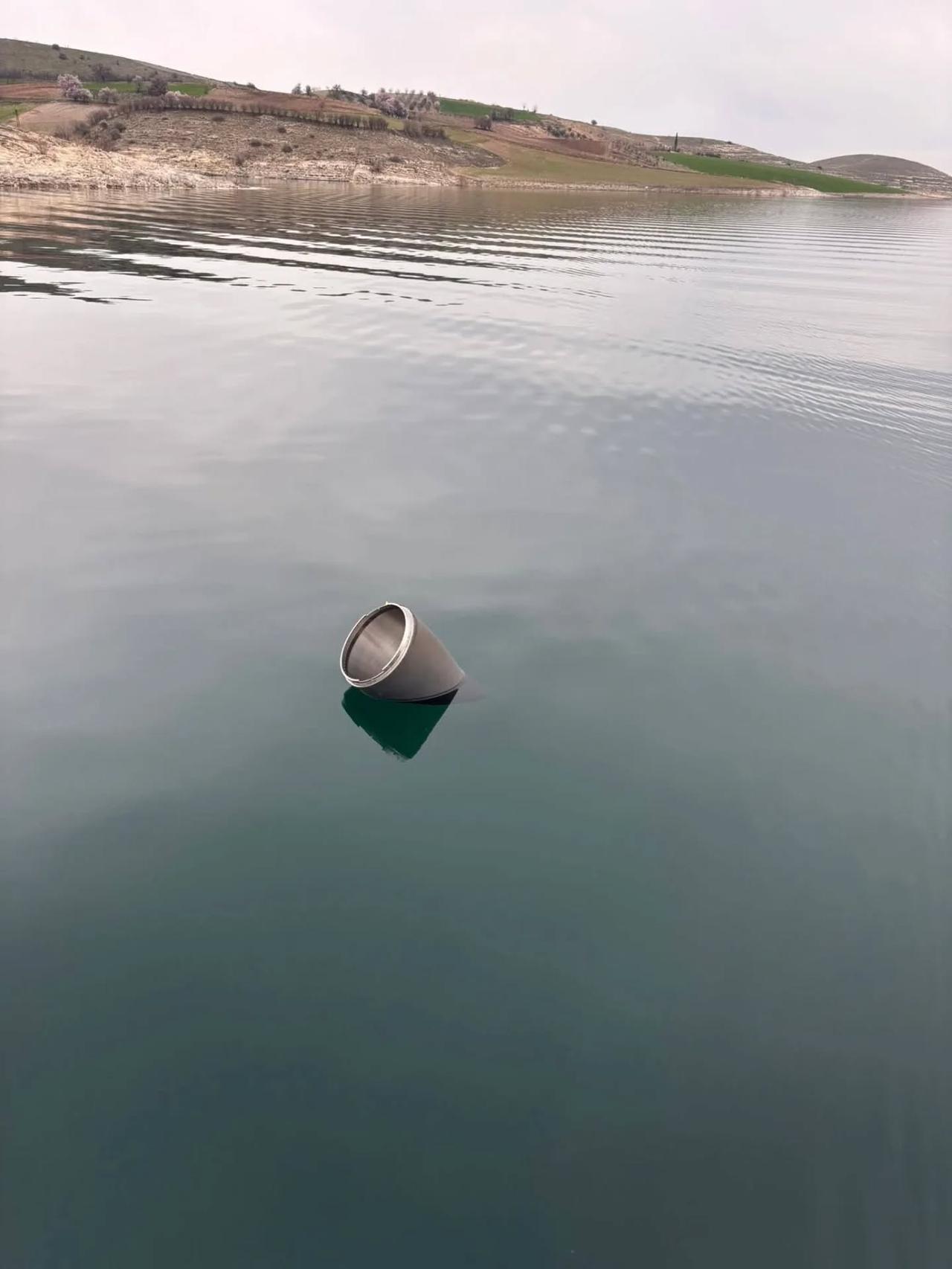
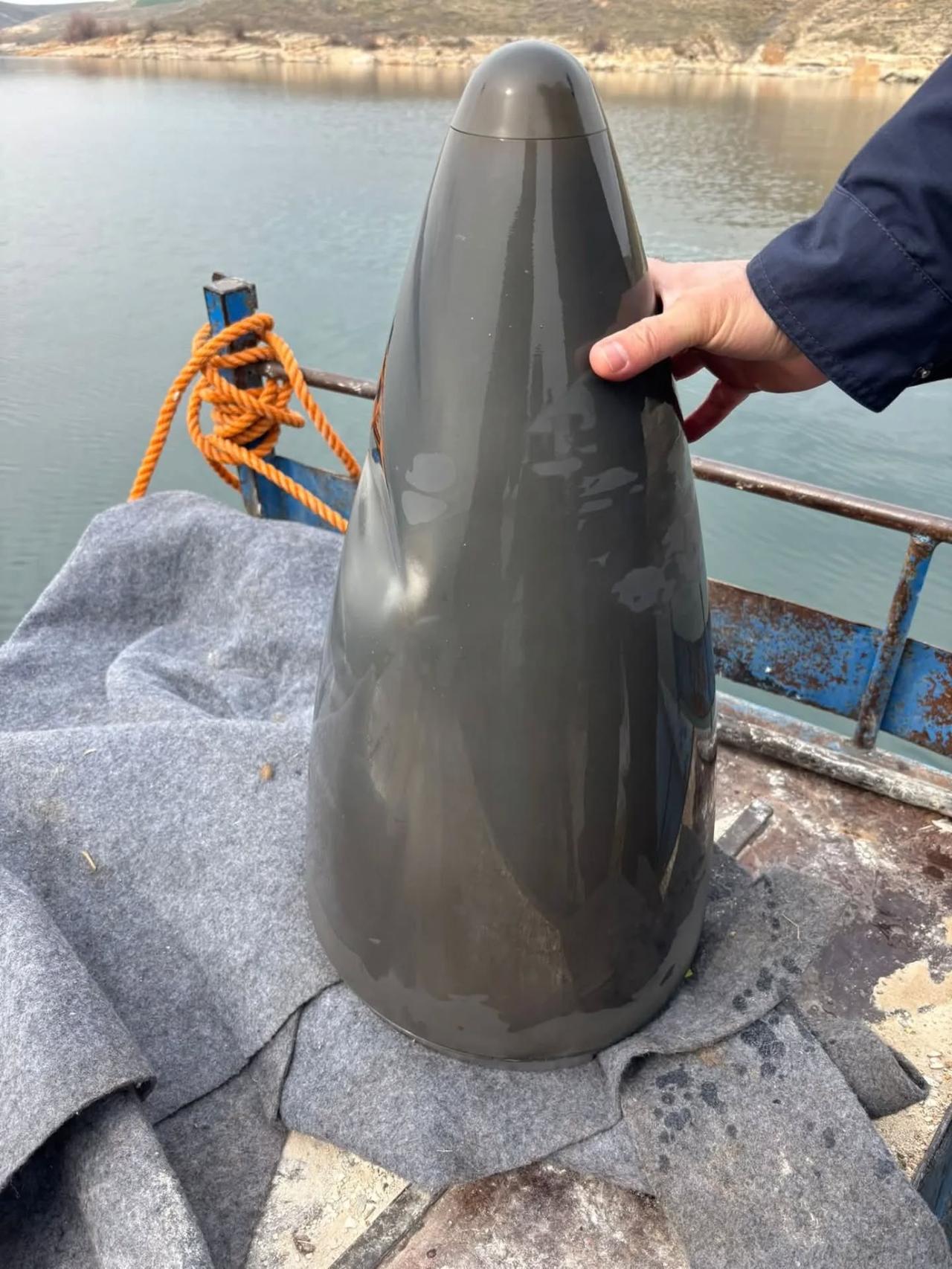
Separately, on March 4, fishermen near the Menzil locality in the Kahta district of Adiyaman had found suspicious metal pieces by the water. Initial assessments suggested the objects could be destroyed missile fragments.
Subsequent evaluation determined the pieces were the nose cone of the SM-3 that intercepted the first missile fired toward Türkiye.
Vice President Yilmaz, speaking on a live CNN Turk broadcast, stated that Ankara is evaluating the missile incidents with composure.
"The Republic of Türkiye is a state with traditions. It is not a state that makes decisions with emotions and sudden reflexes. It is a state capable of analyzing every event in a multidimensional way, foreseeing the pros and cons and the long-term consequences. Therefore, we are evaluating this incident calmly as well," he stated.
He added that Türkiye warned repeatedly that such incidents should not happen and expressed hope they would not recur. However, Yilmaz noted a structural issue on the Iranian side.
"Iran does not appear to have a unified decision-making system in front of us right now. They call it a mosaic structure. They have moved toward a different organization.
All of these details need to be examined. But the Republic of Türkiye, both as a NATO country and on its own, with its own existence, will continue to take measures against every kind of threat," he noted.
Yilmaz also reaffirmed Türkiye's principled position on the conflict, stating, "Türkiye made great efforts to prevent this point from being reached before the war started. Now we are faced with a war situation."
"In this picture, Türkiye maintains a principled stance alongside the Iranian people. It clearly states that it finds the attacks on Iran unacceptable. Equally, Türkiye considers the attacks by Iran on friendly and neighboring countries unacceptable," he said.
Addressing the duration of the conflict, Yilmaz said mixed signals are coming from different actors.
"I do not think there is the will to continue this war for a very long time based on President Trump's general policies and America's general approach. Because this war is not only producing humanitarian costs, it is also producing economic and environmental costs. It has, in a sense, become a situation that harms everyone," the Turkish VP noted.
"The risk of spreading to the region increases with each passing day. Therefore, we hope it will be ended at some point, but of course, none of us can say anything definitive on this matter," he concluded.


 Set as preferred source
 Set as preferred source


 3 min read