Newsletters




Iran’s Supreme Leader has issued a directive that Iran’s near-weapons-grade uranium should not be sent abroad, Reuters reported, citing two senior Iranian sources.
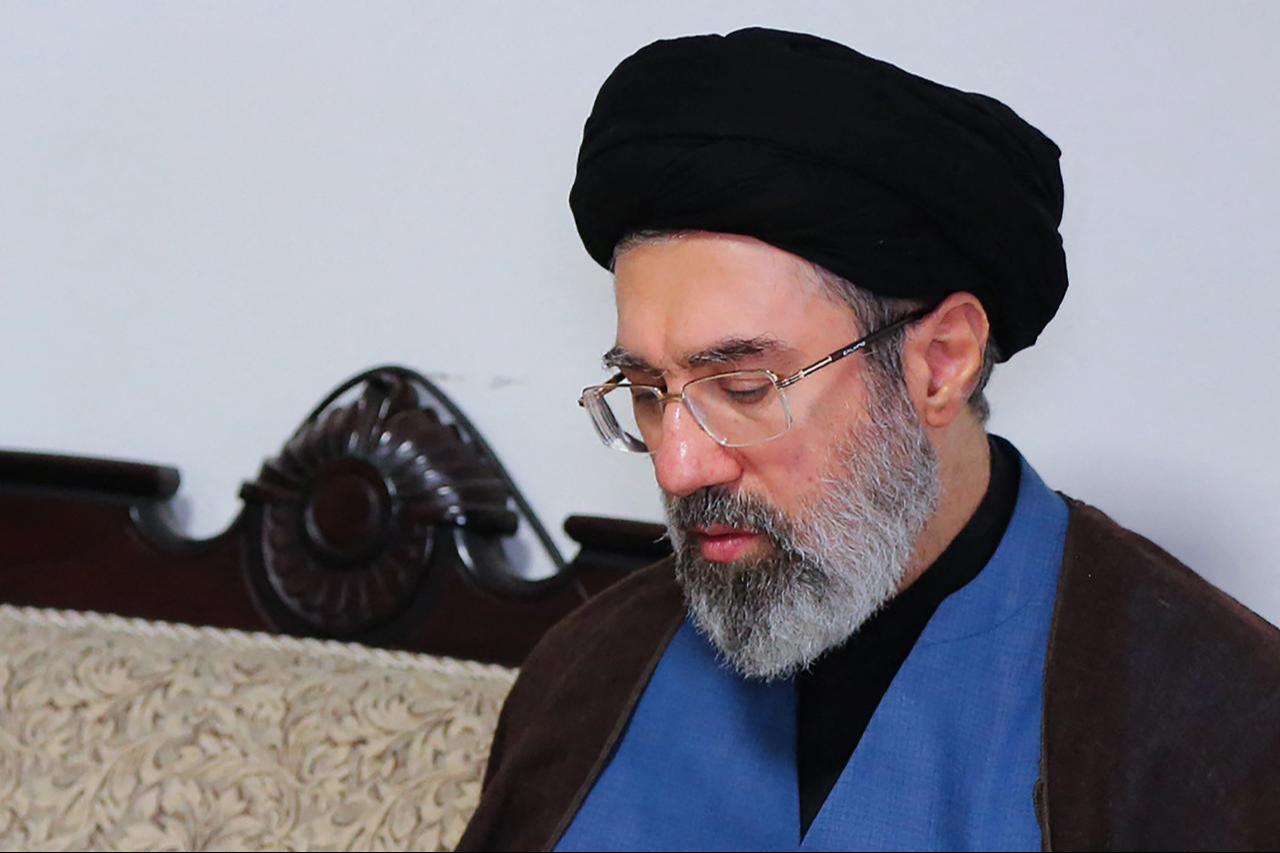
The directive by Mojtaba Khamenei hardens Tehran’s position on one of the main U.S. demands in peace talks aimed at ending the U.S.-Israeli war on Iran.
“The Supreme Leader’s directive, and the consensus within the establishment, is that the stockpile of enriched uranium should not leave the country,” one of the Iranian sources told Reuters on condition of anonymity because of the sensitivity of the matter.

Israeli officials have told Reuters that U.S. President Donald Trump has assured Israel that Iran’s stockpile of highly enriched uranium, needed to make an atomic weapon, will be sent out of Iran and that any peace deal must include a clause on the issue.
Israeli Prime Minister Benjamin Netanyahu has said he will not consider the war over until enriched uranium is removed from Iran, Tehran ends its support for proxy militias and its ballistic missile capabilities are eliminated.
Iran’s top officials believe sending the material abroad would make the country more vulnerable to future attacks by the U.S. and Israel, the two Iranian sources said.
Khamenei has the final say on the most important state matters.
The sources said the two sides had begun to narrow some gaps, but deeper disagreements remain over Tehran’s nuclear program, including the fate of enriched uranium stockpiles and Iran’s demand that its right to enrichment be recognized.
Iranian officials have repeatedly said Tehran’s priority is to secure a permanent end to the war and credible guarantees that the U.S. and Israel will not launch further attacks.
They said Iran would only be ready to engage in detailed negotiations over its nuclear program after such assurances are in place.
Tehran has long denied seeking a nuclear bomb.
A shaky cease-fire remains in place in the war that began with U.S.-Israeli strikes on Iran on Feb. 28.
After the initial strikes, Iran fired at Gulf states hosting U.S. military bases, while fighting also broke out between Israel and Iran-backed Hezbollah in Lebanon.
There has been no breakthrough in peace efforts, with a U.S. blockade of Iranian ports and Tehran’s control of the Strait of Hormuz, a vital global oil supply route, complicating negotiations mediated by Pakistan.
The two senior Iranian sources said there was deep suspicion in Iran that the pause in hostilities was a tactical deception by Washington to create a sense of security before renewed airstrikes.
Iran’s top peace negotiator, Mohammad Baqer Qalibaf, said Wednesday that “obvious and hidden moves by the enemy” showed the Americans were preparing new attacks.
Trump said Wednesday the U.S. was ready to carry out further attacks on Tehran if Iran did not agree to a peace deal but suggested Washington could wait a few days to “get the right answers.”
Before the war, Iran had signaled willingness to ship out half of its stockpile of uranium enriched to 60%, a level far higher than needed for civilian uses.
The sources said that the position changed after repeated threats from Trump to strike Iran.
Israeli officials told Reuters it remains unclear whether Trump will decide to attack and whether he would give Israel approval to resume operations.
Tehran has vowed a crushing response if attacked.
However, one Iranian source said there were “feasible formulas” to resolve the issue.
“There are solutions like diluting the stockpile under the supervision of the International Atomic Energy Agency,” one of the Iranian sources said.
 1 min read
The IAEA estimated that Iran had 440.9 kilograms (972.0 pounds) of uranium enriched to 60% when Israel and the U.S. attacked Iranian nuclear facilities in June 2025. It remains unclear how much of that survived.
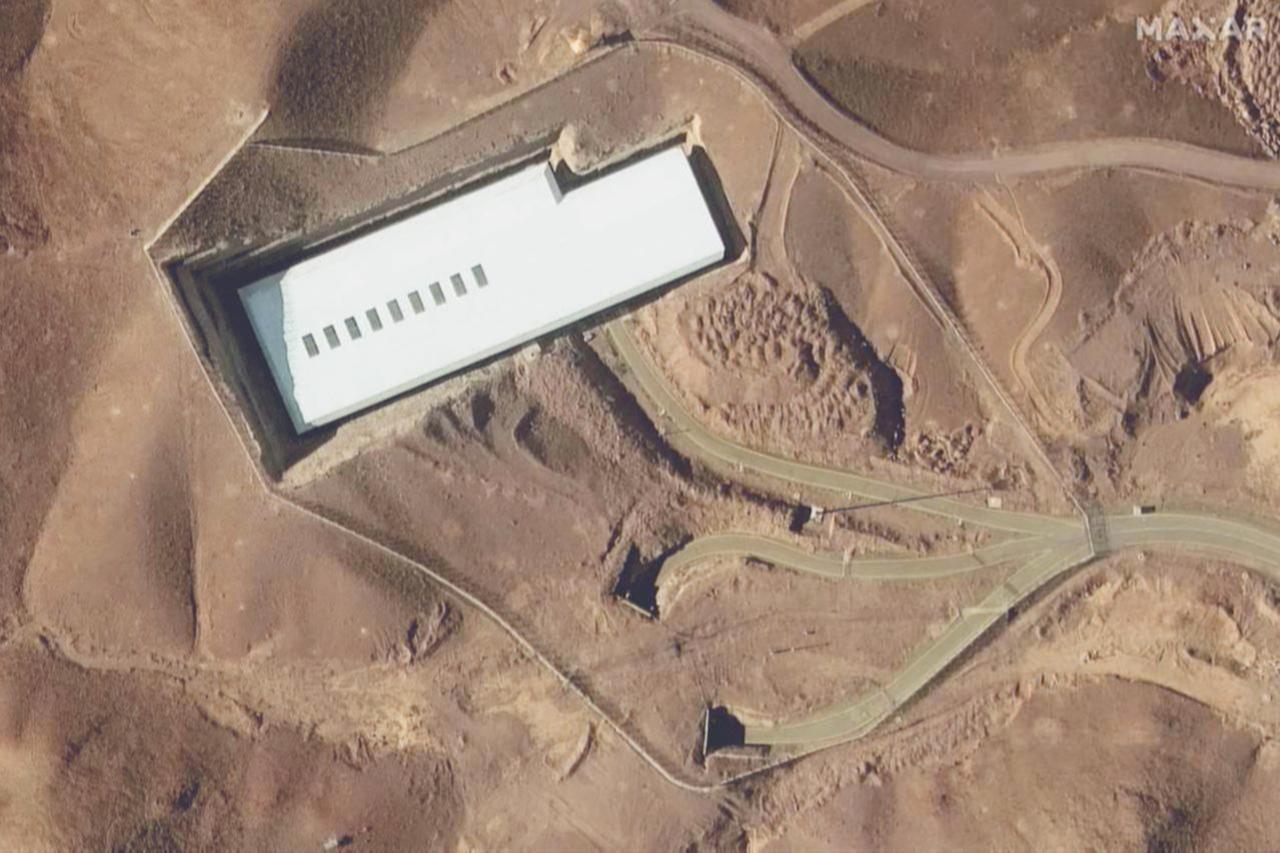
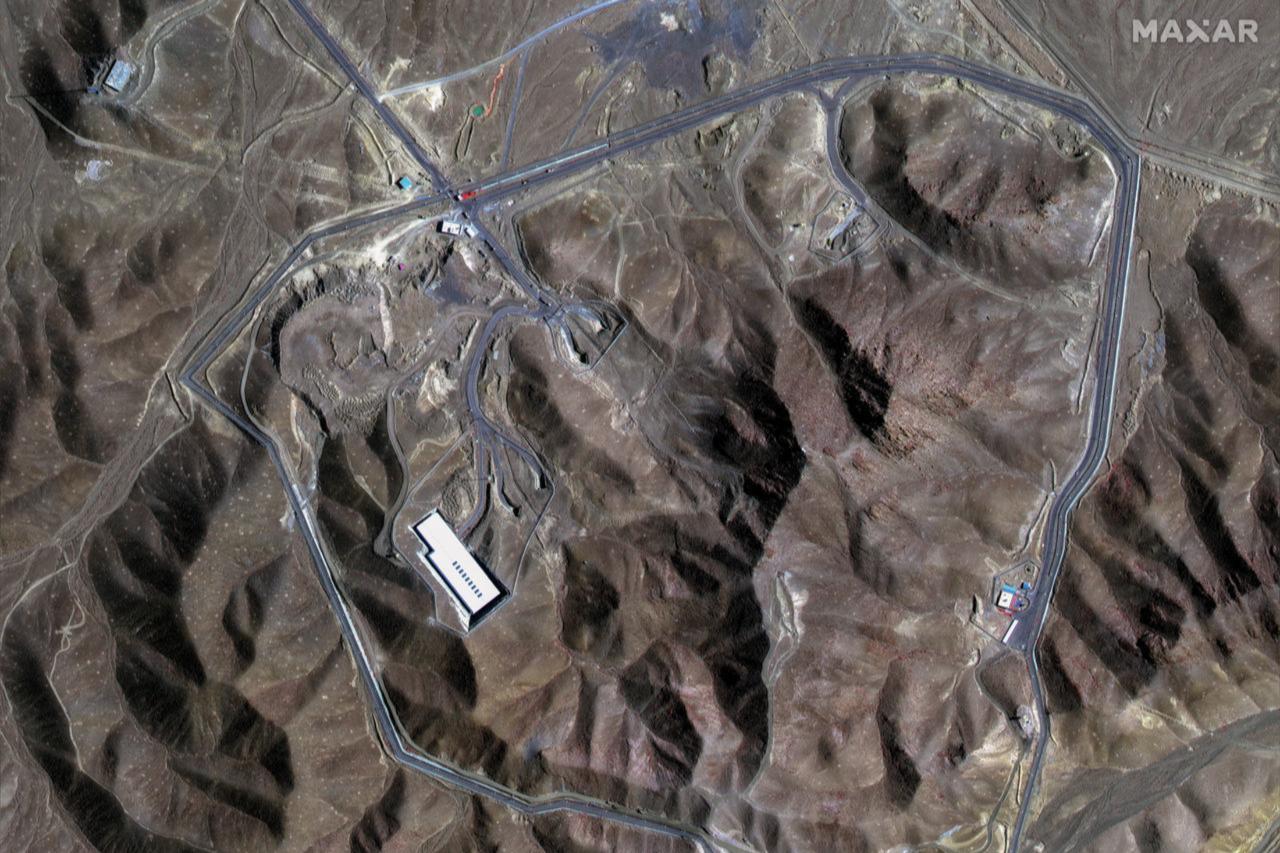
IAEA chief Rafael Grossi said in March that what remained of the stock was “mainly” stored in a tunnel complex at Iran’s Isfahan nuclear facility and that the agency believed slightly over 200 kilograms were there.
The IAEA also believes some of the material is at the Natanz nuclear complex, where Iran had two enrichment plants.
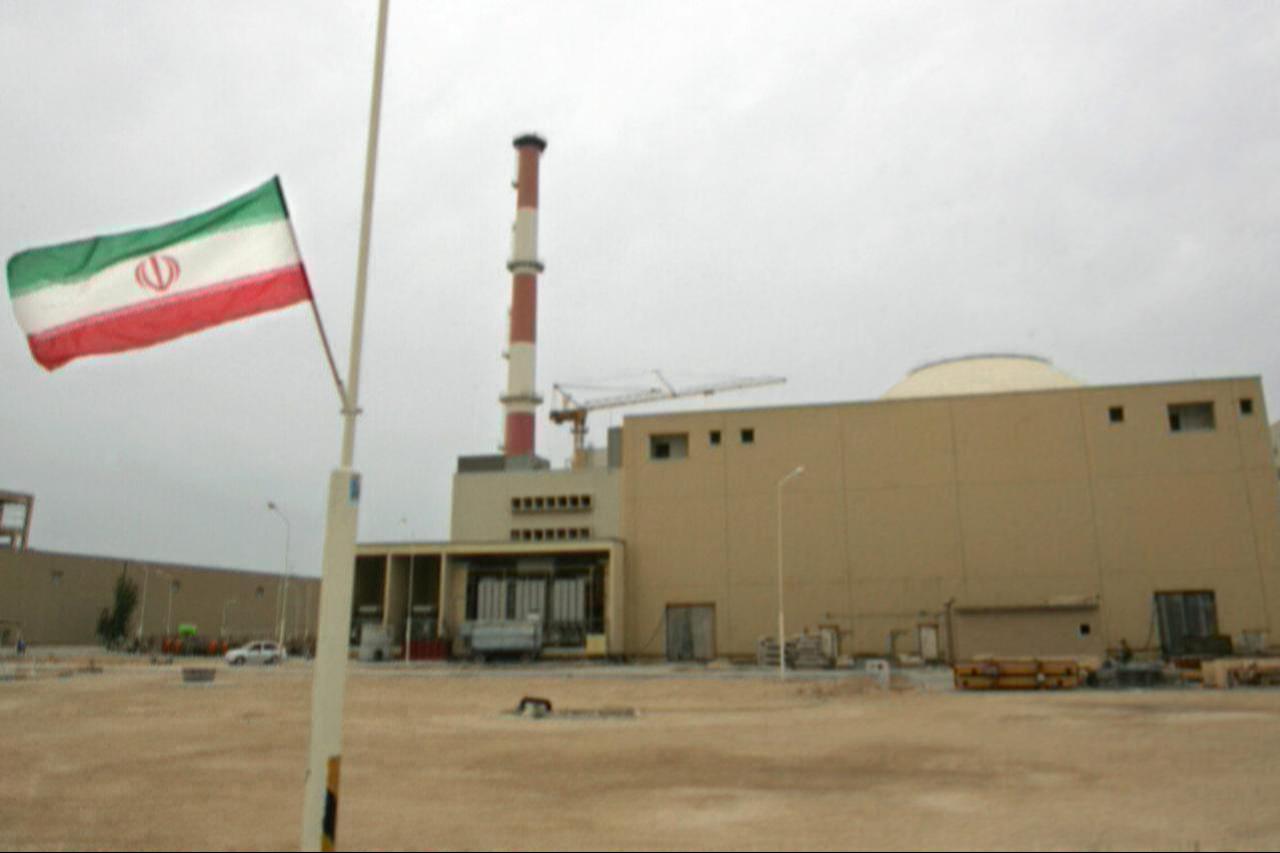
Iran says some highly enriched uranium is needed for medical purposes and for a research reactor in Tehran, which runs on relatively small amounts of uranium enriched to around 20%.
Israel is widely believed to have an atomic arsenal but has never confirmed or denied having nuclear weapons, maintaining a policy of ambiguity for decades.


 Set as preferred source
 Set as preferred source


 1 min read