Newsletters


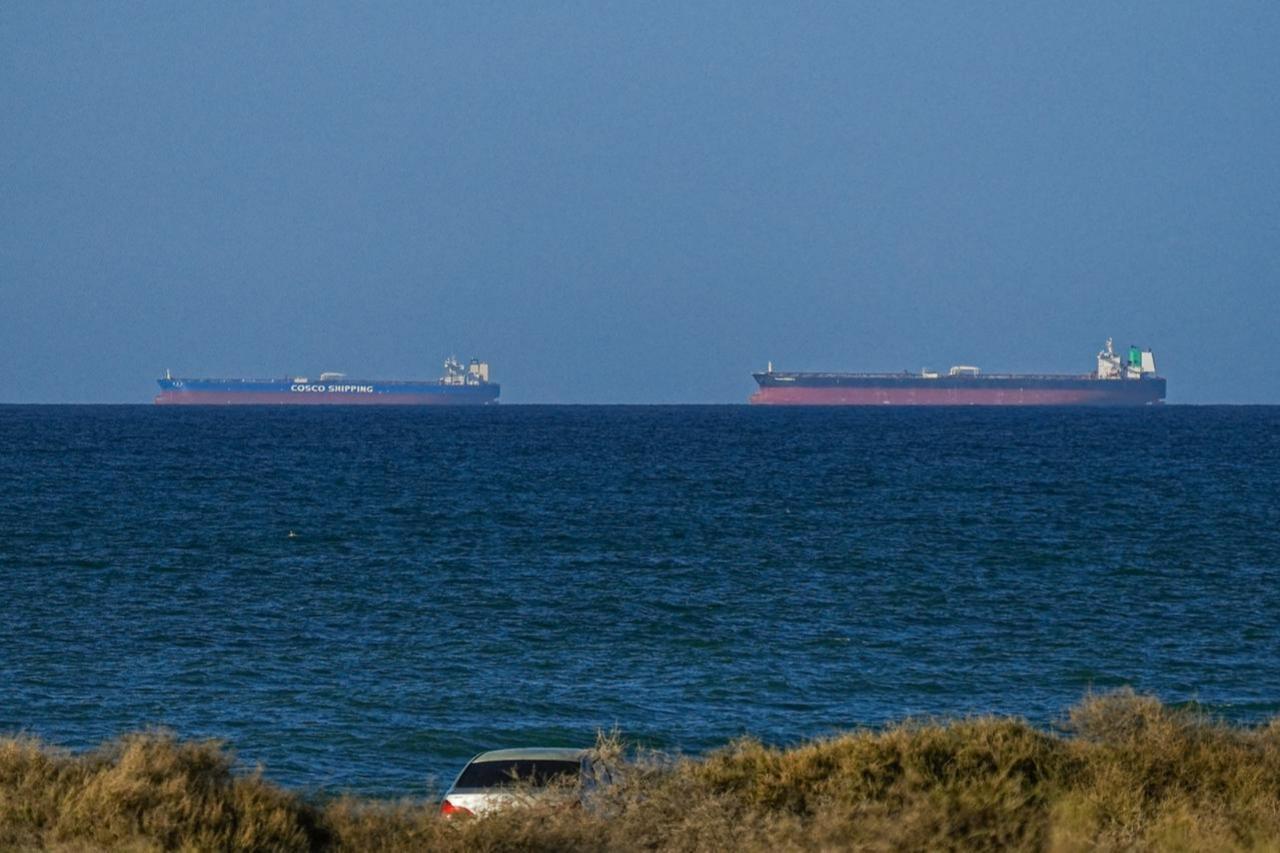


Iran's state-affiliated Tasnim News Agency has published a detailed map of undersea internet cables running through the Strait of Hormuz, framing the waterway's fiber-optic infrastructure as acutely vulnerable, in what analysts and regional observers say reads less like a technical briefing and more like a strategic signal.
The report, circulated widely on Telegram, identifies at least seven major submarine communication cables transiting the narrow strait, noting that more than 97 percent of the world's internet traffic travels through seabed fiber-optic lines.
Systems including FALCON, AAE-1, TGN-Gulf and SEA-ME-WE, the outlet noted, link the Persian Gulf states to major data centers across the Middle East, Europe and Asia, forming the operational backbone for e-commerce, cloud services and financial communications in the region.
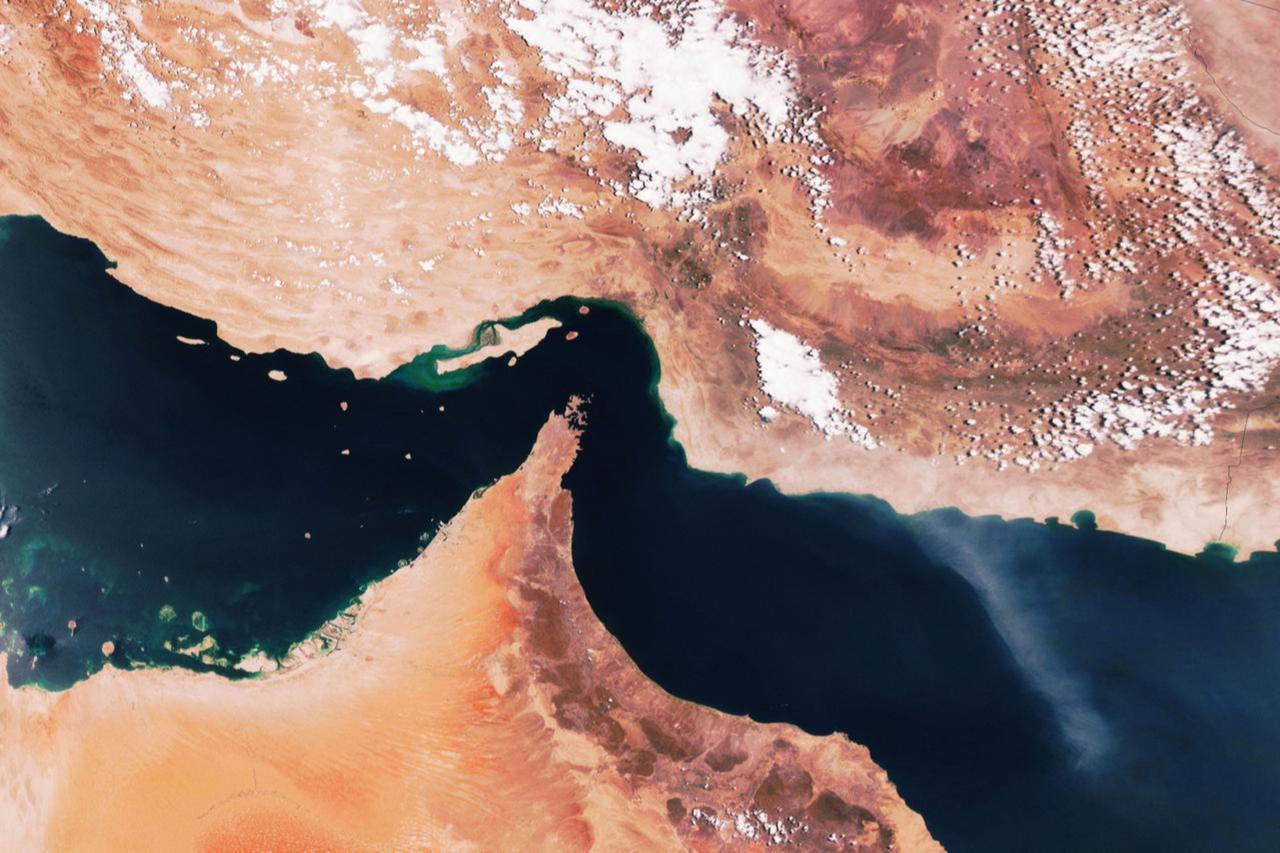
Long understood as the world's most consequential oil and gas corridor, the Strait of Hormuz has a parallel identity that has received considerably less attention: a critical bottleneck for global digital connectivity.
All cables passing through the strait were laid in Omani rather than Iranian waters, a routing consequence of long-standing diplomatic frictions with Tehran, meaning they run through a geographically narrow band with limited redundancy.
The concentration of infrastructure in so tight a passage has drawn increasing alarm from telecommunications researchers. Analysis by TeleGeography notes that because cables in the strait are tightly clustered, a single incident, whether from anchors, naval debris or deliberate action, could damage multiple systems simultaneously.
Cable repair ships, moreover, require government permits before entering a fault zone and must remain stationary during repairs, making them acutely exposed in any environment of active hostility.
 1 min read

Iran International, which covers Iranian state media closely, described the Tasnim report as a thinly veiled warning rather than a neutral explainer, observing that the outlet took care to highlight that Gulf Arab states on the southern shore of the Strait, including the UAE, Qatar, Bahrain, Kuwait and Saudi Arabia, depend far more heavily on maritime internet routes than Iran does.
The report drew particular attention to the concentration of cloud and data-center infrastructure in those countries, especially the UAE, framing landing stations and data hubs as what the outlet characterized as strategic pressure points.
Tasnim is linked to Iran's Revolutionary Guard Corps. The timing of the publication, against a backdrop of heightened tensions following a U.S. and Israeli military campaign against Iran, has led analysts to read the mapping exercise as an implicit threat rather than a public service announcement.


 Set as preferred source
 Set as preferred source


 1 min read