

 Newsletters


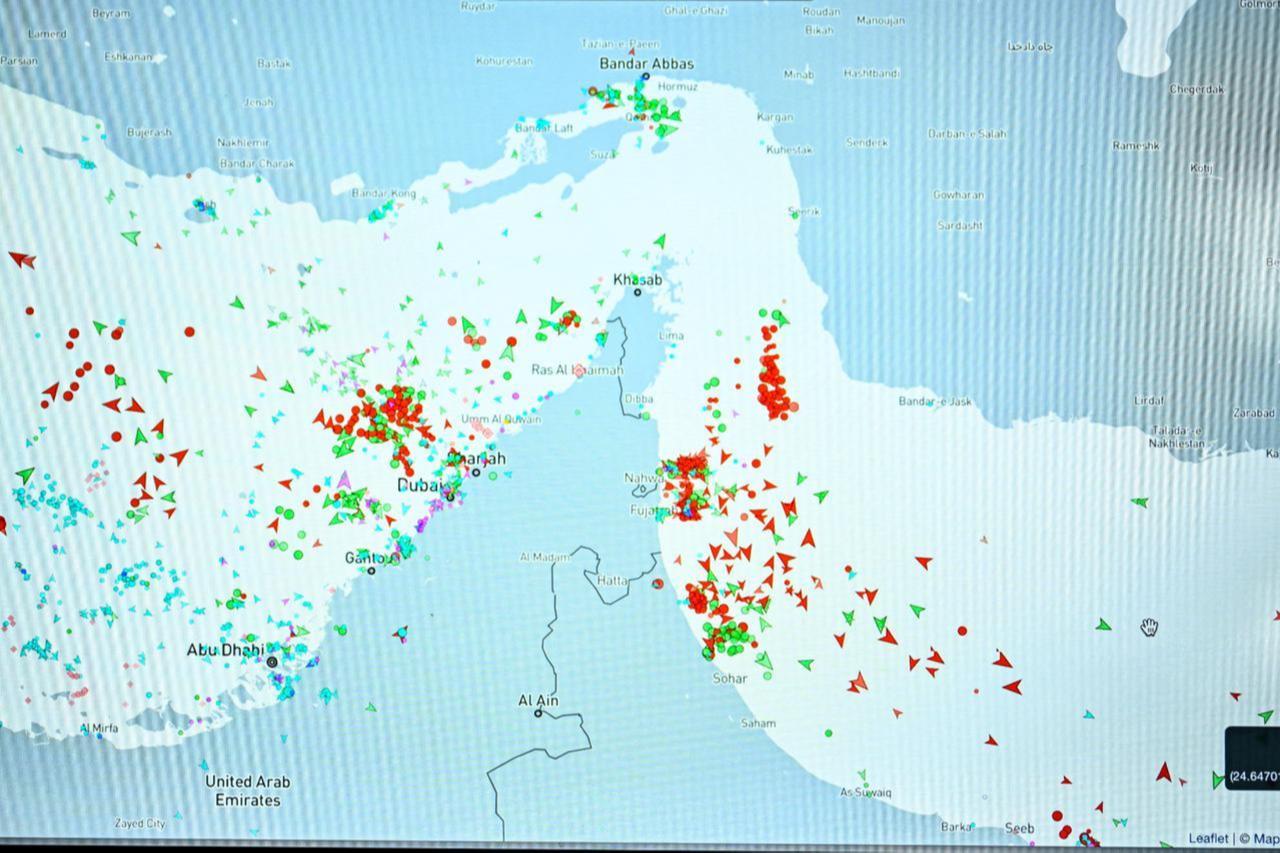


The head of the National Security Commission in Iran's parliament said a strategic proposal related to the Strait of Hormuz could allow the government to cooperate with Oman and expand control over the key waterway, which emerged as a hot issue in the recent U.S. and Israeli-launched war.
Speaking on state broadcaster IRIB, Ebrahim Azizi said the proposal is currently under review by a parliamentary commission before being submitted to the full assembly.
He said the framework would become binding only after parliamentary approval.
Azizi said the proposal would allow the government, if necessary and subject to parliamentary approval, to negotiate with Oman and draft a treaty.
He stressed that such cooperation would not involve Oman in determining the future of the Strait of Hormuz but would be limited to specific aspects of the broader framework.
He said that if approved, the Strait of Hormuz would come under “comprehensive and full control” of Iran’s armed forces and security institutions, one of the provisions likely to draw U.S. opposition.
Azizi added that the situation in the strait would “never return to pre-war conditions,” signaling a lasting shift in how the waterway is managed.
He noted that movements through the Strait are already closely monitored by Iranian forces.
Azizi said the proposal includes provisions to prohibit the passage of vessels linked to countries considered hostile to Iran, including Israel.
He said this would apply to ships whose ownership, flag, or cargo is connected to such countries, as well as military vessels or ships involved in intelligence activities deemed harmful to Iran’s national security.
He added that the armed forces would determine such threats.
Azizi also said vessels linked to Israel, whether military or civilian, as well as ships traveling to or from Israel, would be banned from transiting the Persian Gulf and the Strait of Hormuz if the proposal is approved.
He said the proposal also includes provisions to use Iran’s national currency, the rial, in related financial arrangements.
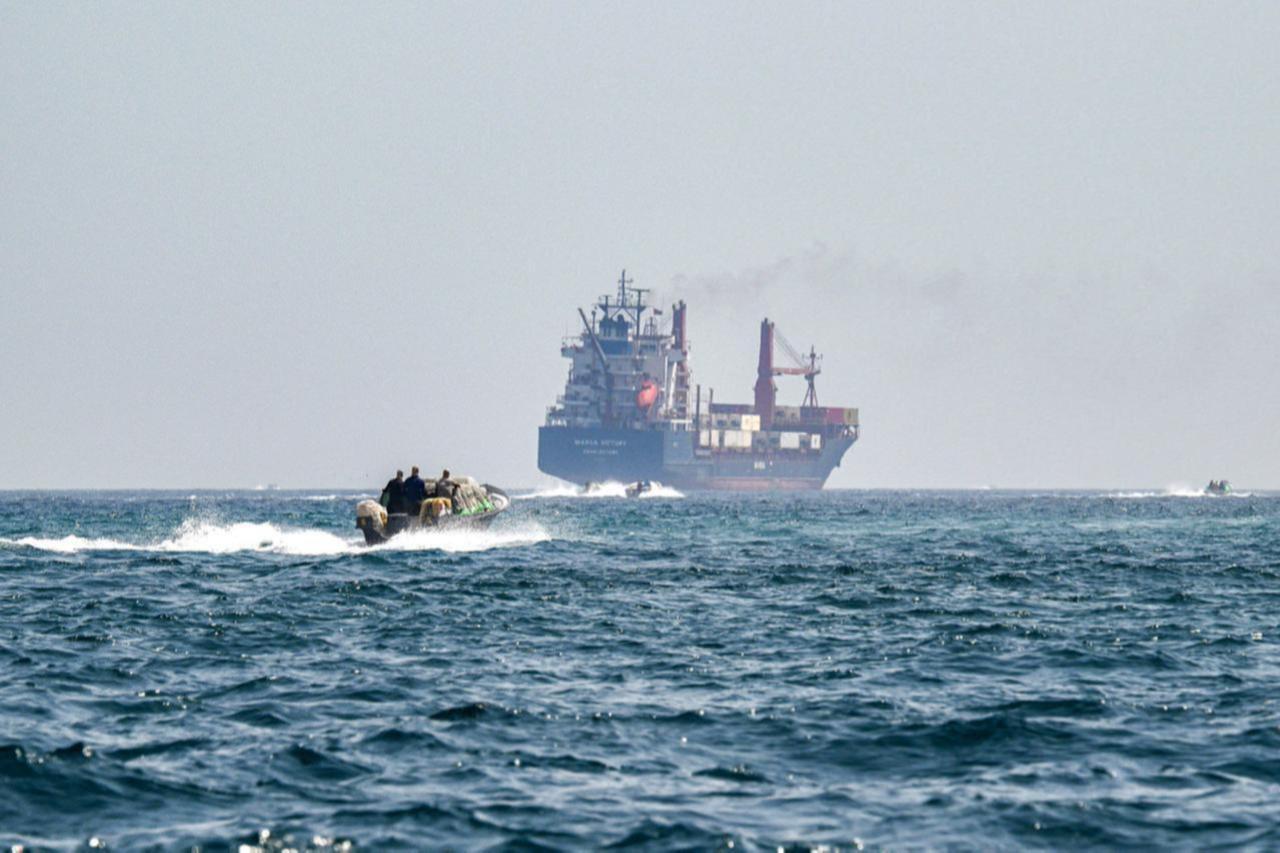
Regional tensions have escalated since the U.S. and Israel launched a joint offensive on Iran on Feb. 28, killing more than 3,000 people, including then-Supreme Leader Ali Khamenei. Tehran retaliated with drone and missile strikes targeting Israel, as well as Jordan, Iraq, and Gulf countries hosting U.S. military assets. Iran also restricted the movement of ships through the Strait of Hormuz.
The U.S. and Iran announced a two-week ceasefire on Tuesday, brokered by Pakistan, as a step toward a possible broader agreement to halt the U.S.- and Israeli-launched conflict in Iran that left thousands dead and wounded.


 Set as preferred source
 Set as preferred source


 1 min read
 1 min read



