Newsletters


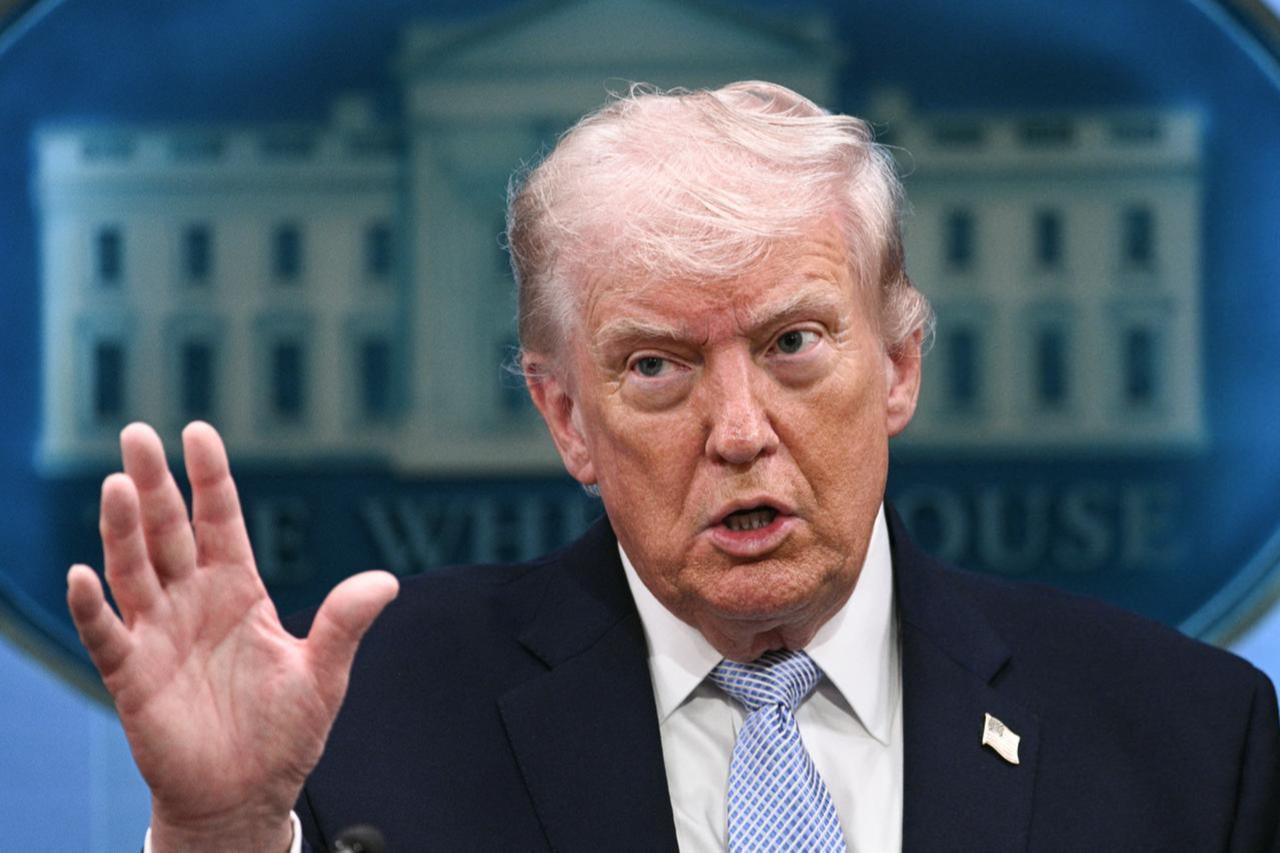


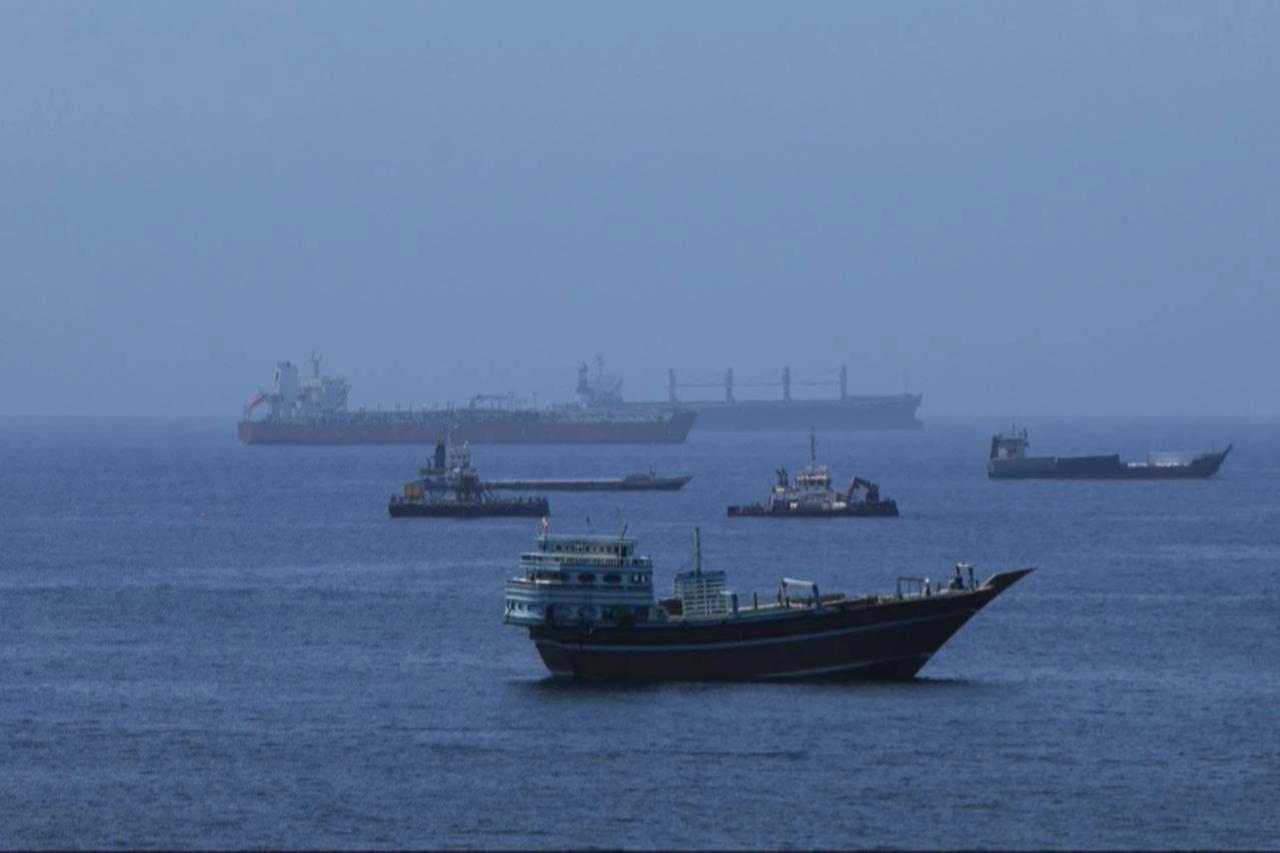
U.S. President Donald Trump on Thursday issued a sharp warning to Iran to halt what he described as unauthorized tolls being levied on oil tankers transiting the Strait of Hormuz, the narrow Persian Gulf chokepoint through which roughly a fifth of the world's seaborne oil supply passes, and where a fragile two-week ceasefire has recently restored limited shipping access.
"There are reports that Iran is charging fees to tankers going through the Hormuz Strait -- They better not be and, if they are, they better stop now!" Trump wrote on his Truth Social platform. Minutes later, he added that oil would resume flowing "very quickly," declaring it would happen "with or without the help of Iran."
The Strait of Hormuz, a passage barely 30 miles wide at its narrowest point between Iran and the Omani coast, is the sole maritime outlet from the oil-rich Persian Gulf to the open ocean. Around 20 million barrels of oil and oil products move through it daily, accounting for roughly a quarter of global seaborne oil trade, according to the International Energy Agency.
Asia absorbs the bulk of those flows, with China, India, Japan, and South Korea together accounting for the majority of crude transiting the strait. Europe relies on the route for a significant share of its liquefied natural gas imports from Qatar.
Unlike many strategic waterways, the Strait of Hormuz has no viable large-scale alternative: only Saudi Arabia and the United Arab Emirates operate bypass pipelines, with a combined available capacity well short of the strait's full traffic volume.
Iran moved to block the strait in late February 2026 following a U.S.-Israeli military campaign that killed Supreme Leader Ali Khamenei, plunging global energy markets into acute turmoil.
The disruption was described by analysts as the most severe shock to the world's energy supply since the 1970s oil crises. The recent ceasefire agreement, under which Iran agreed to reopen the passage, offered the first significant relief to markets and importers since the crisis began.
Trump's assertion that shipments would resume "with or without the help of Iran" echoed earlier statements in which he had threatened forceful action if Tehran interfered with navigation. The shipping lanes within the strait fall primarily under Omani territorial waters and are governed by international maritime law and the United Nations Convention on the Law of the Sea, though Iran's geographic position along the northern coast gives it considerable practical leverage over passage.


 Set as preferred source
 Set as preferred source


 1 min read
 1 min read