Newsletters


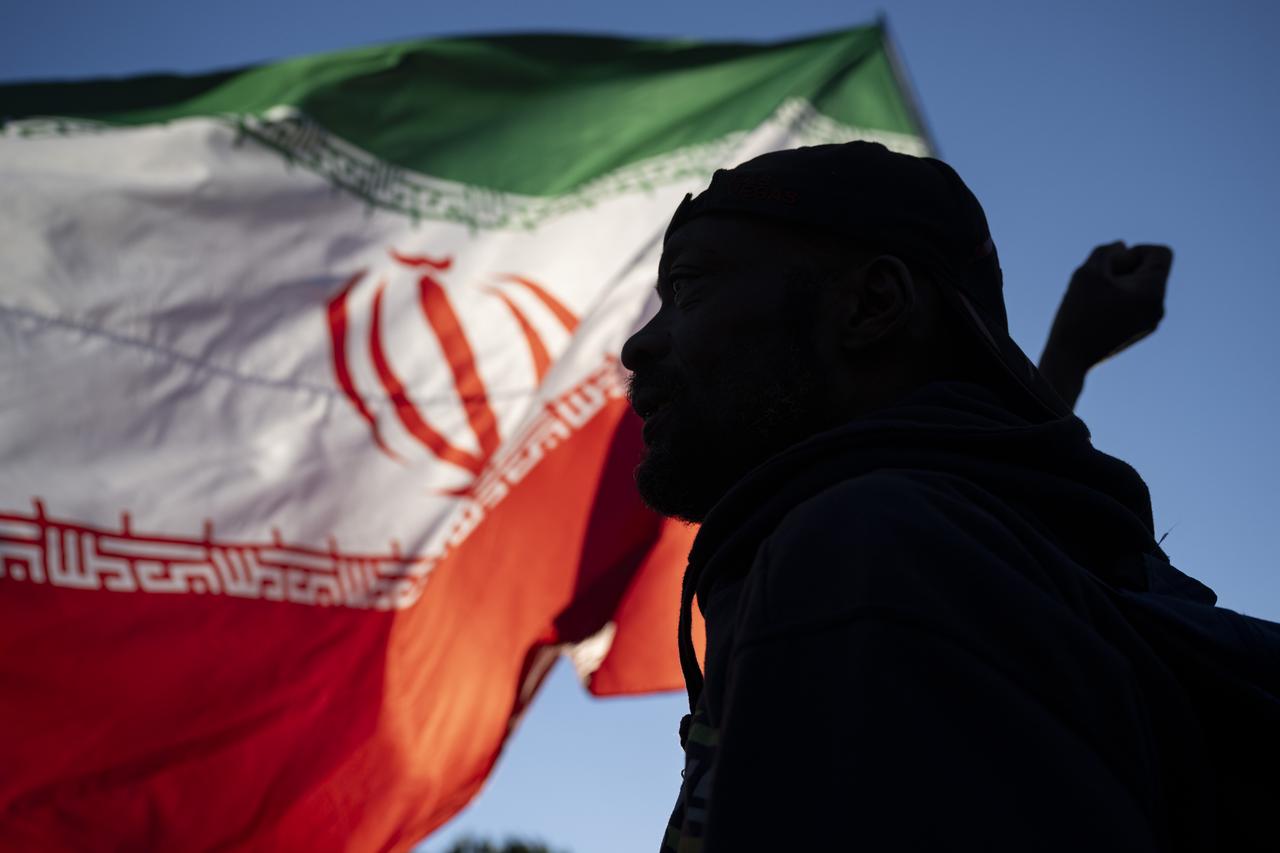


Speaking at the 11th annual conference of the Arab Center in Washington, political scientist John Mearsheimer warned that the trajectory of the ongoing Iran war points to a strategic setback for both the United States and Israel, as tensions in the region continue to escalate.
During the opening session of the conference, Mearsheimer highlighted Iran’s effective control over the Strait of Hormuz as a major turning point in the conflict, arguing it underscores the limits of US and Israeli military strategy.
He also raised concerns about the potential for nuclear escalation, suggesting that Israel could consider the use of nuclear weapons if it concludes that Iran has developed such capabilities. Mearsheimer noted that Israeli leaders view Iran as an existential threat, and added that Washington would be unlikely to restrain such a move due to strong pro-Israel influence in US politics.
Mearsheimer further argued that the Middle East remains critically important to the United States, but increasingly because of its ties to Israel rather than oil. He described the US-Israel relationship as uniquely close, saying American policy in the region often aligns with Israeli interests, even when they diverge from broader US strategic priorities.
U.S. and Iran agreed on a two-week ceasefire on Wednesday, hours before President Donald Trump's deadline for Tehran to reopen the Strait of Hormuz or face expanded airstrikes.
The deal also sets the stage for negotiations in mediator Pakistan’s capital, Islamabad, based on a 10-point plan proposed by Tehran, which Trump described as "workable."
US Vice President JD Vance left Washington on Friday aboard Air Force Two, leading a delegation that included special envoy Steve Witkoff and Jared Kushner, while the Iranian delegation—likely led by parliament speaker Bagher Qalibaf and including Foreign Minister Abbas Araghchi—was expected to arrive later that night.


 Set as preferred source
 Set as preferred source


 3 min read