Newsletters


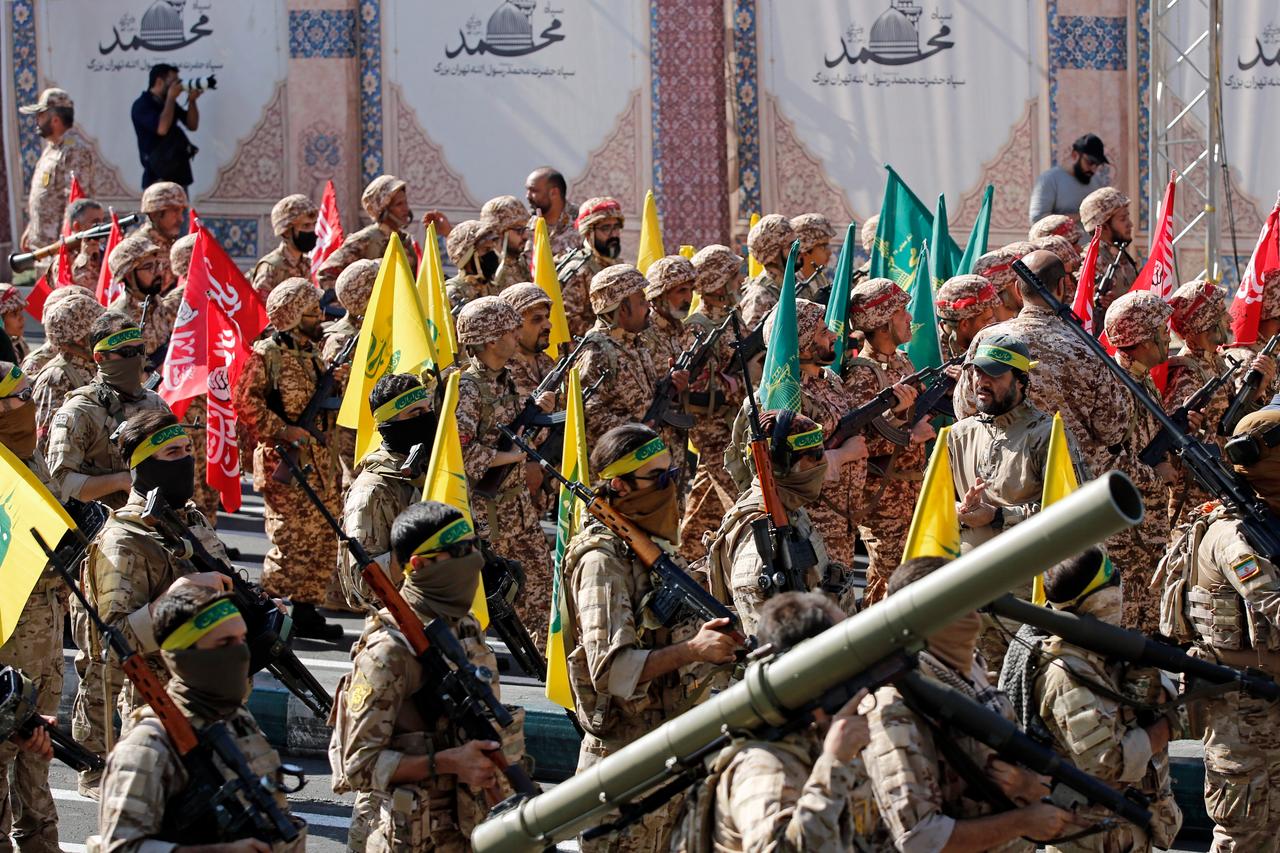


An adviser to Iranian Supreme Leader Mojtaba Khamenei warned Thursday that Tehran may expand the Middle East war to the Indian Ocean if the U.S. or Israel attacks Iran again.
Yahya Rahim Safavi, a senior adviser to the supreme commander of Iran’s armed forces, said in a video released by Iran’s Fars news agency that the battlefield could widen further if hostilities escalate.
“Since the conflict has spread from the Persian Gulf and Strait of Hormuz to the Red Sea, it is possible that, in response to more war, the front will expand even further, reaching the Indian Ocean and perhaps beyond,” Safavi said.
Safavi said the link between the Strait of Hormuz and the Bab el-Mandeb could change the theater of war.
“I think that the connection of the Persian Gulf and the Red Sea, the Strait of Hormuz and the Bab el-Mandeb, will change the battlefield,” he added.
Safavi said that if the U.S. starts a new war, “a new front centered on the Red Sea and the Bab el-Mandeb Strait may open up before their very eyes.”
“Are they prepared to enter a battle on this front? This is a question they must pay more attention to,” he said.
Yemen’s Houthis, who are fighting Saudi-backed government forces, recently took control of the Red Sea coastline, tightening their grip on the strategic Bab el-Mandeb Strait, which links Asia to Europe via the Suez Canal.
Iran has long provided military support to the Houthis but denies involvement in the Yemen conflict.
Iran has also locked down the Strait of Hormuz off its coast in retaliation for U.S.-Israeli strikes that triggered the Middle East war at the end of February. Iran and the United States are now vying for control of Hormuz, through which much of the world’s oil and gas passed before the war.
Iranian officials had already threatened to expand the geographic scope of the conflict if U.S. strikes resume.
But Thursday’s warning was the first time an adviser to Iran’s supreme leader explicitly mentioned the Indian Ocean, home to a strategic U.S.-British military base at Diego Garcia, nearly 4,000 kilometers from Iran.
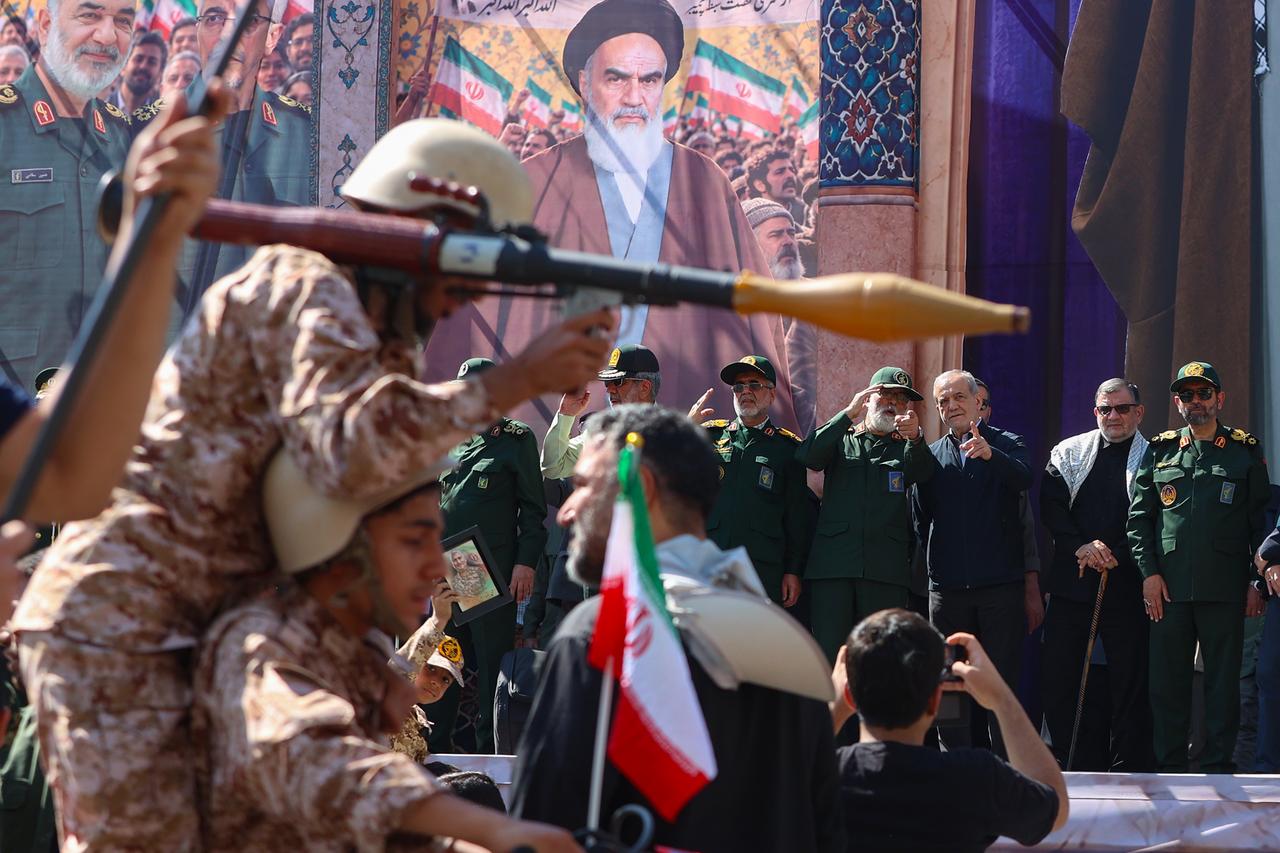

Safavi said Iran was ready for a new round of a potential war with the U.S.
He said Iran did not know what was “going on in the minds of Trump and Netanyahu,” but added that the country’s armed forces had prepared plans for worst-case scenarios.
“Our armed forces are scenario-planning very intelligently and have prepared their own plans for the worst-case scenarios,” Safavi said.
He said that if the U.S. and Israel attack Iranian centers and national interests again “in any form,” the front of the war would expand.
“Now that the war has expanded from the Persian Gulf and the Strait of Hormuz to the Red Sea, this front could become even wider in the next phase of a potential war with the United States, possibly extending to the Indian Ocean or other areas,” he said.
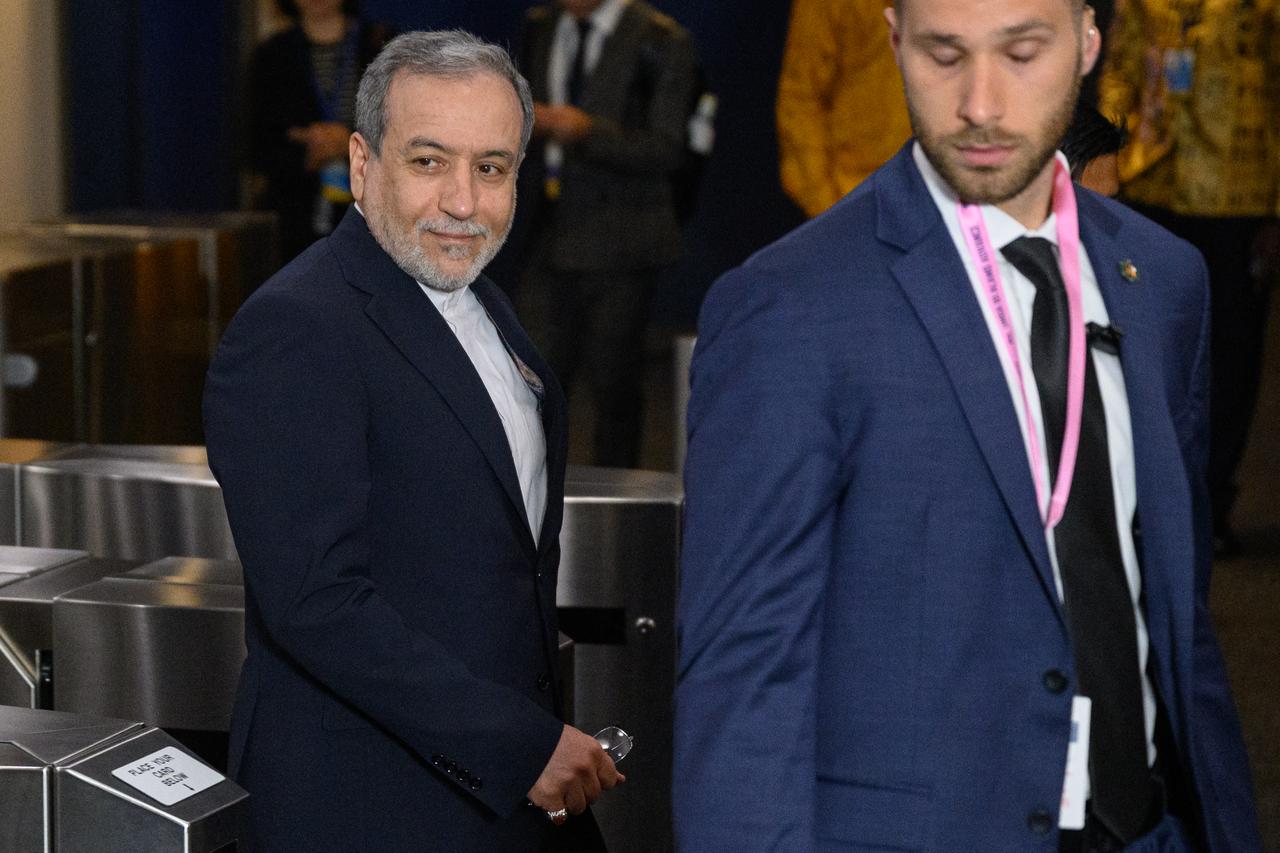
Top Pakistani and Iranian diplomats met in New York to discuss the latest developments following recent talks between Washington and Tehran, Pakistan’s Foreign Ministry said Thursday.
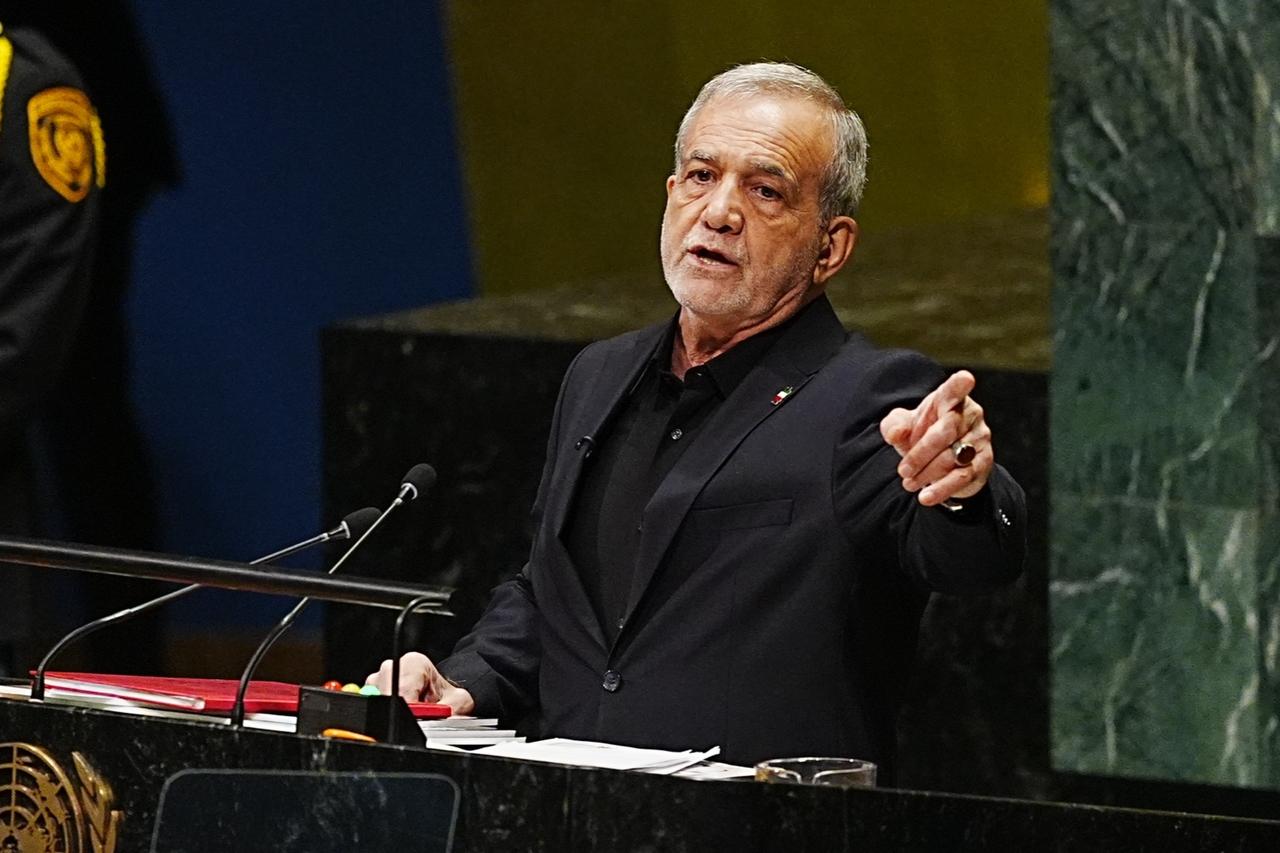
The meeting between Pakistani Foreign Minister Ishaq Dar and Iranian Foreign Minister Abbas Araghchi was held on the sidelines of the U.N. General Assembly.
It came a day after U.S. and Iranian negotiators held hourslong talks in New York to discuss ways to reopen the Strait of Hormuz and revive long-stalled direct talks under the Islamabad Memorandum of Understanding.
Dar and Araghchi discussed bilateral relations and exchanged views on regional and international developments, the Pakistani statement said.
Dar underscored the importance of dialogue, diplomacy and sustained engagement in promoting regional peace and stability.
Both sides agreed to remain in “close” contact, the statement said.
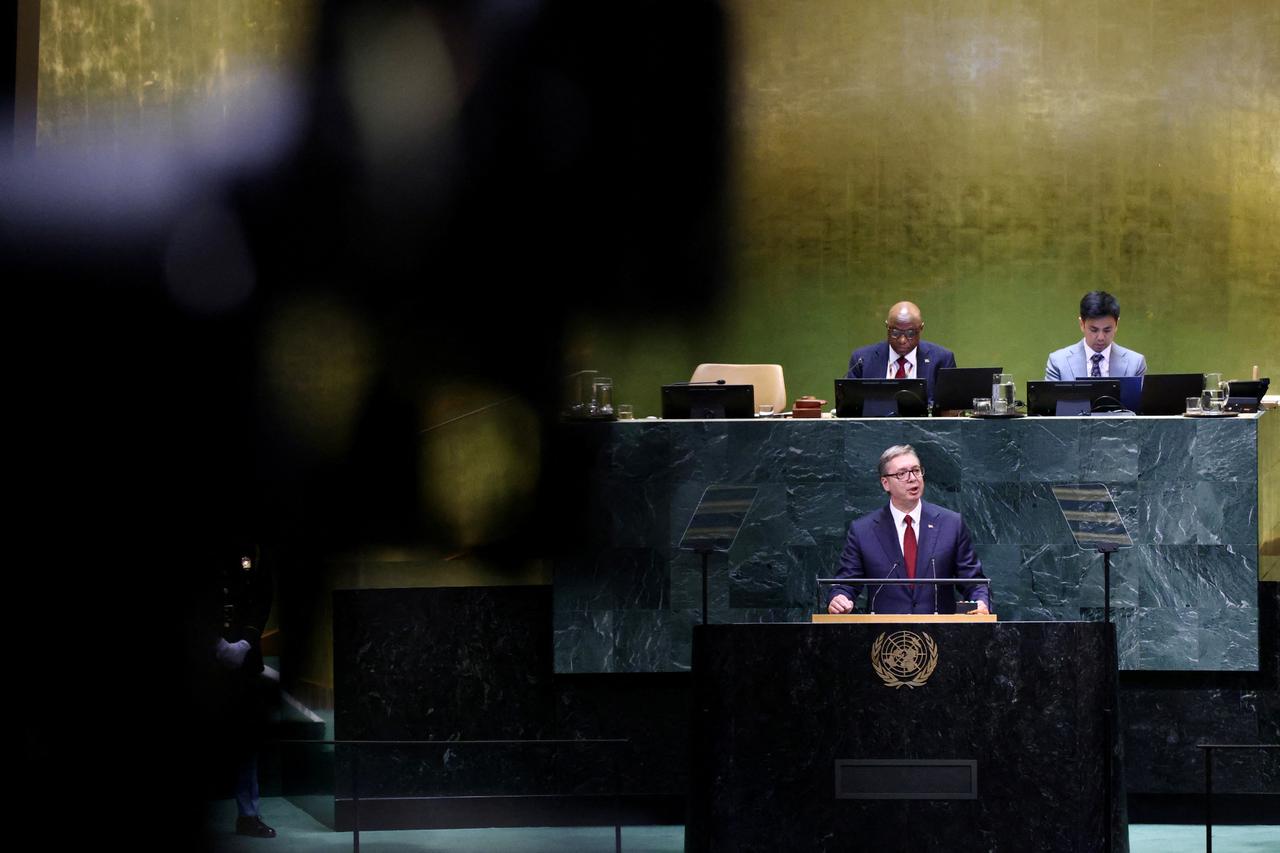
Pakistan is “absolutely determined” to make progress in efforts to de-escalate the conflict between the U.S. and Iran, Prime Minister Shehbaz Sharif said Wednesday.
“Pakistan is playing the role of a sincere and honest mediator between Iran, our neighborly country, and the United States,” Sharif told reporters at the U.N. in New York, where he is attending the 81st session of the General Assembly.
Recalling that the Islamabad Memorandum of Understanding was signed by Iranian President Masoud Pezeshkian, U.S. President Donald Trump and himself, Sharif said: “Unfortunately, events after that got a bit unpredictable.”
“But Pakistan is completely focused. We have not lost hope; we are absolutely determined that we will further make efforts and make progress to de-escalate the situation,” he said.
After the U.S. and Israel launched a war against Iran on Feb. 28, Pakistan helped secure a ceasefire on April 8 and later hosted more than 20 hours of talks between American and Iranian officials in Islamabad.
Following weeks of mediation, Pakistan and Qatar helped secure the Islamabad MoU, which was signed on June 18 and provided the two sides with a framework and 60 days to negotiate a longer-term agreement aimed at ending the war.
The two sides, however, soon resumed retaliatory strikes, with tensions continuing.
Iranian and American negotiators also held indirect talks Tuesday on the sidelines of the U.N. General Assembly in New York.
Asked whether further meetings were possible, Sharif said it was a “continuous process” and that “all friendly countries are contributing to achieve peace.”


 Set as preferred source
 Set as preferred source


 1 min read
 1 min read