Newsletters


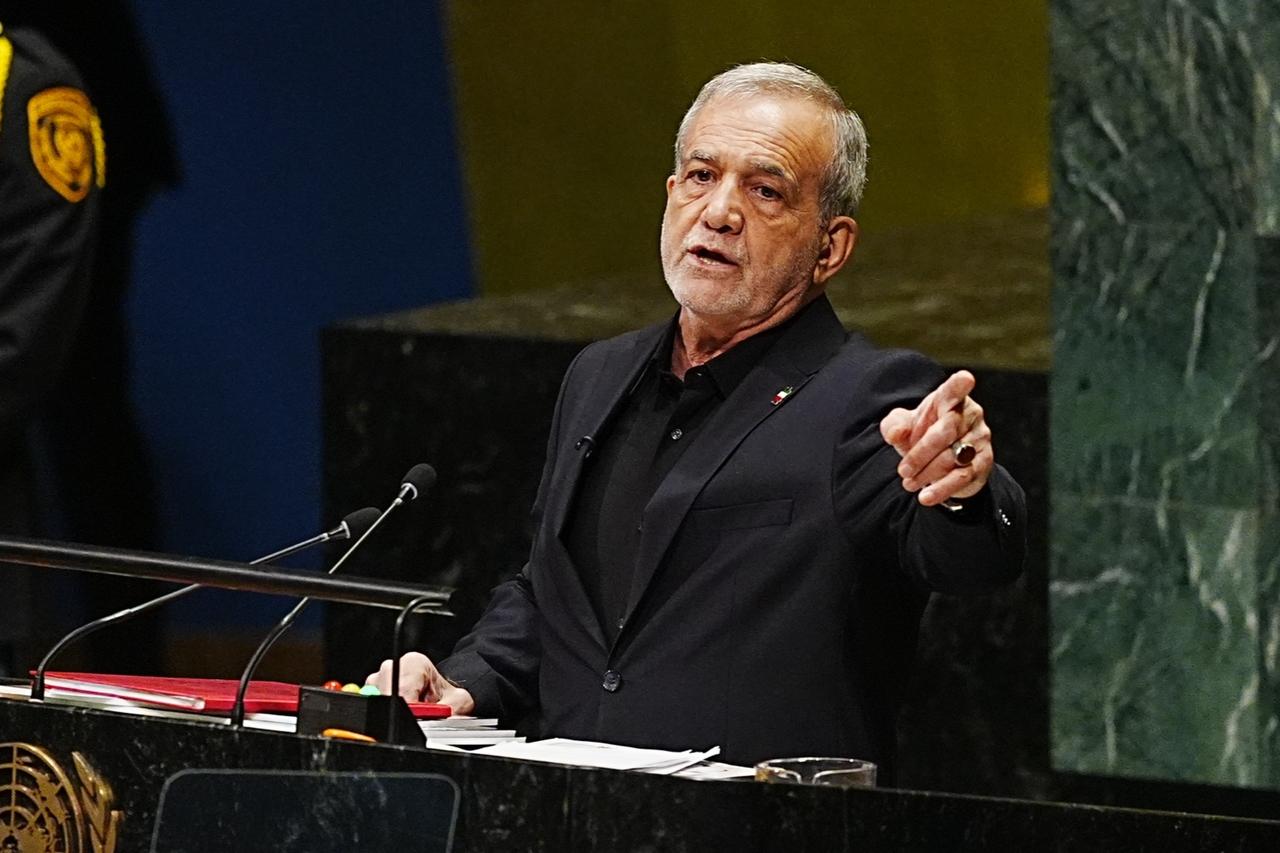


Iranian President Masoud Pezeshkian used his first address to the United Nations General Assembly since the outbreak of war between Iran and the United States and Israel to reject accusations that Tehran sponsors terrorism, telling world leaders Wednesday that Iran is instead "a victim of terrorism."
"Yesterday, Trump said we are terrorists. We are not terrorists, we are victims of terrorism," Pezeshkian said, responding directly to President Donald Trump, who a day earlier had called Iran the "number one sponsor of terror" from the same podium.
Pezeshkian struck a combative posture throughout his remarks, declaring that the Iranian people would not yield to outside pressure.
"He must know that the resistance of the Iranian people will only increase in the face of sanctions, increased pressure, increased bullying. We will never bow our head or bend at the knee," Pezeshkian said, referring to Trump.
The Iranian leader maintained that Tehran had not started the conflict with Washington and Israel, which began earlier this year.
Pezeshkian accused the United States of "terrorism" over the killing of Iran's former supreme leader, Ayatollah Ali Khamenei, at the outset of the war, holding up a photograph of him during his address. He said Iran's leader had been killed "without any justification."
He further accused Israel of striking residential neighborhoods across Iranian cities and provinces and of carrying out assassinations, calling such acts "true terrorist" behavior. "The people of Iran have been defending their country for the past seven months," he said.
Pezeshkian's speech made no mention of renewed negotiations between Iranian and American representatives, which Trump referenced a day earlier when he told the assembly he was weighing whether to "annihilate" Iran even as he welcomed the talks.
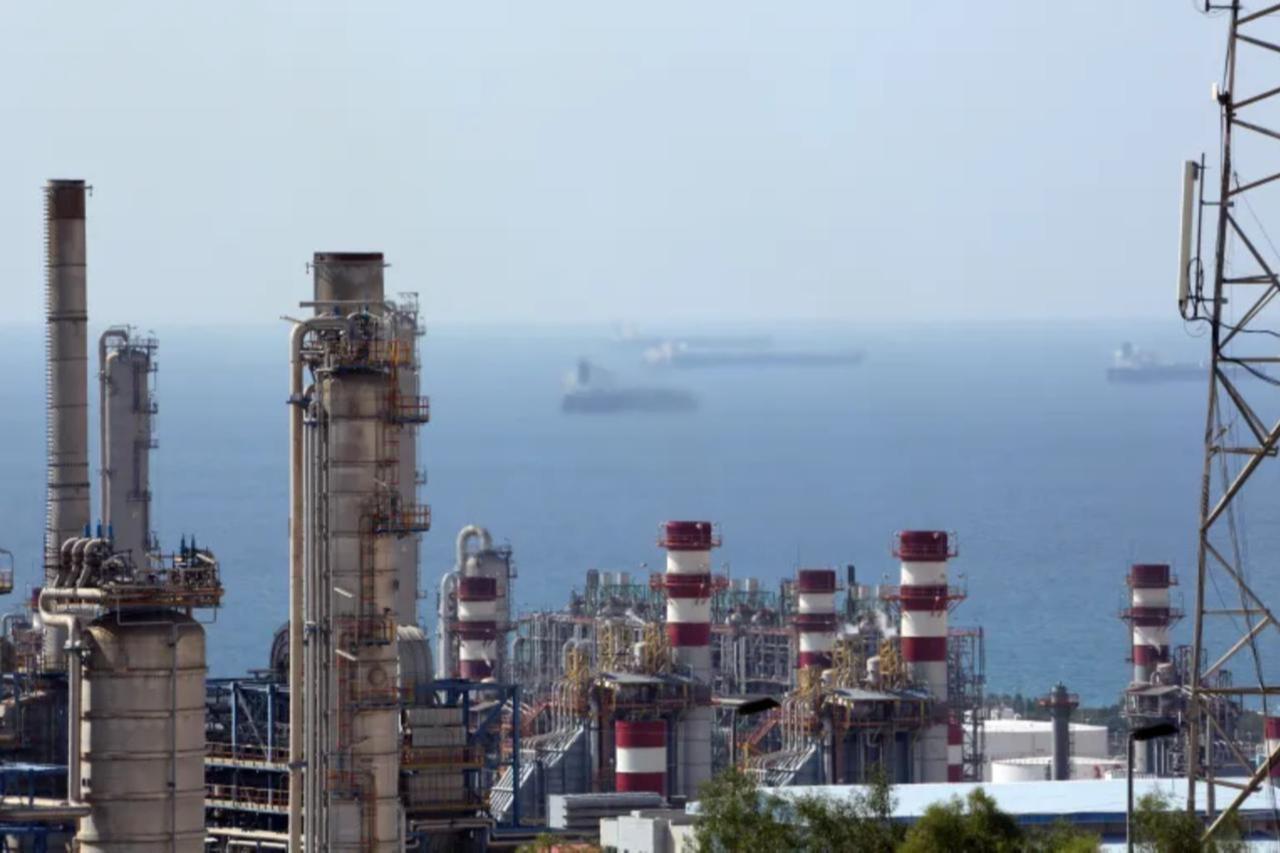
Pezeshkian also addressed the Strait of Hormuz, the waterway that Iran has intermittently blockaded since the war began, a move that has driven global energy prices higher. He said Tehran would not permit the strait to be used against Iranian interests.
"We cannot let some have free access and bolster their interests from the waterway, while at the same time using that waterway to impose their aggression upon us," he said.
The resulting rise in fuel prices has emerged as a political liability for Trump's Republican Party ahead of November's midterm elections, which will determine control of Congress.
Pezeshkian's presence in New York had been uncertain in the lead-up to the General Assembly session, as it remained unclear for a time whether Washington would grant him a visa. The United States ultimately issued Pezeshkian a visa but denied entry documents to several members of his delegation.


 Set as preferred source
 Set as preferred source


 1 min read
 1 min read