Newsletters




The latest exchange of strikes between Israel and Iran could reportedly strengthen Tehran’s negotiating position in talks with Washington, according to a BBC analysis.
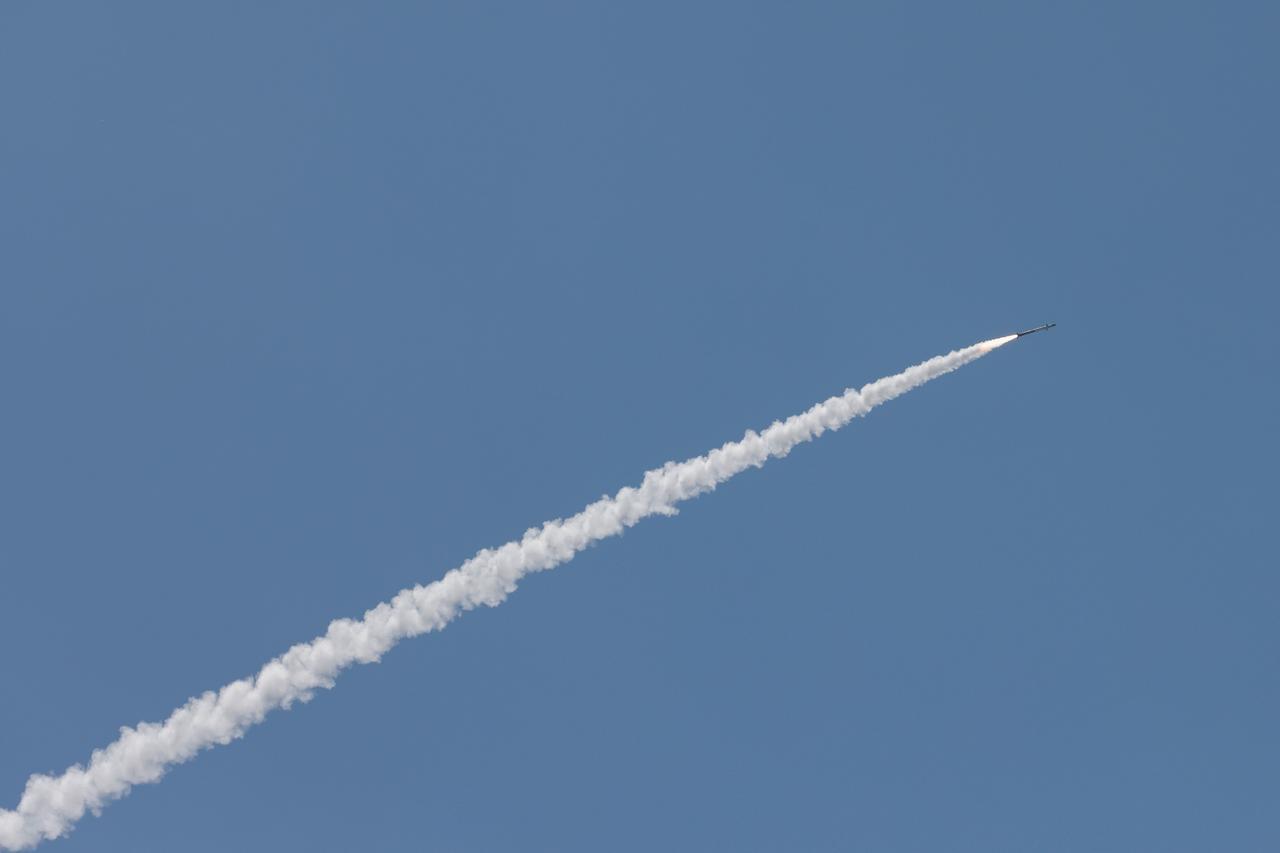
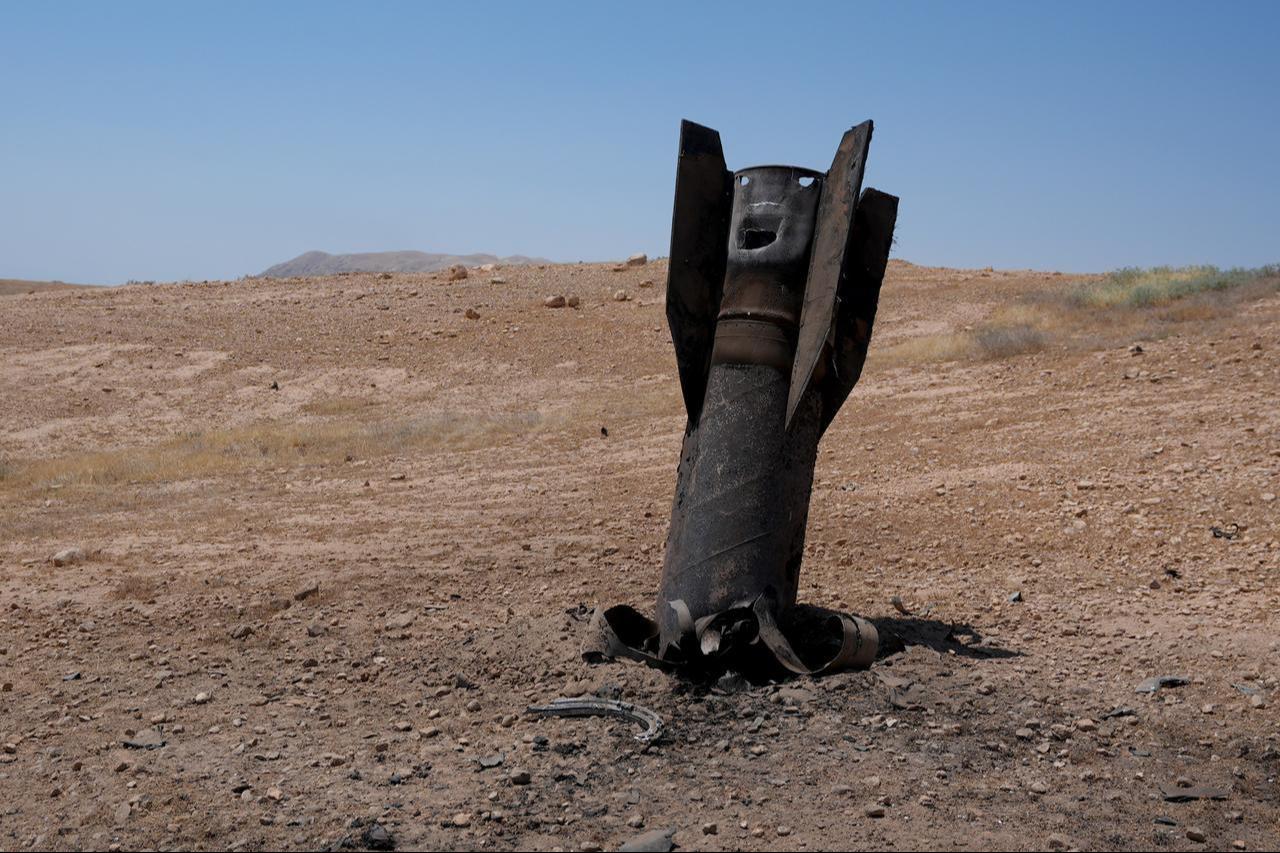
Israel struck targets in Iran over the weekend for the first time since an April ceasefire, after Tehran fired missiles at Israel in response to Israeli attacks on Beirut.
The escalation unfolded despite U.S. President Donald Trump publicly calling on Israeli Prime Minister Benjamin Netanyahu to avoid retaliation and saying an agreement with Iran remained close.
The exchanges highlighted the continuing instability in the Middle East more than three months after the U.S. and Israel launched their war against Iran.
They also raised questions about Washington’s ability or willingness to restrain Israel, Iran’s effort to link the conflicts involving Israel, Hezbollah and Tehran, and the prospects for a U.S.-Iran agreement on nuclear and regional issues.

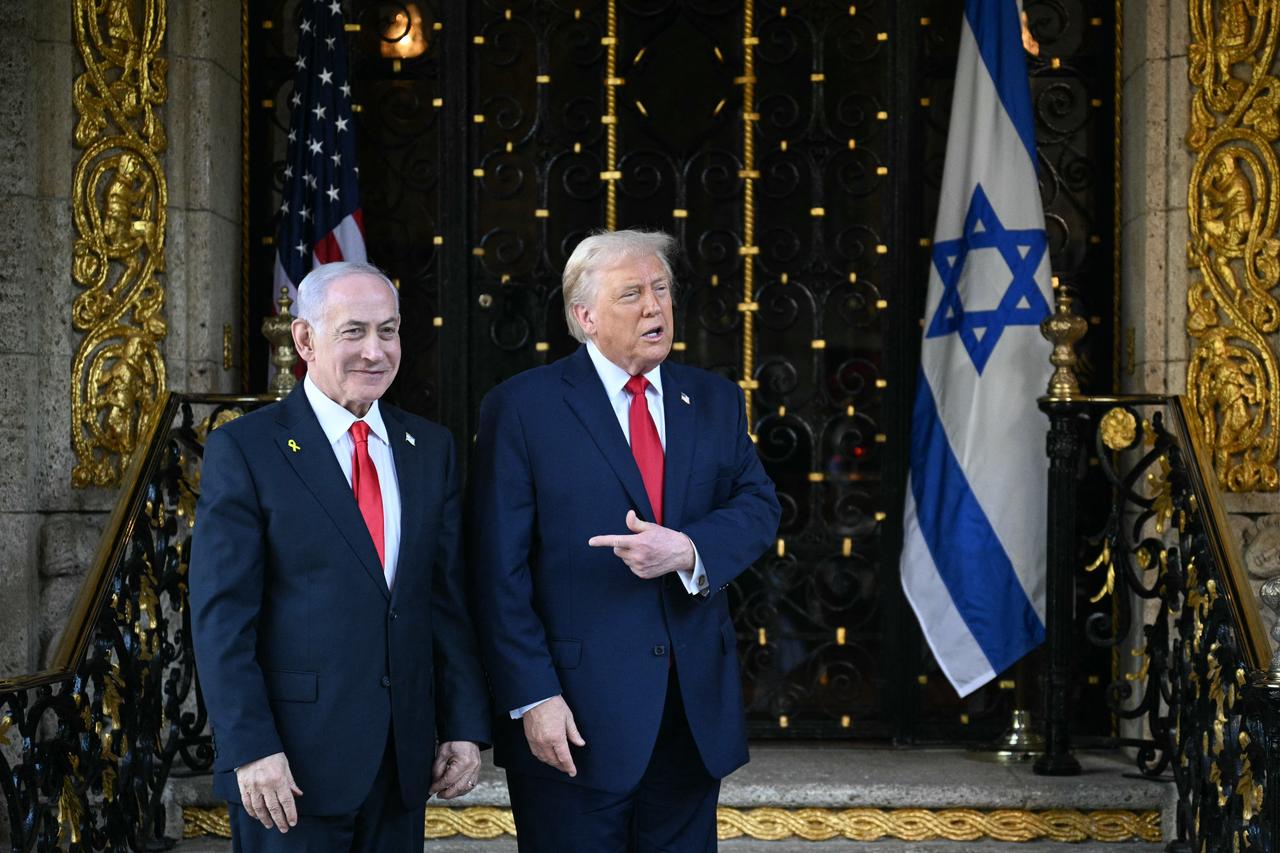
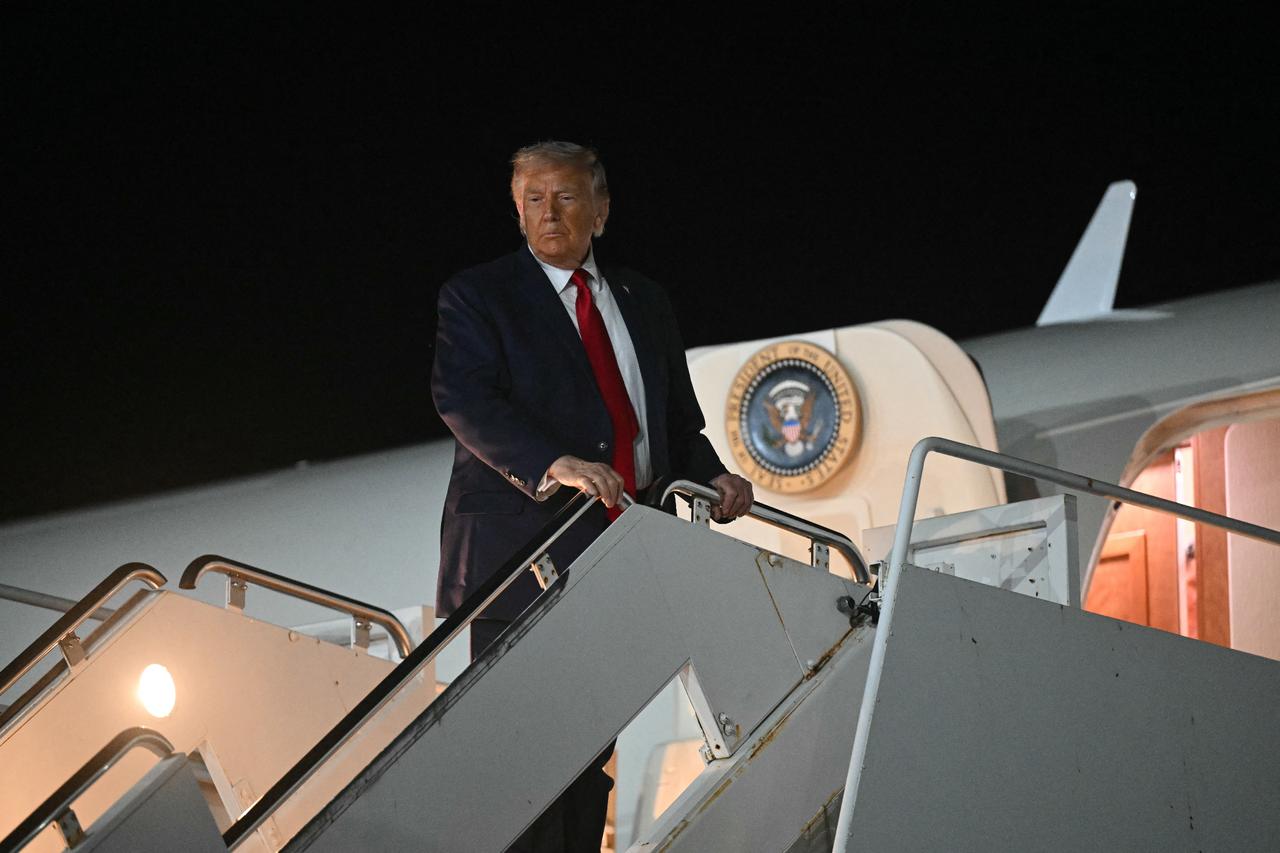
After Iran launched missiles at Israel on Sunday, Trump told journalists that he planned to call Netanyahu and ask him not to retaliate.
An Israeli counterattack risked undermining the fragile diplomatic process between Washington and Tehran. Israel struck Iran hours later.
Trump told the BBC on Monday that Israeli aircraft were “already on their way” when he spoke with Netanyahu.
During a brief telephone interview, Trump rejected the suggestion that Netanyahu had defied him. “If I tell him to do something, he does it,” Trump said.
Trump said Tuesday that negotiations were in the “final throes” of what he described as a “very, very good deal.”
Asked whether an agreement could take days or weeks, he said it could take “two or three days” and that the Strait of Hormuz would reopen immediately afterward.
The previous week, Trump reportedly criticized Netanyahu in an expletive-filled exchange over plans to attack Beirut, calling the Israeli leader “crazy.”
Netanyahu said the strikes were necessary because of Hezbollah’s threat to northern Israel.
Trump later told the New York Post that he was concerned by Netanyahu “constantly fighting with Lebanon,” saying the Israeli leader’s actions could threaten efforts to reopen the Strait of Hormuz and secure assurances over Iran’s nuclear program.
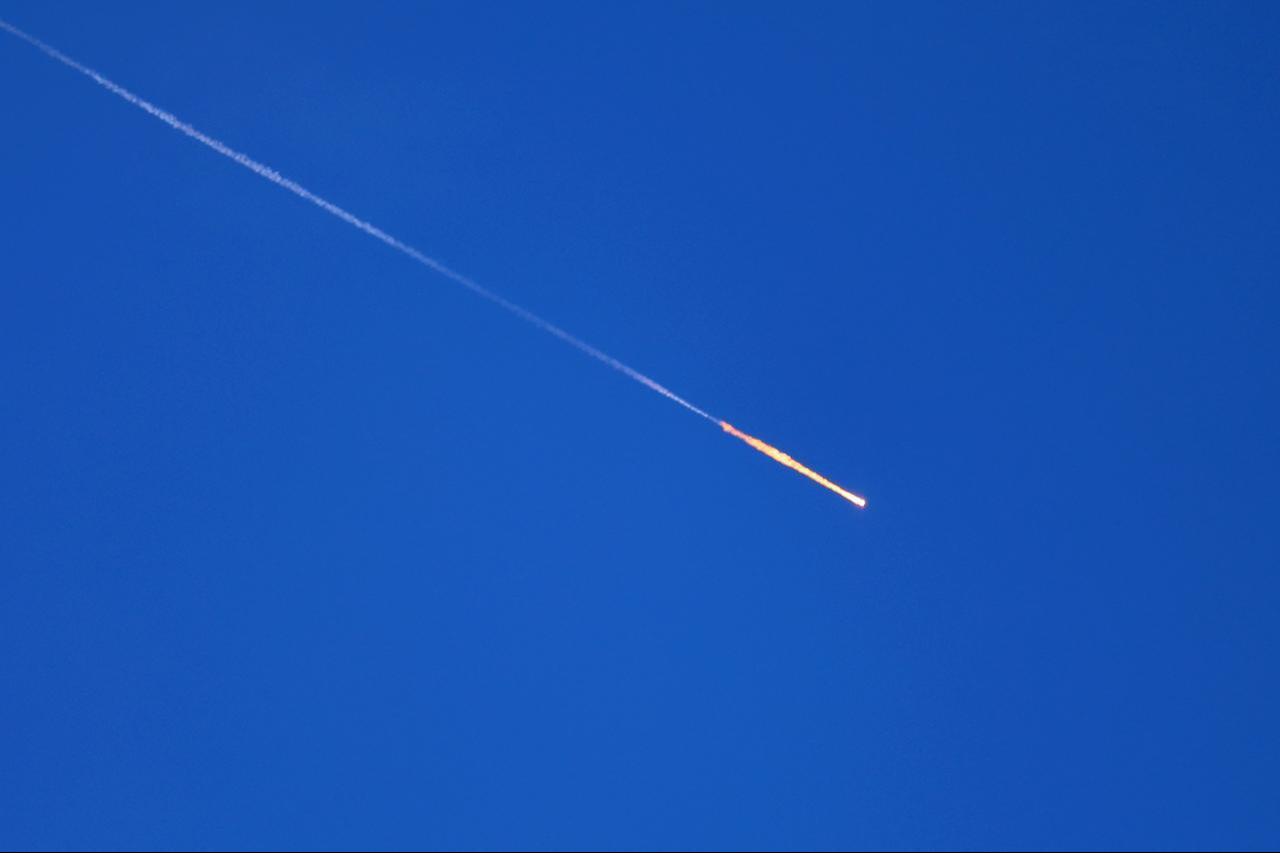
Although Trump publicly sought to distance himself from the Israeli response, Israel’s actions indicated that Washington had at least given limited consent for a single, carefully managed round of strikes.
Veteran U.S. negotiator Aaron David Miller described Washington’s position as giving Netanyahu a “blinking yellow light.”
Israel would have needed to coordinate with U.S. forces in the region over air routes before conducting the attack.
The U.S. has its largest military buildup in the region since the invasion of Iraq and has hundreds of personnel in Israel working with the Israel Defense Forces.
The Israeli military told Israeli journalists after the strikes that there had been “full coordination” with the U.S. Central Command.
It also said the U.S. military helped intercept missiles fired by Iran at Israel.
By Monday afternoon in Washington, Israel and Iran were both signaling that the latest exchange was over.
Trump’s public statements that he would seek to stop Netanyahu may have been aimed at showing Tehran that Washington was distancing itself from the Israeli operation.
It was also possible that Trump initially intended to prevent the strike but later accepted Israel’s argument for a limited response.
Iran’s decision to launch missiles at Israel marked the first time Tehran had responded directly to an Israeli attack on Lebanon rather than to an Israeli strike on Iranian territory.
The move sought to connect Iran’s ceasefire with the U.S. to the separate ceasefire between Israel and Hezbollah, which remains in place largely in name.
Tehran was also testing how far Washington would support an Israeli counterattack and whether U.S. forces would take part directly.
Creating disagreements between the U.S. and Israel over the future direction of the conflict could benefit Iran.
Trump continued publicly to support diplomacy after the exchange. In an NBC interview before the latest flare-up, he said an agreement with Iran was “very close.”
After the strikes, Trump said Israel and Iran had each had “their fun” and that it was time to return to negotiations.
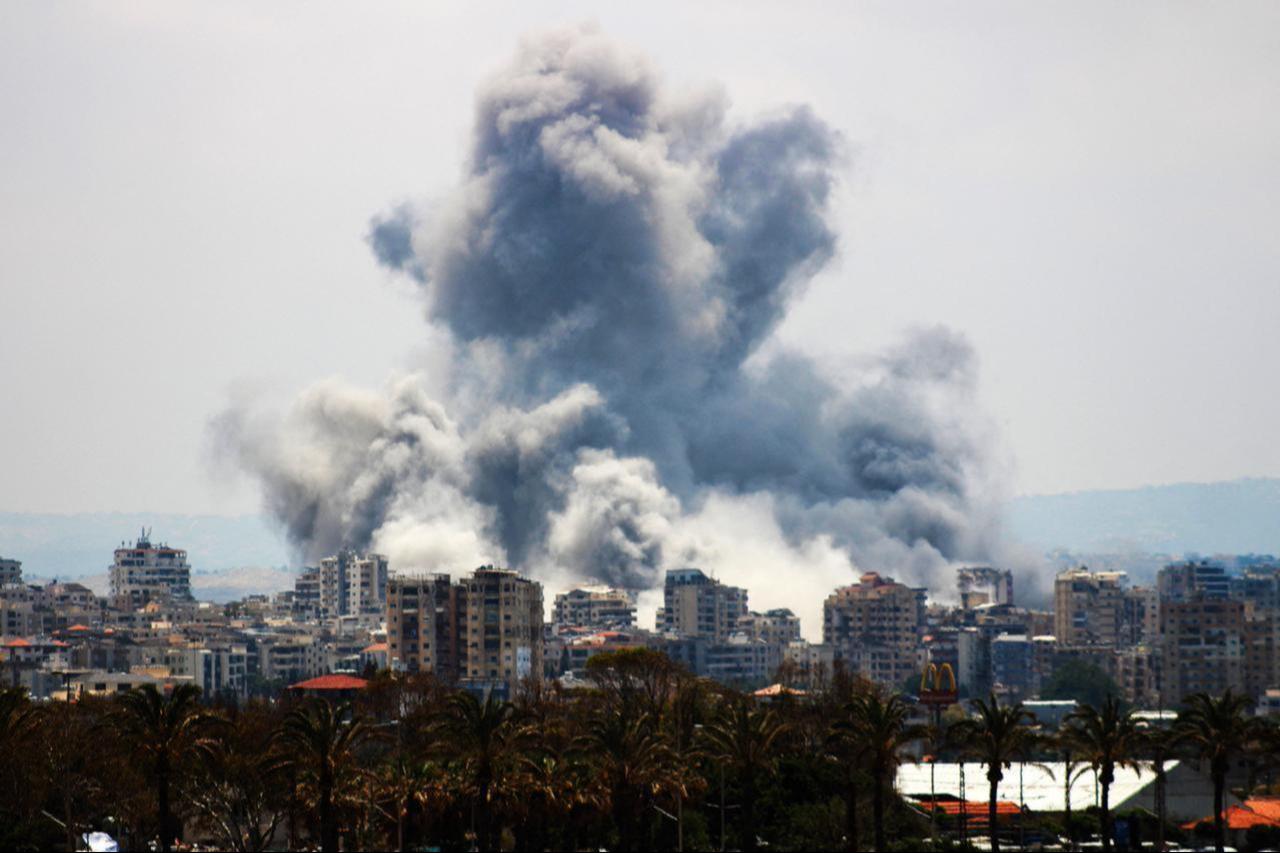
Iranian leaders appeared encouraged by the outcome of the confrontation.
President Masoud Pezeshkian said Iran’s military response had strengthened its negotiating position with the U.S. He described “diplomacy and defense” as the “two wings of national power.”
“We have neither abandoned the field nor the negotiating table,” Pezeshkian wrote on social media.
Iran’s economy remains under severe pressure, worsened by the U.S. naval blockade of its ports.
Tehran is seeking access to money through sanctions relief and the release of tens of billions of dollars in frozen oil revenues.
Iran also wants to limit Israeli escalation against Hezbollah in Lebanon, viewing the group as a deterrent against further Israeli attacks on Iranian territory.
High oil prices caused by Iran’s closure of the Strait of Hormuz have also placed pressure on the U.S. economy during a U.S. midterm election year.
Iran may view Trump’s appetite for further military risk as limited and could seek to place sanctions relief and the release of frozen assets at the front of any agreement.
Asked Sunday whether he would lift sanctions or release Iranian assets in advance as part of a deal, Trump said, “No.”
The disagreement over financial relief could be one reason an agreement has not yet been reached.
The continuing instability also leaves open the possibility that further escalation could push the U.S. and Iran into another round of direct fighting.


 Set as preferred source
 Set as preferred source


 1 min read
 1 min read