Newsletters


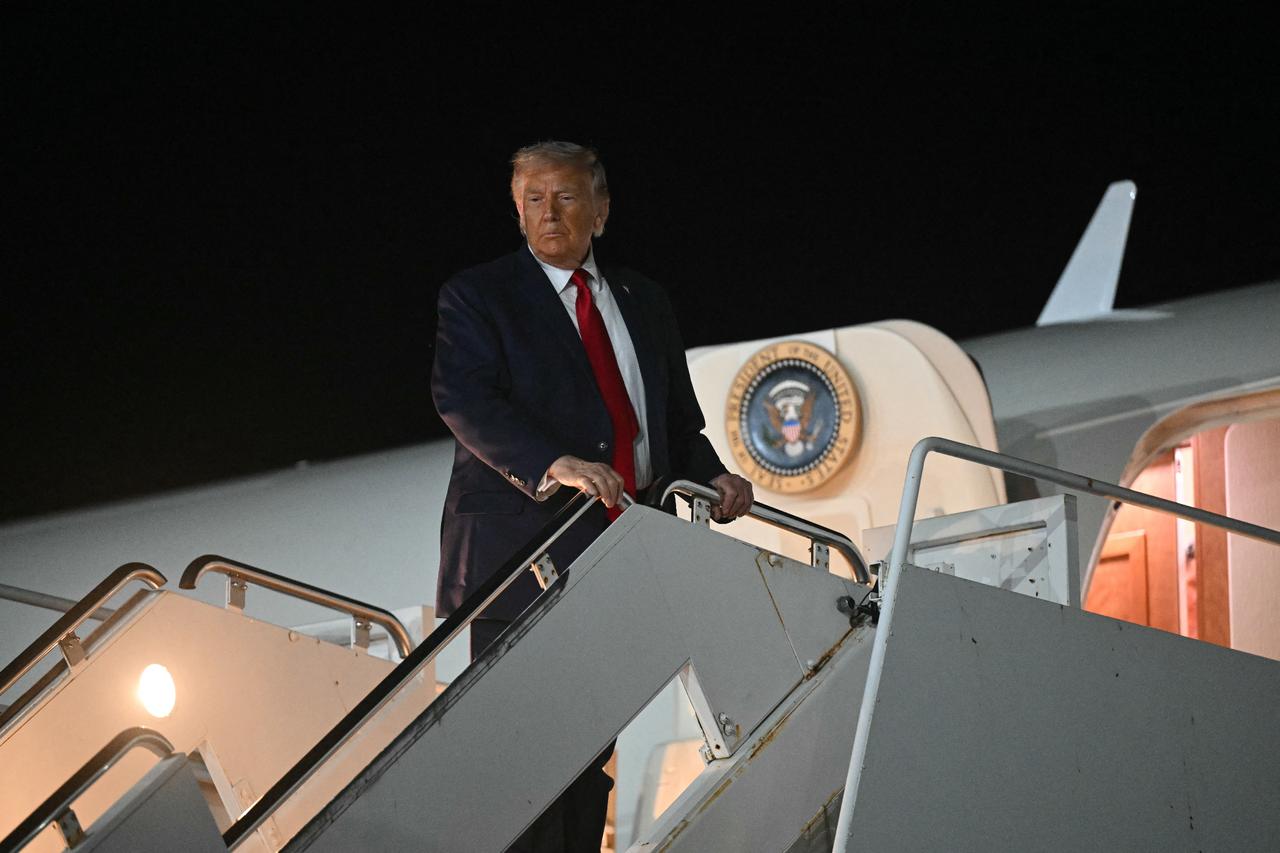


U.S. President Donald Trump said early Tuesday that an agreement with Iran could be reached within days and expressed confidence that the Strait of Hormuz would reopen immediately after it is signed.
Returning from an NBA Finals game in New York, Trump said talks with Tehran continued despite the recent Iran-Israel escalation and could yield an agreement within "one or two days."
"We're in the final throes of what will be a very, very good deal," Trump said. "They were going back and forth, and now they both agreed through me to stop, and we're in the final throes of what will be a very, very good deal that will not allow in any way, shape, or form nuclear weapons, etc."
He also predicted the Strait of Hormuz would reopen immediately after the agreement is signed, which he suggested could happen within "two or three days."
Earlier on Monday, Trump told supporters during a tele-rally for Sen. Lindsey Graham that the United States expected to secure a "total victory" over Iran within two weeks.
"We've been a very tough team, and I think we are winning that battle, but you're really going to win it over the next two weeks when we declare total victory," Trump said. "It'll be a total victory. It'll happen very soon, and oil prices will come tumbling down."
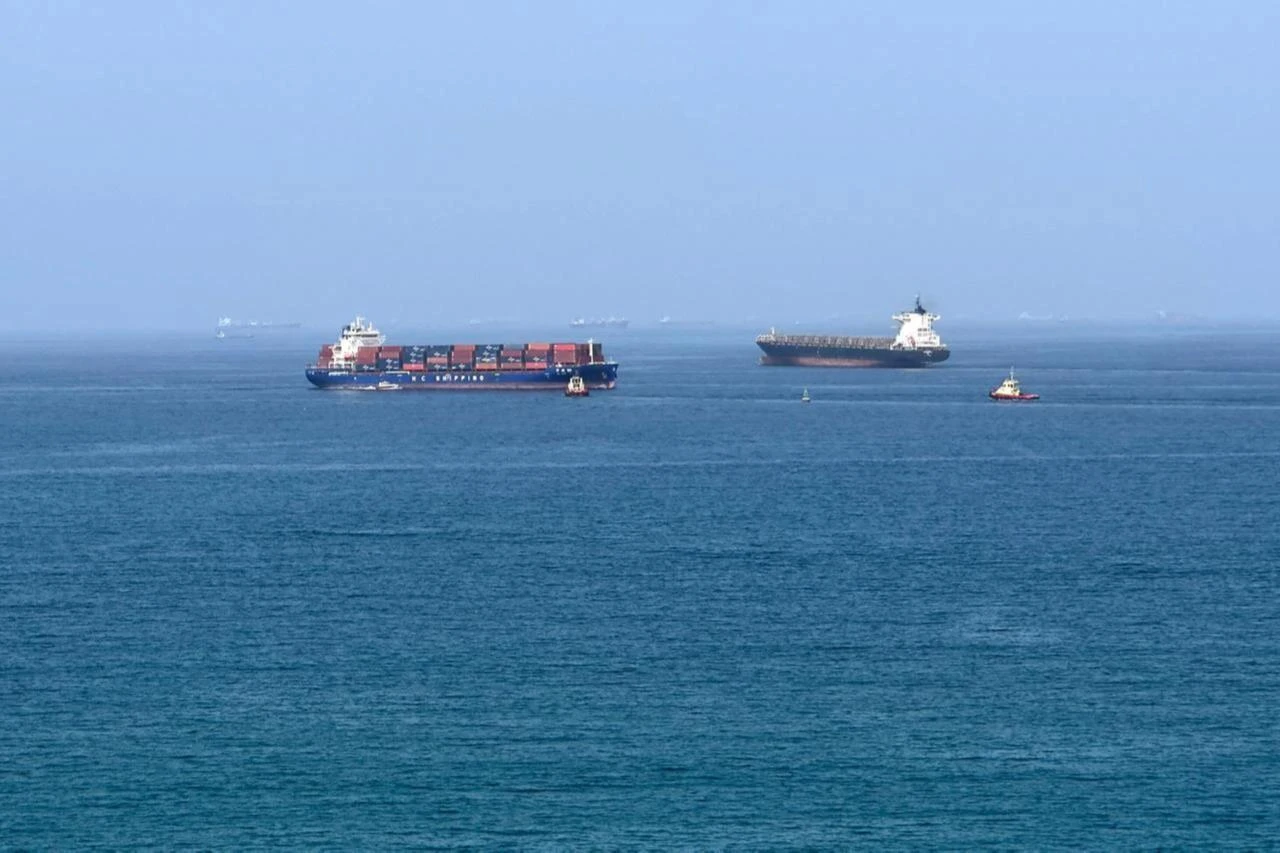
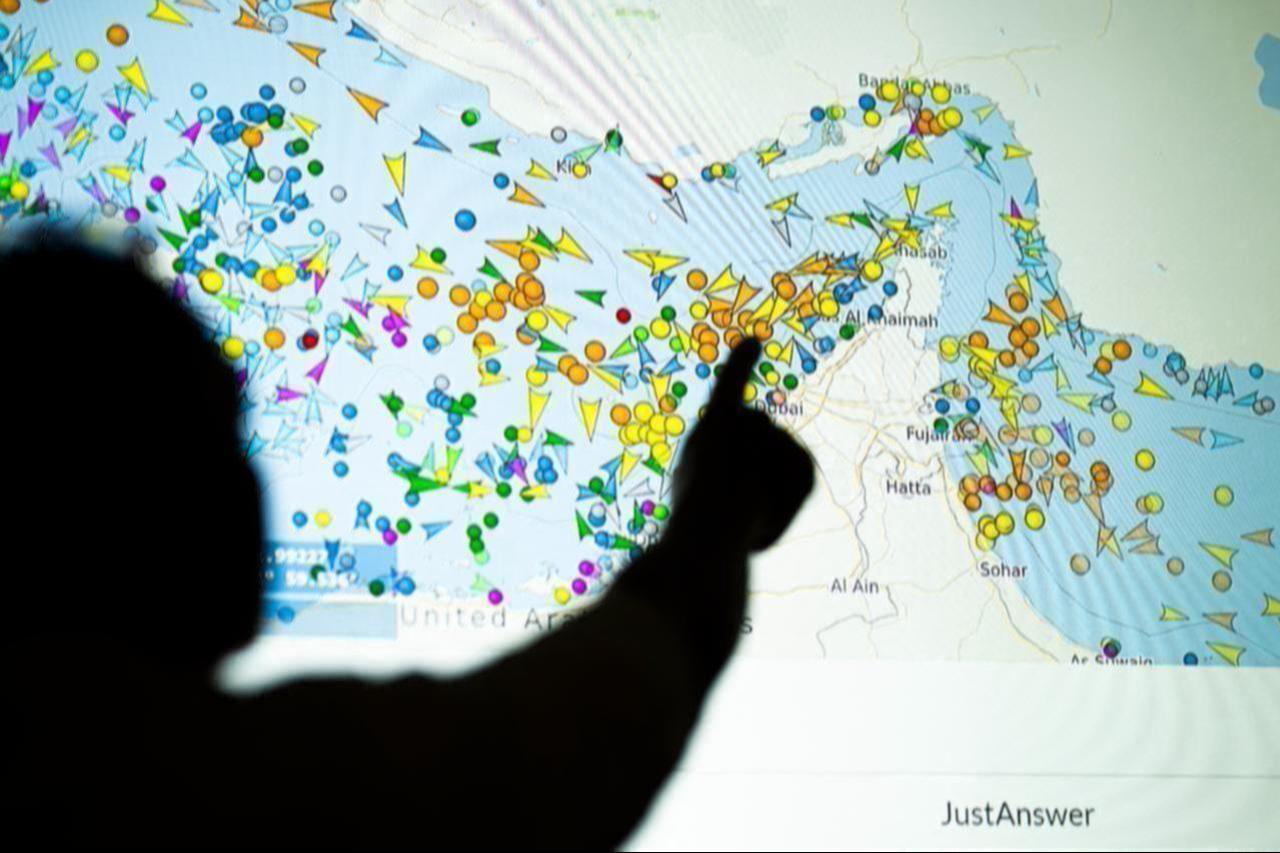
As of 5:50 a.m. GMT on Tuesday, Brent crude prices were up roughly 30% from pre-conflict levels at $93.2 per barrel, as shipping through the Strait of Hormuz, one of the world's key oil chokepoints, remained largely disrupted.

Vice President JD Vance also signaled that Washington intends to continue pursuing a long-term nuclear agreement with Tehran regardless of Israel's position. Speaking in an interview with Fox News on Monday, Vance argued that developments over the past year had created an opening for a lasting settlement.
The comments came amid reports of differences between Washington and Tel Aviv over the shape of a potential agreement, with Vance acknowledging that Israel "may not like" a deal the Trump administration believes would prevent Iran from acquiring nuclear weapons.
"Thanks to what's happened over the last few months, but really over the last year and a half, we've created the space necessary where the president believes, and I think that he's right, that we can get the long-term settlement to Iran's nuclear deal," Vance said.
Israel may or may not support such an approach, Vance added, but the administration believes continued diplomacy serves U.S. interests and will remain a priority.
Tensions flared Sunday after Israel struck Beirut despite a ceasefire in Lebanon, triggering Iranian missile attacks and Israeli retaliatory strikes.
After Trump urged both sides to halt the fighting, Iran said it was halting attacks and Israeli media reported that Israel had agreed to stop striking Iran, though Prime Minister Benjamin Netanyahu later said the confrontation had ended only "for now."


 Set as preferred source
 Set as preferred source


 1 min read
 1 min read